Differential Expression of Endocannabinoid Receptors in Lesional and Non-Lesional Skin of Psoriasis Patients: Insights Into Pathogenesis and Potential Therapeutic Targets
Jaime N. Turk, Mark G. Kirchhof

TL;DR
This study explores how endocannabinoid receptors differ in psoriasis-affected skin compared to unaffected skin and healthy skin, offering new insights into the disease's causes and possible treatments.
Contribution
The study identifies specific endocannabinoid receptors and signaling channels that are differentially expressed in psoriatic lesional skin, suggesting novel therapeutic targets.
Findings
Genes like CNR2, TRPA1, and PPARD are upregulated in psoriatic lesional skin compared to healthy controls.
TRPV4, PPARG, and PPARA are significantly downregulated in lesional skin compared to non-lesional skin.
Non-lesional skin shows no significant differences in endocannabinoid gene expression compared to healthy controls.
Abstract
Psoriasis is a chronic, immune-mediated inflammatory skin disease with a complex etiology involving genetics, environmental triggers, and immune dysregulation. Research suggests that the endocannabinoid system (ECS) is involved in inflammation and skin homeostasis, prompting interest in its involvement in the pathogenesis of psoriasis. This study was designed to investigate the expression of cannabinoid receptors and signaling channels in psoriatic-affected tissue (lesional), unaffected tissue (non-lesional), and healthy control subjects. Data were extracted using bulk RNA sequencing data from the Gene Expression Omnibus public database. Differential gene expression analysis was performed to determine changes in cannabinoid receptor expression between psoriatic lesional skin, non-lesional skin, and healthy controls. We found that in psoriatic lesional skin, GPR12, PPARG, TRPV4,…
Genes, proteins, chemicals, diseases, species, mutations and cell lines named across the full text — each resolved to its canonical identifier and authoritative record.
Click any figure to enlarge with its caption.
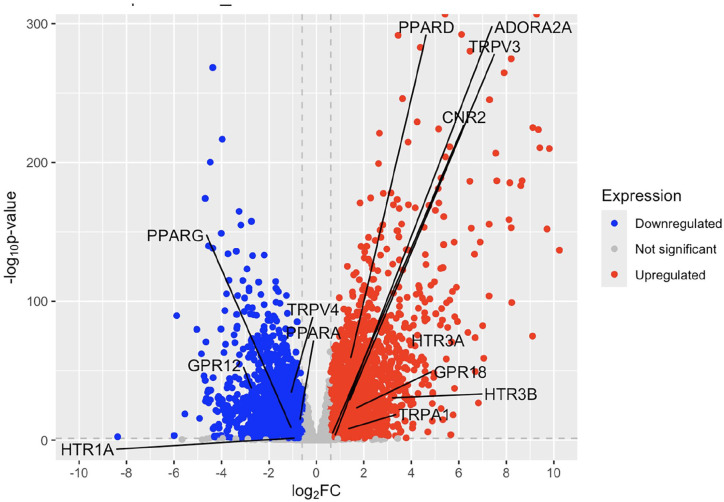 Figure 1
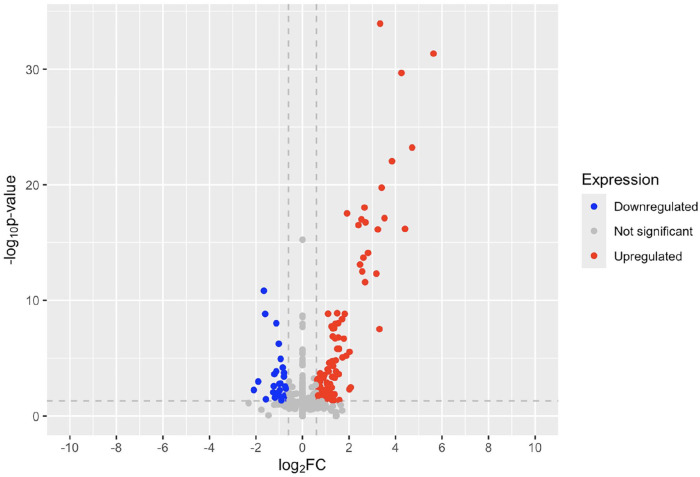 Figure 2
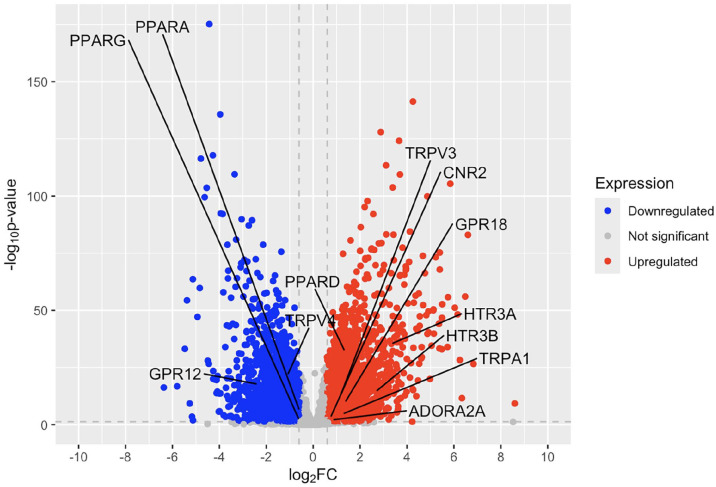 Figure 3
 Figure 4
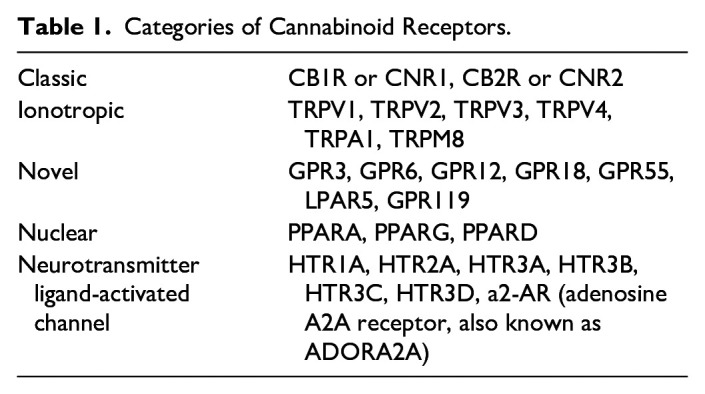 Figure 5
Peer Reviews
No public reviews on file for this paper yet. If you reviewed it on a platform where reviews are public (OpenReview, ICLR, NeurIPS, ICML), you can paste yours below so the community can read it here.
Videos
No videos yet. Explain this paper in a talk, walkthrough, or lecture? Add one.
Taxonomy
TopicsCannabis and Cannabinoid Research · Herbal Medicine Research Studies · Dermatology and Skin Diseases