Transcriptomic Profiling in Aged Mice Reveals an Association Between Sevoflurane Anesthesia and Neurocognitive Dysfunction
Naiqi Jiang, Junjie Zou, Meiling Tian, Zaibin Jing, Wanting Ding, Lei Wang, Hongzhe Bei, Cuicui Yu

TL;DR
This study finds that sevoflurane anesthesia in aged mice is linked to cognitive issues and changes in brain gene activity, especially in metabolism-related genes.
Contribution
The study identifies sevoflurane-induced transcriptomic changes in aged mice brains, specifically linking cognitive dysfunction to cysteine and methionine metabolism dysregulation.
Findings
Sevoflurane-exposed aged mice showed impaired spatial memory in the Morris water maze test.
Transcriptomic analysis revealed 148 differentially expressed genes linked to cysteine and methionine metabolism.
Altered gene expression suggests sevoflurane may suppress hippocampal function and disrupt metabolic pathways in aged mice.
Abstract
Sevoflurane is the most commonly used inhalational anesthetic in clinical work. Exposure to sevoflurane can induce cognitive dysfunction, particularly in the elderly. Transcriptomics aims to investigate diseases at the genetic level, identify enriched pathways and confirm action targets. This study investigates the mechanisms of sevoflurane-induced neurocognitive dysfunction in aged mice through transcriptomic analysis, aiming to establish a theoretical basis for the prevention and treatment of cognitive impairment. Eighteen-month-old aged mice were anesthetized with sevoflurane for 4 h. Hippocampal tissues were collected for transcriptomic analysis following the water maze test. Morris water maze (MWM) testing revealed that sevoflurane-exposed mice exhibited significantly longer escape latencies (b = 8.02, 95% CI [2.89, 13.16]) and fewer platform crossings (U = 65, Z = -2.018, P =…
Genes, proteins, chemicals, diseases, species, mutations and cell lines named across the full text — each resolved to its canonical identifier and authoritative record.
Click any figure to enlarge with its caption.
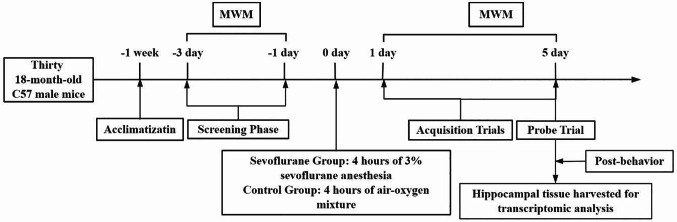 Figure 1
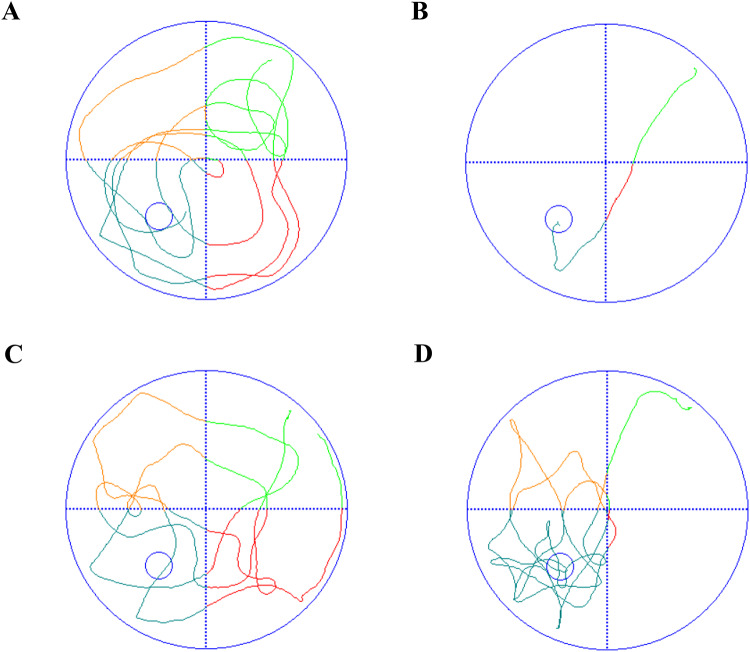 Figure 2
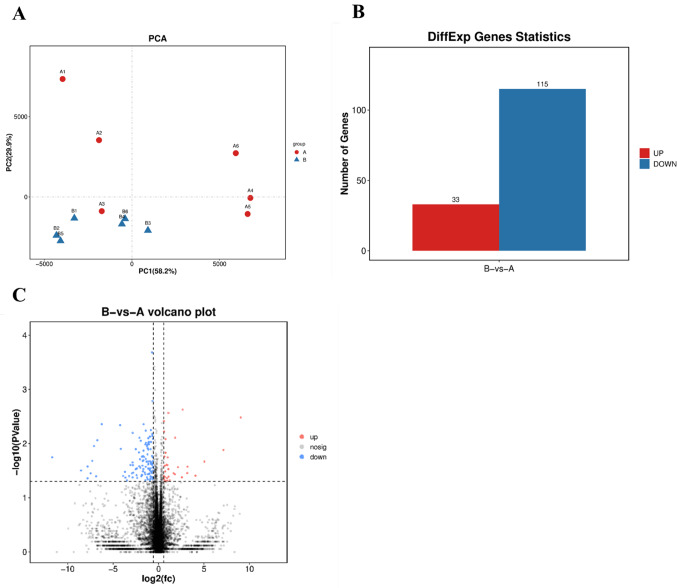 Figure 3
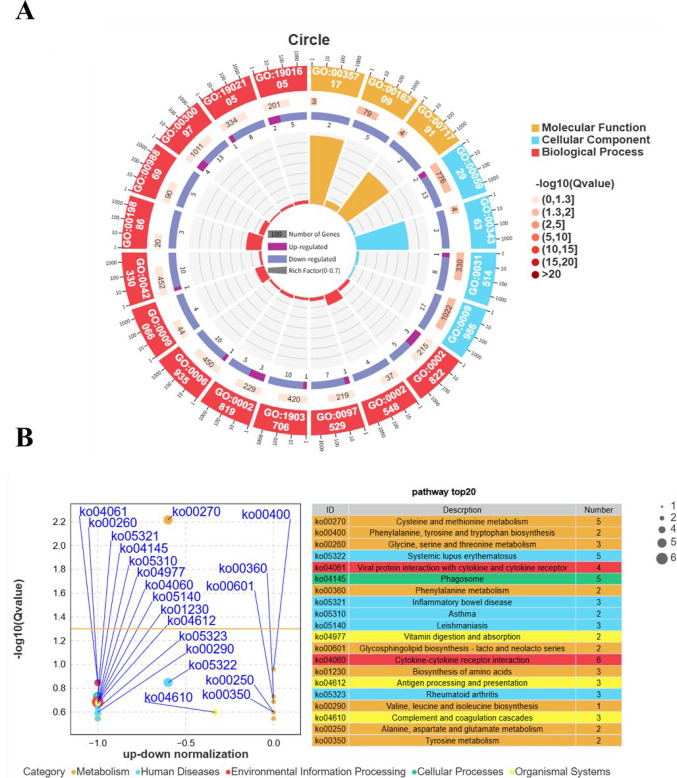 Figure 4
Peer Reviews
No public reviews on file for this paper yet. If you reviewed it on a platform where reviews are public (OpenReview, ICLR, NeurIPS, ICML), you can paste yours below so the community can read it here.
Videos
No videos yet. Explain this paper in a talk, walkthrough, or lecture? Add one.
Taxonomy
TopicsAnesthesia and Neurotoxicity Research · Intensive Care Unit Cognitive Disorders · Neuroscience and Neuropharmacology Research