Recanalization of a Severely Calcified Superior Mesenteric Artery in the Setting of Extensive Paravisceral Aortic Calcification Using Intravascular Lithotripsy: A Case Report and Focused Literature Review
Renato Abu Hana, Grit A Adler, Ruben G Ortiz Cordero, Oswaldo A Guevara Tirado, Vinicius Adami Vayego Fornazari

TL;DR
A 72-year-old man with severe calcified arteries in his abdomen was successfully treated using a new technique called intravascular lithotripsy to restore blood flow.
Contribution
This case report provides evidence supporting the use of intravascular lithotripsy for treating calcified superior mesenteric artery lesions.
Findings
Intravascular lithotripsy enabled successful recanalization of a severely calcified superior mesenteric artery.
The patient experienced significant improvement in symptoms after the procedure.
IVL is a safe and effective option when standard angioplasty is insufficient for calcified lesions.
Abstract
Calcified atherosclerotic plaques are a well-recognized cause of chronic mesenteric ischemia (CMI). We present a case where intravascular lithotripsy (IVL) was successfully used to treat a severely calcified and stenotic superior mesenteric artery (SMA). A 72-year-old male with diffuse atherosclerotic disease presented with acute-on-chronic abdominal pain and weight loss. Computed tomography angiography (CTA) demonstrated extensive calcified aortic atherosclerotic disease extending to the major branches, particularly the SMA, causing severe stenosis. Plain old balloon angioplasty (POBA) followed by Shockwave™ IVL enabled the placement of a stent graft, resulting in successful recanalization. Following the procedure, the patient reported significant improvement in abdominal pain. IVL provides a safe and effective method for managing severely calcified mesenteric lesions, particularly…
Genes, proteins, chemicals, diseases, species, mutations and cell lines named across the full text — each resolved to its canonical identifier and authoritative record.
Click any figure to enlarge with its caption.
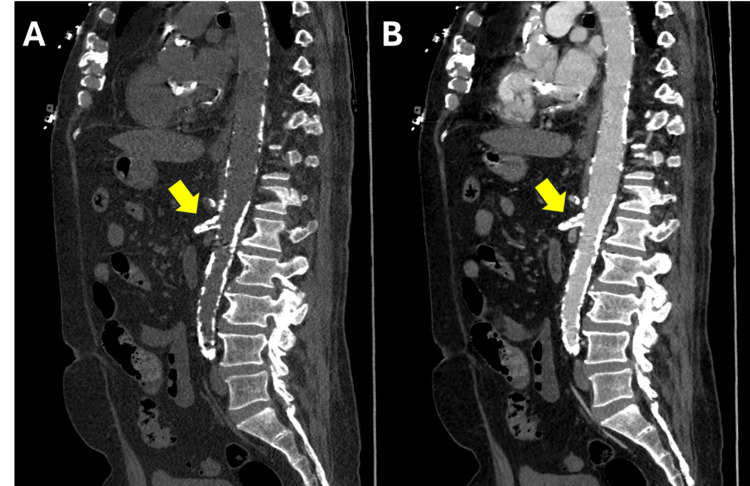 Figure 1
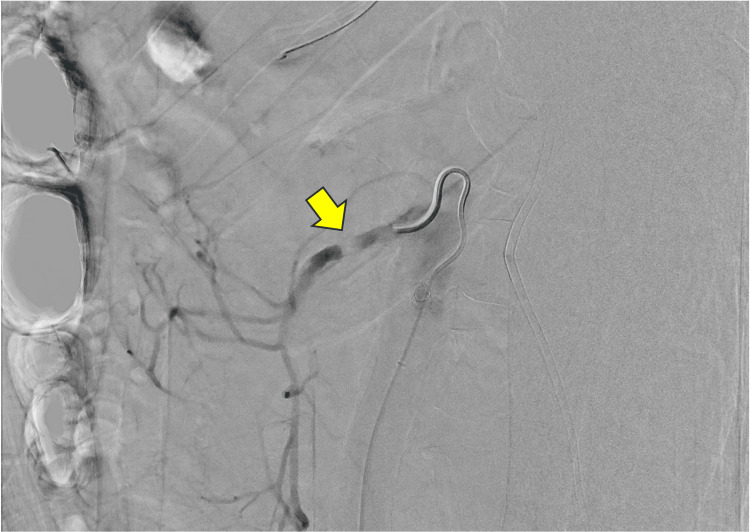 Figure 2
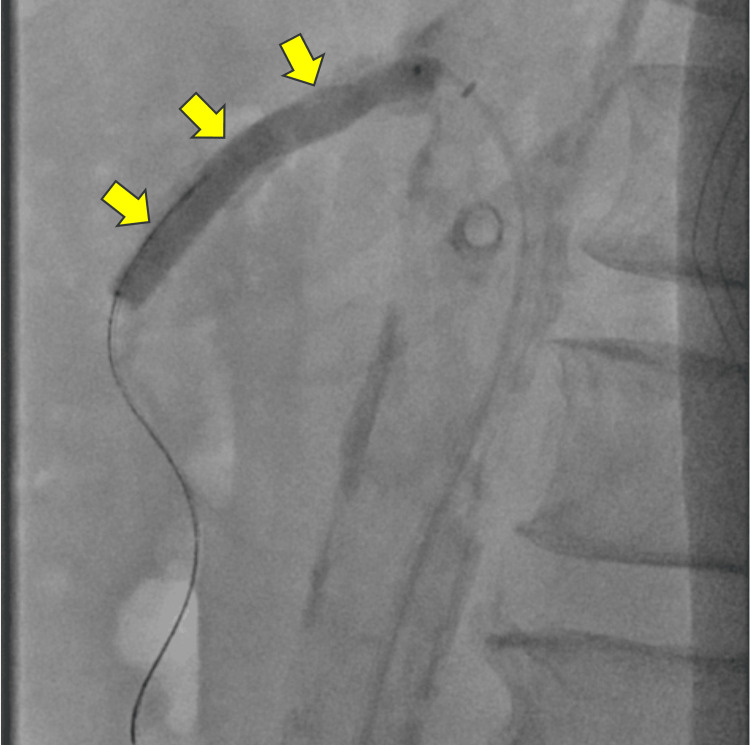 Figure 3
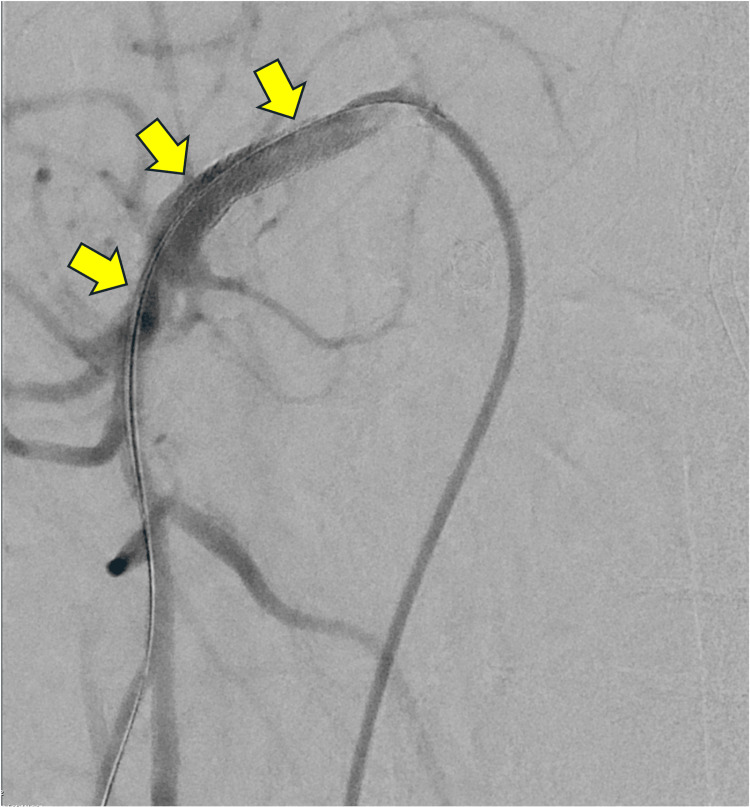 Figure 4
Peer Reviews
No public reviews on file for this paper yet. If you reviewed it on a platform where reviews are public (OpenReview, ICLR, NeurIPS, ICML), you can paste yours below so the community can read it here.
Videos
No videos yet. Explain this paper in a talk, walkthrough, or lecture? Add one.
Taxonomy
TopicsAbdominal vascular conditions and treatments · Peripheral Artery Disease Management · Renal and Vascular Pathologies