The Impact of Transportation Mode on ST-Segment Elevation Myocardial Infarction (STEMI) Reperfusion Time and Survival
Zeyad K Aljaili, Ahmed A Alsalman, Abdulrahman G Aljabri, Rayyan O Turkestani, Mohammed H Alghanim, Fatima H Al Saeed, Bader K Alossaimi, Dunya Alfaraj

TL;DR
This study shows that patients arriving by emergency medical services have faster treatment times and better outcomes for heart attacks compared to those who self-transport.
Contribution
The study provides empirical evidence on how transportation mode affects reperfusion times and survival in STEMI patients.
Findings
Patients arriving via EMS had significantly shorter door-to-ECG and door-to-balloon times compared to self-transport patients.
The EMS group had a higher incidence of cardiopulmonary resuscitation upon arrival, indicating more critical initial conditions.
Abstract
Background: Acute coronary syndrome continues to be the leading cause of mortality worldwide, making it crucial to achieve a door-to-balloon (D2B) time under 90 minutes to enhance patient outcomes. This study aims to evaluate how outcomes differ between patients who arrive via emergency medical services (EMS) and those who arrive via self-transport. Methods: This was a retrospective study conducted at a tertiary hospital in the eastern province of Saudi Arabia. The study included both Saudi and non-Saudi patients who presented to the emergency department (ED) between March 1, 2022, and November 11, 2024, with ST-segment elevation myocardial infarction (STEMI) and non-ST-segment elevation myocardial infarction (NSTEMI) requiring primary percutaneous coronary intervention (PCI). Patients were divided into two groups based on their mode of transport. Collected data include age, gender,…
Genes, proteins, chemicals, diseases, species, mutations and cell lines named across the full text — each resolved to its canonical identifier and authoritative record.
Click any figure to enlarge with its caption.
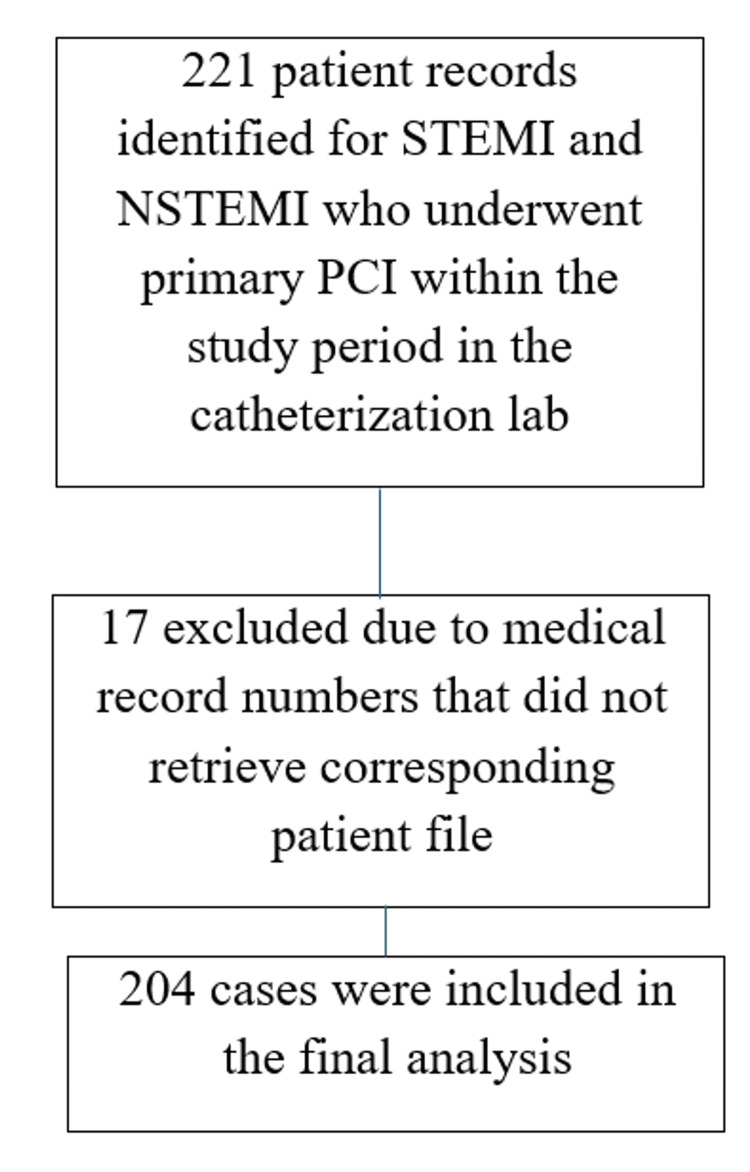 Figure 1
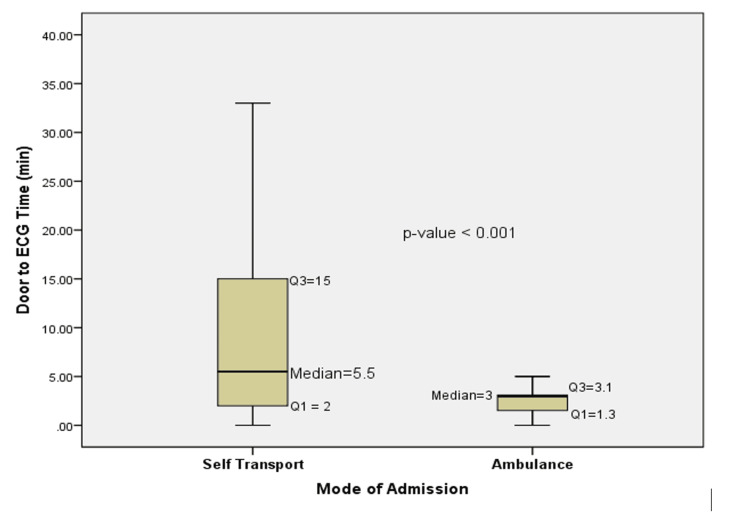 Figure 2
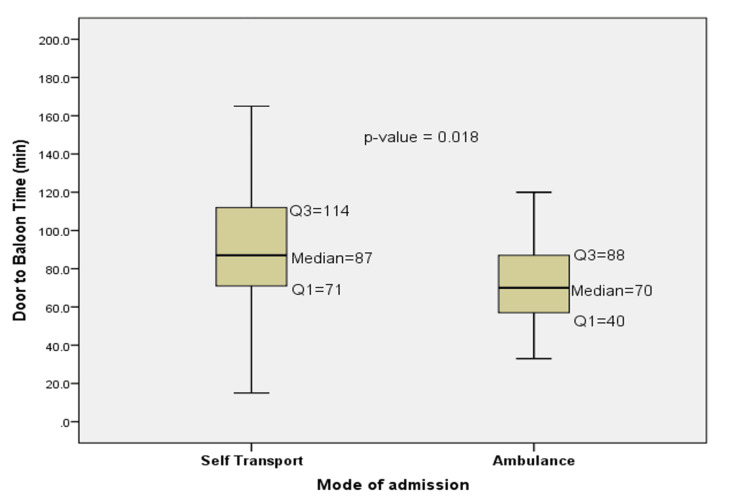 Figure 3
Peer Reviews
No public reviews on file for this paper yet. If you reviewed it on a platform where reviews are public (OpenReview, ICLR, NeurIPS, ICML), you can paste yours below so the community can read it here.
Videos
No videos yet. Explain this paper in a talk, walkthrough, or lecture? Add one.
Taxonomy
TopicsCardiac Arrest and Resuscitation · Acute Myocardial Infarction Research · Mechanical Circulatory Support Devices