Trial Interviews to Explore Glycogen Storage Disease Type Ia Patient Experiences Following Gene Therapy
Diane M. Turner-Bowker, Jessica Butler, Shayna Egan, David A. Weinstein, David F. Rodriguez-Buritica, Ayesha Ahmad, María-Luz Couce, Rebecca Riba-Wolman, John J. Mitchell, Christina Theodore-Oklota

TL;DR
A gene therapy called DTX401 significantly reduced the burden of managing glycogen storage disease type Ia, improving patients' quality of life and reducing the need for frequent cornstarch intake.
Contribution
This study provides patient-reported outcomes from a gene therapy trial for GSDIa, highlighting its impact on quality of life and symptom burden.
Findings
Most participants reported symptom improvement and reduced disease burden following DTX401 treatment.
Participants showed high satisfaction with gene therapy at multiple timepoints, with minimal negative outcomes reported.
DTX401 led to reduced cornstarch intake and improvements in physical, emotional, and social functioning.
Abstract
Glycogen storage disease type Ia (GSDIa) is a rare, inherited, autosomal recessive deficiency of glucose-6-phosphatase (G6Pase), an enzyme necessary in glycogenolysis and gluconeogenesis. To maintain normal blood glucose levels and ensure survival, individuals living with GSDIa must frequently consume complex carbohydrates (eg, uncooked cornstarch). Dietary management can result in chronic complications and significant patient burden. DTX401 (pariglasgene brecaparvovec) is an investigational adeno-associated virus serotype 8 vector (AAV8)–based gene therapy designed to restore endogenous glucose production. Patient experience interviews were conducted as part of an open-label, phase 1/2 dose-escalation trial (NCT03517085) evaluating the safety and efficacy of DTX401 in adults ≥18 years with GSDIa. Telephone interviews were conducted at Weeks 24, 52, and 104, using a semistructured…
Genes, proteins, chemicals, diseases, species, mutations and cell lines named across the full text — each resolved to its canonical identifier and authoritative record.
Click any figure to enlarge with its caption.
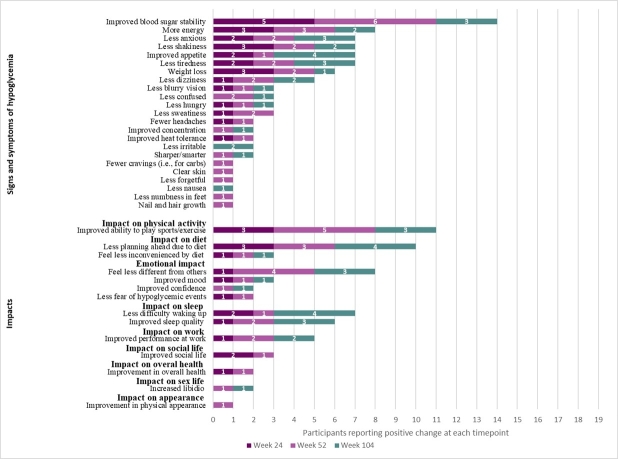 Figure 1
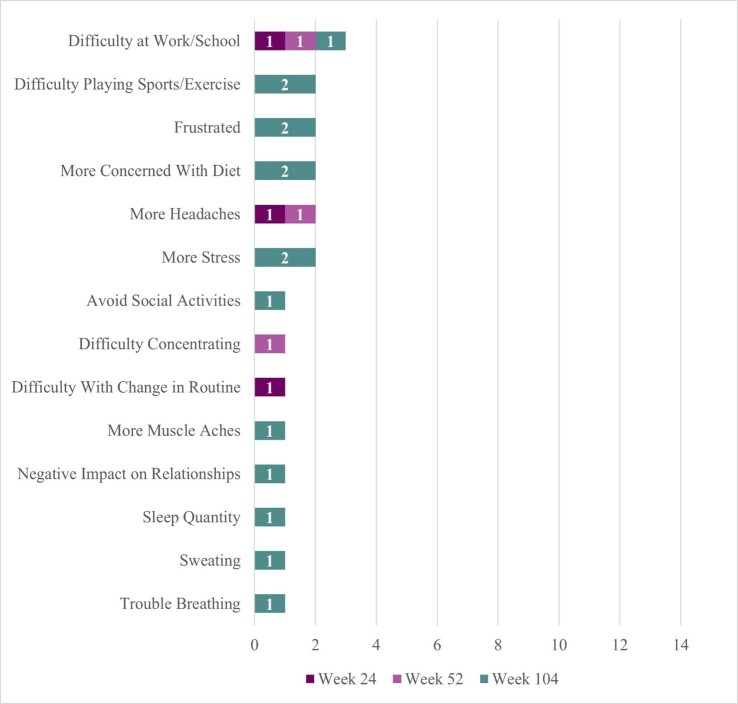 Figure 2
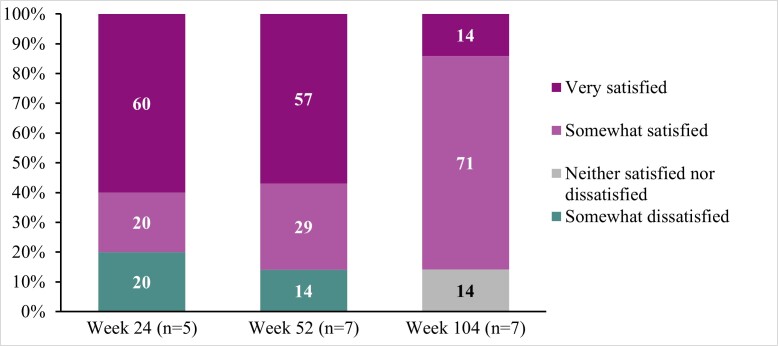 Figure 3
Peer Reviews
No public reviews on file for this paper yet. If you reviewed it on a platform where reviews are public (OpenReview, ICLR, NeurIPS, ICML), you can paste yours below so the community can read it here.
Videos
No videos yet. Explain this paper in a talk, walkthrough, or lecture? Add one.
Taxonomy
TopicsGlycogen Storage Diseases and Myoclonus · Lysosomal Storage Disorders Research · Porphyrin Metabolism and Disorders