Does preferred technique influence how kinematics change during a run to exhaustion?—A cluster based approach
Adrian R. Rivadulla, Zak Sheehy, Xi Chen, Dario Cazzola, Grant Trewartha, Ezio Preatoni

TL;DR
This study explores how running technique changes during fatigue and whether these changes differ based on a runner's preferred style.
Contribution
The study identifies cluster-specific kinematic adaptations during fatigue in runners with different preferred techniques.
Findings
Runners with a tilted pelvis showed greater trunk-to-pelvis extension and hip flexion compared to neutral pelvis runners.
Fatigue caused similar adaptations in both clusters, including reduced stride frequency and increased coordination variability.
Cluster-specific kinematic differences suggest potential mechanical or performance consequences of fatigue.
Abstract
Fatigue-related changes in running technique may depend on a runner’s preferred style. Understanding these changes can inform targeted training to enhance performance. In previous work, we identified two technique-based clusters of runners: the “neutral pelvis” and the “tilted pelvis” clusters. This follow-up study examined whether fatigue induces cluster-specific technique adaptations. Sixty runners (neutral pelvis, n = 32; tilted pelvis, n = 28) completed a treadmill run to exhaustion at 5% above their individual lactate threshold speed. Stride frequency, duty factor, trunk and lower limb kinematics were compared between clusters at the start, middle, and end of the run using a 2-way repeated measures analysis of variance (ANOVA). All runners reached exhaustion in ∼20 minutes, covering ∼5 km. Runners from the tilted pelvis cluster consistently showed greater trunk-to-pelvis extension,…
Genes, proteins, chemicals, diseases, species, mutations and cell lines named across the full text — each resolved to its canonical identifier and authoritative record.
Click any figure to enlarge with its caption.
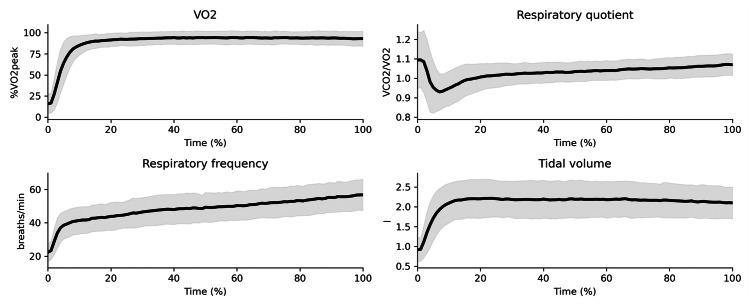 Figure 1
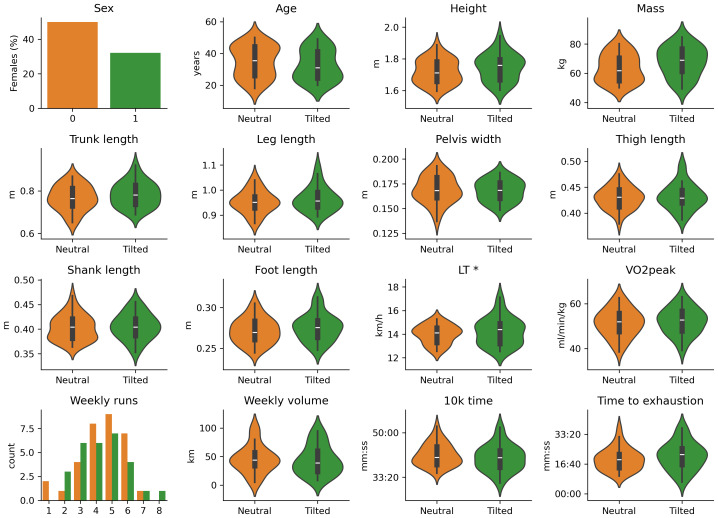 Figure 2
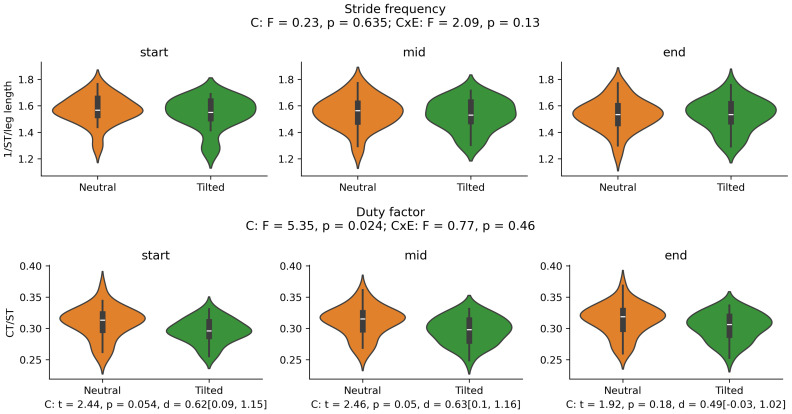 Figure 3
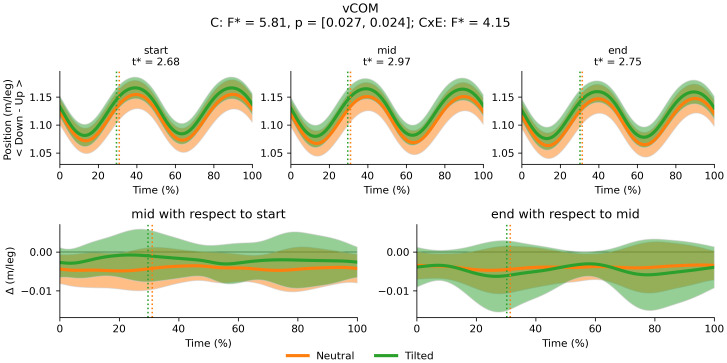 Figure 4
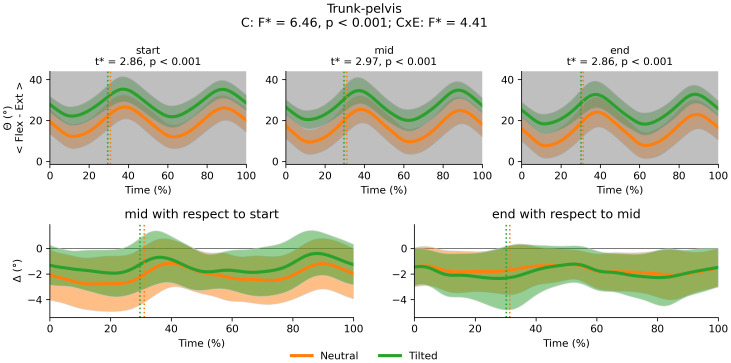 Figure 5
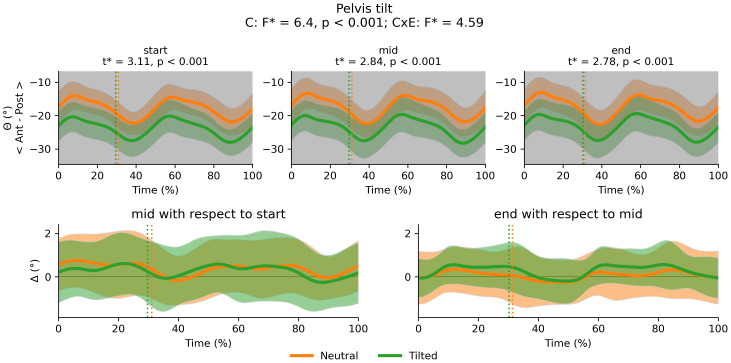 Figure 6
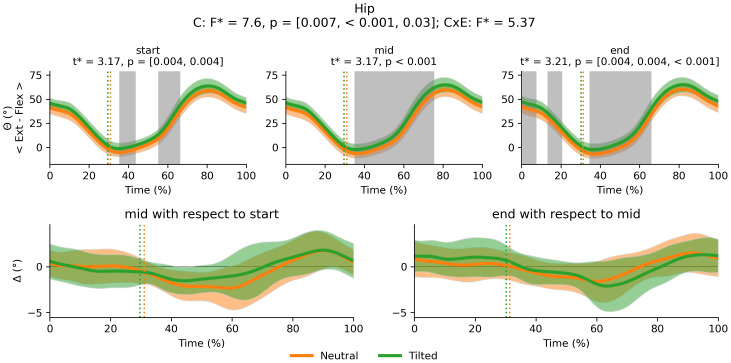 Figure 7
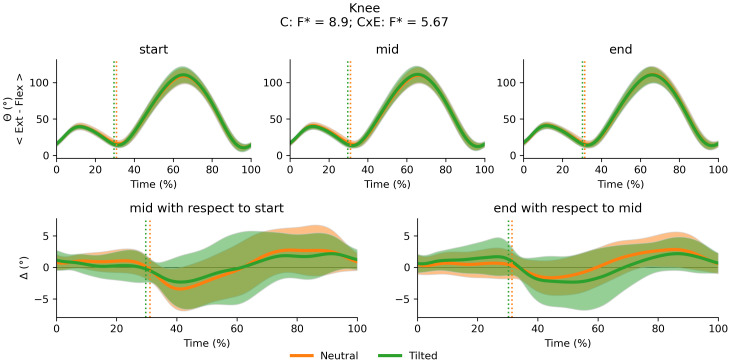 Figure 8
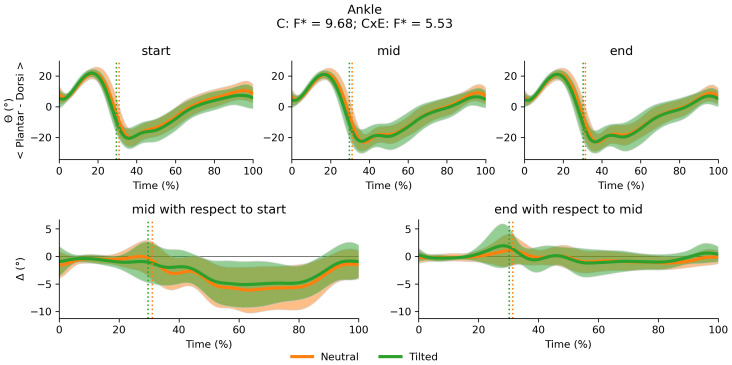 Figure 9
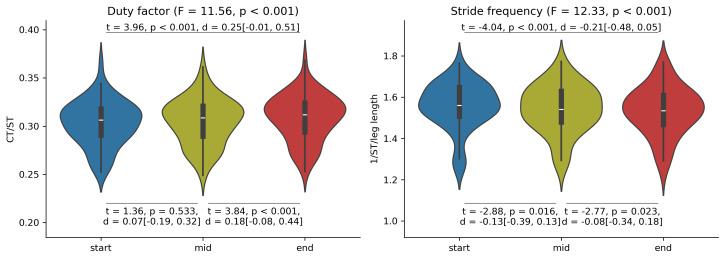 Figure 10
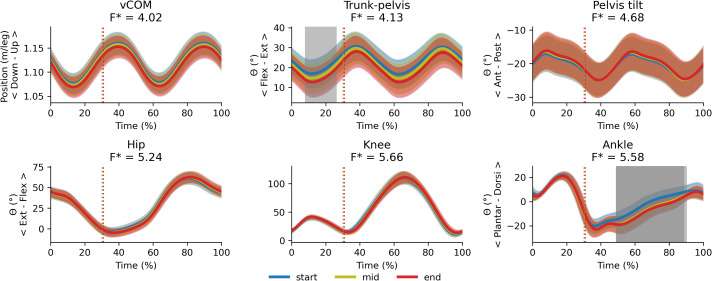 Figure 11
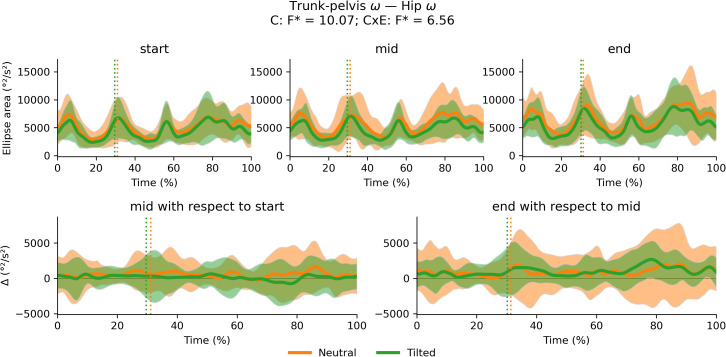 Figure 12
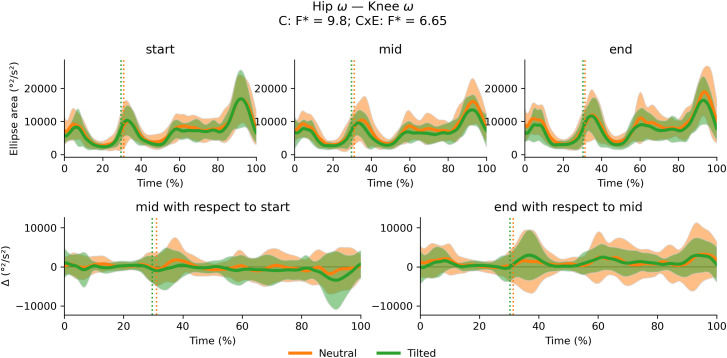 Figure 13
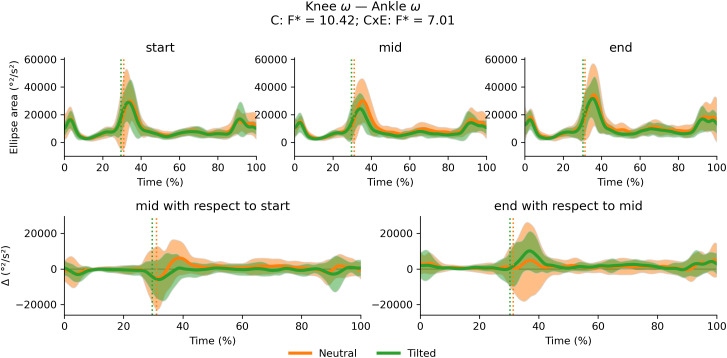 Figure 14
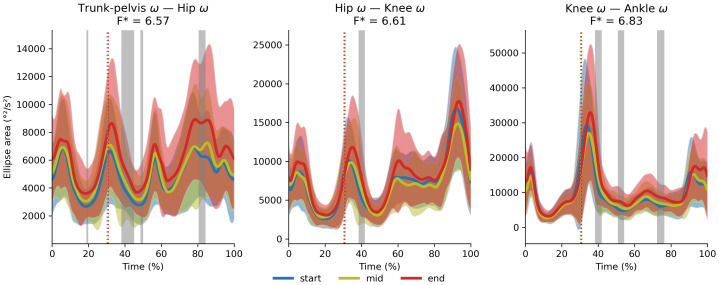 Figure 15
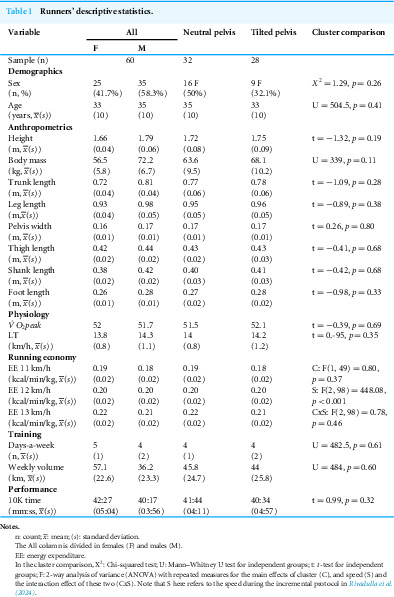 Figure 16
 Figure 17
 Figure 18
 Figure 19
 Figure 20
 Figure 21
 Figure 22
 Figure 23
 Figure 24
 Figure 25
 Figure 26
 Figure 27
 Figure 28
 Figure 29
 Figure 30
 Figure 31
 Figure 32
 Figure 33
 Figure 34
 Figure 35
 Figure 36
 Figure 37
 Figure 38
 Figure 39
 Figure 40
 Figure 41
 Figure 42
Peer Reviews
No public reviews on file for this paper yet. If you reviewed it on a platform where reviews are public (OpenReview, ICLR, NeurIPS, ICML), you can paste yours below so the community can read it here.
Videos
No videos yet. Explain this paper in a talk, walkthrough, or lecture? Add one.
Taxonomy
TopicsLower Extremity Biomechanics and Pathologies · Sports Performance and Training · Osteoarthritis Treatment and Mechanisms