Effects of different cultivation methods on the rhizosphere microbial community and secondary metabolites of Houttuynia cordata Thunb
Fangmei Song, Die Fu, Anping Wang, Zhannan Yang, Tianhua Yu

TL;DR
This study explores how different cultivation methods affect the soil microbes and chemical content of Houttuynia cordata, a medicinal plant.
Contribution
The study identifies specific environmental factors and microbial taxa that influence the accumulation of secondary metabolites in Houttuynia cordata.
Findings
Soil pH, urease, total potassium, and total nitrogen significantly correlate with the accumulation of phenolic compounds in Houttuynia cordata.
Indoor cultivation enhances soil fertility and health, making it a sustainable cultivation method for Houttuynia cordata.
Environmental factors influence microbial taxa such as Saitozyma, Lysobacter, Gemmata, and Penicillium in the rhizosphere.
Abstract
This study aimed to investigate the effects of three distinct cultivation methods on the plant-soil system of Houttuynia cordata Thunb. specifically focusing on how they shape the rhizosphere microbial community and influence the accumulation of it is phenolic compounds. This study employed high-throughput sequencing of bacterial 16S rDNA and fungal ITS rDNA to assess the impact of three cultivation methods including in situ cultivation (ISC), indoor cultivation (IC), and tissue culture (TC) on the diversity and community structure of H. cordata rhizosphere soil microbes. Additionally, we explored the environmental drivers of phenotypic variations in secondary metabolite composition. Soil pH, urease (URA), total potassium (TK), and total nitrogen (TN) were significantly correlated with the accumulation of quercitrin, kaempferol-3-O-glucorhamnoside, isoquercitrin, and chlorogenic acid in…
Genes, proteins, chemicals, diseases, species, mutations and cell lines named across the full text — each resolved to its canonical identifier and authoritative record.
Click any figure to enlarge with its caption.
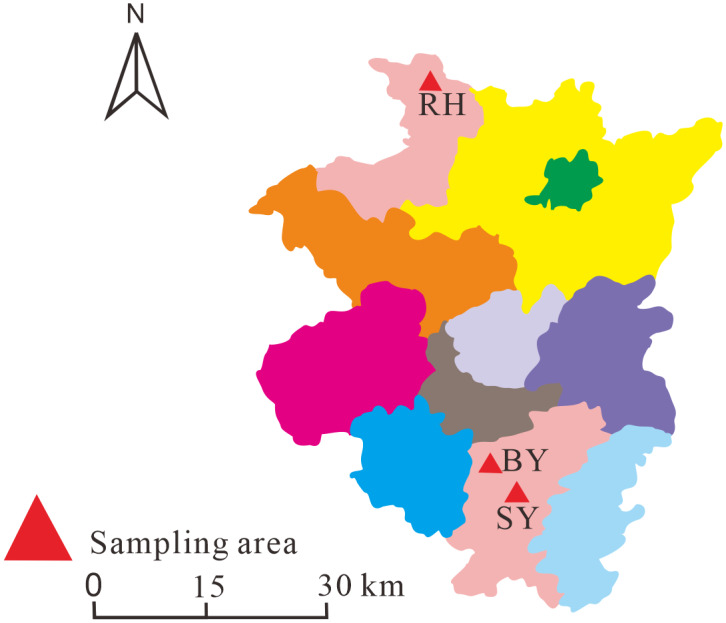 Figure 1
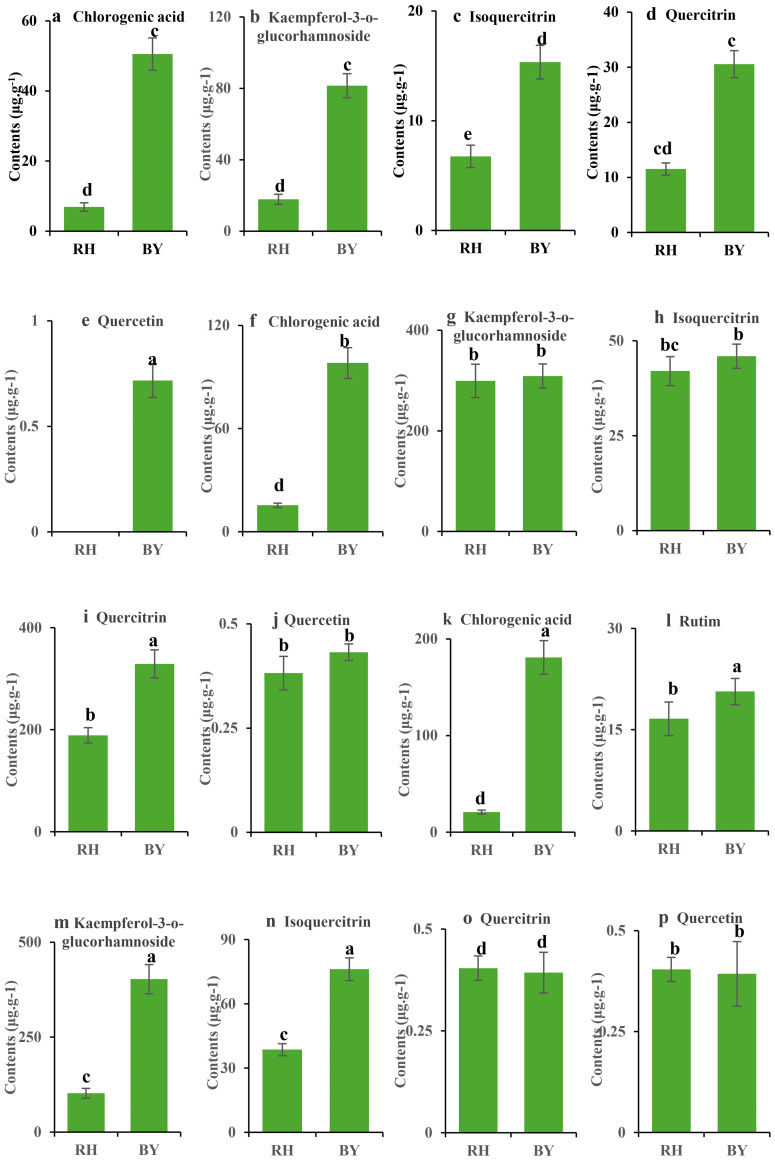 Figure 2
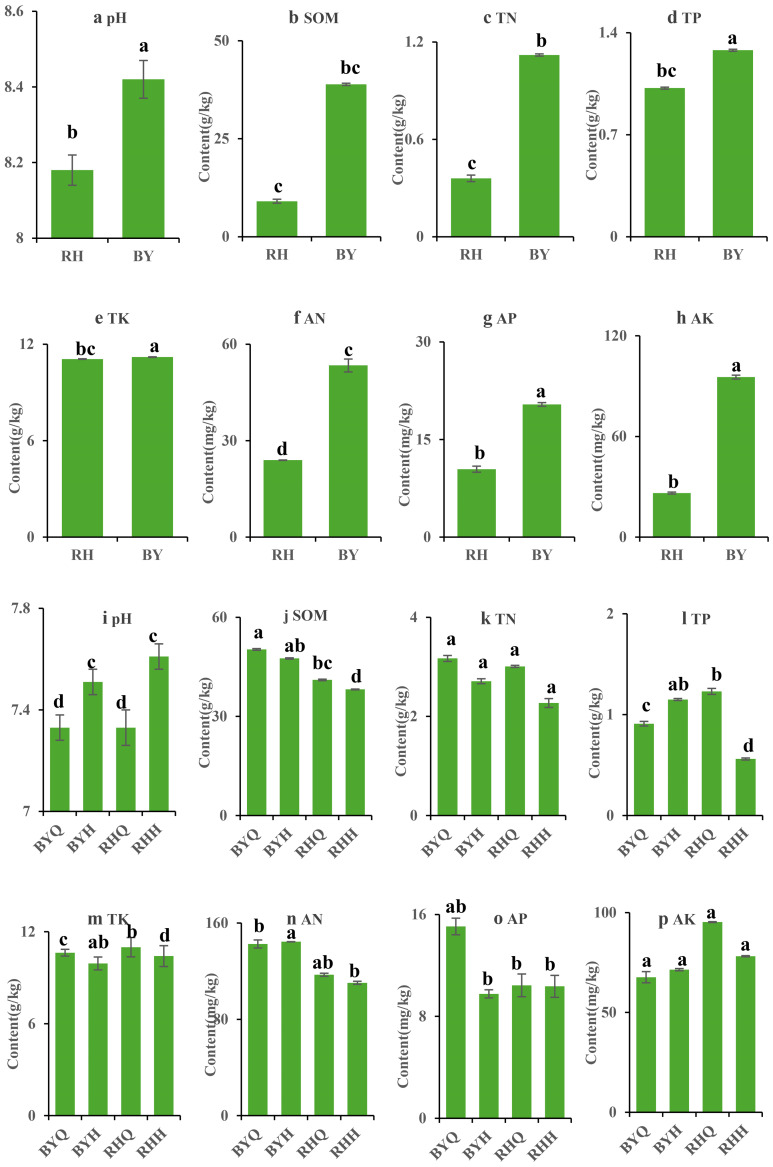 Figure 3
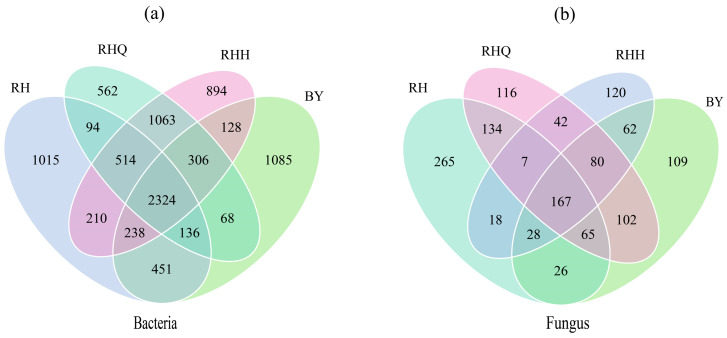 Figure 4
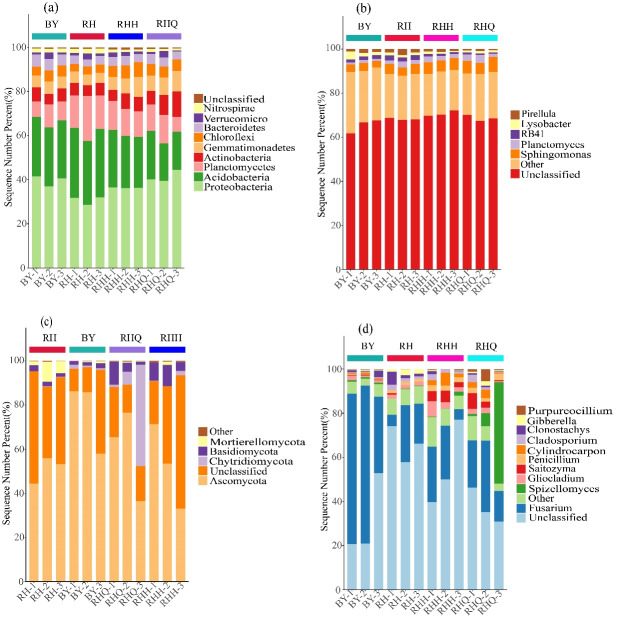 Figure 5
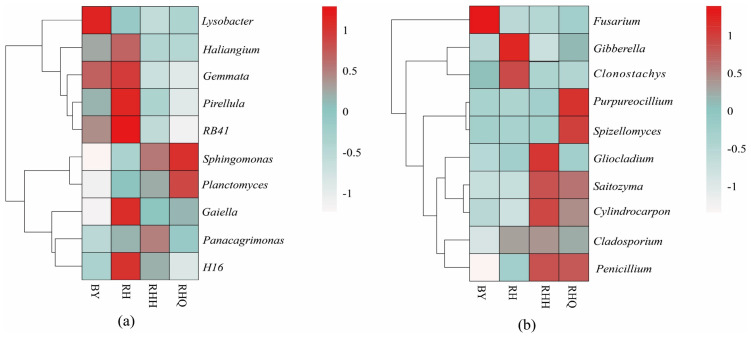 Figure 6
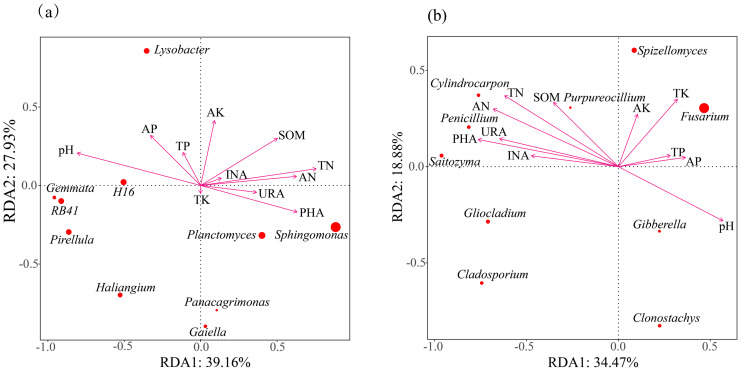 Figure 7
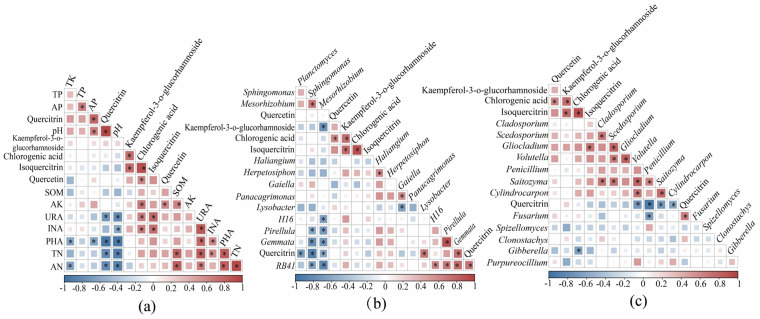 Figure 8
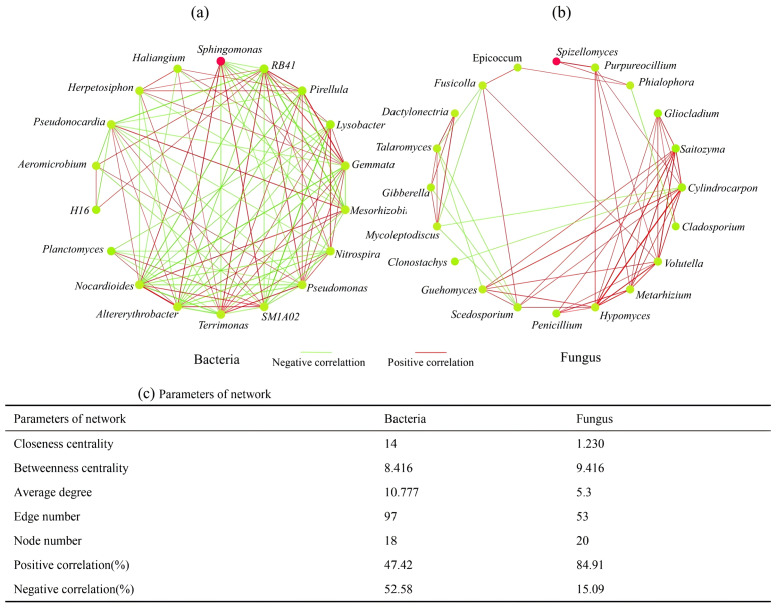 Figure 9
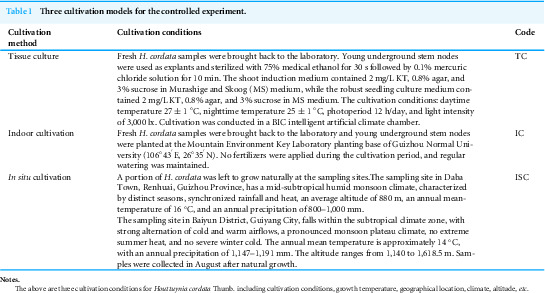 Figure 10
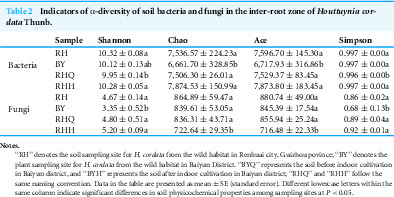 Figure 11
Peer Reviews
No public reviews on file for this paper yet. If you reviewed it on a platform where reviews are public (OpenReview, ICLR, NeurIPS, ICML), you can paste yours below so the community can read it here.
Videos
No videos yet. Explain this paper in a talk, walkthrough, or lecture? Add one.
Taxonomy
TopicsNephrotoxicity and Medicinal Plants · Plant-Microbe Interactions and Immunity · Allelopathy and phytotoxic interactions