Cerebral Embolic Protection During Transcatheter Aortic Valve Replacement: A Systematic Review of Effects on Diffusion-Weighted MRI Lesions, Clinical Stroke, and Early Cognition
Fahad R Khan, Abid Ullah, Fazal Akbar, Kamran Aslam, Syed Alishan, Imran Ali

TL;DR
This paper reviews whether devices used during heart valve replacement can reduce brain injuries and strokes, finding mixed results with some benefits in brain imaging but no clear improvement in preventing strokes.
Contribution
The study provides a systematic review of cerebral embolic protection devices during TAVR, highlighting their impact on brain lesions and cognitive outcomes with a focus on evidence certainty.
Findings
CEPD use is associated with fewer and smaller new DW-MRI lesions, especially with complete vessel coverage.
Disabling stroke rates may be reduced with CEPD, but overall stroke rates remain unchanged.
Cognitive outcomes are inconsistently assessed, with no clear benefit from CEPD use.
Abstract
Cerebral embolic protection devices (CEPDs) are used during transcatheter aortic valve replacement (TAVR) to intercept or deflect embolic material generated during the procedure, with the goal of reducing neurologic injury. We systematically compared CEPD to no CEPD for periprocedural clinical stroke (≤72 hours or at discharge; disabling stroke when reported), diffusion-weighted magnetic resonance imaging (DW-MRI) surrogate lesions, and early cognitive change. We prioritized the ≤72-hour/at-discharge window because CEPDs act during the index procedure, and this time frame aligns with commonly used periprocedural stroke definitions, whereas later events may reflect additional post-discharge factors and were inconsistently reported across studies. PubMed and ScienceDirect were searched from inception; randomized trials and comparative cohort studies were eligible. The risk of bias was…
Genes, proteins, chemicals, diseases, species, mutations and cell lines named across the full text — each resolved to its canonical identifier and authoritative record.
Click any figure to enlarge with its caption.
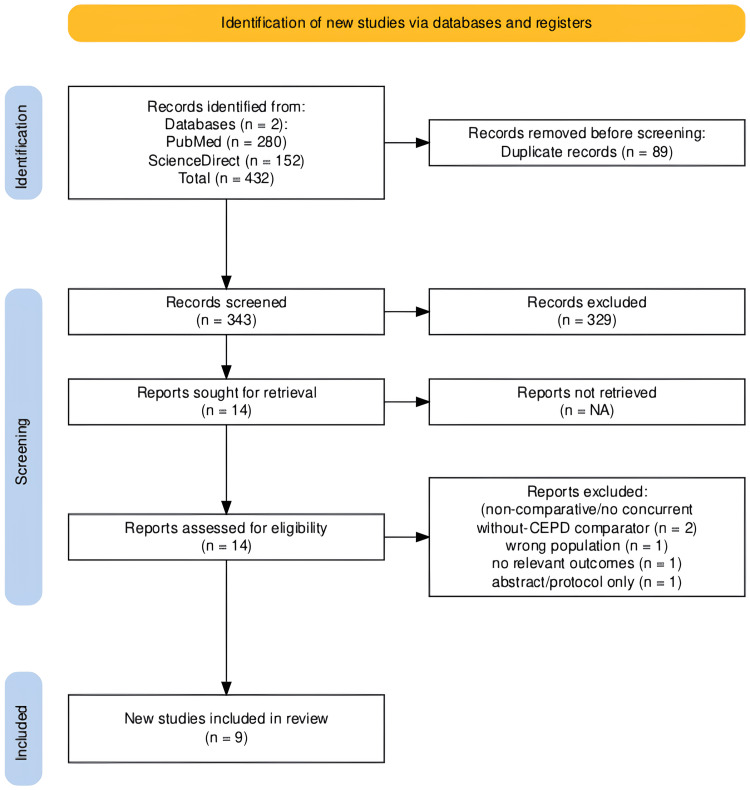 Figure 1
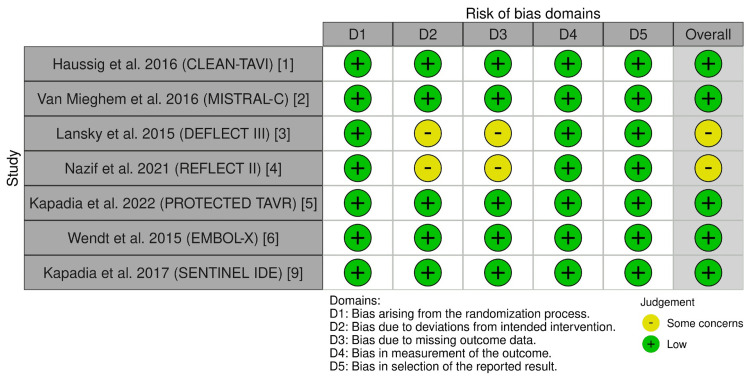 Figure 2
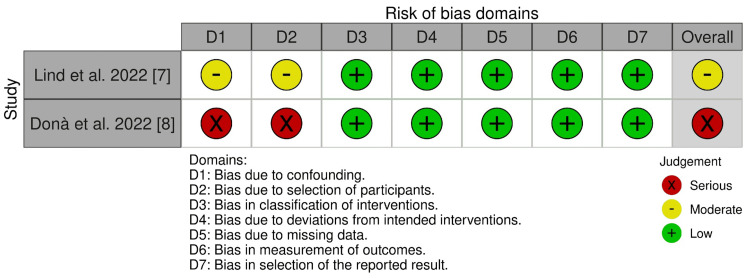 Figure 3
Peer Reviews
No public reviews on file for this paper yet. If you reviewed it on a platform where reviews are public (OpenReview, ICLR, NeurIPS, ICML), you can paste yours below so the community can read it here.
Videos
No videos yet. Explain this paper in a talk, walkthrough, or lecture? Add one.
Taxonomy
TopicsCardiac Valve Diseases and Treatments · Aortic Disease and Treatment Approaches · Coronary Interventions and Diagnostics