Exploring the Natural Products Atlas (NPAtlas) Database for Hunting Prospective Irreversible Covalent DprE1 Inhibitors With Antitubercular Activity: An Integrated In-Silico Approach
Mahmoud A. A. Ibrahim, Doaa G. M. Mahmoud, Sherif S. Ebada, Peter A. Sidhom, Gamal A. H. Mekhemer, Mohamed-Elamir F. Hegazy, Yanshuo Han, Tarad Abalkhail

TL;DR
This study uses a database of natural products to find potential new drugs that could treat drug-resistant tuberculosis by targeting a key bacterial protein.
Contribution
The study introduces an in-silico approach to identify natural product candidates as irreversible covalent DprE1 inhibitors for antitubercular therapy.
Findings
Six natural products from NPAtlas showed stronger binding affinities to DprE1 than the reference compound PBTZ169.
The identified compounds demonstrated structural and energetic stability in the DprE1 active site during molecular dynamics simulations.
The compounds have favorable physicochemical and ADMET properties, suggesting potential oral bioavailability and low toxicity.
Abstract
As the second most deadly infectious disease worldwide after COVID‐19, tuberculosis (TB) remains a pressing global health issue, further aggravated by multidrug‐resistant TB (MDR‐TB) and extensively drug‐resistant TB (XDR‐TB) strains. There is an urgent need to identify new anti‐TB treatments and novel therapeutics to confront drug resistance. The decaprenylphosphoryl‐D‐ribose oxidase (DprE1) is an essential protein for the biosynthesis of the mycobacterial cell wall, and its inhibition features a promising antitubercular strategy. NPAtlas was utilized as a reference database, comprising natural products with confirmed biological effects. The aim of the current study is to identify and prioritize promising nitro‐containing natural products from the NPAtlas as potential covalent DprE1 inhibitors using advanced in silico approaches. Herein, the docking scores of 133 nitro‐containing…
Genes, proteins, chemicals, diseases, species, mutations and cell lines named across the full text — each resolved to its canonical identifier and authoritative record.
Click any figure to enlarge with its caption.
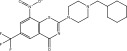 Figure 1
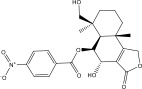 Figure 2
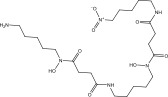 Figure 3
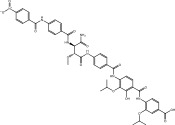 Figure 4
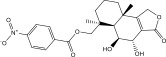 Figure 5
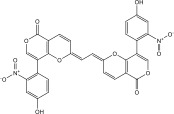 Figure 6
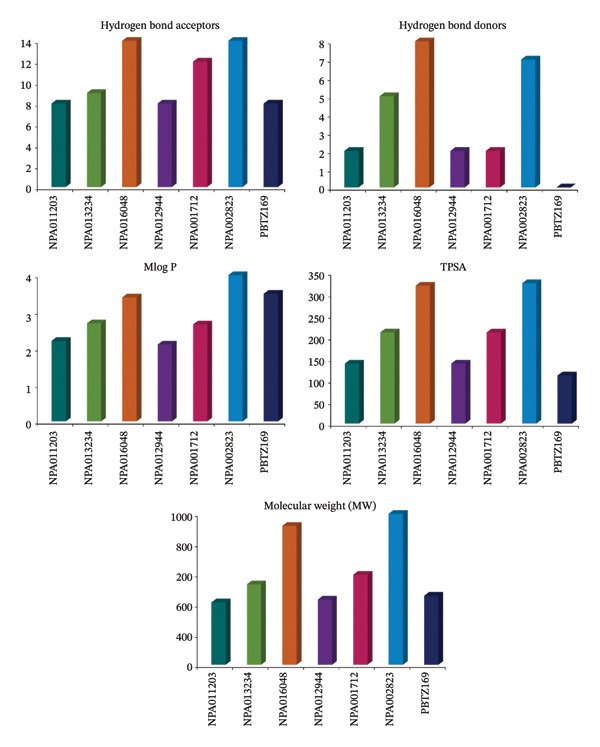 Figure 7
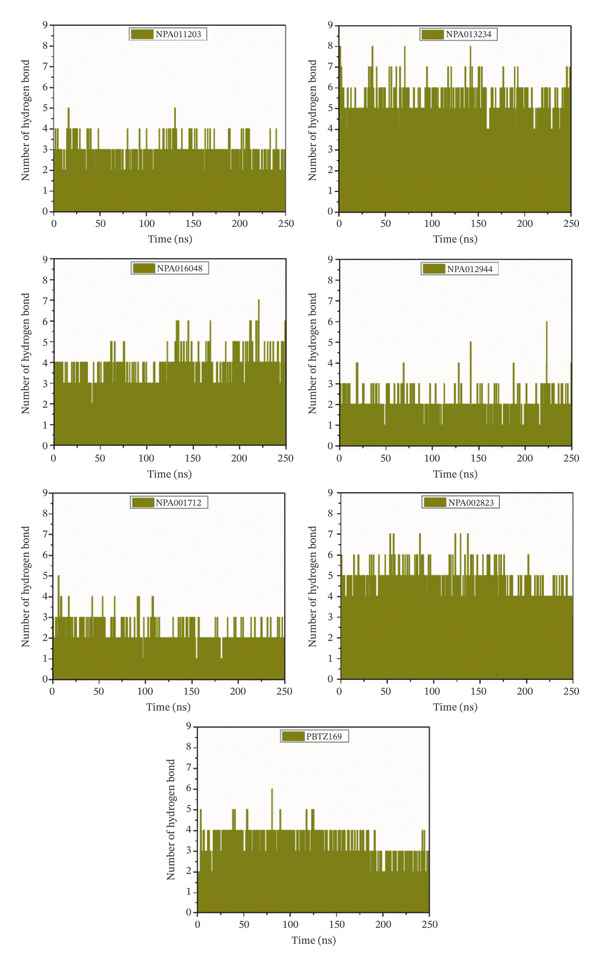 Figure 8
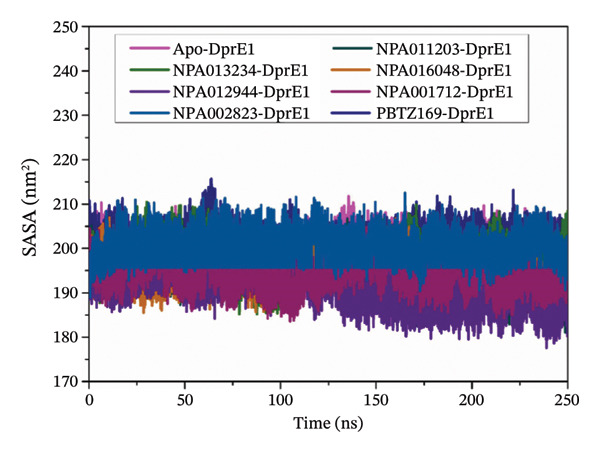 Figure 9
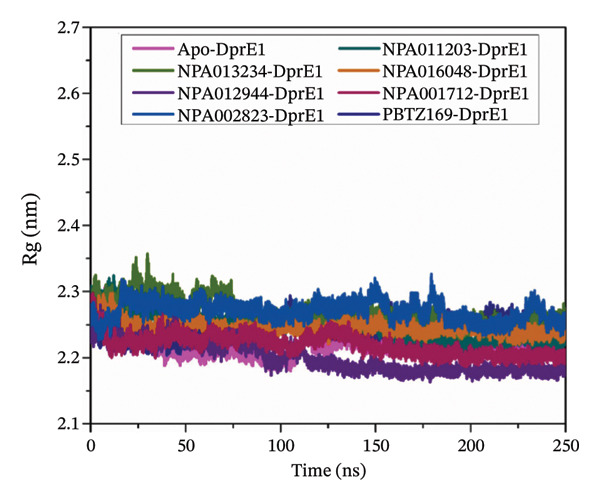 Figure 10
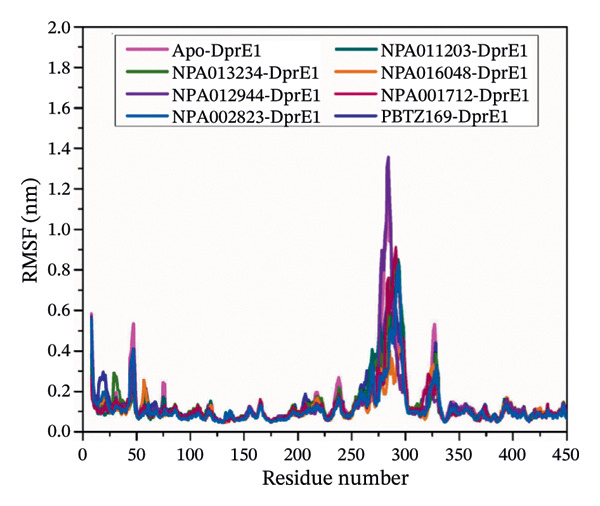 Figure 11
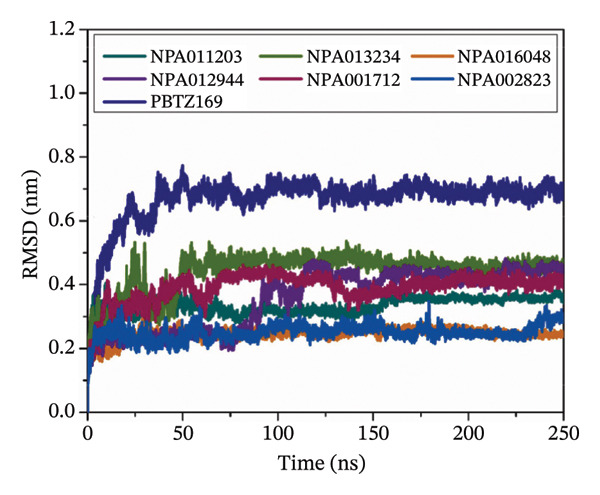 Figure 12
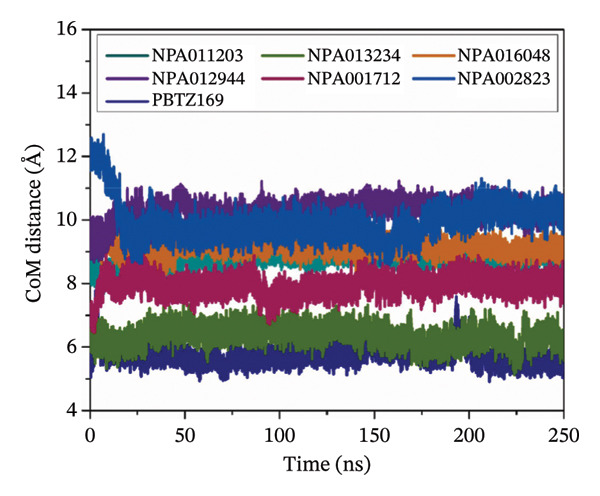 Figure 13
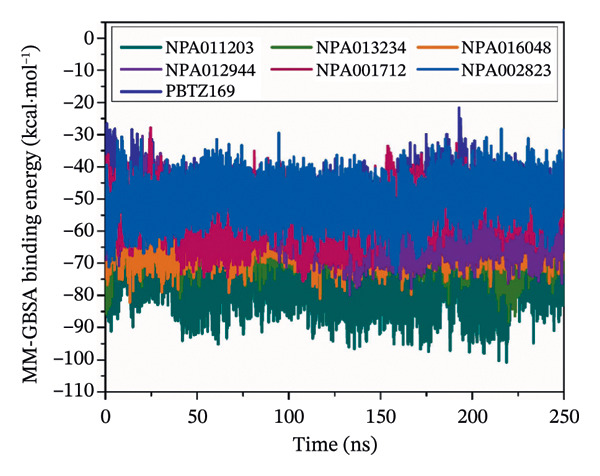 Figure 14
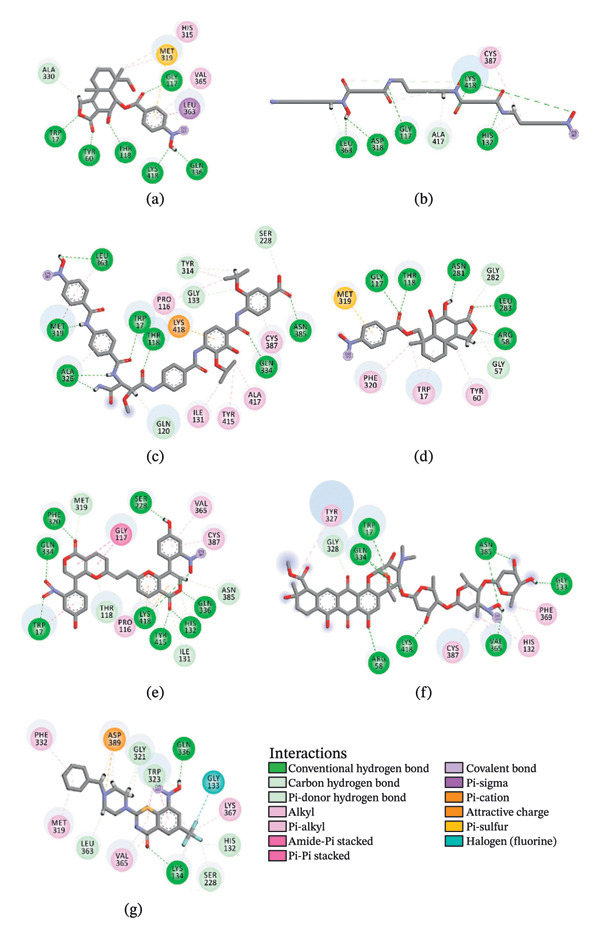 Figure 15
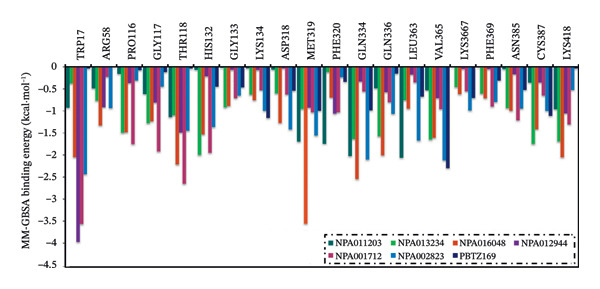 Figure 16
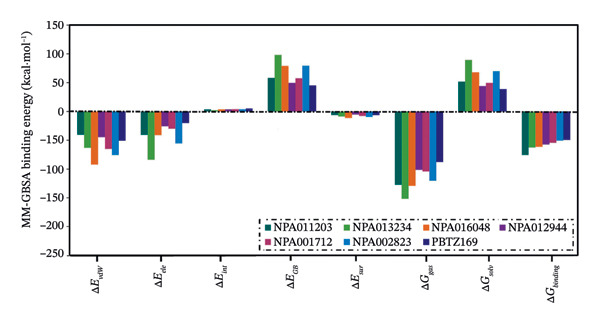 Figure 17
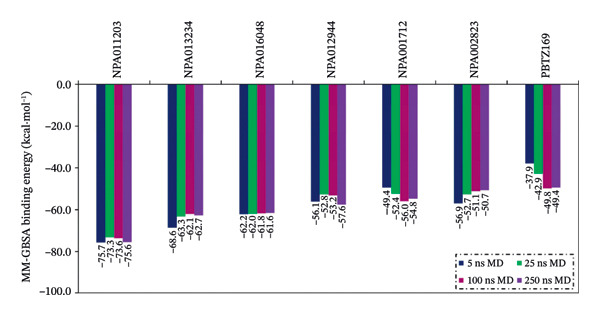 Figure 18
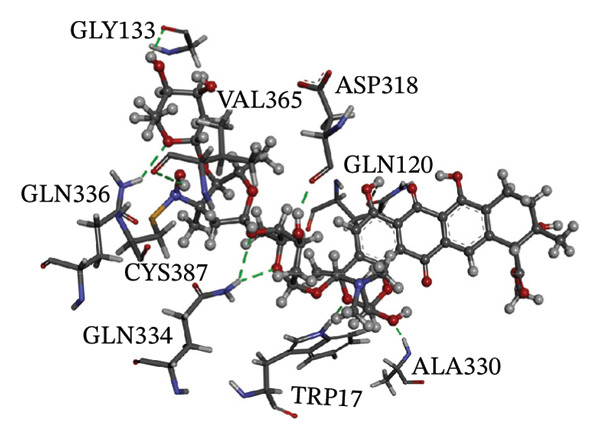 Figure 19
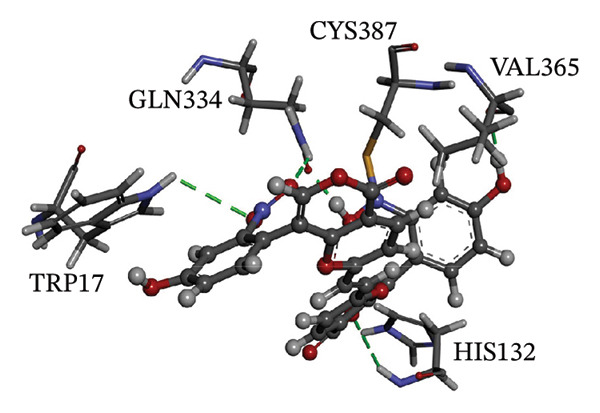 Figure 20
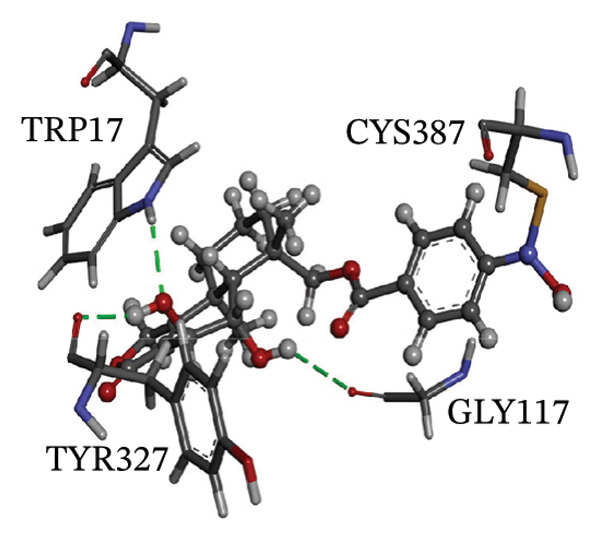 Figure 21
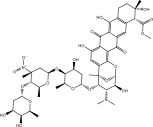 Figure 22
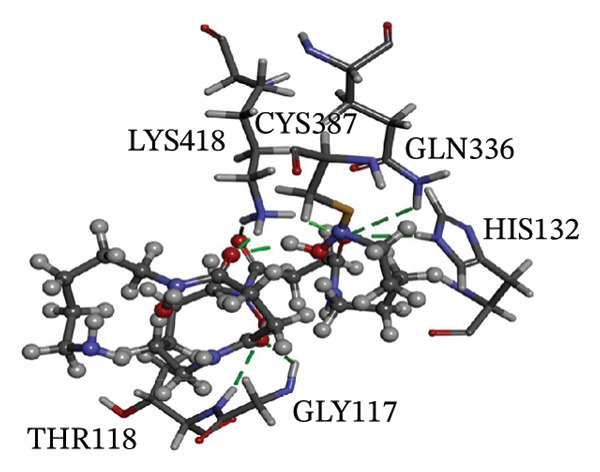 Figure 23
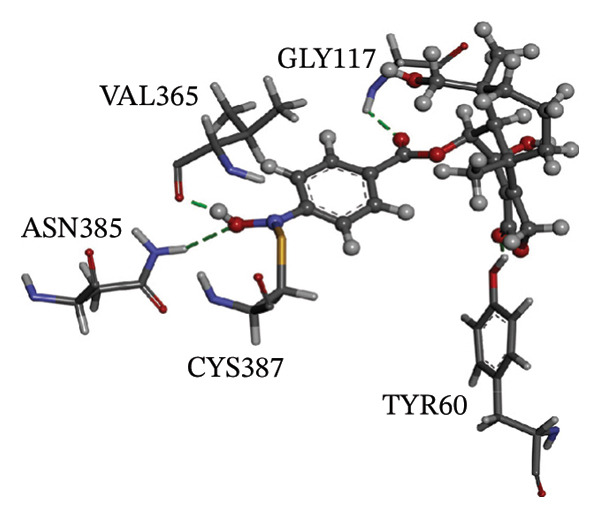 Figure 24
 Figure 25
 Figure 26
Peer Reviews
No public reviews on file for this paper yet. If you reviewed it on a platform where reviews are public (OpenReview, ICLR, NeurIPS, ICML), you can paste yours below so the community can read it here.
Videos
No videos yet. Explain this paper in a talk, walkthrough, or lecture? Add one.
Taxonomy
TopicsComputational Drug Discovery Methods · Click Chemistry and Applications · Microbial Natural Products and Biosynthesis