Intestinal distension in patients with Crohn’s disease studied by CT and MRI: techniques and review of the literature
Laura Maria Minordi, Luigi Larosa, Antonio Bevere, Laura Tuzza, Maria Gabriella Brizi, Riccardo Manfredi, Luigi Natale

TL;DR
This paper reviews techniques for intestinal distension in Crohn’s disease using CT and MRI to improve diagnostic accuracy.
Contribution
The paper provides a detailed review of methods for achieving optimal bowel distension in imaging studies of Crohn’s disease.
Findings
MR-enteroclysis and CT-enteroclysis provide better small bowel distension than oral contrast administration.
Not all small bowel loops are equally distended with oral contrast, with the ileum typically better distended than the jejunum.
Hydro-MRI with water enema can improve colon-rectum distension for more accurate imaging.
Abstract
MRI and CT are routinely performed in patients with Crohn’s disease and allow a panoramic view of the abdominal region, permitting to identify intestinal disease, extraintestinal manifestations, and vascular alteration surrounding the bowel wall. Considering that most errors are related to an insufficient distension of the bowel, the requisite for an adequate MRI or CT study of the intestine is the correct bowel distension in order to have the visualization of the entire bowel. For these reasons, CT and MRI are performed after administration of a contrast medium by mouth (MR-enterography; CT-enterography) or by nasojenunal tube (MR-enteroclysis; CT-enteroclysis). The method of administration of the contrast medium affects the degree of distension of the intestinal loops. In particular, not all small bowel loops are equally distended after administration of the contrast agents by mouth,…
Genes, proteins, chemicals, diseases, species, mutations and cell lines named across the full text — each resolved to its canonical identifier and authoritative record.
Click any figure to enlarge with its caption.
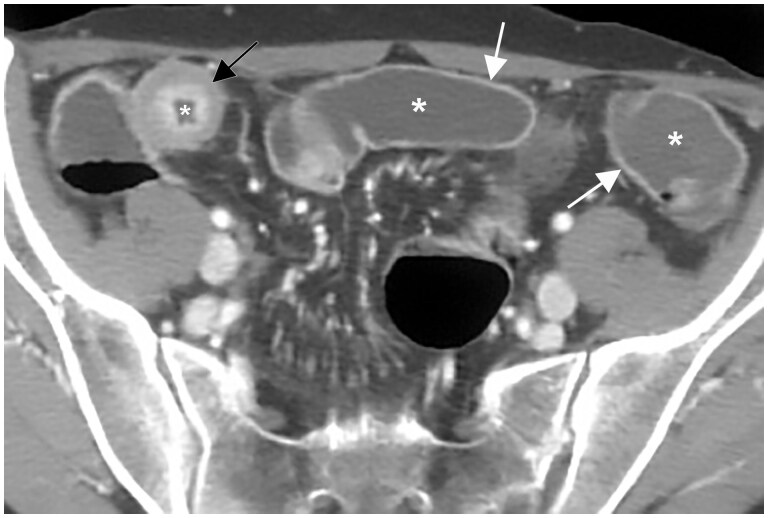 Figure 1
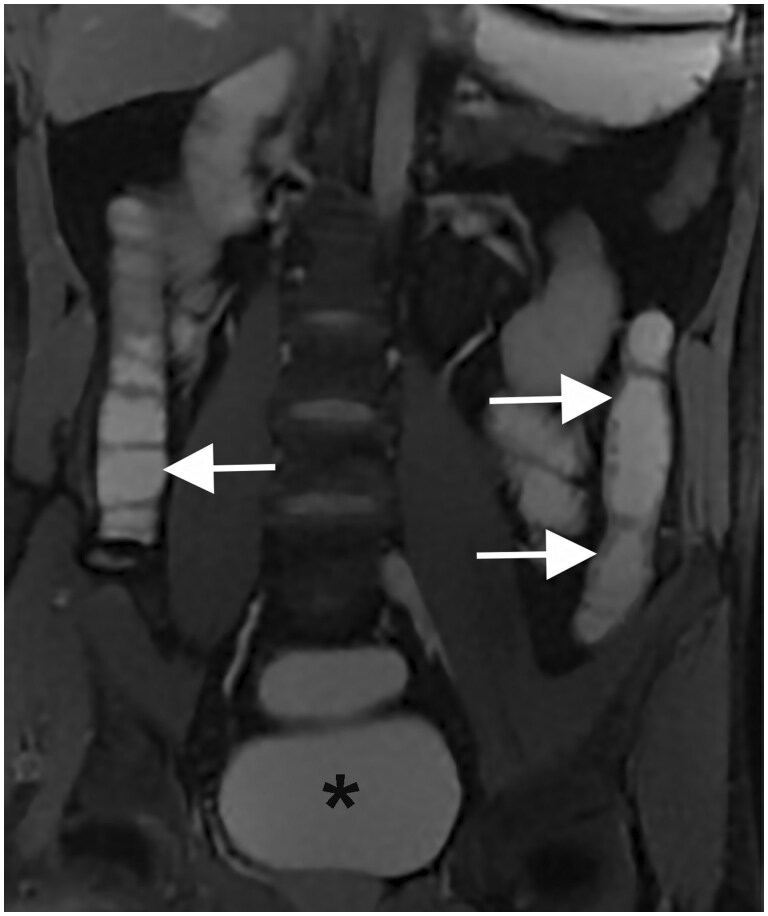 Figure 2
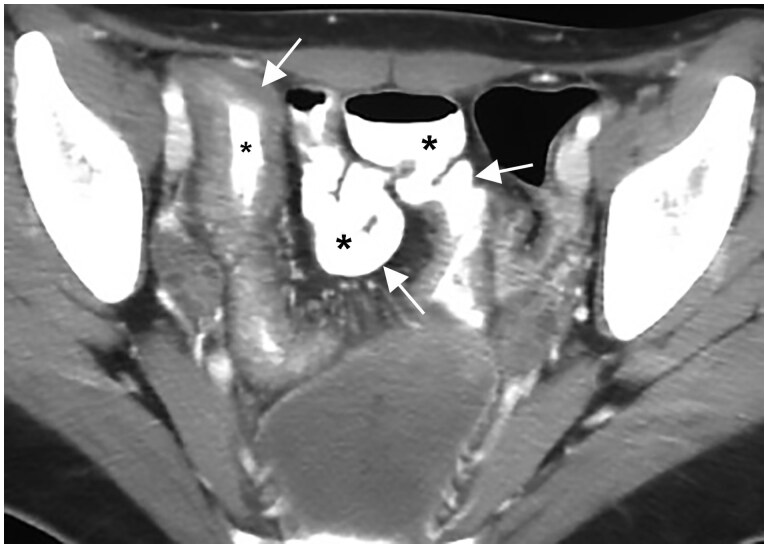 Figure 3
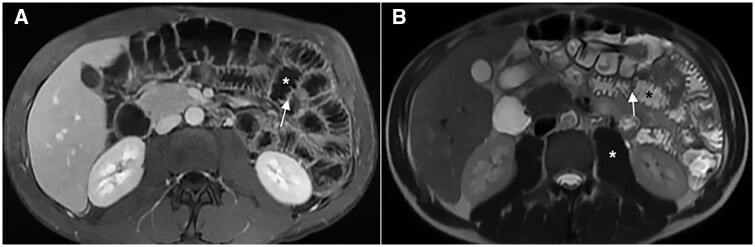 Figure 4
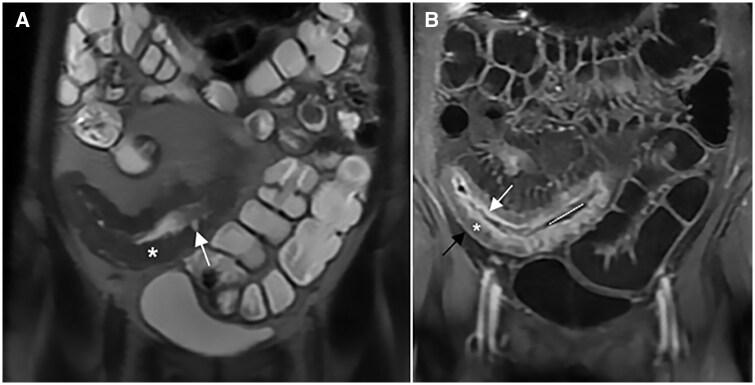 Figure 5
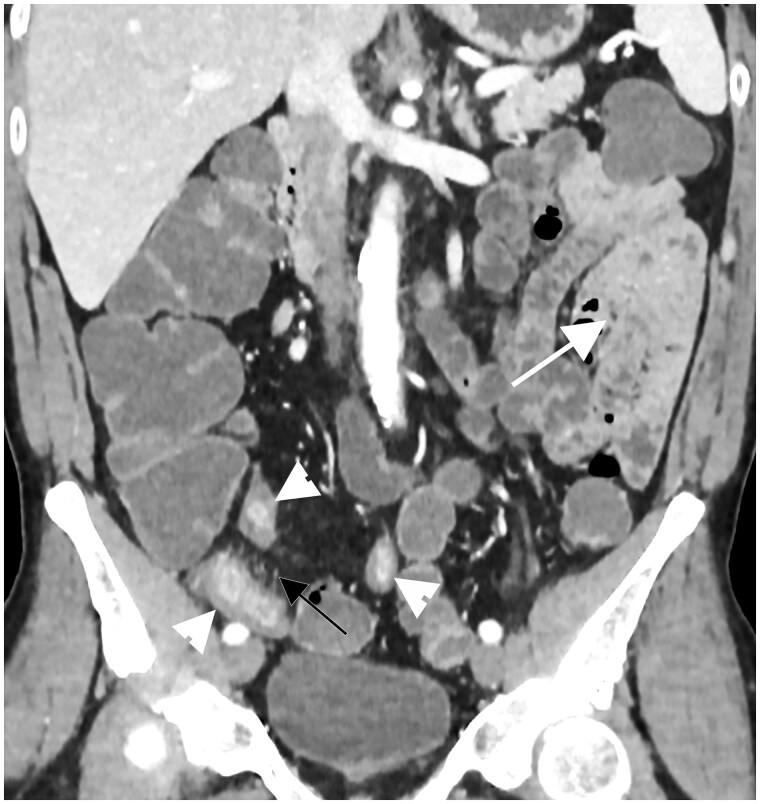 Figure 6
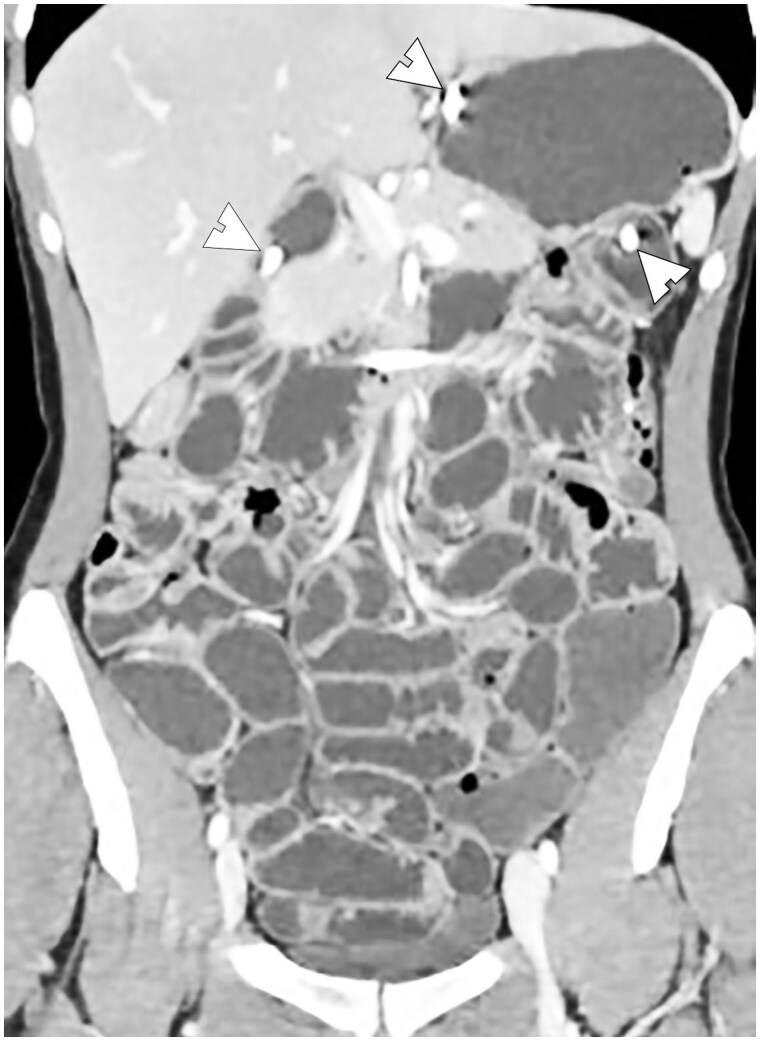 Figure 7
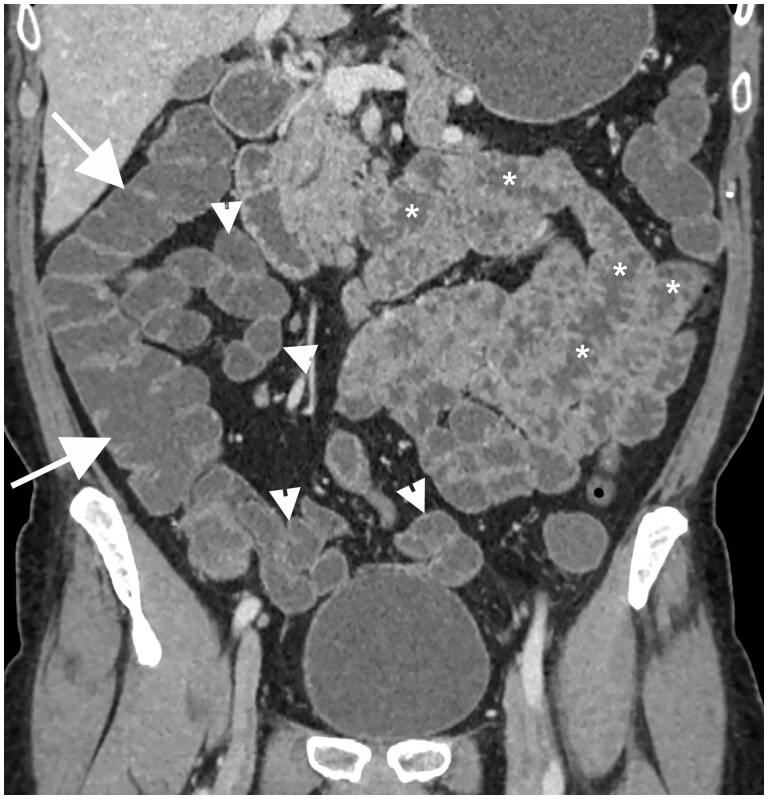 Figure 8
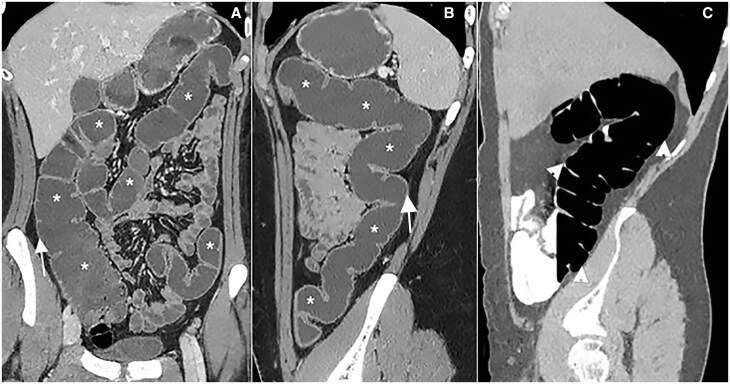 Figure 9
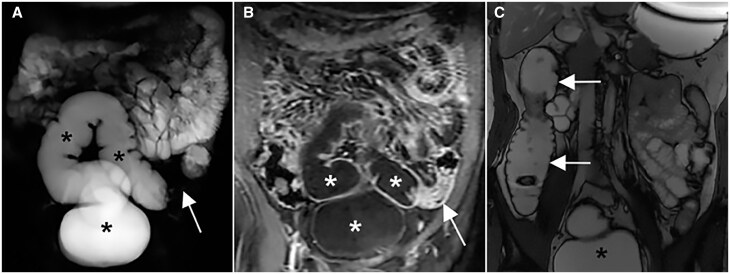 Figure 10
Peer Reviews
No public reviews on file for this paper yet. If you reviewed it on a platform where reviews are public (OpenReview, ICLR, NeurIPS, ICML), you can paste yours below so the community can read it here.
Videos
No videos yet. Explain this paper in a talk, walkthrough, or lecture? Add one.
Taxonomy
TopicsInflammatory Bowel Disease · Appendicitis Diagnosis and Management · Diverticular Disease and Complications