Genetic diagnosis of macrotia in PIK3CA-Related Overgrowth Spectrum (PROS) and long-term outcome of otoplasty: a case report and literature review
Lili Chen, Xuerui Hu, Jingwen Li, Chenlong Li, Jing Ma, Aijuan He, Yaoyao Fu, Tianyu Zhang

TL;DR
A rare case of macrotia caused by PIK3CA-Related Overgrowth Spectrum (PROS) was diagnosed using genetic testing and successfully treated with surgery, showing long-term improvement.
Contribution
Demonstrates the effectiveness of WES for diagnosing atypical PROS/FIL cases and confirms the long-term success of reductive otoplasty in adulthood.
Findings
Whole exome sequencing identified a PIK3CA pathogenic variant in a patient with FIL-associated macrotia.
Reductive otoplasty in adulthood resulted in stable and durable aesthetic outcomes with no recurrence after one year.
Successful surgical intervention significantly reduced patient anxiety and improved quality of life.
Abstract
•WES provides essential molecular confirmation for atypical PROS/FIL phenotypes such as macrotia.•Delayed reductive otoplasty in adulthood yields durable and stable aesthetic outcomes in FIL-associated macrotia.•Successful surgical management relieves patient anxiety and highlights the value of personalized treatment. WES provides essential molecular confirmation for atypical PROS/FIL phenotypes such as macrotia. Delayed reductive otoplasty in adulthood yields durable and stable aesthetic outcomes in FIL-associated macrotia. Successful surgical management relieves patient anxiety and highlights the value of personalized treatment. PIK3CA-Related Overgrowth Spectrum (PROS) is a highly heterogeneous disease. Facial Infiltrating Lipomatosis (FIL) is a rare PROS subset, and its atypical phenotypes, such as macrotia, present diagnostic and therapeutic challenges due to limited data. This…
Genes, proteins, chemicals, diseases, species, mutations and cell lines named across the full text — each resolved to its canonical identifier and authoritative record.
Click any figure to enlarge with its caption.
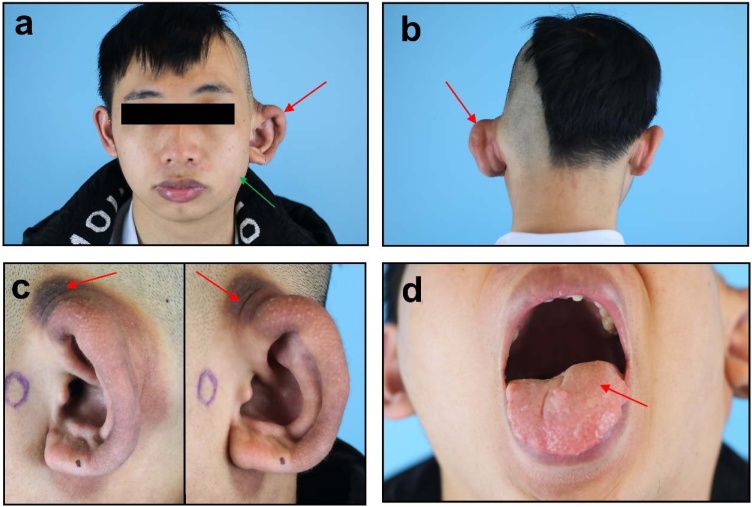 Figure 1
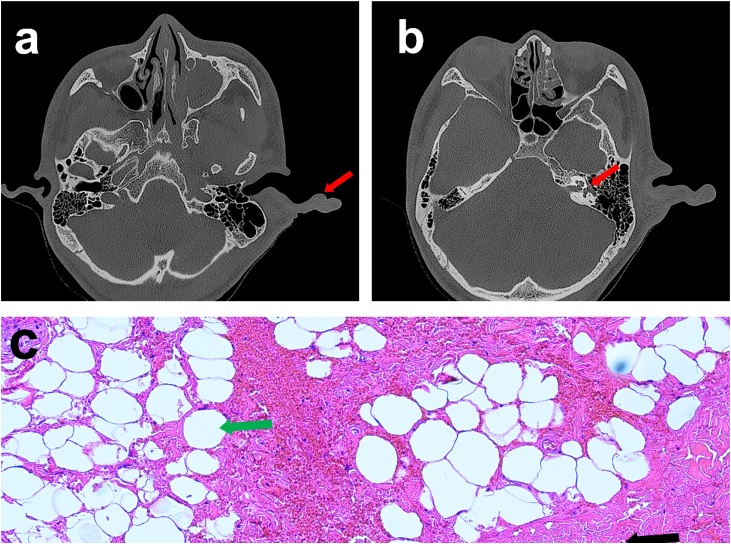 Figure 2
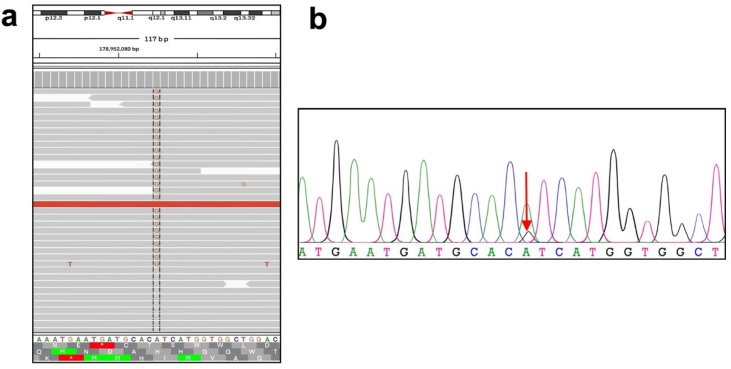 Figure 3
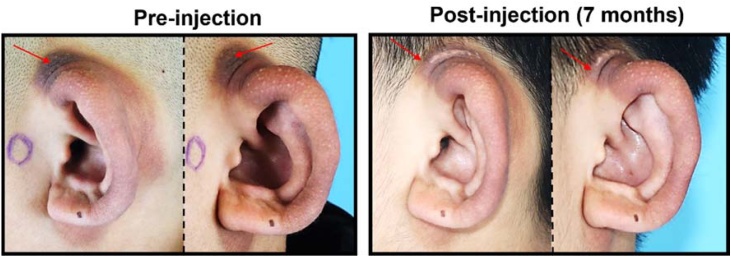 Figure 4
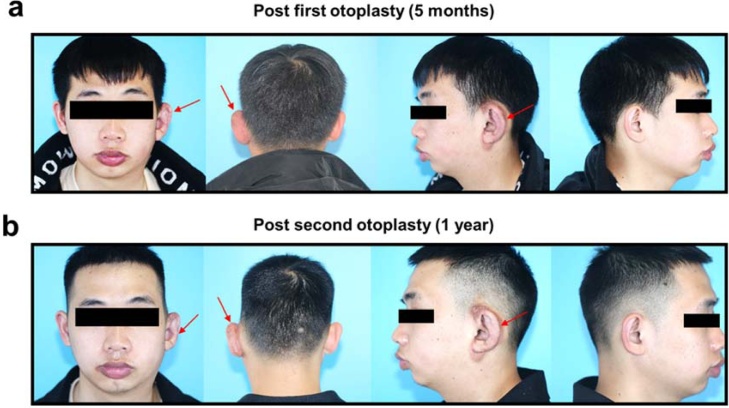 Figure 5
Peer Reviews
No public reviews on file for this paper yet. If you reviewed it on a platform where reviews are public (OpenReview, ICLR, NeurIPS, ICML), you can paste yours below so the community can read it here.
Videos
No videos yet. Explain this paper in a talk, walkthrough, or lecture? Add one.
Taxonomy
TopicsGenetic Syndromes and Imprinting · Congenital Ear and Nasal Anomalies · Ocular Disorders and Treatments