Loss of ATM causes R-loop–associated transcriptional dysregulation and attenuates the related response to DNA damage
Katherine R. Westover, Yingzi Hou, Feng Wang, Yilin Wang, Yangping Li, Rachel Seong, Jie Xu, Zhexing Wen, Bing Yao

TL;DR
This study explores how loss of the ATM gene in neurons leads to R-loop accumulation and impaired DNA damage response, contributing to a neurodegenerative disorder.
Contribution
The study reveals a novel mechanistic link between ATM, R-loop regulation, and transcriptional dysregulation in DNA damage response.
Findings
AT-derived NPCs show elevated spontaneous R-loop levels and a strong correlation with gene expression.
Loss of ATM impairs R-loop and transcriptional response to DNA damage despite normal cell cycle arrest.
R-loop formation is essential for proper DDR in key genes, highlighting a causal role in DNA damage response.
Abstract
An early childhood onset neurodegenerative disorder, ataxia telangiectasia (AT), affects one in 40,000 to 100,000 individuals worldwide and is caused by mutations in the ataxia telangiectasia mutated (ATM) threonine–serine kinase, which regulates the DNA damage response (DDR). While the cause of AT has been known for years, the exact molecular mechanisms underlying disease progression, particularly at the transcriptomic level, remain poorly understood. Three stranded structures, known as R-loops, have recently emerged as important players in the DDR via regulating key gene expression. Here, we utilized neuronal progenitor cells (NPCs) derived from induced pluripotent stem cells reprogrammed from patient-derived somatic cells to identify how loss of ATM impacts R-loop and transcriptional dynamics, both at baseline and in response to acute DNA damage. AT-derived NPCs (AT-NPCs) exhibited…
Genes, proteins, chemicals, diseases, species, mutations and cell lines named across the full text — each resolved to its canonical identifier and authoritative record.
Click any figure to enlarge with its caption.
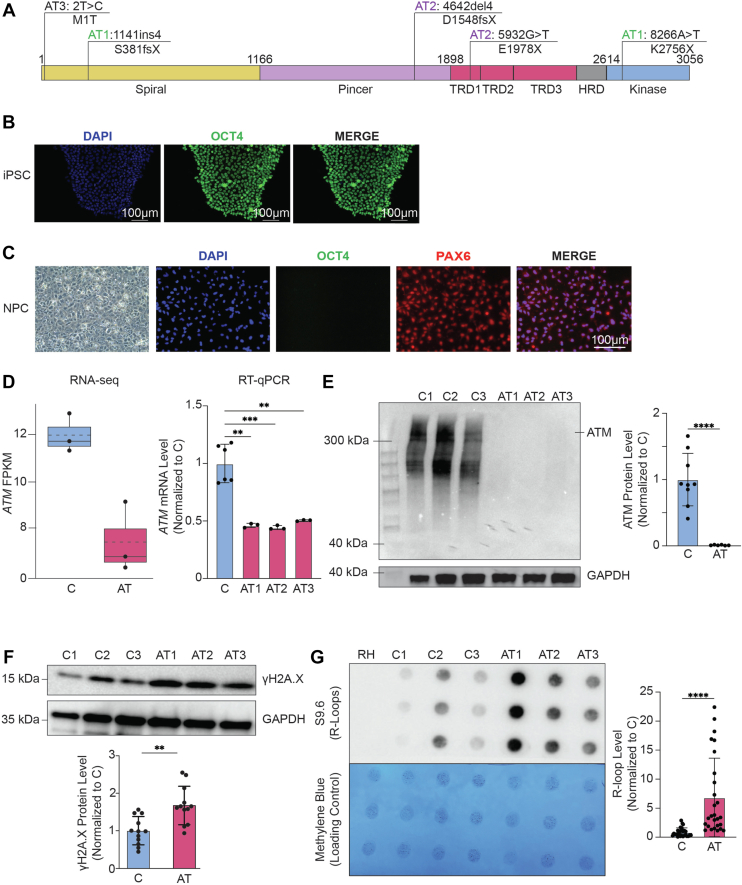 Figure 1
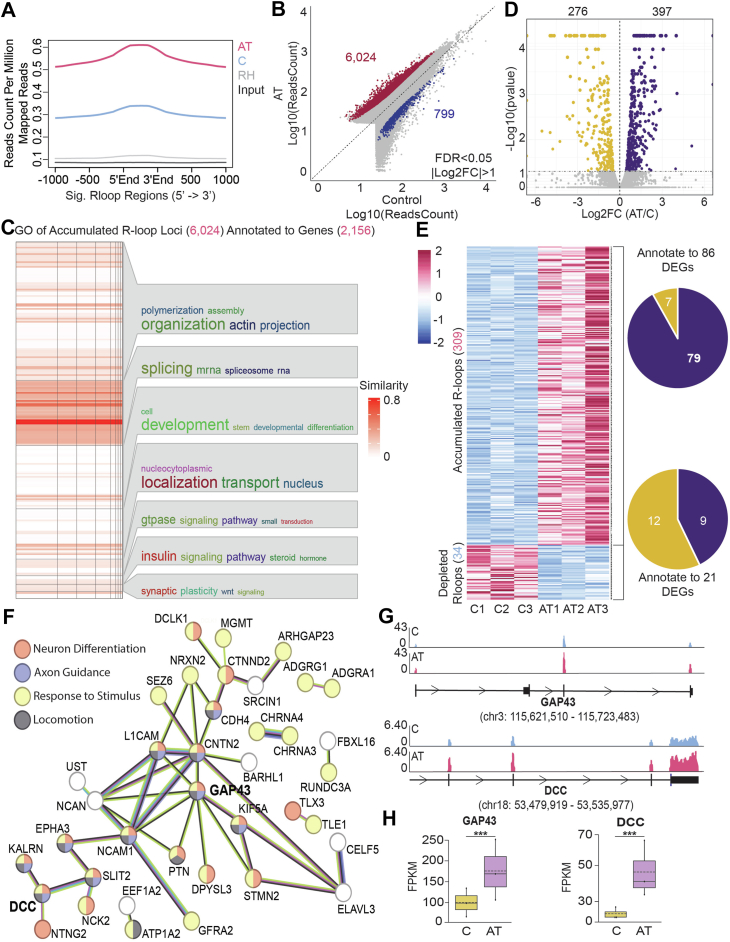 Figure 2
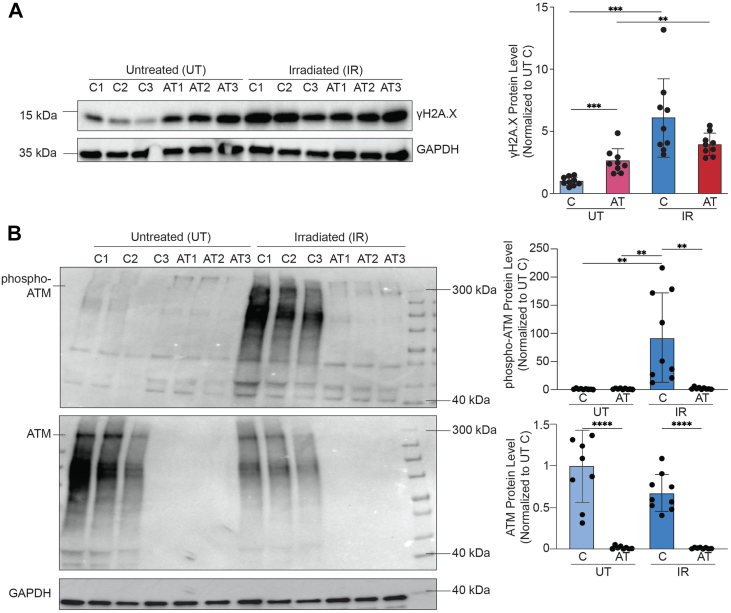 Figure 3
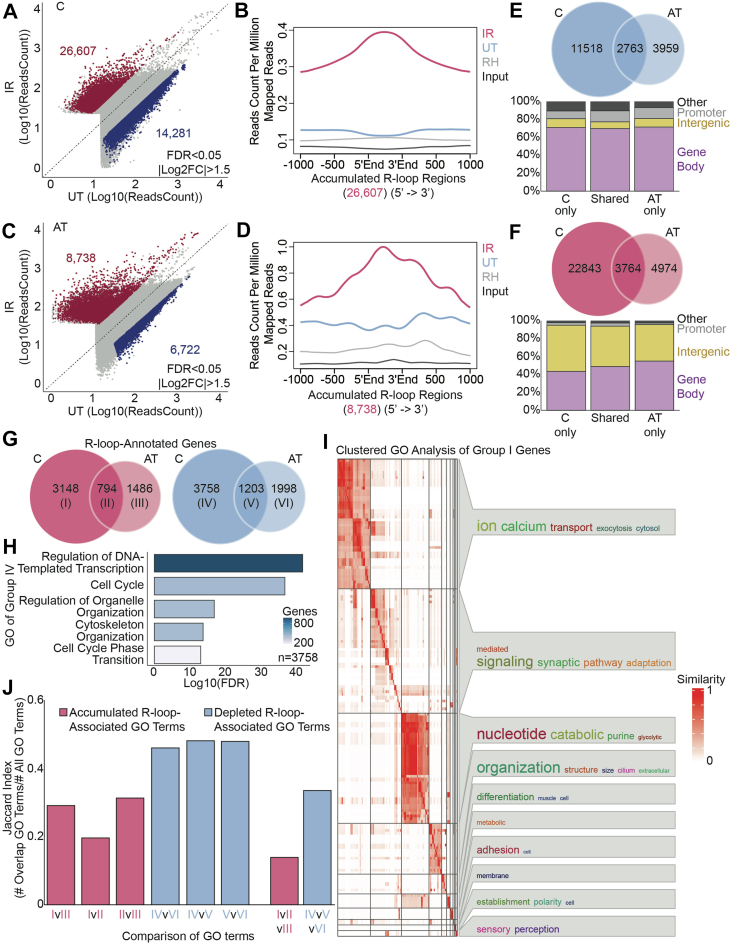 Figure 4
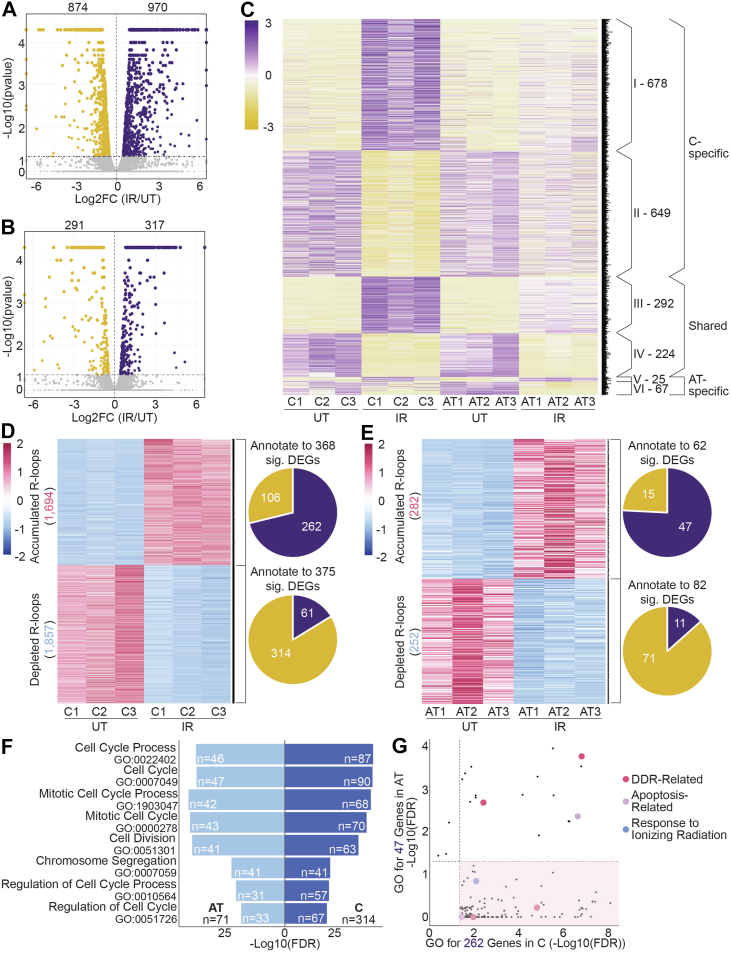 Figure 5
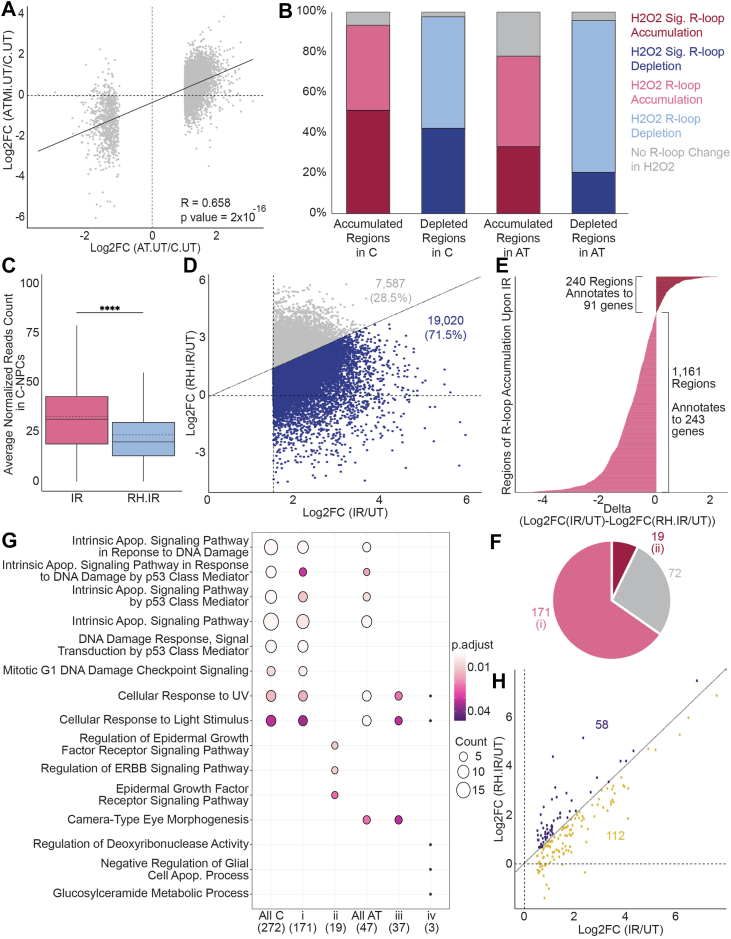 Figure 6
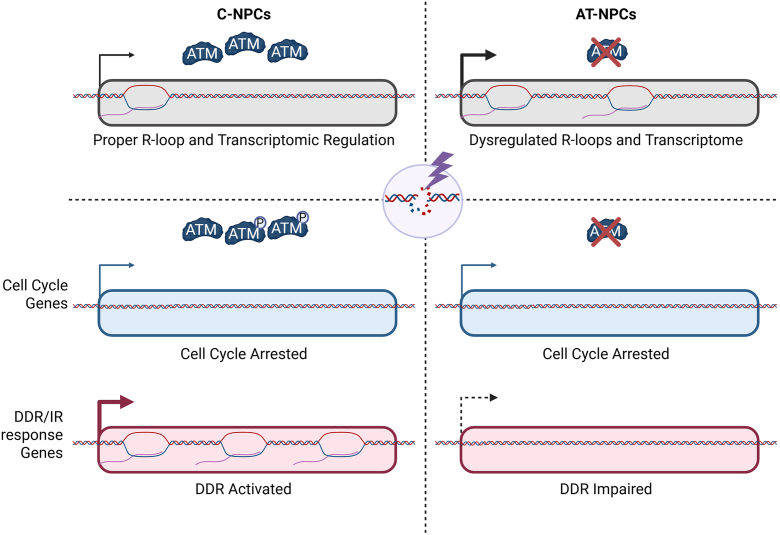 Figure 7
Peer Reviews
No public reviews on file for this paper yet. If you reviewed it on a platform where reviews are public (OpenReview, ICLR, NeurIPS, ICML), you can paste yours below so the community can read it here.
Videos
No videos yet. Explain this paper in a talk, walkthrough, or lecture? Add one.
Taxonomy
TopicsDNA Repair Mechanisms · Genetic Neurodegenerative Diseases · Carcinogens and Genotoxicity Assessment