Quantitative proteomics analysis to identify biomarkers of refractory benign paroxysmal positional vertigo
Liang Xia, Kexin Song, Lili Xiao, Yi Chen, Hui Li, Yanmei Feng

TL;DR
This study uses proteomics to find biomarkers for refractory BPPV, linking them to cholesterol and platelet processes.
Contribution
First TMT-based proteomics study on refractory BPPV, identifying 57 potential biomarkers.
Findings
Identified 57 differentially expressed proteins in refractory BPPV patients.
Linked BPPV mechanisms to cholesterol metabolism and platelet activation.
Confirmed five potential biomarker proteins using parallel reaction monitoring.
Abstract
•This is the first TMT-based proteomics study on refractory BPPV.•57 potential biomarkers identified significant for improving diagnostic accuracy.•BPPV mechanisms are related to cholesterol metabolism and platelet activation. This is the first TMT-based proteomics study on refractory BPPV. 57 potential biomarkers identified significant for improving diagnostic accuracy. BPPV mechanisms are related to cholesterol metabolism and platelet activation. Benign Paroxysmal Positional Vertigo (BPPV) is transient vertigo and paroxysmal nystagmus induced by changes in head position. This study was conducted to investigate the differential expression of serum proteins in patients with refractory BPPV and to screen for diagnostic biomarkers. Serum samples were collected from patients with BPPV; tandem mass tag-based quantitative proteomics technology was used to detect and quantify the serum…
Genes, proteins, chemicals, diseases, species, mutations and cell lines named across the full text — each resolved to its canonical identifier and authoritative record.
Click any figure to enlarge with its caption.
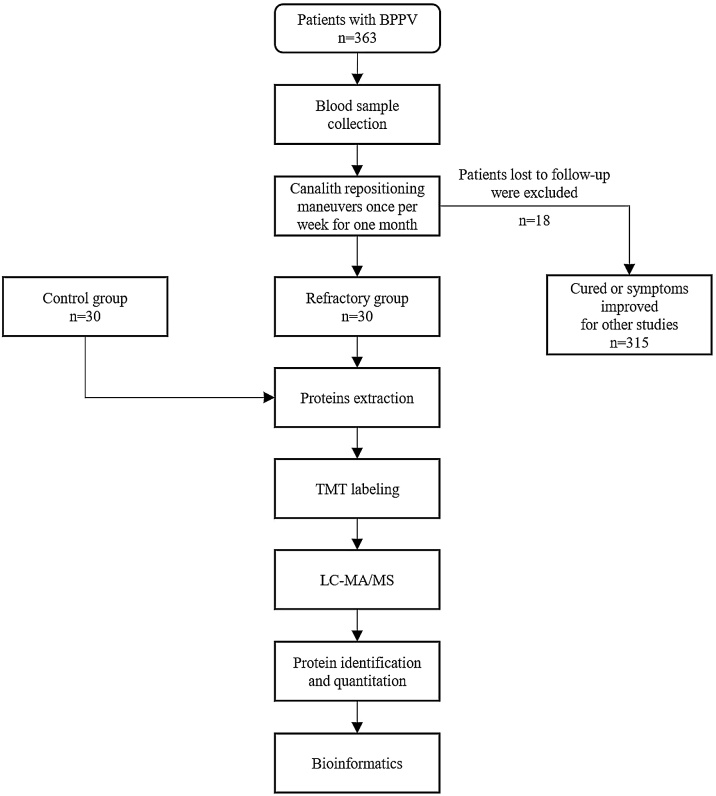 Figure 1
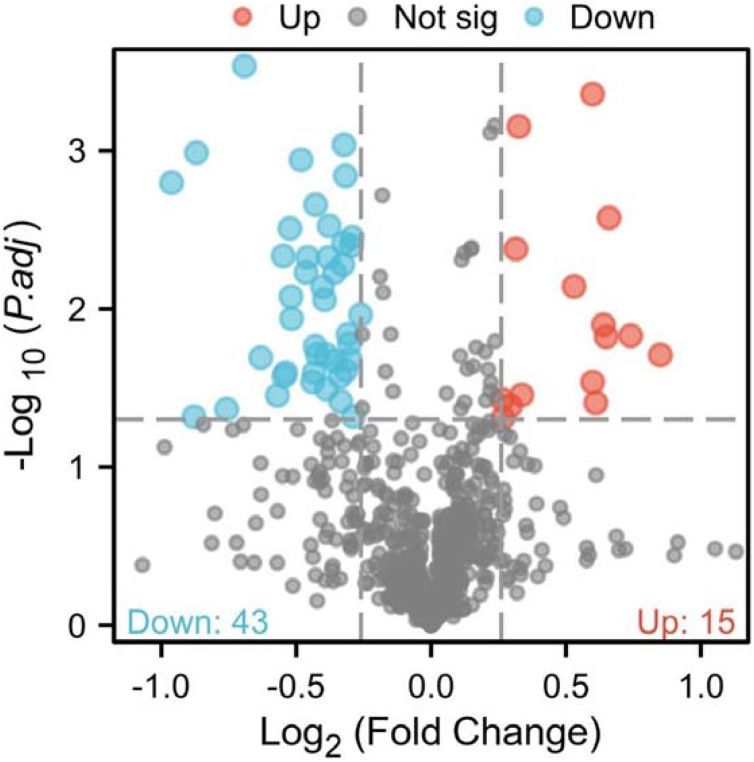 Figure 2
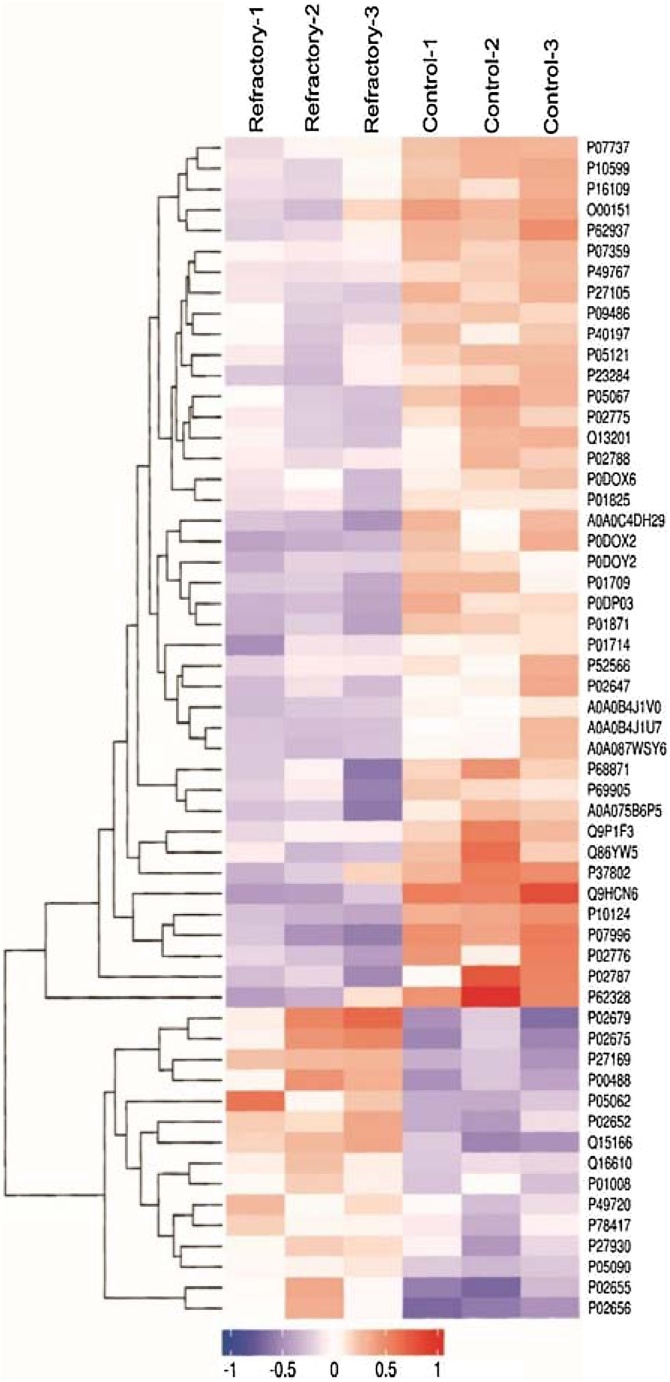 Figure 3
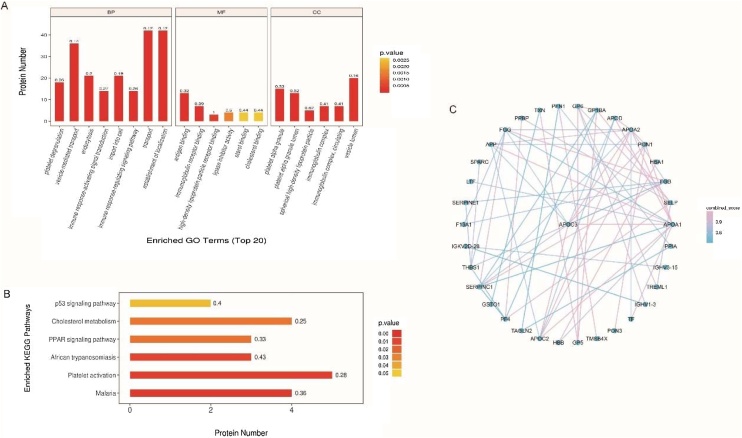 Figure 4
Peer Reviews
No public reviews on file for this paper yet. If you reviewed it on a platform where reviews are public (OpenReview, ICLR, NeurIPS, ICML), you can paste yours below so the community can read it here.
Videos
No videos yet. Explain this paper in a talk, walkthrough, or lecture? Add one.
Taxonomy
TopicsVestibular and auditory disorders · Hemispheric Asymmetry in Neuroscience · Temporomandibular Joint Disorders