Harnessing nucleotide metabolism to control glycosylase base editing outcomes
Rui Tao, Min Li, Junyi Fei, Minhai Tang, Zhi Yang, Yun Hu, Yaoge Jiao, Zhangxue Hu, Shaohua Yao

TL;DR
This paper shows how adjusting nucleotide levels can improve the efficiency and accuracy of genome editing tools that change specific DNA bases.
Contribution
The study introduces a novel metabolic strategy using thymidine to enhance base editing outcomes in mammalian cells.
Findings
Elevating dTTP levels via thymidine supplementation increased C-to-A, G-to-A, and T-to-A editing efficiencies significantly.
dT treatment improved A-product purity and enabled efficient generation of pathogenic mutations in a disease model.
Supplementing with dA modestly increased T-to-A editing outcomes.
Abstract
Rationale: Glycosylase-derived base editors enable transversion base substitutions, expanding the scope of genome engineering for both basic research and clinical applications. However, the variable outcomes and low efficiency of B (C/G/T)-to-A editing in mammalian cells hinder their broader utility, likely due to inefficient thymine translesion synthesis (TLS) across apurinic/apyrimidinic (AP) sites. Methods and Results: We developed a nucleotide metabolism-based strategy to enhance B-to-A editing by leveraging endogenous nucleotide metabolism. We showed that elevating intracellular deoxythymidine triphosphate (dTTP) levels via exogenous thymidine (dT) supplementation, which activates the thymidine kinase 1 (TK1)-dependent salvage pathway for the production of dTTP, increased C-to-A, G-to-A, and T-to-A editing efficiencies by up to 4-fold, 1.8-fold, and 1.8-fold, respectively, and…
Genes, proteins, chemicals, diseases, species, mutations and cell lines named across the full text — each resolved to its canonical identifier and authoritative record.
Click any figure to enlarge with its caption.
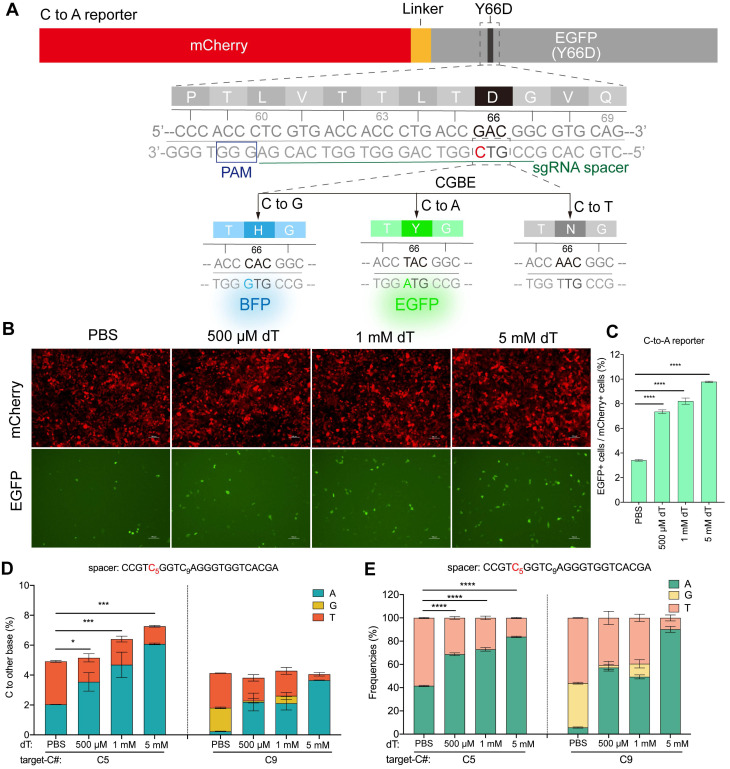 Figure 1
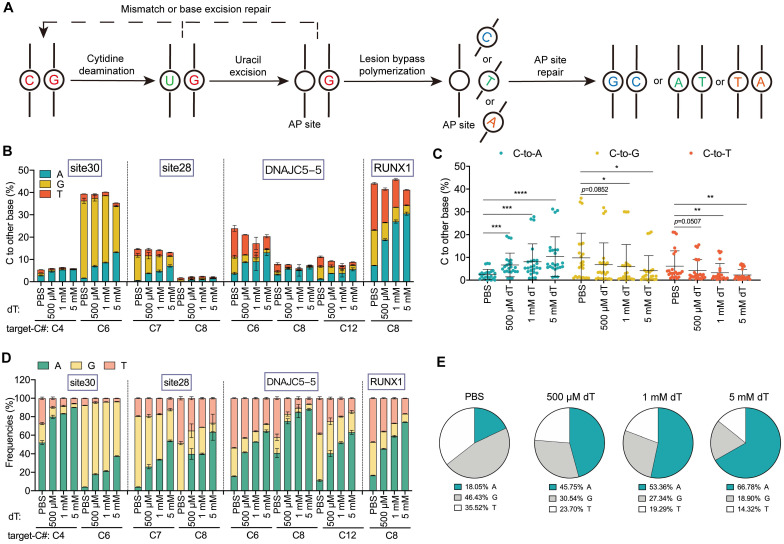 Figure 2
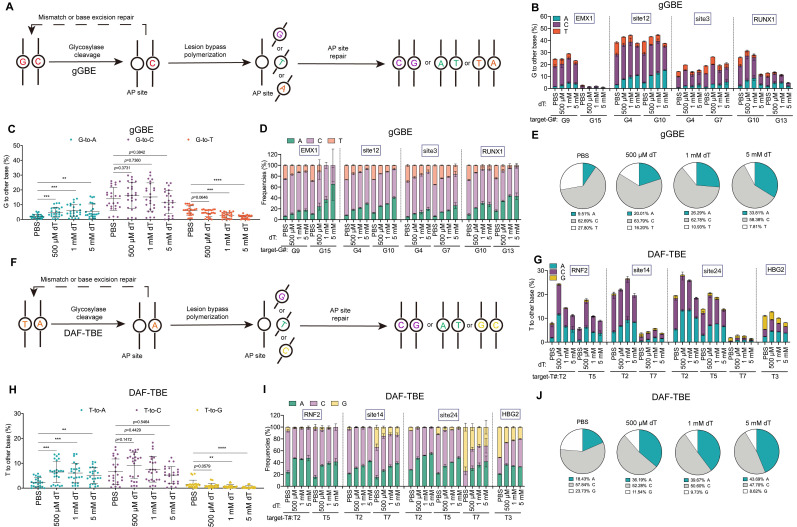 Figure 3
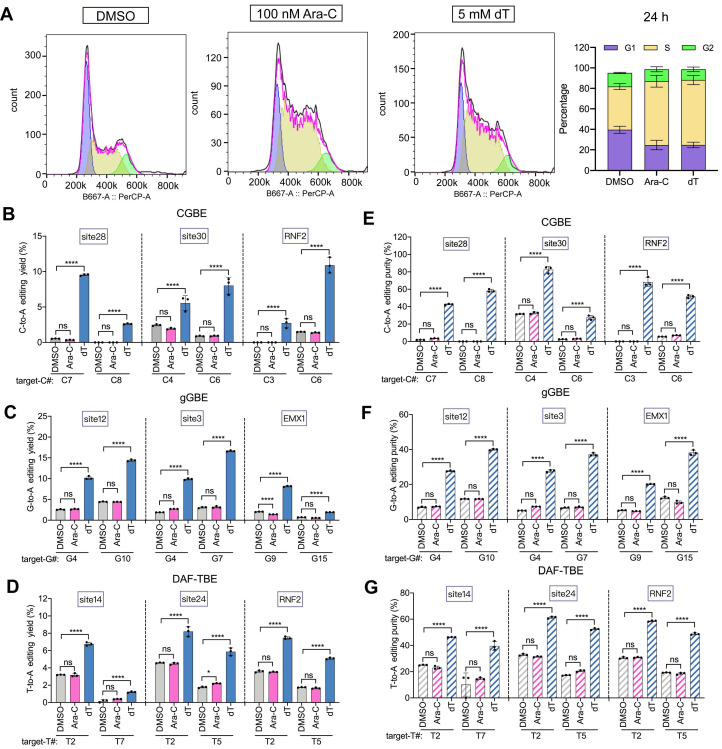 Figure 4
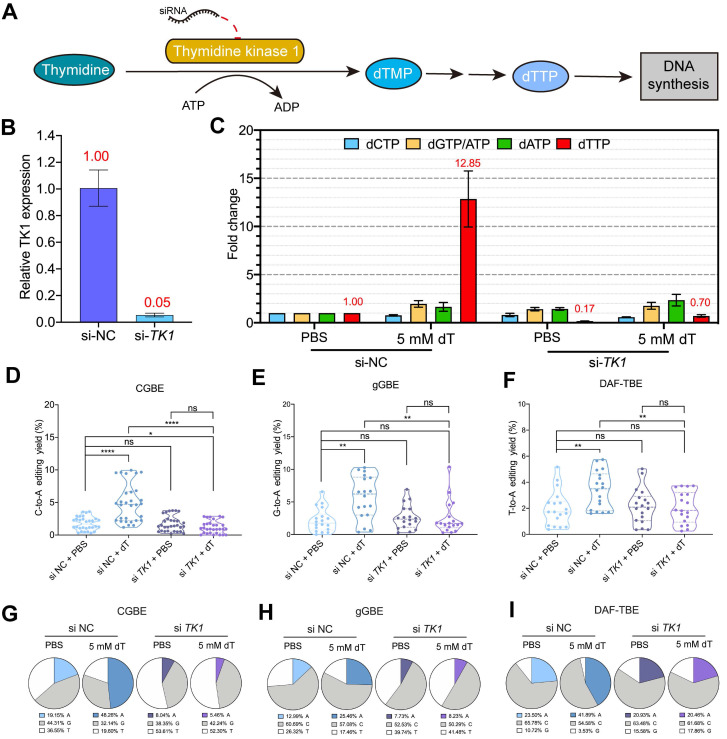 Figure 5
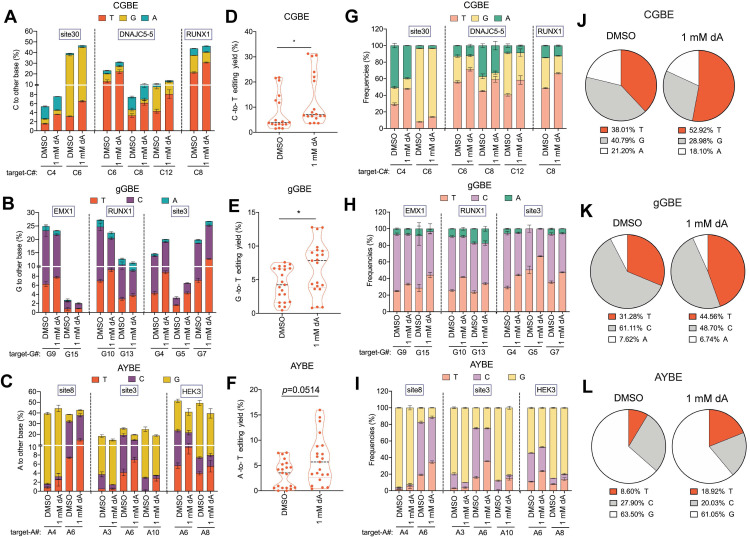 Figure 6
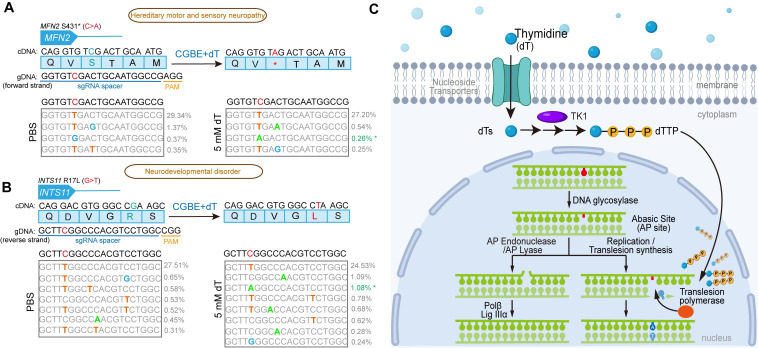 Figure 7
Peer Reviews
No public reviews on file for this paper yet. If you reviewed it on a platform where reviews are public (OpenReview, ICLR, NeurIPS, ICML), you can paste yours below so the community can read it here.
Videos
No videos yet. Explain this paper in a talk, walkthrough, or lecture? Add one.
Taxonomy
TopicsCRISPR and Genetic Engineering · Lysosomal Storage Disorders Research · Autoimmune Neurological Disorders and Treatments