Developing an AI-Based Model for Lagophthalmos and Bell's Phenomenon Detection in Intensive Care Unit Patients: A Gold Standard Comparison
Maram Alnefaie, Nawaf S Althobaiti, Abdulrahman Almatrafi, Haya A Alnafisah, Majed Alqurashi

TL;DR
This study validates an AI model for detecting eye conditions in ICU patients, aiming to prevent corneal damage through early detection.
Contribution
A novel AI model is proposed and validated for detecting lagophthalmos and poor Bell's phenomenon in ICU patients.
Findings
The AI model showed potential for accurately detecting lagophthalmos and poor Bell's phenomenon.
The model could be used by non-ophthalmologists to facilitate early preventive measures in ICU patients.
Early detection may reduce the risk of exposure keratopathy in critically ill patients.
Abstract
Purpose To validate a newly developed artificial intelligence (AI) model as a screening tool for detecting lagophthalmos and poor Bell's phenomenon, by comparing its performance with the gold-standard examination conducted by an ophthalmologist. Design A cross-sectional observational study was conducted. External eye photographs of patients admitted to intensive care units at a secondary hospital in Taif City, Kingdom of Saudi Arabia, were analyzed by the AI model to detect lagophthalmos and assess Bell's phenomenon. Conclusions and importance The findings of this study have the potential to significantly impact healthcare by enabling the prediction of serious ocular complications through an AI-based screening model for ICU patients. The integration of AI models can improve patient screening, facilitating early preventive measures such as lid tapes and lubricants to reduce the…
Genes, proteins, chemicals, diseases, species, mutations and cell lines named across the full text — each resolved to its canonical identifier and authoritative record.
Click any figure to enlarge with its caption.
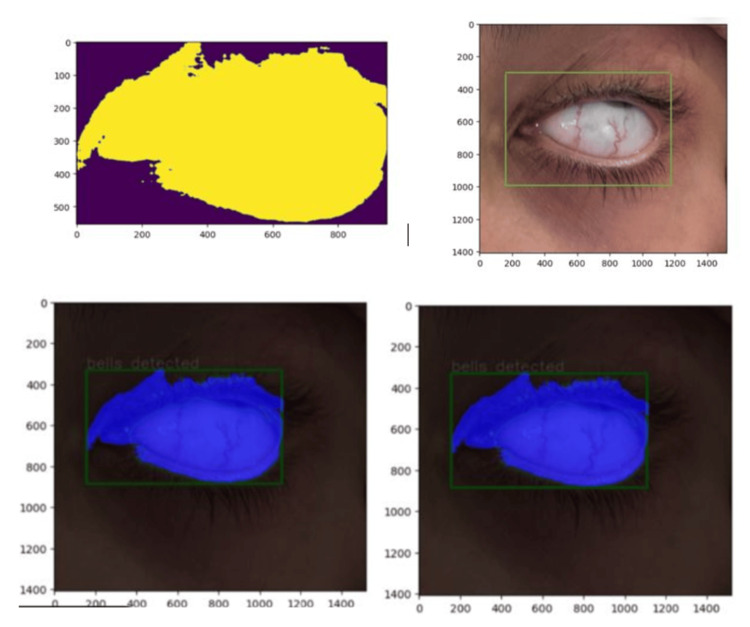 Figure 1
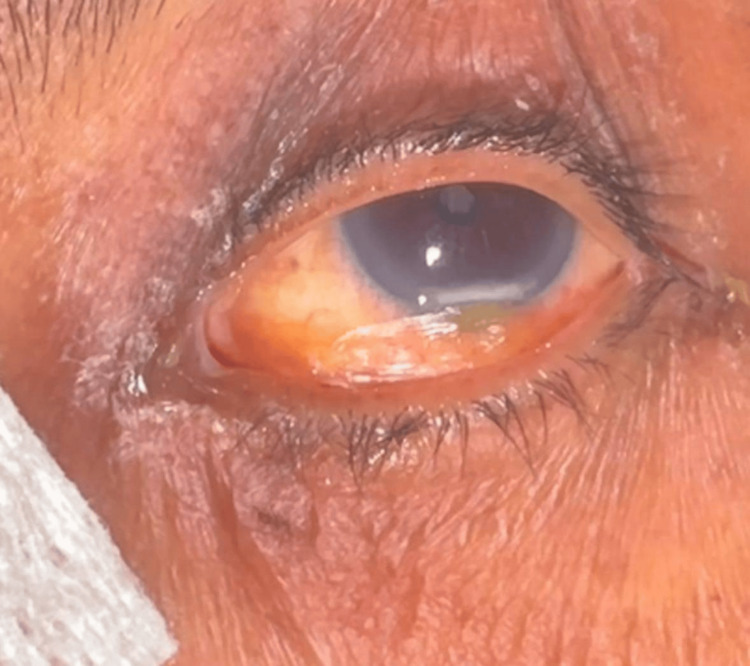 Figure 2
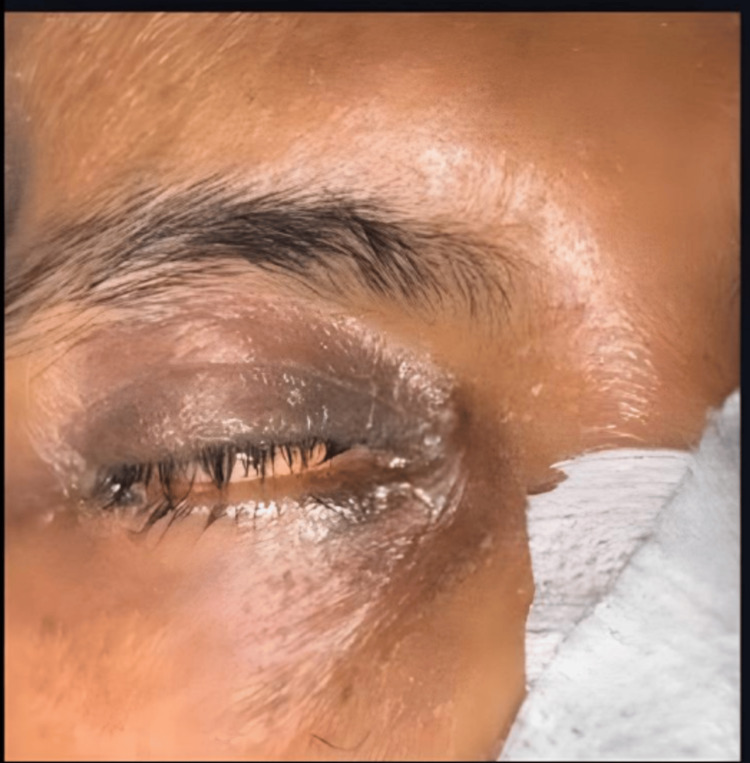 Figure 3
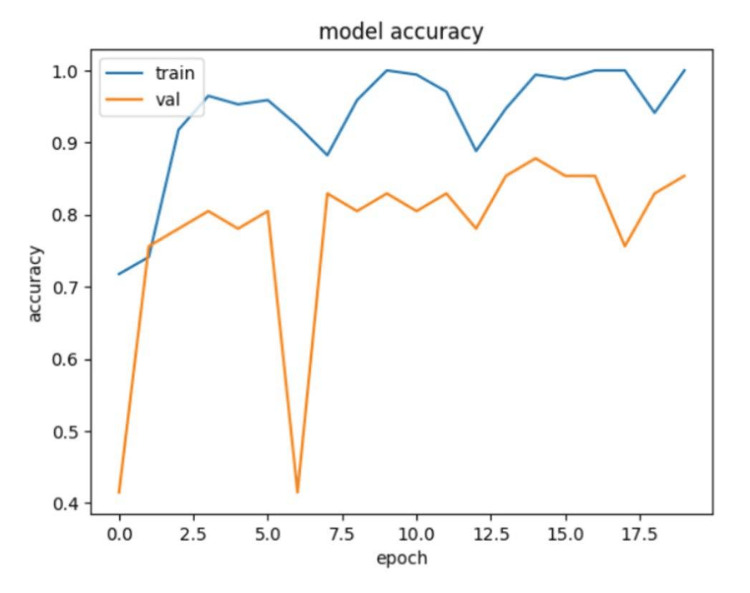 Figure 4
Peer Reviews
No public reviews on file for this paper yet. If you reviewed it on a platform where reviews are public (OpenReview, ICLR, NeurIPS, ICML), you can paste yours below so the community can read it here.
Videos
No videos yet. Explain this paper in a talk, walkthrough, or lecture? Add one.
Taxonomy
TopicsIntraoperative Neuromonitoring and Anesthetic Effects · Facial Nerve Paralysis Treatment and Research · Intensive Care Unit Cognitive Disorders