Genetically Induced Mouse Model for Colon-specific Epithelial Cell Tumorigenesis Driven by Loss of K8 and Apc
Mina Tayyab, Mira M.E. Minkkinen, Carl-Gustaf A. Stenvall, Lauri Polari, Victor Nielsen, Yatrik M. Shah, Diana M. Toivola

TL;DR
Researchers created a mouse model with colon-specific tumor growth by removing two genes, K8 and Apc, which mimics human colorectal cancer more closely than existing models.
Contribution
A novel genetic mouse model for colon-specific tumorigenesis is developed by targeting K8 and Apc, offering a more human-like CRC model.
Findings
K8 loss leads to increased colonocyte proliferation and inflammation in mouse colons.
Loss of K8 and Apc results in colon tumorigenesis and epithelial to mesenchymal transition.
Reduced K8 expression is observed in human CRC tumors regardless of disease stage or patient characteristics.
Abstract
Loss of keratin 8 (K8) has been shown to increase susceptibility towards colonocyte hyperproliferation and tumorigenesis. However, most colorectal cancer (CRC) mouse models require carcinogen, develop small intestinal tumors, or have a long latency period. The aim was to establish a genetic, colon-specific, and more human-like CRC model driven by loss of K8 and adenomatous polyposis coli (Apc). Colon-specific targeting using CDX2P-CreERT2 mice was used to generate K8flox/flox; CDX2P-CreERT2 and K8flox/flox; CDX2P-CreERT2; Apcflox/+ mice. Disease activity was monitored, and colon was analyzed for tumor burden and histopathology over time. Keratin expression, inflammation, proliferation, cell polarity, colonocyte populations, and cell division symmetry were assessed using immunoblotting and immunofluorescence analysis. This data was compared with K8 expression analysis in patients with…
Genes, proteins, chemicals, diseases, species, mutations and cell lines named across the full text — each resolved to its canonical identifier and authoritative record.
Click any figure to enlarge with its caption.
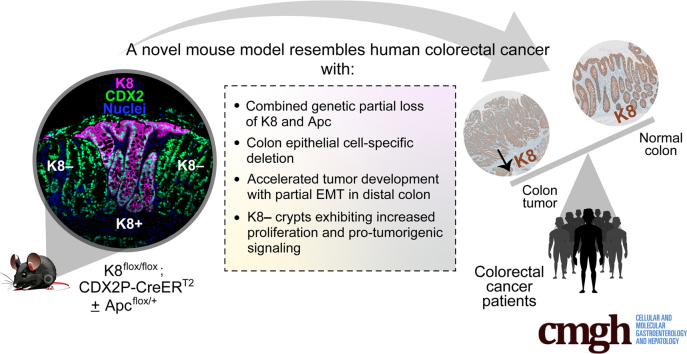 Figure 1
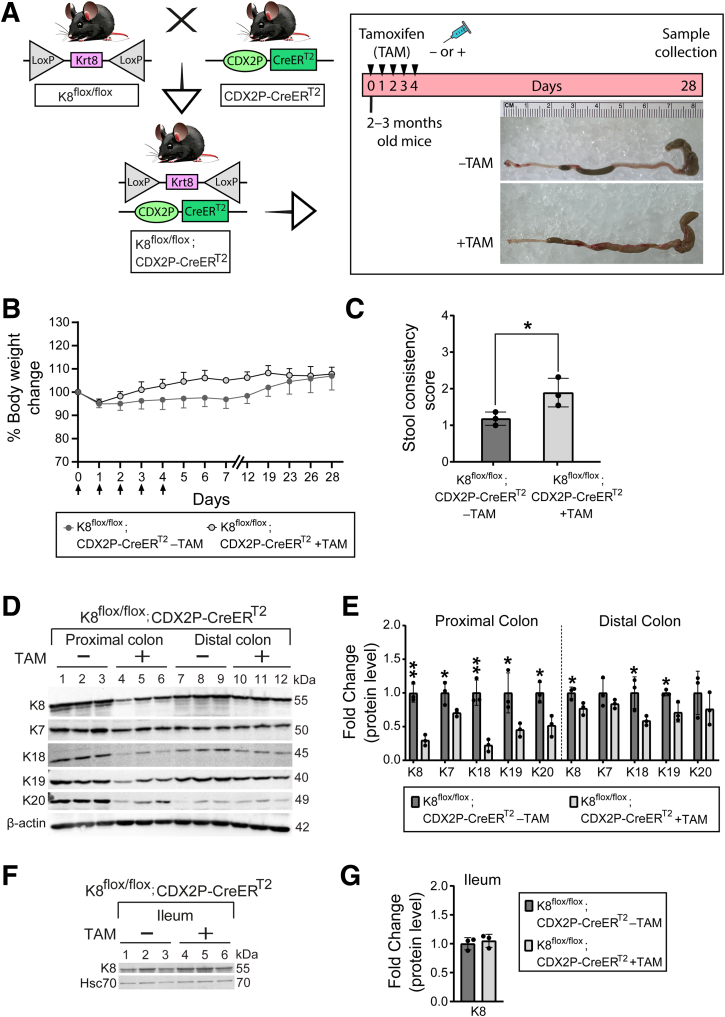 Figure 2
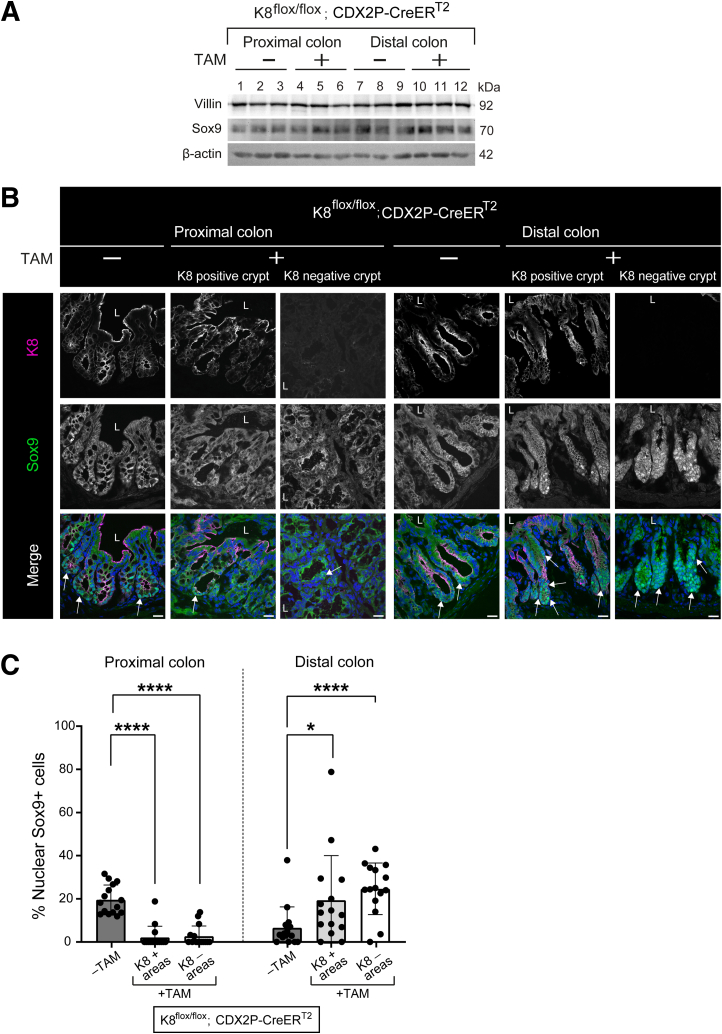 Figure 3
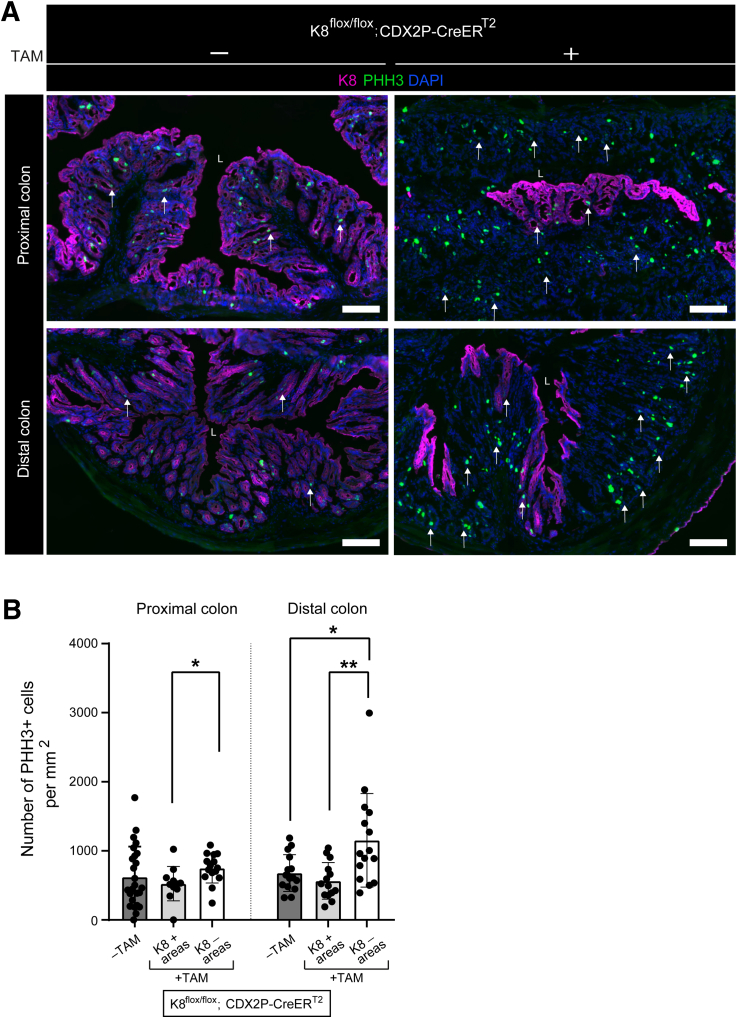 Figure 4
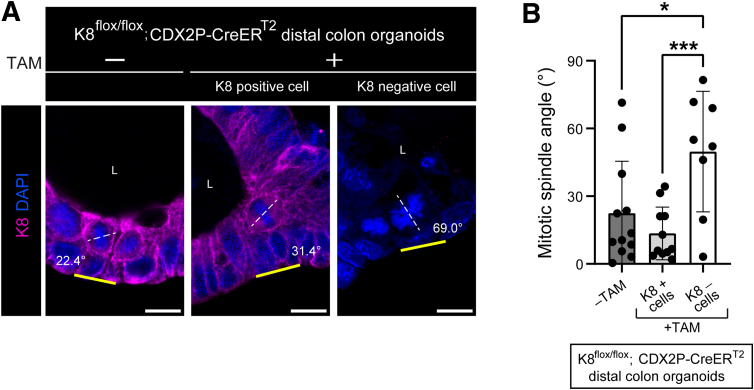 Figure 5
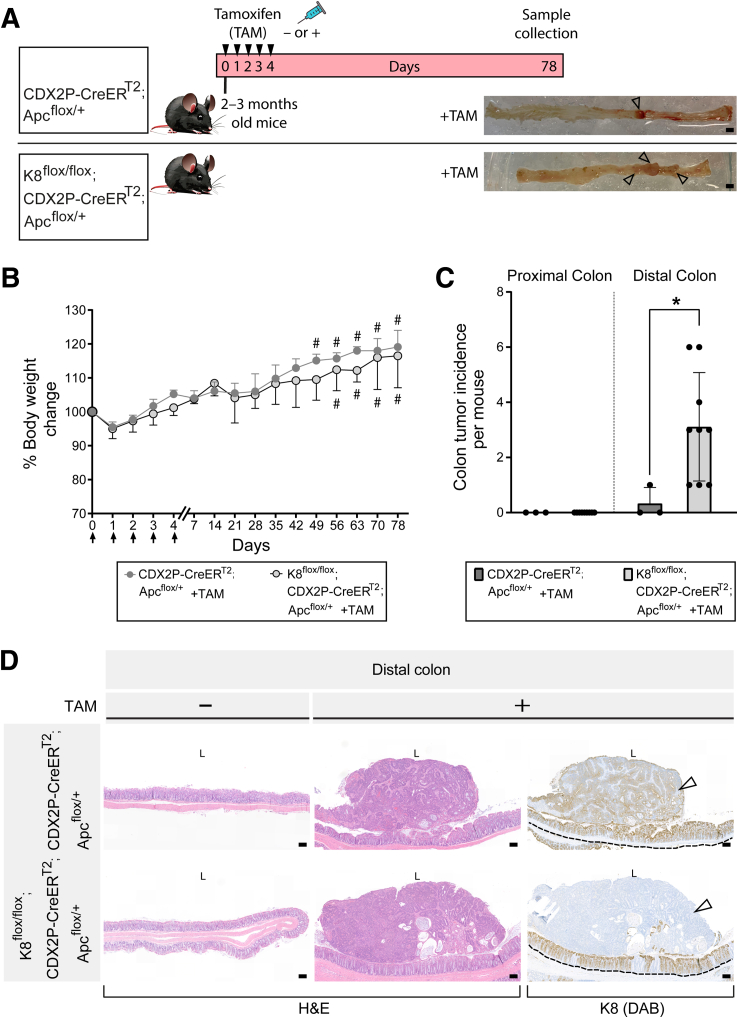 Figure 6
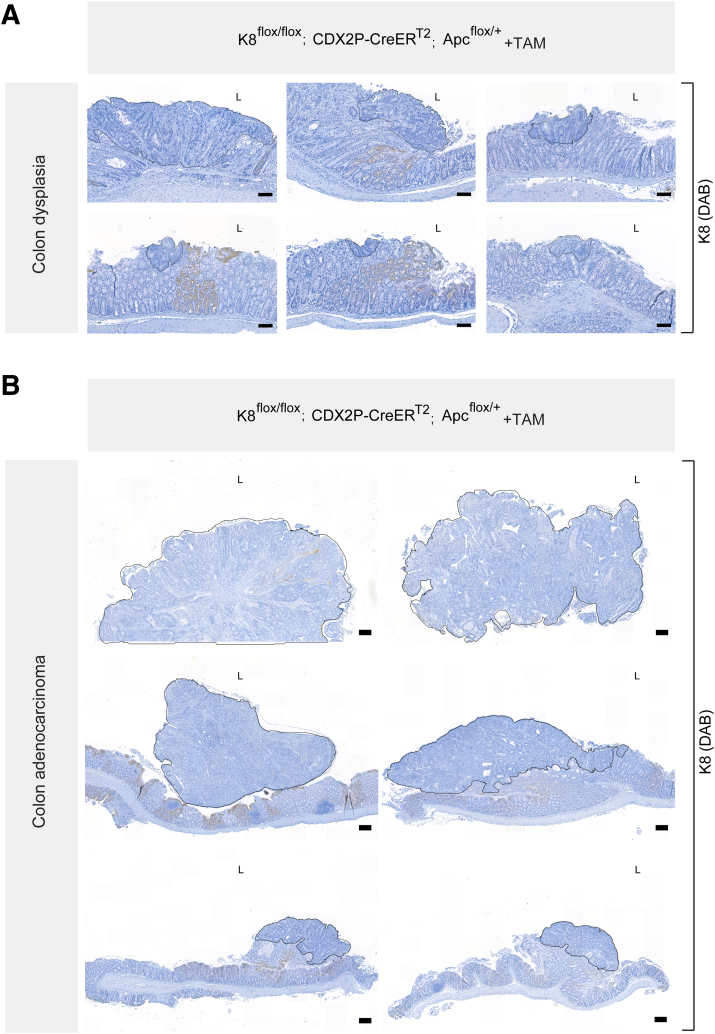 Figure 7
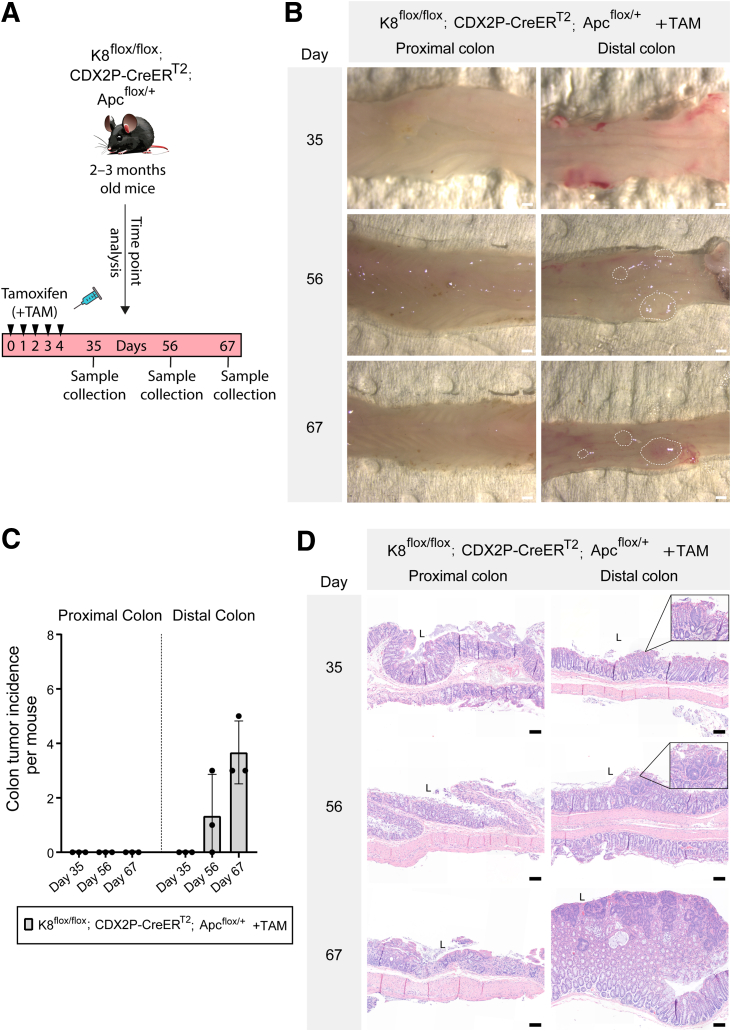 Figure 8
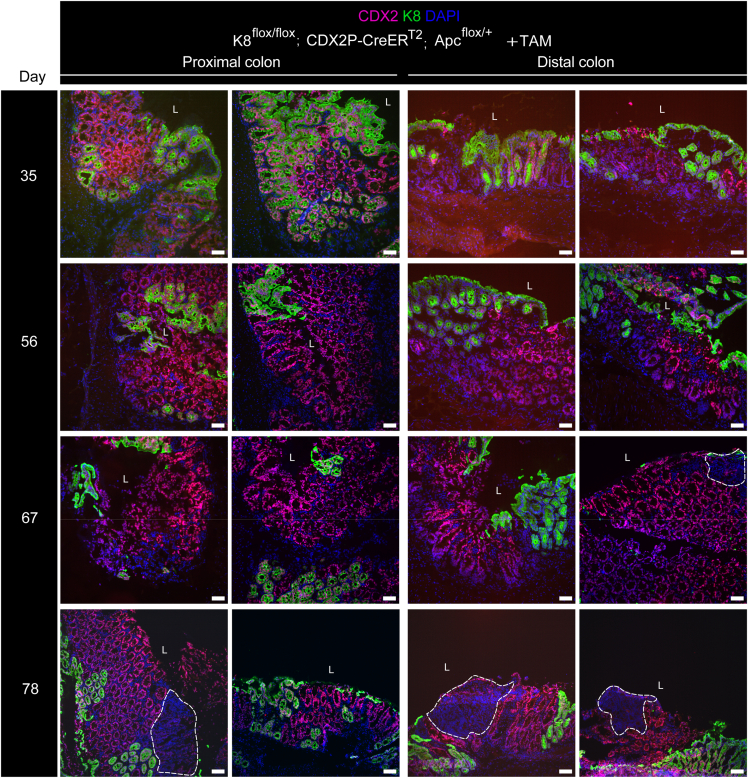 Figure 9
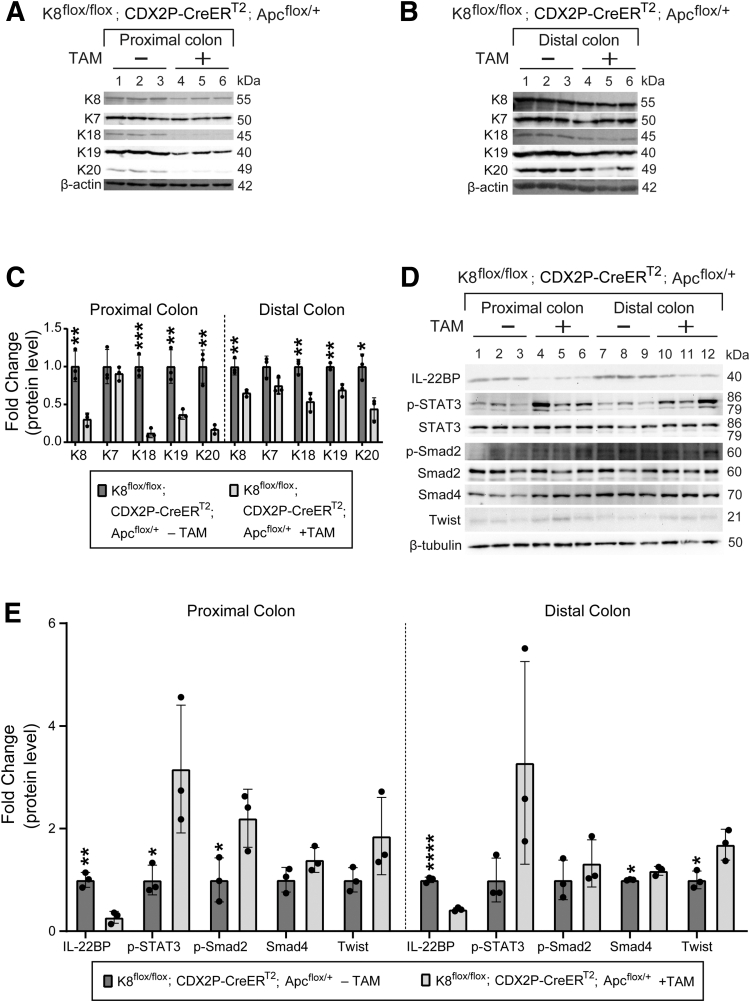 Figure 10
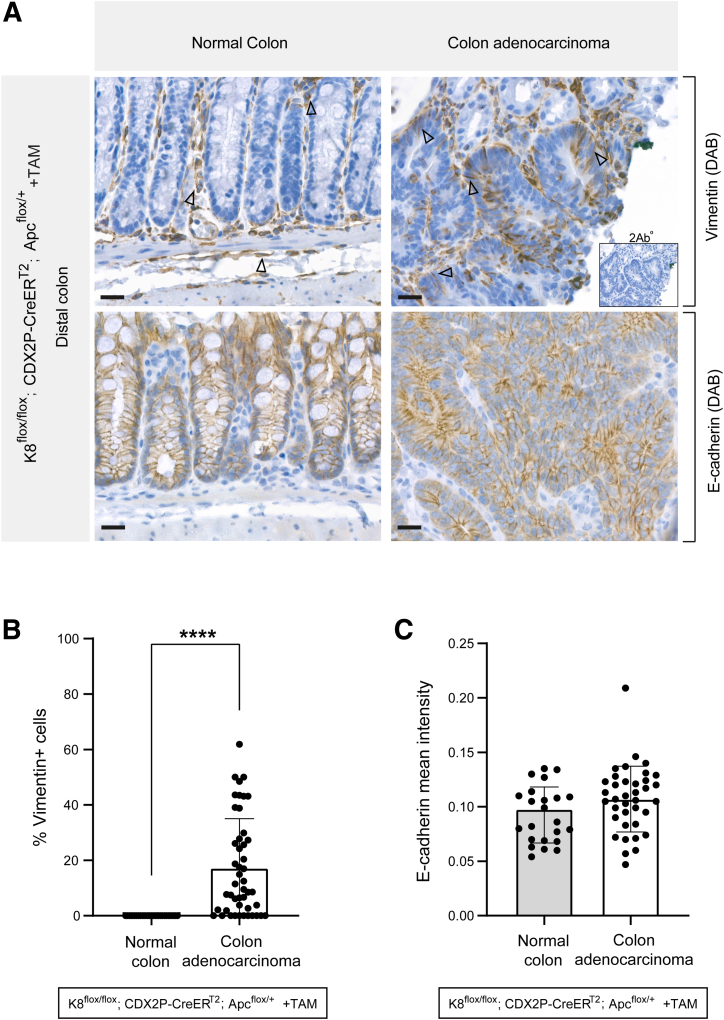 Figure 11
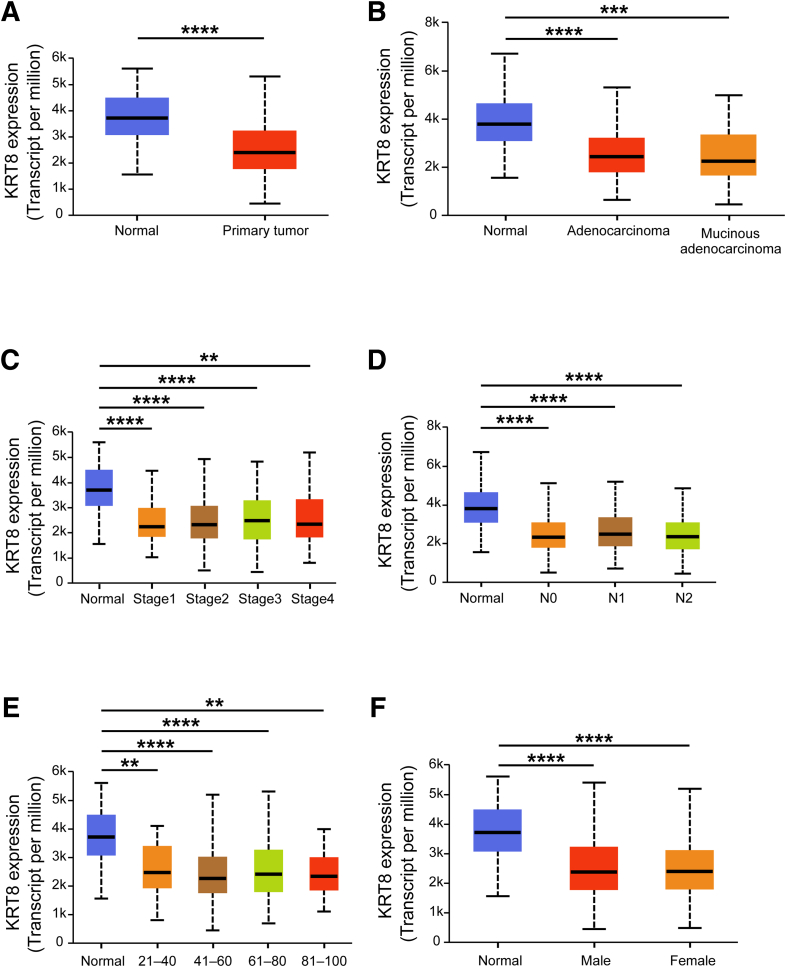 Figure 12
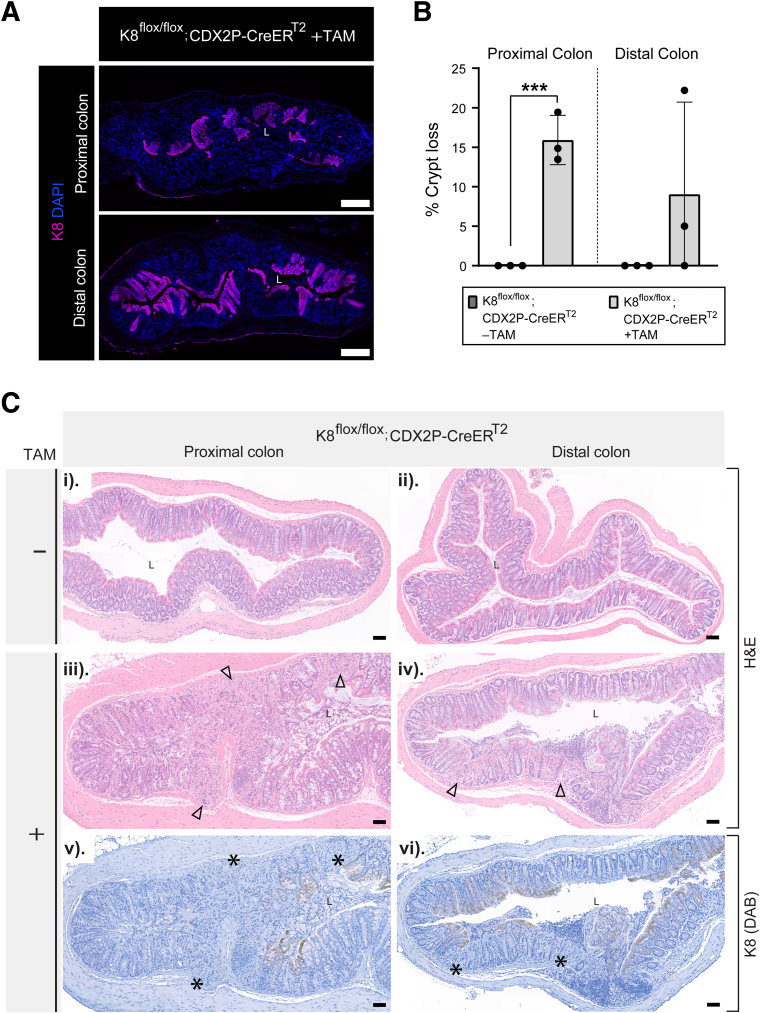 Figure 13
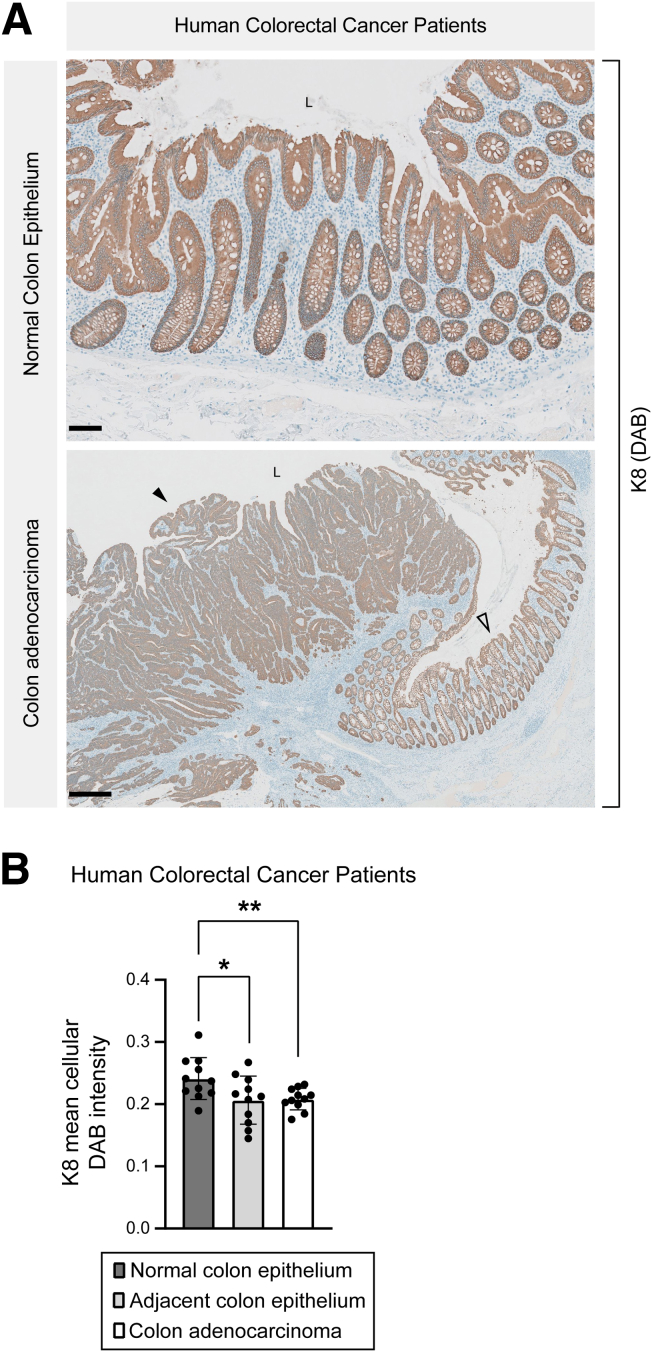 Figure 14
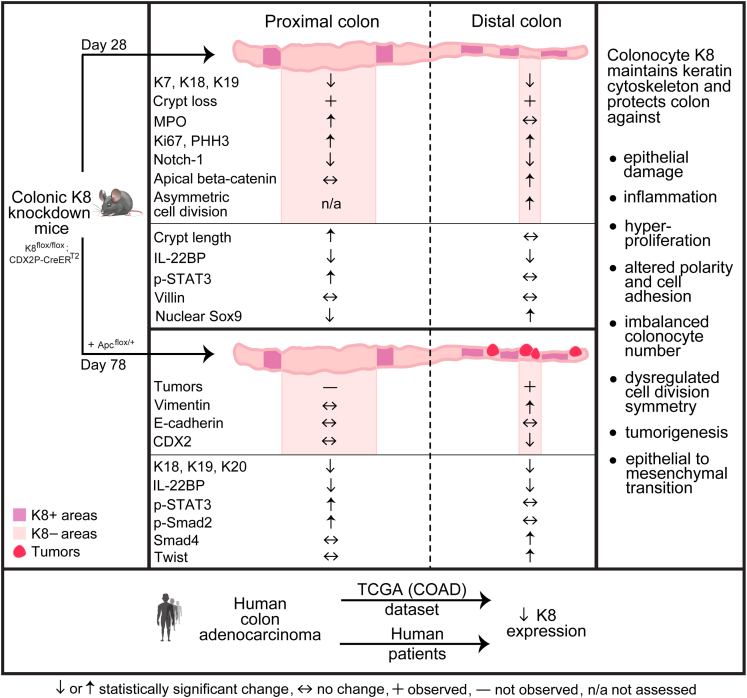 Figure 15
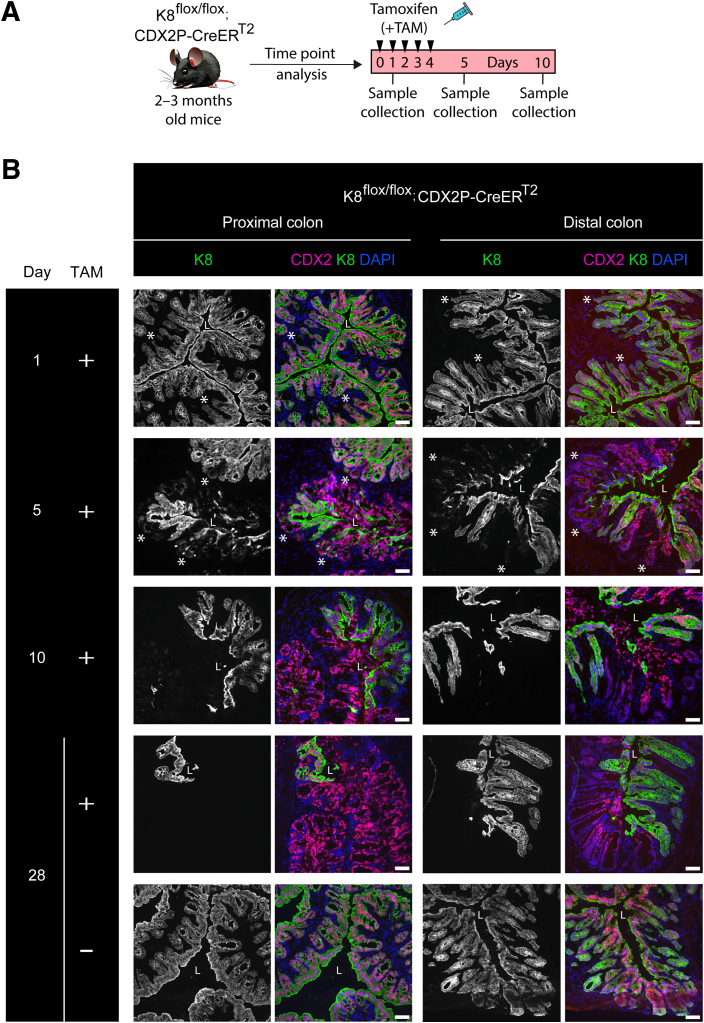 Figure 16
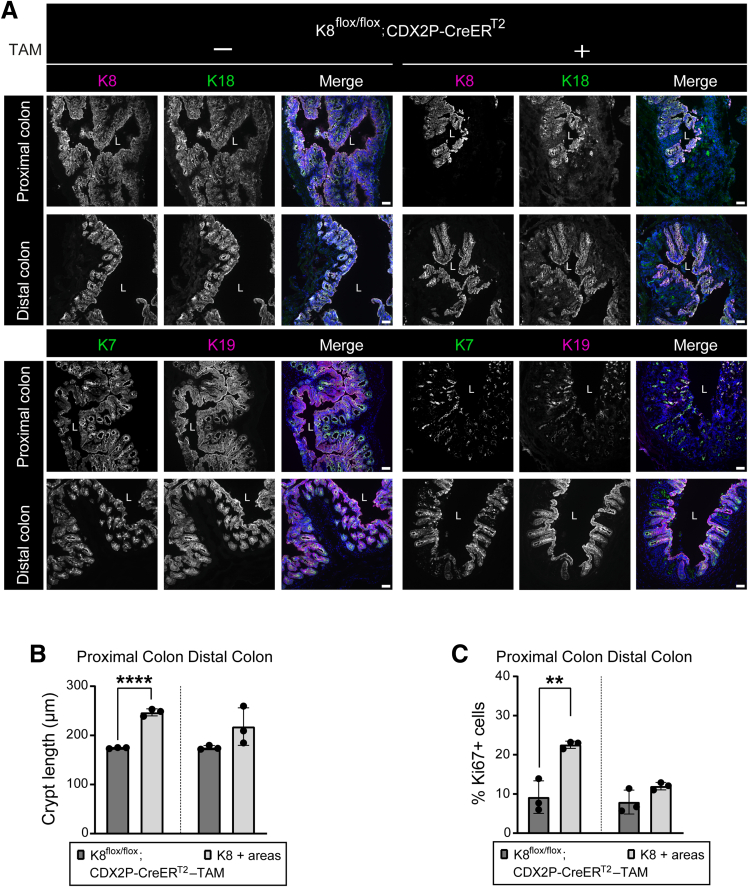 Figure 17
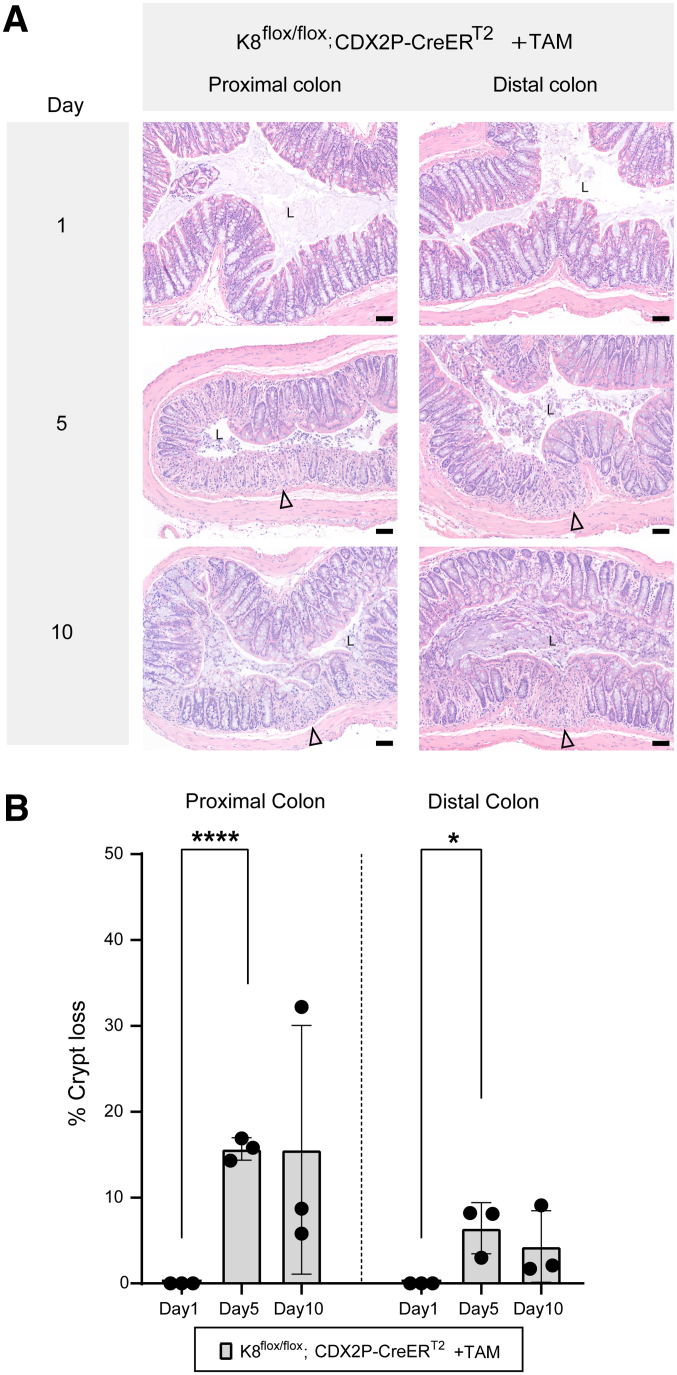 Figure 18
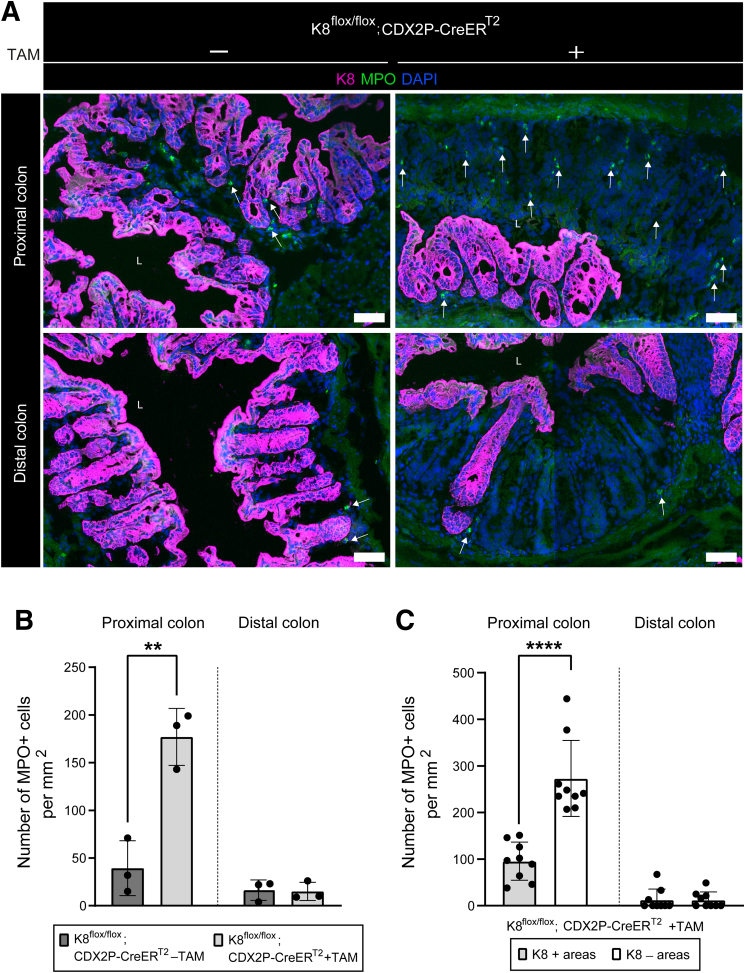 Figure 19
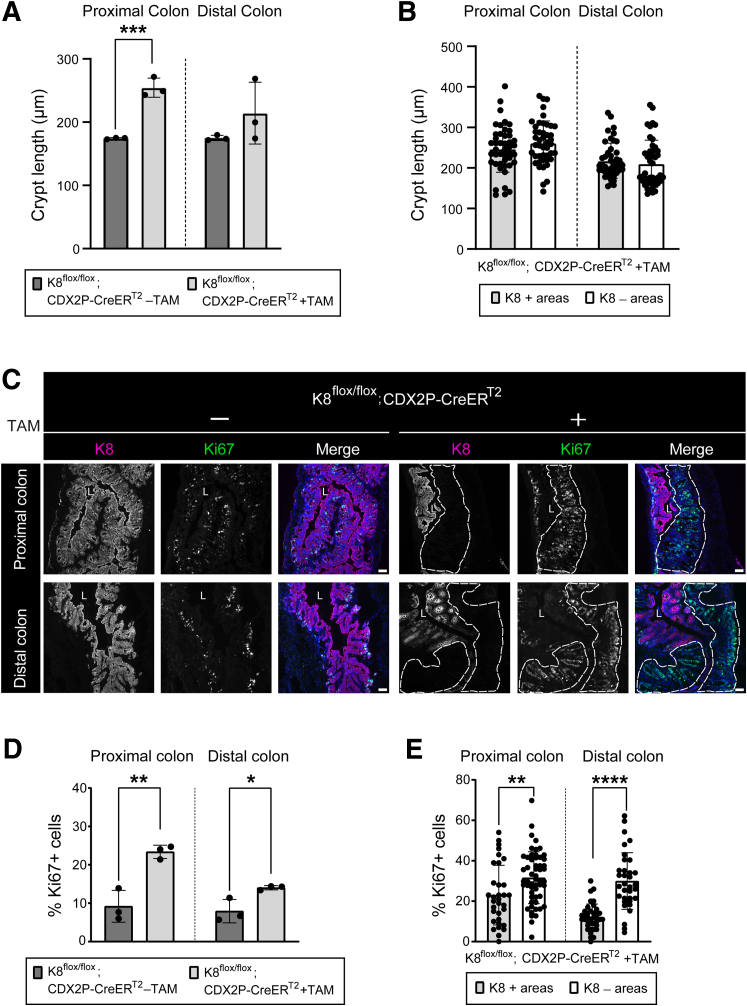 Figure 20
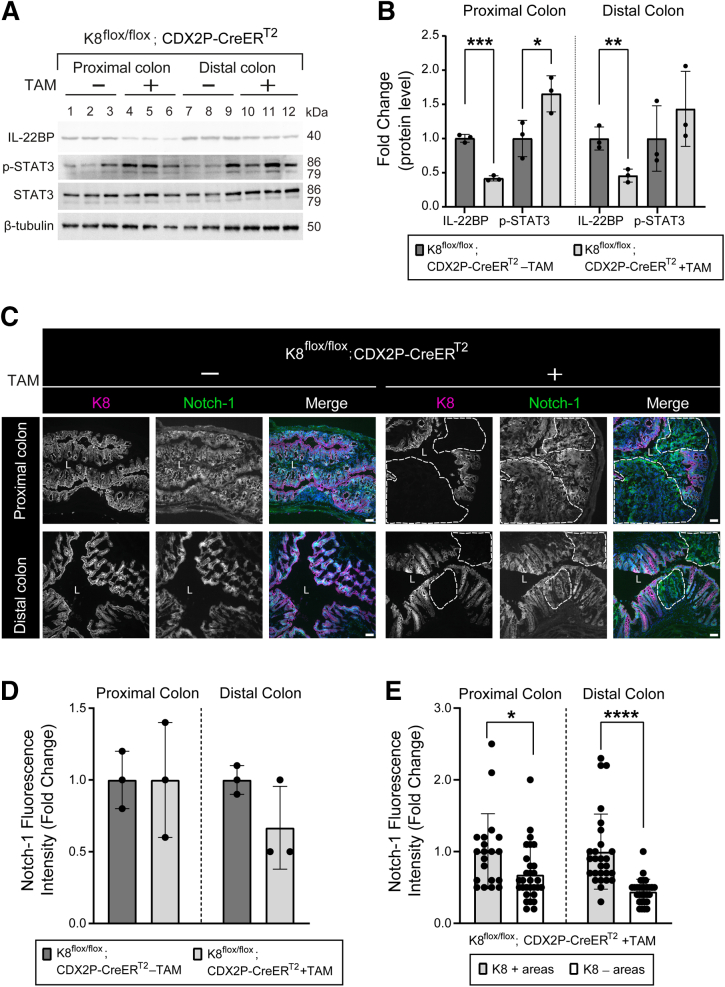 Figure 21
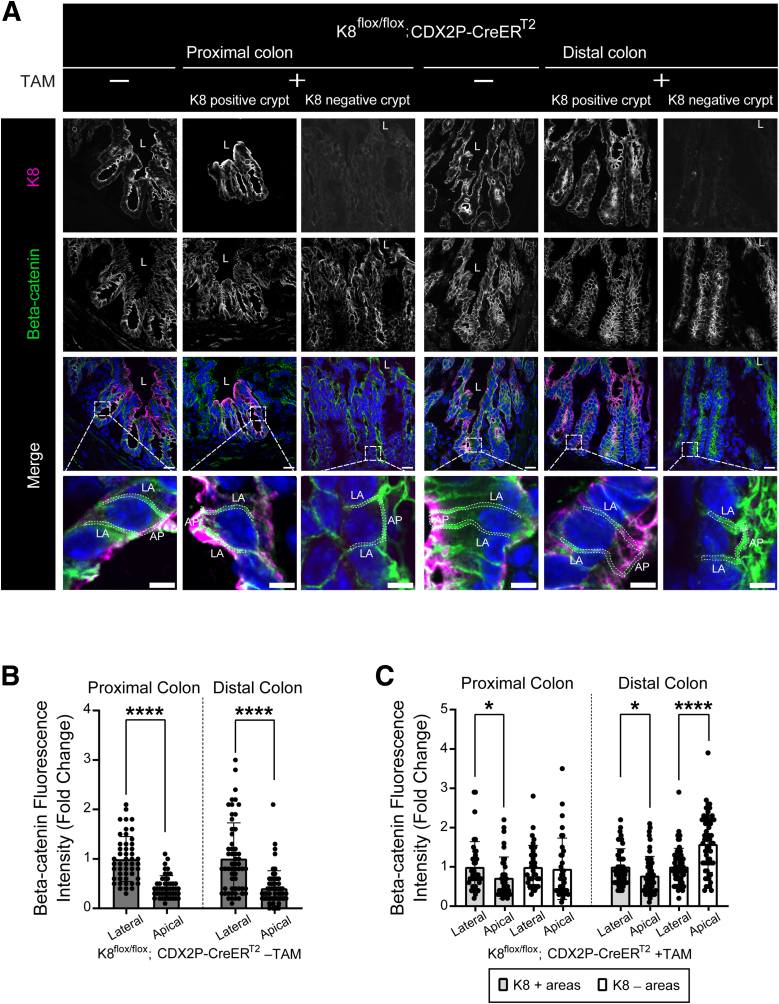 Figure 22
Peer Reviews
No public reviews on file for this paper yet. If you reviewed it on a platform where reviews are public (OpenReview, ICLR, NeurIPS, ICML), you can paste yours below so the community can read it here.
Videos
No videos yet. Explain this paper in a talk, walkthrough, or lecture? Add one.
Taxonomy
TopicsGenetic factors in colorectal cancer · Digestive system and related health · Helicobacter pylori-related gastroenterology studies