Copper-based nanozymes synergistically enhance Cuproptosis for psoriasis treatment
Junyu Zhou, Nianzhou Yu, Xiaoxin Yang, Shanghong Li, Mi Huang, Tianyi Pang, Dong Zhong, Yu Wen, Hong Liu

TL;DR
Copper-based nanozymes trigger a new cell death pathway called cuproptosis to treat psoriasis by reducing skin inflammation and cell proliferation.
Contribution
A copper-based nanozyme was developed to synergistically enhance cuproptosis for psoriasis treatment through cascade catalytic therapy.
Findings
Cu-NZs exhibited multi-enzymatic activities that generated ROS and triggered cuproptosis in keratinocytes.
Topical Cu-NZs gel reduced psoriatic symptoms in mice without systemic toxicity.
Cu-NZs modulated cuproptosis-related genes (DLAT, FDX1, LIAS) and inhibited inflammatory responses.
Abstract
Psoriasis is a chronic inflammatory skin disease characterized by abnormal keratinocyte proliferation and sustained skin inflammation. Cuproptosis, a novel regulated cell death pathway, inhibits proliferation by promoting cellular demise, offering a promising therapeutic strategy for psoriasis. Herein, we first identified that cuproptosis induction is a potential therapeutic avenue for psoriasis treatment. Then, a copper-based nanozyme (Cu-NZ) was developed to enhance cuproptosis through cascade catalytic therapy, leveraging multi-enzymatic effects for psoriasis treatment. The Cu-NZs exhibited distinct multi-enzymatic activities, including catalase (CAT)-, superoxide dismutase (SOD)-, oxidase (OXD)-, and peroxidase (POD)-like activities, which sustained the generation of cytotoxic Reactive Oxygen Species (ROS), relieved hypoxia via O2 release, and ultimately triggered augmented…
Genes, proteins, chemicals, diseases, species, mutations and cell lines named across the full text — each resolved to its canonical identifier and authoritative record.
Click any figure to enlarge with its caption.
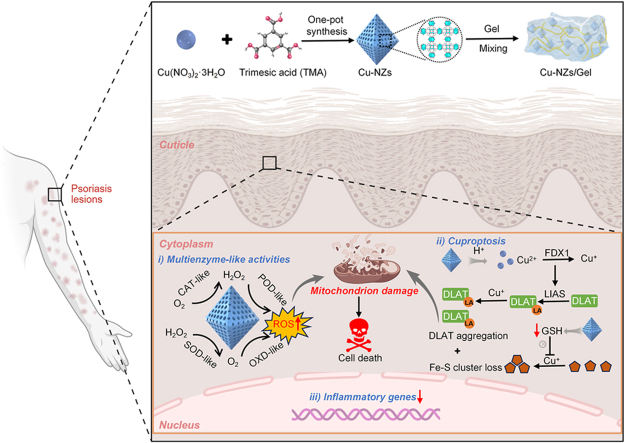 Figure 1
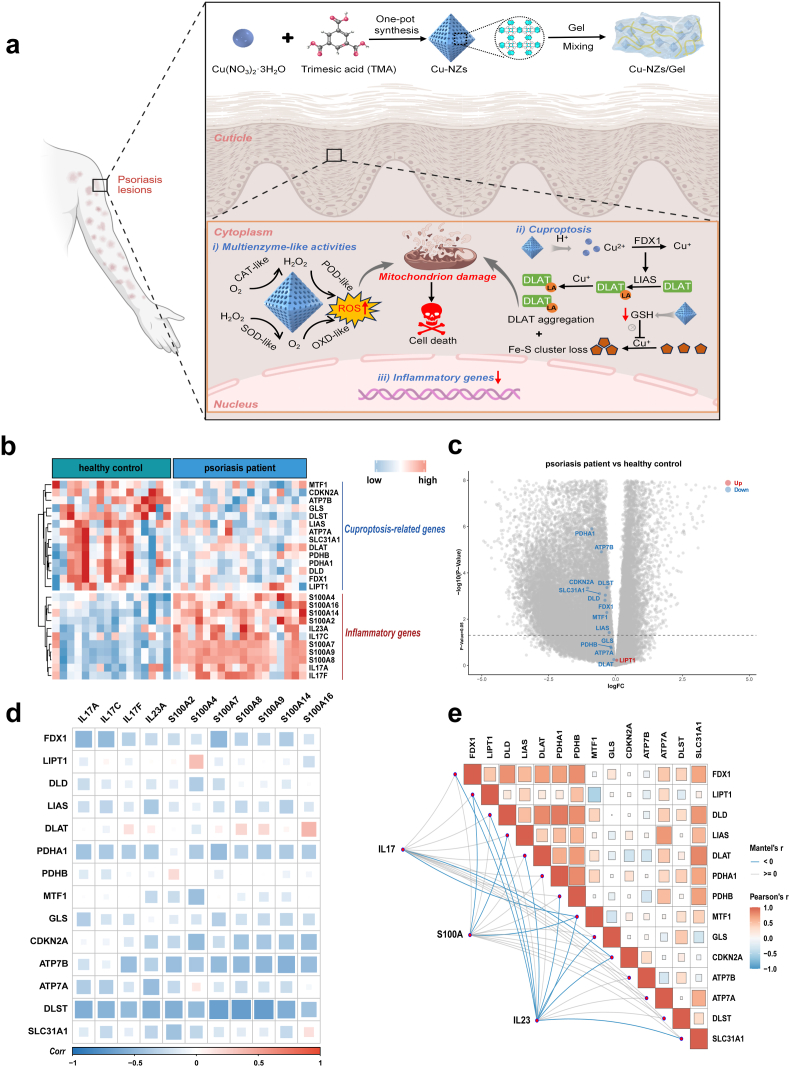 Figure 2
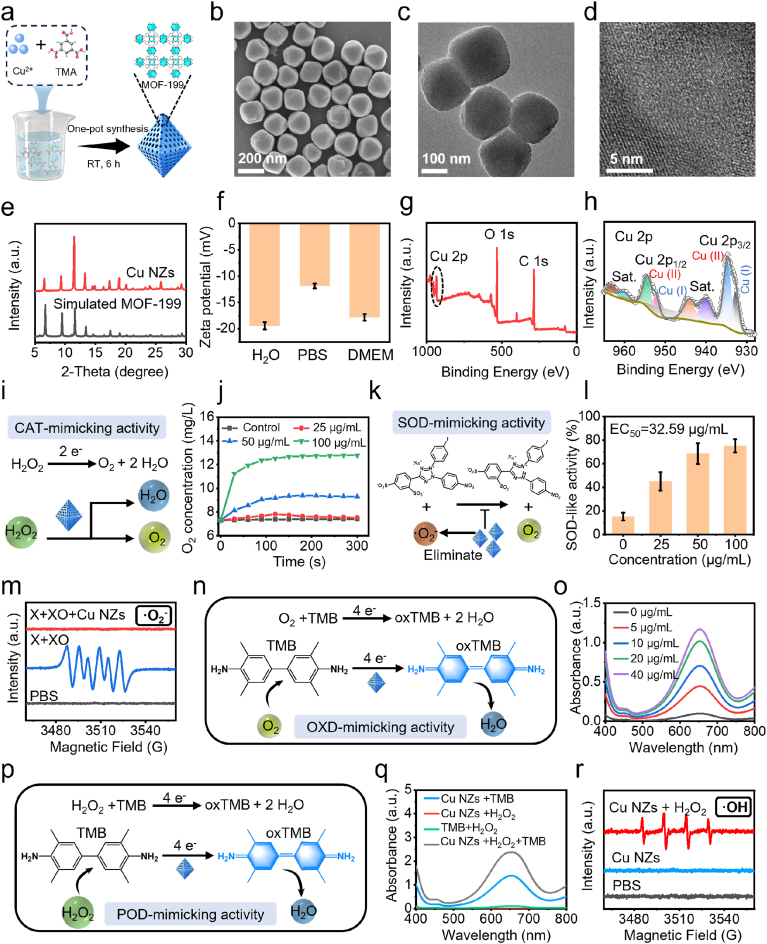 Figure 3
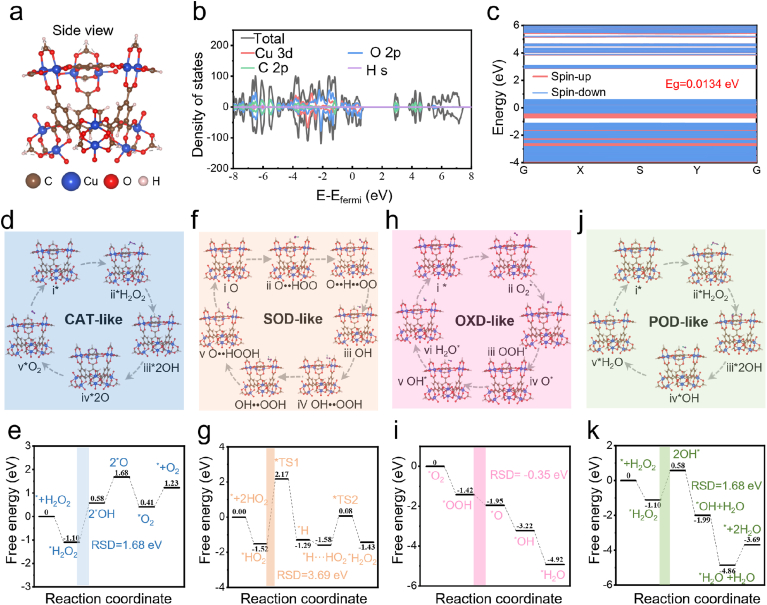 Figure 4
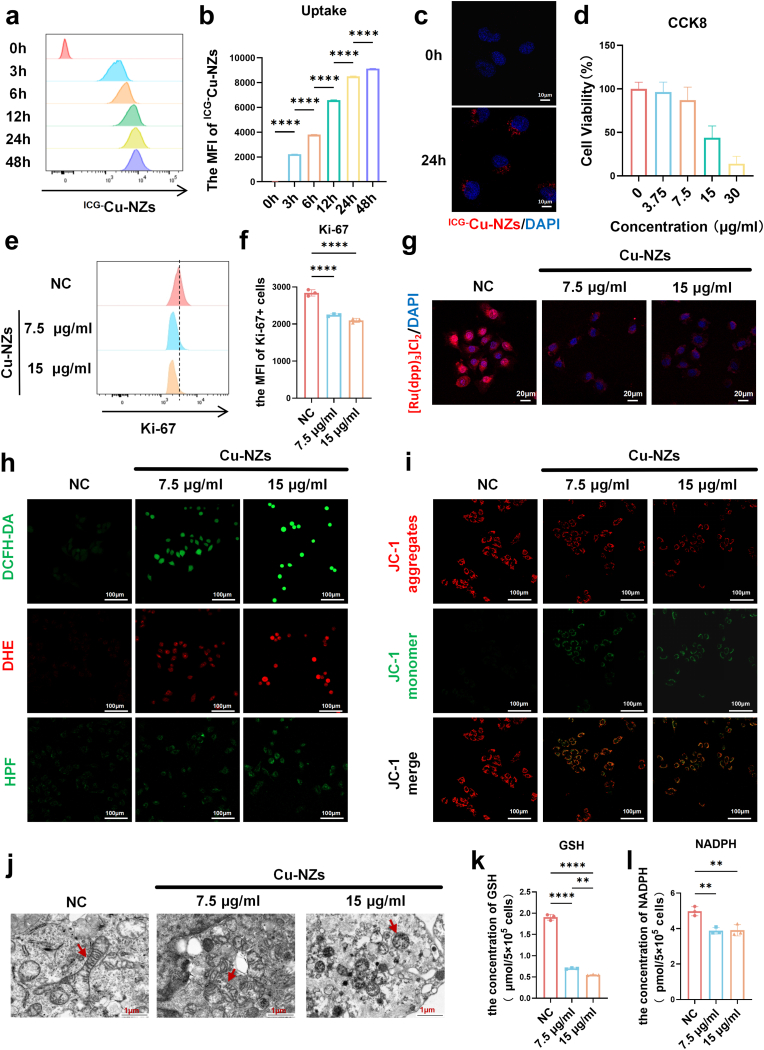 Figure 5
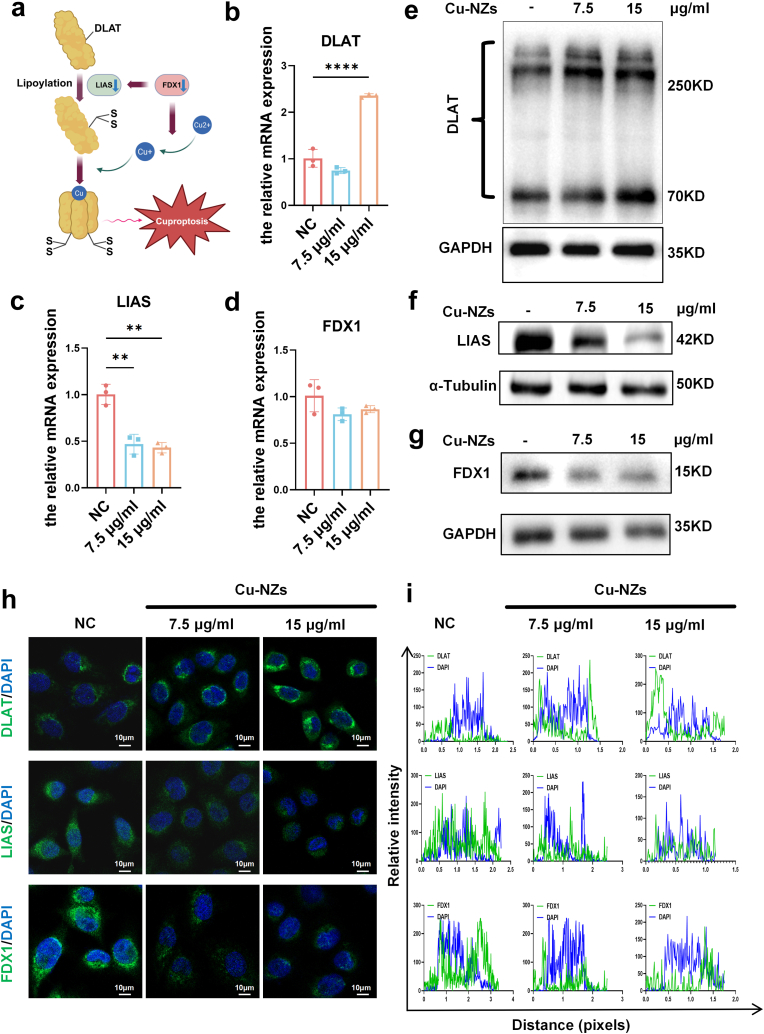 Figure 6
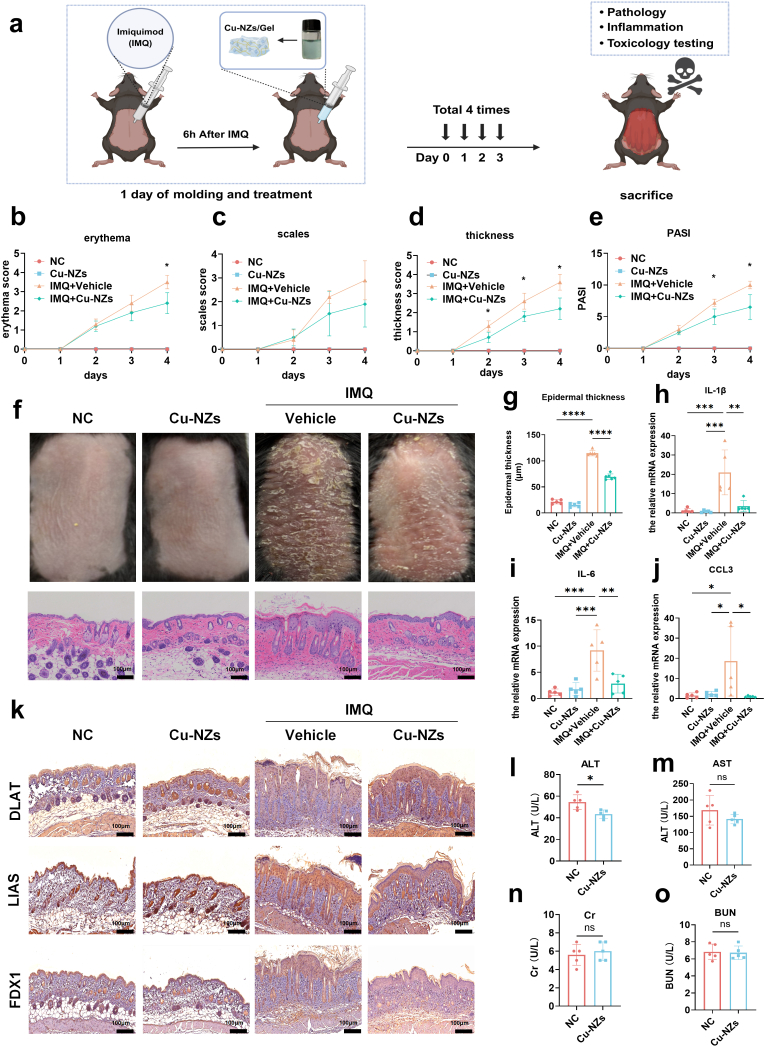 Figure 7
Peer Reviews
No public reviews on file for this paper yet. If you reviewed it on a platform where reviews are public (OpenReview, ICLR, NeurIPS, ICML), you can paste yours below so the community can read it here.
Videos
No videos yet. Explain this paper in a talk, walkthrough, or lecture? Add one.
Taxonomy
TopicsAdvanced Nanomaterials in Catalysis · Nanoplatforms for cancer theranostics · Neutrophil, Myeloperoxidase and Oxidative Mechanisms