OSMR coordinates a self-perpetuating circuit linking chemoresistance and neutrophil-driven immunosuppression in gastric cancer
Dan Wei, Jiang Chen, Feihu Bai, Donglin Li, Jie Liu, Hongjia Dou, Yan Lei, Yongzhen Zhang, Bo Zhang, Ying Pang, Changchun Cao, Tao Yang, Junling Han, Tianyu Cao

TL;DR
This study identifies OSMR as a key driver linking chemotherapy resistance and immune suppression in gastric cancer, offering a new therapeutic target.
Contribution
The study reveals a novel OSMR-driven feedback circuit connecting tumor survival and immune evasion in gastric cancer.
Findings
OSMR upregulation correlates with poor chemotherapy response and reduced CD8+T cell infiltration in gastric cancer patients.
OSMR activates PI3K/AKT signaling to sustain tumor survival and promotes neutrophil-mediated immunosuppression via BMP5 and PD-L1.
Blocking OSMR with vixarelimab synergizes with chemotherapy to overcome resistance and restore anti-tumor immunity in preclinical models.
Abstract
Chemoresistance and immunosuppression present major challenges in gastric cancer (GC) treatment, with their interplay remaining poorly understood. We identify the Oncostatin M receptor (OSMR) as a central regulator coordinating both chemoresistance and neutrophil-mediated immunosuppression. OSMR was significantly upregulated in GC patients, correlating with poor chemotherapy response and reduced CD8+T cell infiltration. Mechanistically, OSMR directly recruits PI3K, amplifying PI3K/AKT signaling to increase cyclin E2 (CCNE2) expression, thereby sustaining tumor cell survival under chemotherapy-induced stress. Crucially, we uncovered a novel immunoregulatory cascade: OSMR drives BMP5 transcriptional activation, orchestrating N2-polarization of tumor-associated neutrophils (TANs) and upregulating PD-L1 expression on TANs, ultimately impairing CD8+T cell cytotoxicity. Dysfunctional CD8+T…
Genes, proteins, chemicals, diseases, species, mutations and cell lines named across the full text — each resolved to its canonical identifier and authoritative record.
Click any figure to enlarge with its caption.
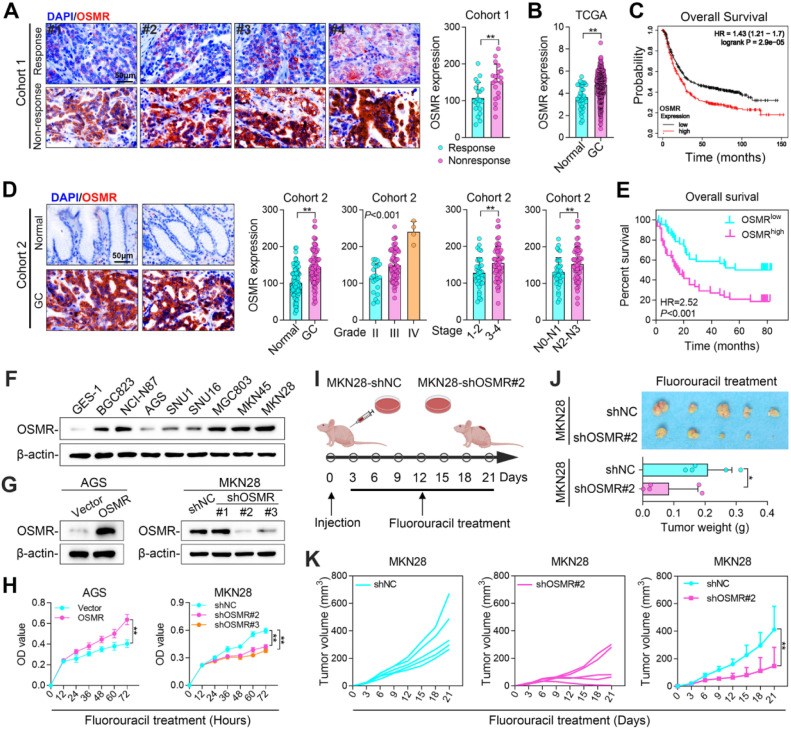 Figure 1
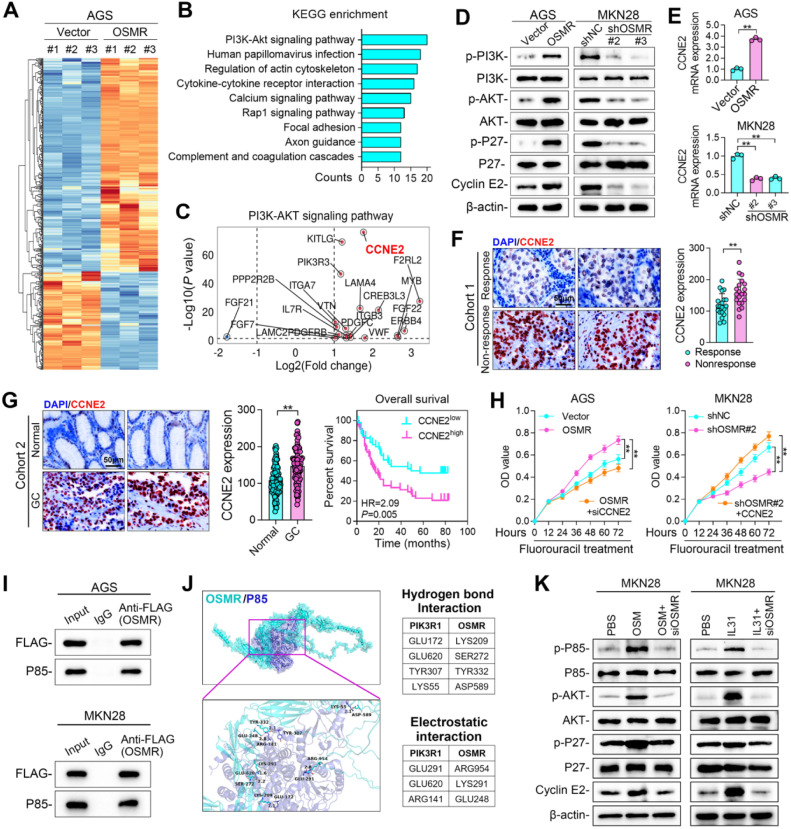 Figure 2
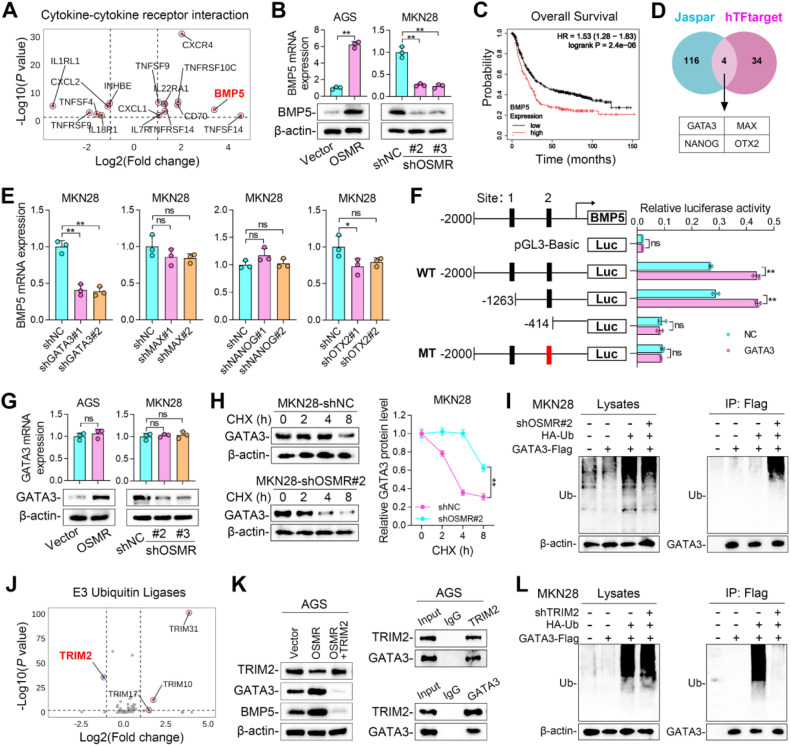 Figure 3
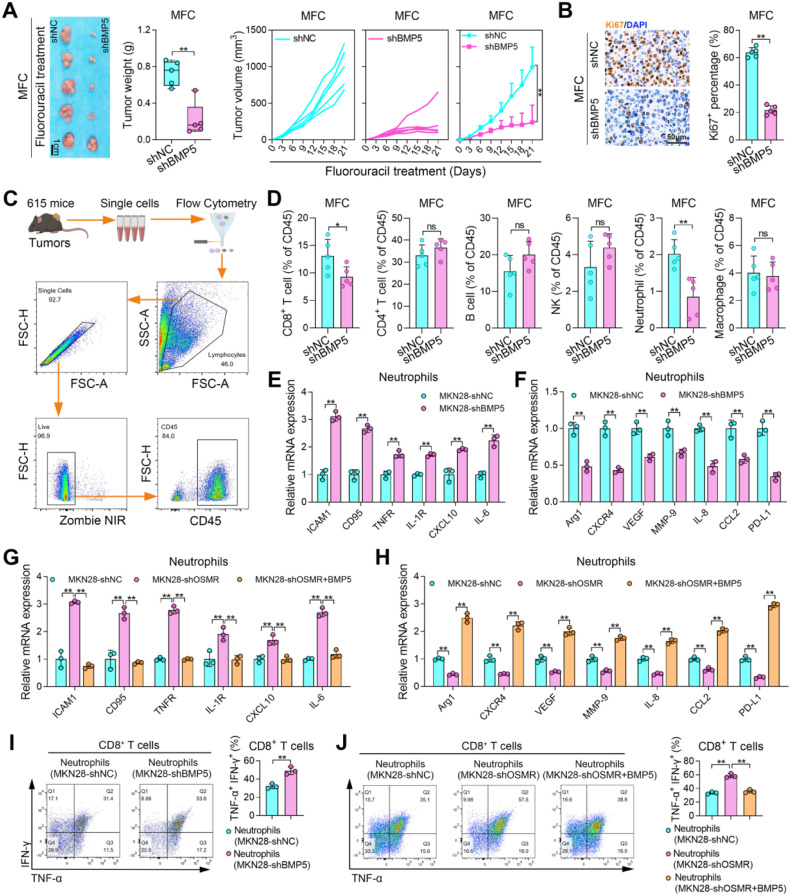 Figure 4
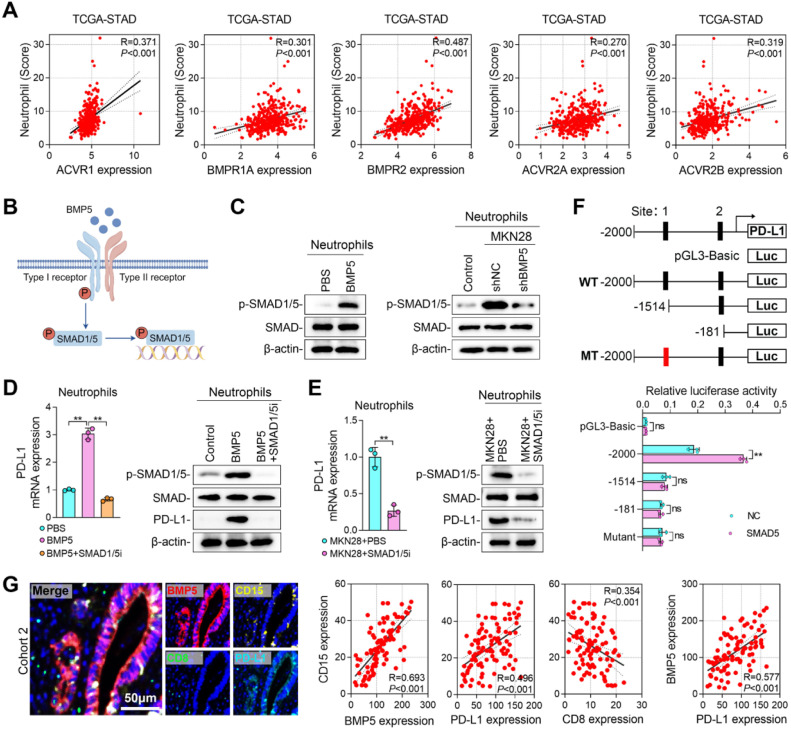 Figure 5
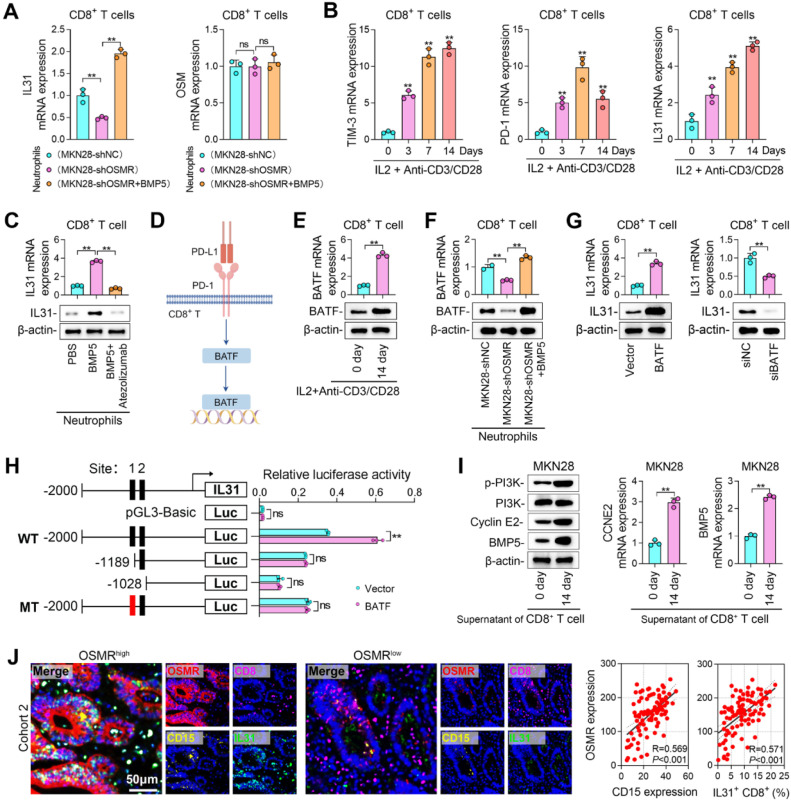 Figure 6
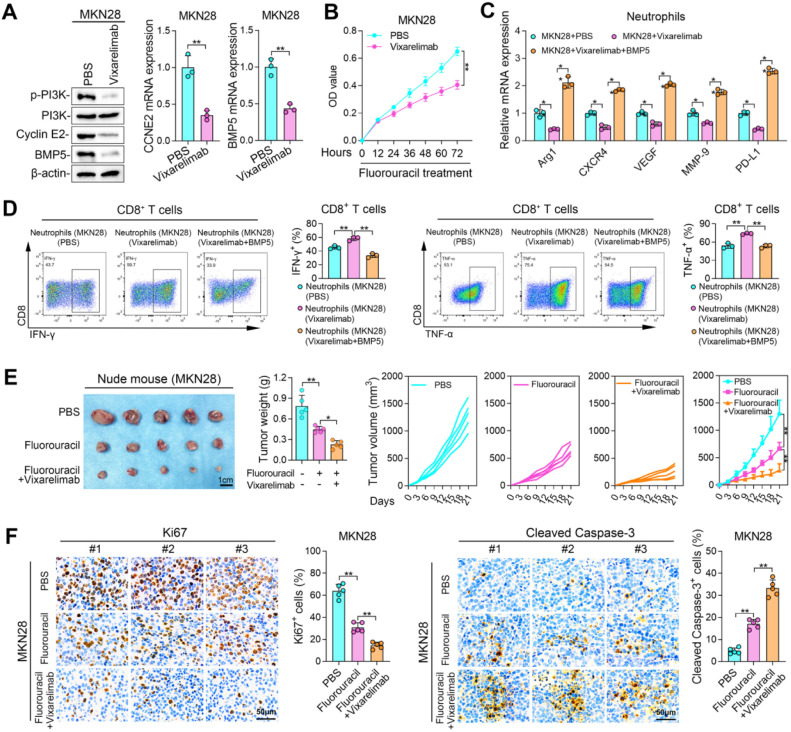 Figure 7
Peer Reviews
No public reviews on file for this paper yet. If you reviewed it on a platform where reviews are public (OpenReview, ICLR, NeurIPS, ICML), you can paste yours below so the community can read it here.
Videos
No videos yet. Explain this paper in a talk, walkthrough, or lecture? Add one.
Taxonomy
TopicsImmune cells in cancer · Cancer Research and Treatments · Cytokine Signaling Pathways and Interactions