Structural modification of egg white proteins enhances electrostatic complexation with sodium alginate and hydrogel particle formation: mechanistic insights and functional applications
Fan Zhang, Hangxin Zhu, Fangfang Li, Bongkosh Vardhanabhuti, Azlin Mustapha, Yujie Su, Yanjun Yang, Zipei Zhang

TL;DR
Researchers modified egg white proteins to make them more flexible, enabling better binding with sodium alginate to form stable hydrogel particles that can protect fish oil from oxidation.
Contribution
The study introduces a method to enhance the structural flexibility of egg white proteins for improved hydrogel formation and bioactive compound stabilization.
Findings
pH 13 and 50 °C treatment maximized EWP structural flexibility and electrostatic complexation with sodium alginate.
Modified EWP formed uniform hydrogel particles that effectively encapsulated fish oil emulsions.
Encapsulated fish oil showed improved oxidative and dispersion stability compared to unencapsulated emulsions.
Abstract
Many bioactive compounds, such as fish oil, are prone to oxidation, which limits their incorporation into functional foods. Egg white proteins (EWP) have notable antioxidant properties, making them promising candidates for stabilizing such compounds, but their compact globular structure limits flexibility and reduces their ability to form stable hydrogel particles with polysaccharides. Based on this, the purpose of this study was to explore the structural modification of EWP via pH-shifting and heat treatment to enhance their electrostatic complexation with sodium alginate (NaAlg) and subsequent hydrogel particle formation. We compared different modification treatments and found that treatment at pH 13 and 50 °C produced the optimal effect, effectively exposing tryptophan and tyrosine residues and increasing the structural flexibility of EWP while maintaining its ionization properties.…
Genes, proteins, chemicals, diseases, species, mutations and cell lines named across the full text — each resolved to its canonical identifier and authoritative record.
Click any figure to enlarge with its caption.
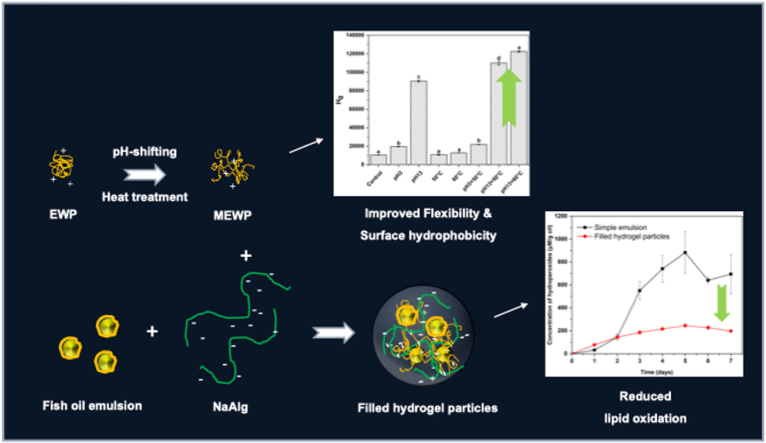 Figure 1
 Figure 2
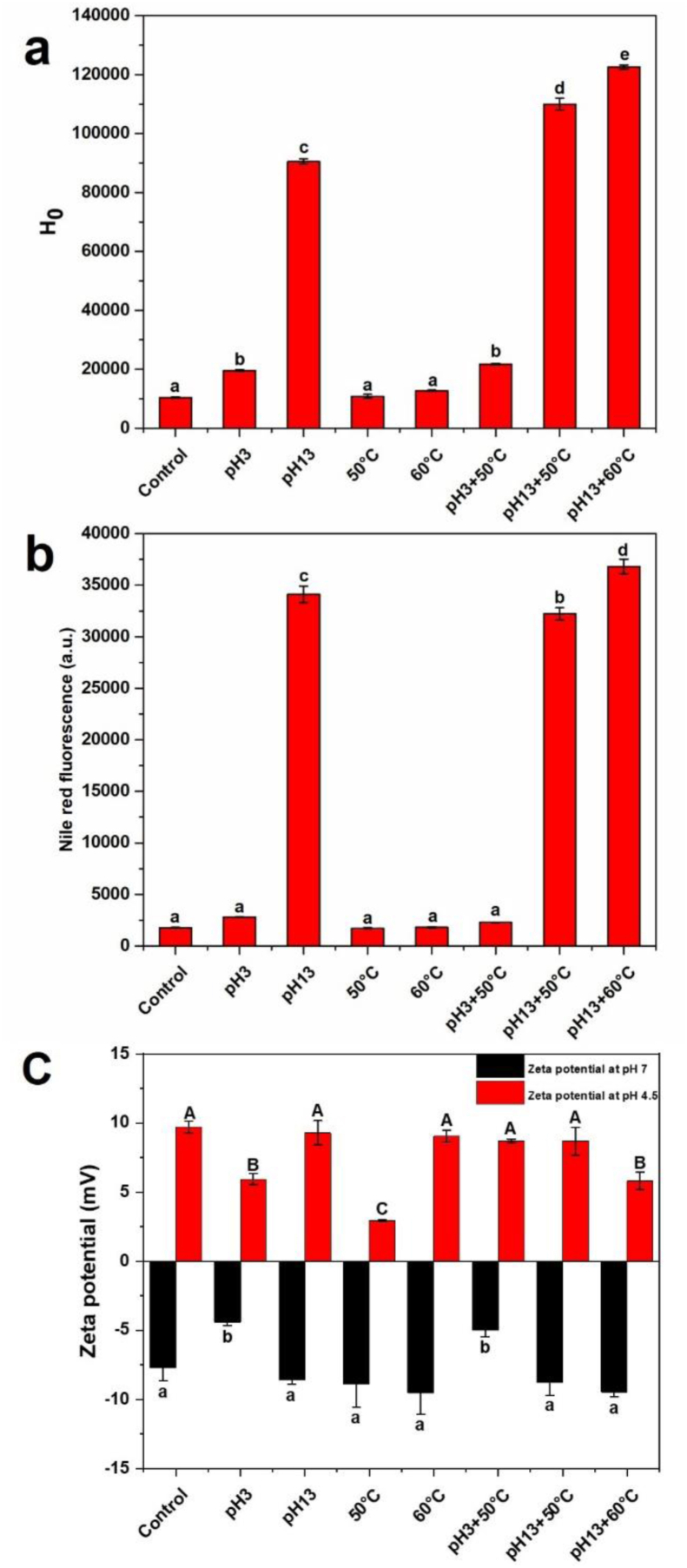 Figure 3
 Figure 4
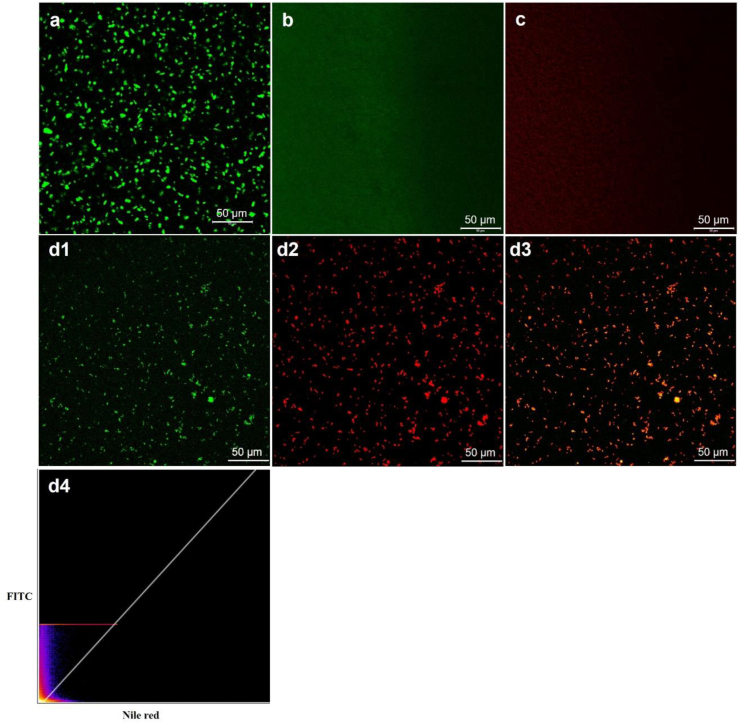 Figure 5
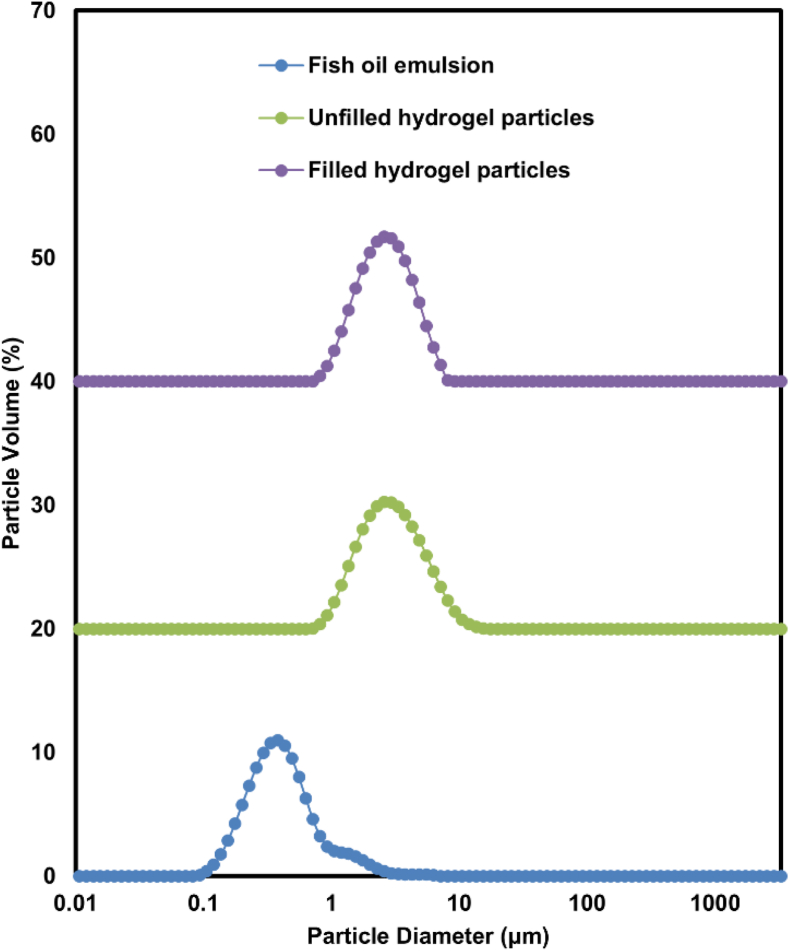 Figure 6
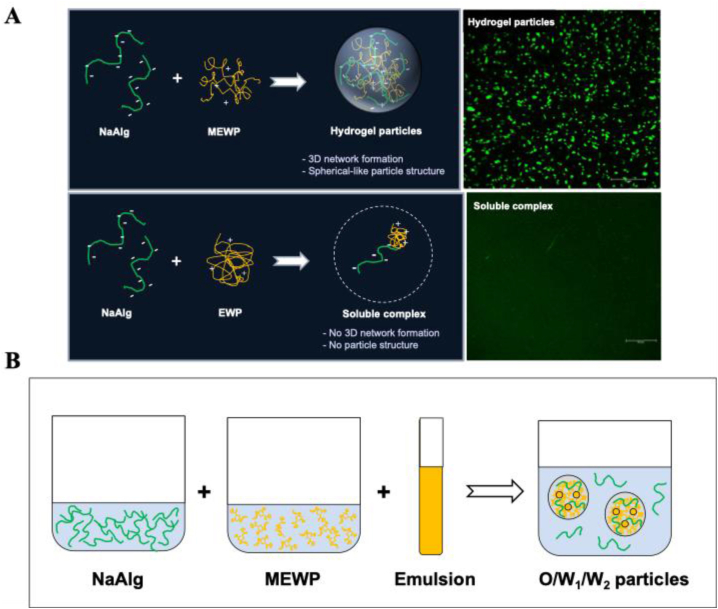 Figure 7
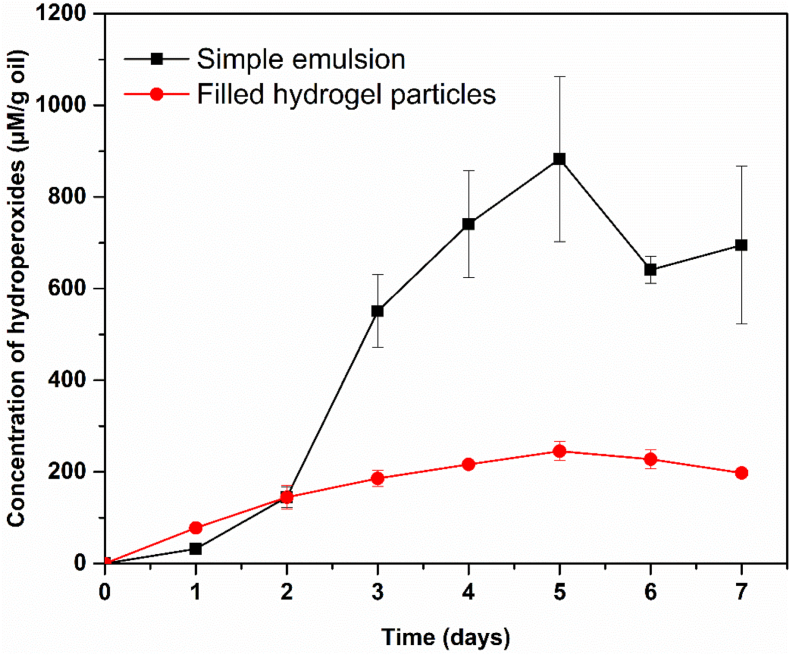 Figure 8
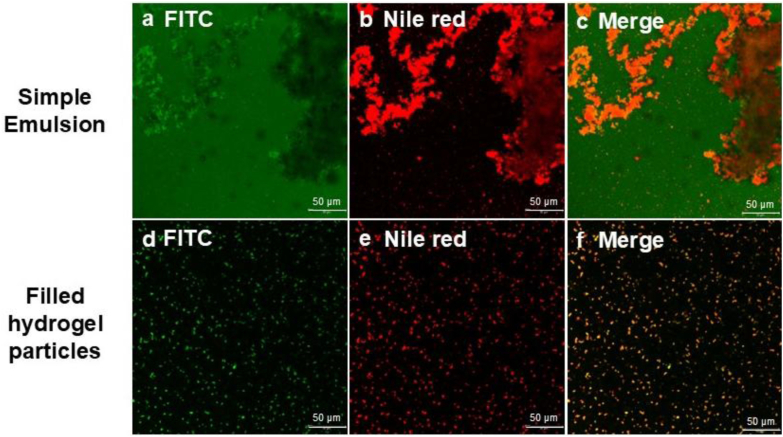 Figure 9
Peer Reviews
No public reviews on file for this paper yet. If you reviewed it on a platform where reviews are public (OpenReview, ICLR, NeurIPS, ICML), you can paste yours below so the community can read it here.
Videos
No videos yet. Explain this paper in a talk, walkthrough, or lecture? Add one.
Taxonomy
TopicsProteins in Food Systems · Protein Hydrolysis and Bioactive Peptides · Probiotics and Fermented Foods