Transcriptomic differences in immune- and stress-related pathways associated with artificial rearing in the endangered hog deer (Axis porcinus)
Ya Ma, Kangning Huang, Guangyao Geng, Fei Cao, Bingfu Sha, Enle Pei

TL;DR
Artificial rearing in endangered hog deer alters immune and stress-related genes, potentially improving survival in captivity but possibly weakening early pathogen detection.
Contribution
This study provides the first transcriptomic analysis of artificial rearing effects in endangered hog deer, revealing molecular shifts in immunity and metabolism.
Findings
Artificially reared hog deer show upregulated adaptive immune pathways and downregulated innate immune and stress response genes.
Reduced expression of nucleotide excision repair and inflammatory pathways suggests improved adaptation to captivity.
Altered lipid and amino acid metabolism in the artificial group may reflect differences in early nutrition.
Abstract
The hog deer (Axis porcinus), an endangered cervid species, has experienced severe population declines, making captive breeding essential for conservation. Artificial rearing has been implemented at the Shanghai Zoo, China, to improve fawn survival; however, its physiological impacts remain unclear. To elucidate the molecular consequences of different rearing modes, we conducted a comparative blood transcriptome analysis between artificially and naturally reared hog deer. Whole-blood RNA sequencing of 10 hog deer individuals (six naturally and four artificially reared at the Shanghai Zoo) generated 84.3 Gb of high-quality data. De novo assembly produced 178,336 unigenes, with 40.2% annotated against the NCBI non-redundant database, mainly matching cervid species. Expression profiling and principal component analysis revealed clear segregation between groups. Differential expression…
Genes, proteins, chemicals, diseases, species, mutations and cell lines named across the full text — each resolved to its canonical identifier and authoritative record.
Click any figure to enlarge with its caption.
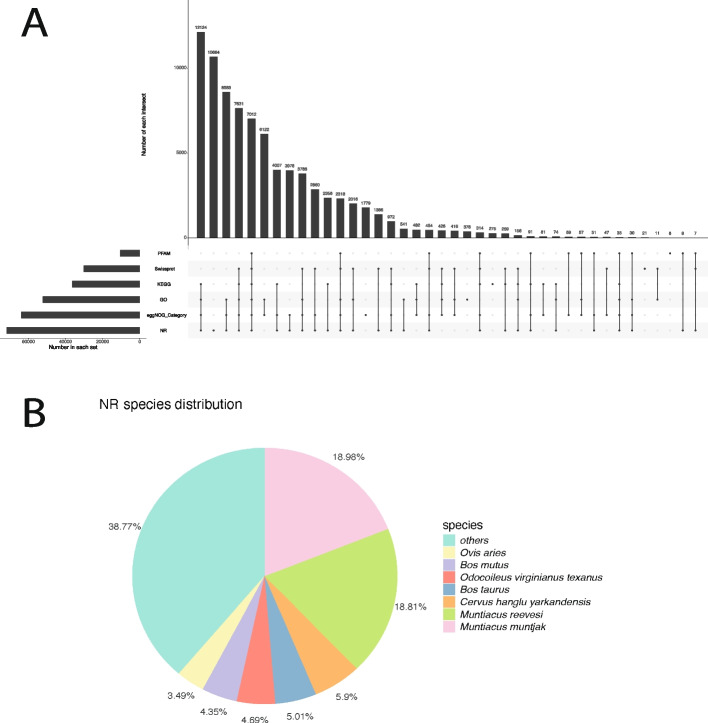 Figure 1
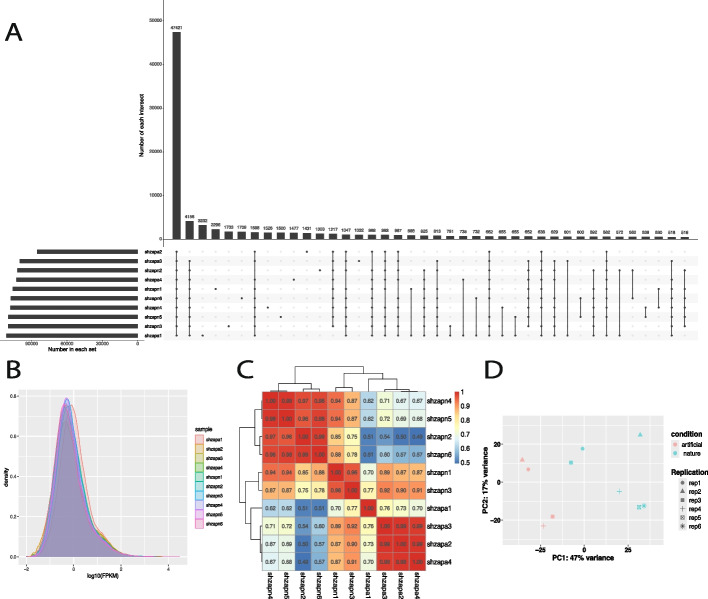 Figure 2
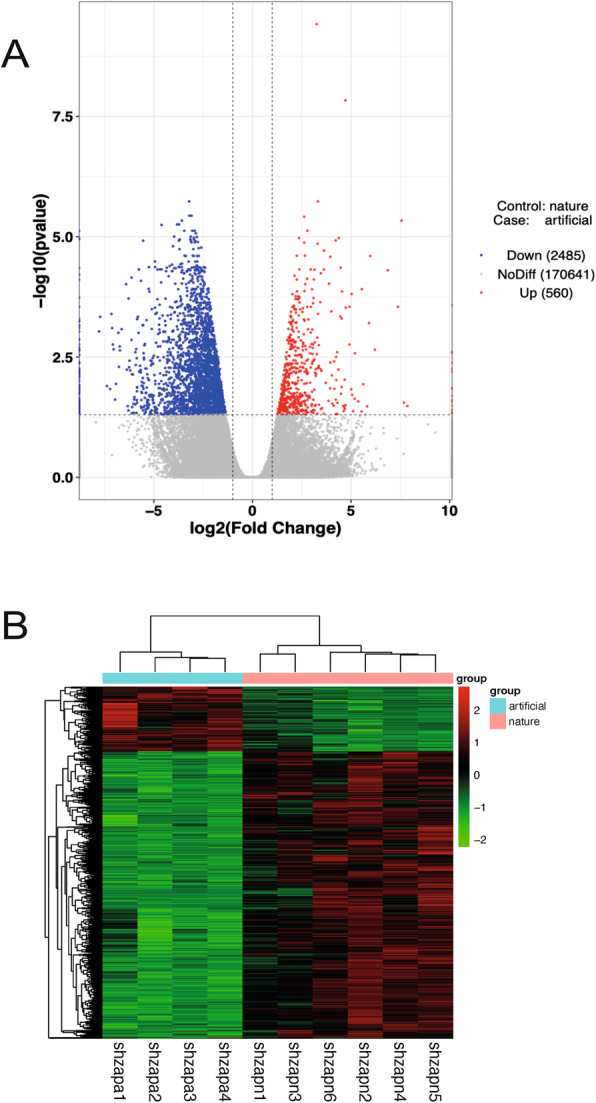 Figure 3
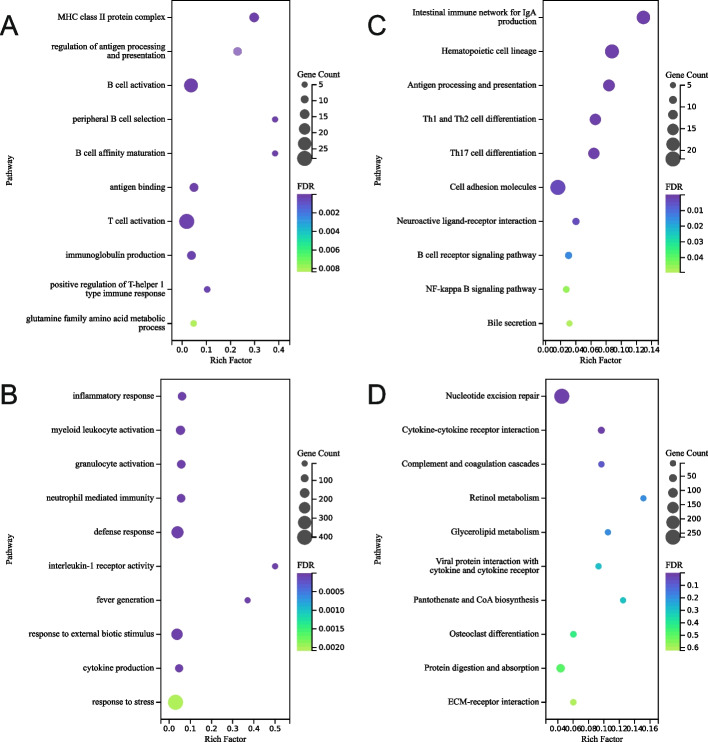 Figure 4
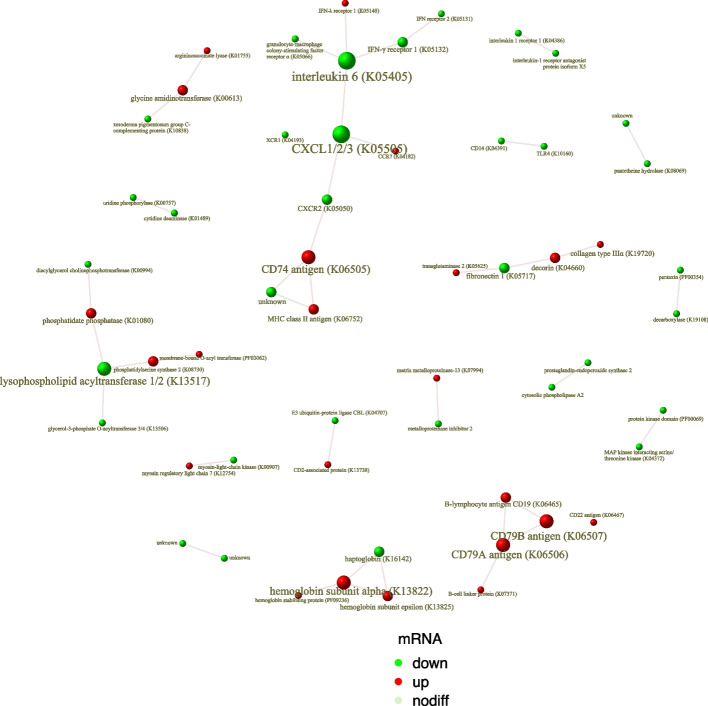 Figure 5
Peer Reviews
No public reviews on file for this paper yet. If you reviewed it on a platform where reviews are public (OpenReview, ICLR, NeurIPS, ICML), you can paste yours below so the community can read it here.
Videos
No videos yet. Explain this paper in a talk, walkthrough, or lecture? Add one.
Taxonomy
TopicsAnimal Behavior and Welfare Studies · Wildlife Ecology and Conservation · Rabbits: Nutrition, Reproduction, Health