Simulating treatment effects for gonorrhoea using a within-host mathematical model
Pavithra Jayasundara, David G. Regan, Philip Kuchel, James G. Wood

TL;DR
Researchers used a mathematical model to simulate antibiotic treatments for gonorrhoea, finding that intracellular drug concentrations are critical for treatment success.
Contribution
The study introduces an extended within-host model integrating pharmacokinetic and pharmacodynamic features to evaluate treatment regimens for gonorrhoea.
Findings
Treatment success depends on clearing intracellular Neisseria gonorrhoeae, not just extracellular bacteria.
The AUC/MIC index using intracellular gepotidacin concentration effectively distinguishes treatment success and failure.
Dual treatment with gentamicin and azithromycin showed less informative PK thresholds compared to monotreatment.
Abstract
Neisseria gonorrhoeae (NG) bacteria have evolved resistance to many of the antibiotics used to treat gonorrhoea infection. To explore potential treatment options for gonorrhoea, we extend a previously developed within-host mathematical model to integrate treatment dynamics by accounting for key pharmacokinetic (PK) and pharmacodynamic (PD) features. This extended model was used to investigate different treatment regimens for two potential drugs: monotreatment with gepotidacin, and dual treatment with gentamicin and azithromycin. The simulated treatment success rates aligned well with the limited clinical trial data available. The simulation results indicated that antibiotic treatment failure is associated with failure to successfully clear intracellular NG (NG residing within epithelial cells and neutrophils), and extracellular PK indices alone cannot differentiate between treatment…
Genes, proteins, chemicals, diseases, species, mutations and cell lines named across the full text — each resolved to its canonical identifier and authoritative record.
Click any figure to enlarge with its caption.
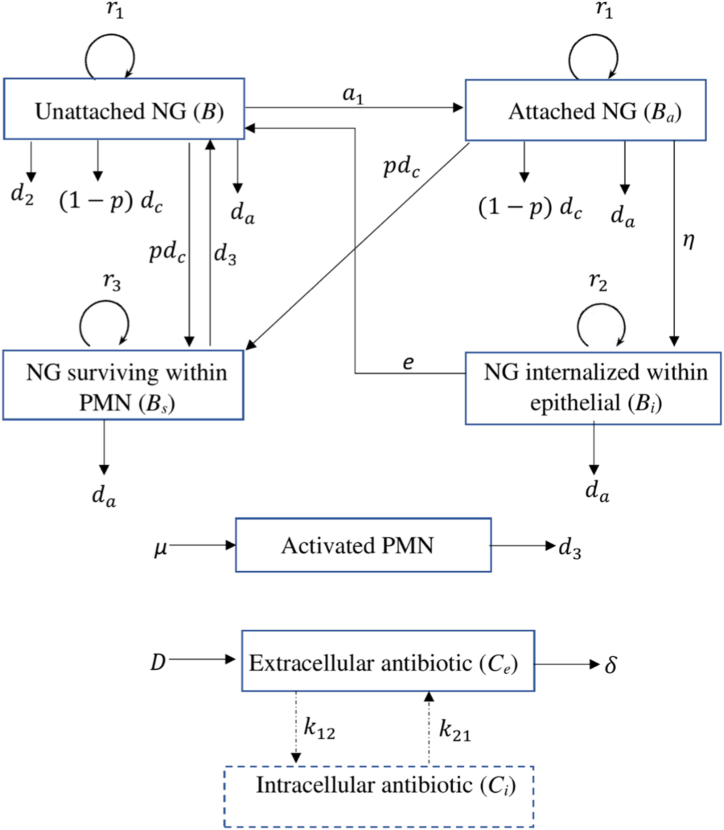 Figure 1
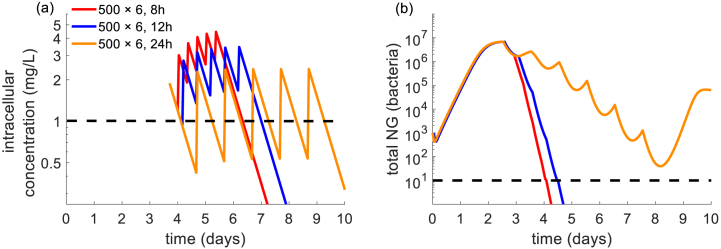 Figure 2
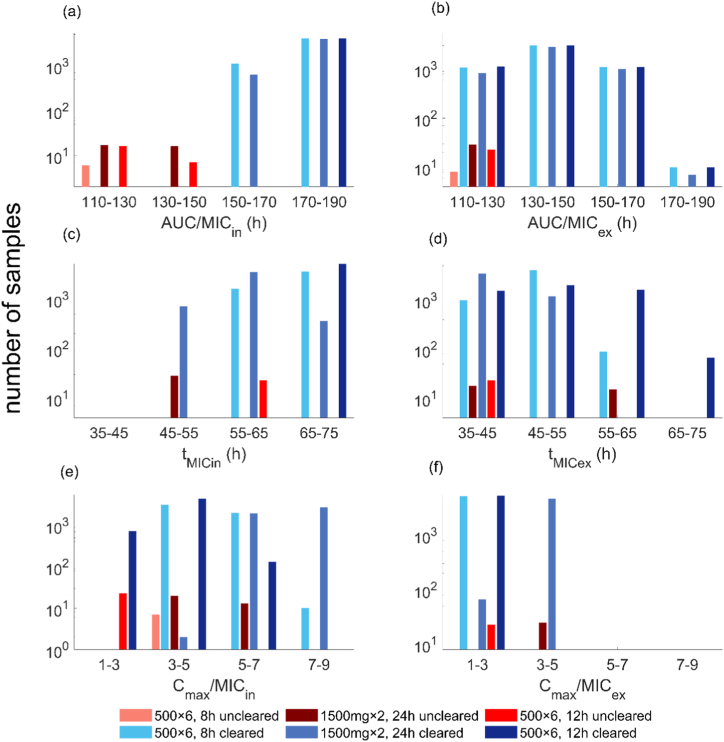 Figure 3
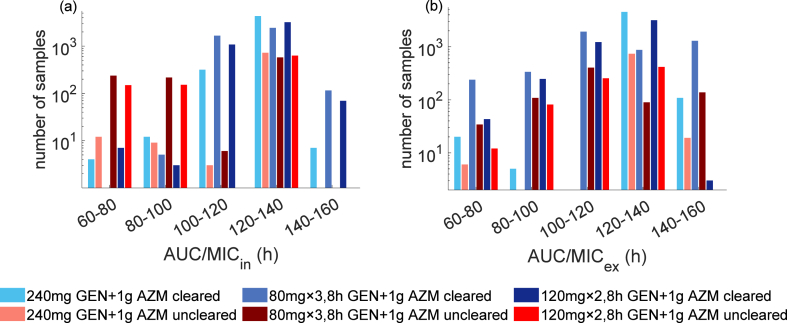 Figure 4
Peer Reviews
No public reviews on file for this paper yet. If you reviewed it on a platform where reviews are public (OpenReview, ICLR, NeurIPS, ICML), you can paste yours below so the community can read it here.
Videos
No videos yet. Explain this paper in a talk, walkthrough, or lecture? Add one.
Taxonomy
TopicsBacterial Infections and Vaccines · Reproductive tract infections research · vaccines and immunoinformatics approaches