Prevalence and factors associated with concomitant bacteremia among adults admitted with severe malaria at Kayunga Regional Referral Hospital, Uganda
Farah Dubad Abdi, Abishir Mohamud Hirsi, Mutaz Ali, Abdifatah Hersi Karshe, Abdisalam Ahmed Sandeyl, Abdisamed Guled Hersi, Abdirizak Abdinasir Yusuf, Hailemariam Kassahun Bekele, Abdifitah Abdullahi Mohamed, Mohamed Jayte, Agwu Ezera

TL;DR
This study finds that about 14.5% of adults with severe malaria in Uganda also have bacteremia, with certain symptoms and lab results indicating higher risk.
Contribution
The study provides new data on bacteremia prevalence and risk factors in adults with severe malaria in a Ugandan hospital setting.
Findings
14.5% of adults with severe malaria had bacteremia.
CNS symptoms, low oxygen saturation, hyperparasitaemia, and leucocytosis were linked to higher bacteremia risk.
Salmonella typhi, Staph aureus, and Streptococcus spp. were the most common bacteria.
Abstract
Malaria-bacteremia co-infection significantly increases mortality and the risk of ICU admission. Diagnostic overlap with bacterial infections often results in misdiagnosis, impacting outcomes. While pediatric data exists, adult studies in Uganda are limited. This study aimed to determine the prevalence, bacterial isolates, and associated factors of bacteremia in adults with severe malaria at Kayunga Regional Referral Hospital. A cross-sectional study enrolled 207 adults with severe malaria. Blood samples were cultured, and isolates tested for antimicrobial susceptibility. Sociodemographic, clinical, and laboratory data were collected using structured tools. Logistic regression in SPSS version 26 was done to determine the significant factors. The outcome predicted was the presence of bacterium. P < 0.05 was considered significant. Of the 207 participants, 14.5% had bacteremia. Central…
Genes, proteins, chemicals, diseases, species, mutations and cell lines named across the full text — each resolved to its canonical identifier and authoritative record.
Click any figure to enlarge with its caption.
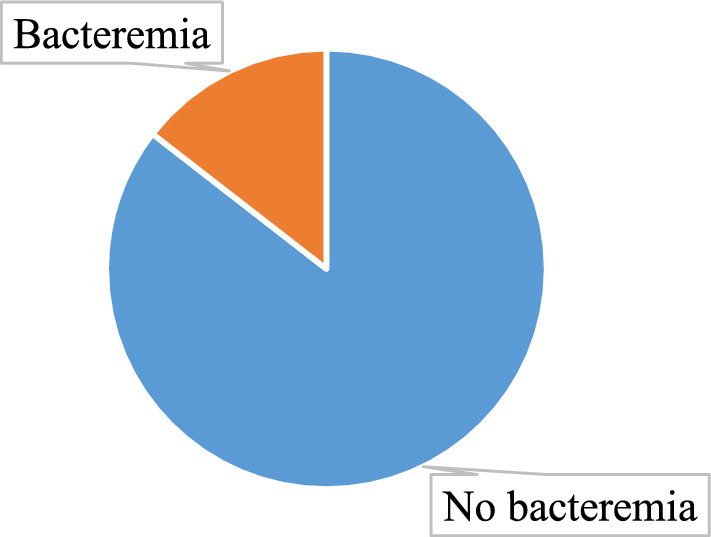 Figure 1
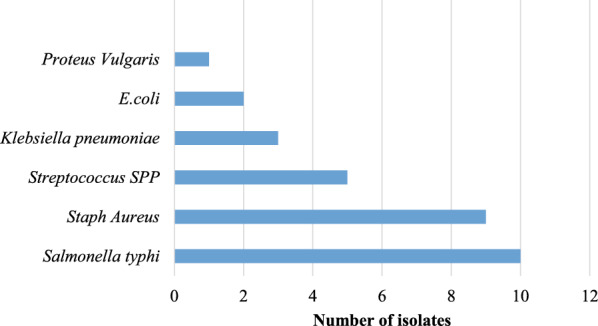 Figure 2
Peer Reviews
No public reviews on file for this paper yet. If you reviewed it on a platform where reviews are public (OpenReview, ICLR, NeurIPS, ICML), you can paste yours below so the community can read it here.
Videos
No videos yet. Explain this paper in a talk, walkthrough, or lecture? Add one.
Taxonomy
TopicsMalaria Research and Control · Sepsis Diagnosis and Treatment · Antibiotic Use and Resistance