Elevator‐Like Hollow Channels in Porous Scaffolds Accelerate Vascularized Bone Regeneration via NETs‐Fibrin‐Mediated Macrophage Recruitment
Guifang Wang, Rongpu Liu, Huijing Ma, Shuhan Duan, Guangzheng Yang, LingXi Meng, Yuqin Qiao, Dongqiang Song, Wenjie Zhang

TL;DR
Hollow channels in bone scaffolds speed up blood vessel and bone growth by guiding immune cells and proteins to form a supportive network.
Contribution
The study reveals a novel immunomodulatory mechanism of hollow-channel scaffolds in vascularized bone regeneration.
Findings
Hollow channels enable rapid infiltration of fibrinogen and platelets, initiating a biological cascade involving neutrophils and macrophages.
The NETs-fibrin matrix promotes directional vascular invasion and enhances angiogenic-osteogenic coupling.
The strategy significantly improves bone regeneration and offers a clinically translatable solution.
Abstract
Developing viable tissue‐engineered constructs for large‐scale bone defects remains a fundamental challenge due to the difficulty of establishing adequate vascular networks. Channel structures act as biological elevators, rapidly promoting vascularization in scaffold materials. However, the underlying mechanisms driving this accelerated process remain unclear. In this study, porous silk fibroin (SF) scaffolds with hollow channels are engineered to investigate their vascularization‐accelerating mechanisms. It is demonstrated that the channels enable the rapid infiltration of fibrinogen and platelets. This initiates a sequential biological cascade involving neutrophil recruitment, the formation of neutrophil extracellular traps (NETs), and subsequent macrophage migration. This coordinated process generates a provisional yet bioactive matrix that promotes directional vascular invasion.…
Genes, proteins, chemicals, diseases, species, mutations and cell lines named across the full text — each resolved to its canonical identifier and authoritative record.
Click any figure to enlarge with its caption.
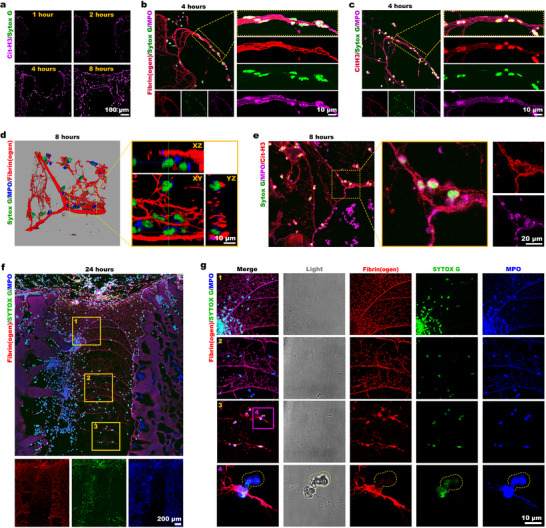 Figure 1
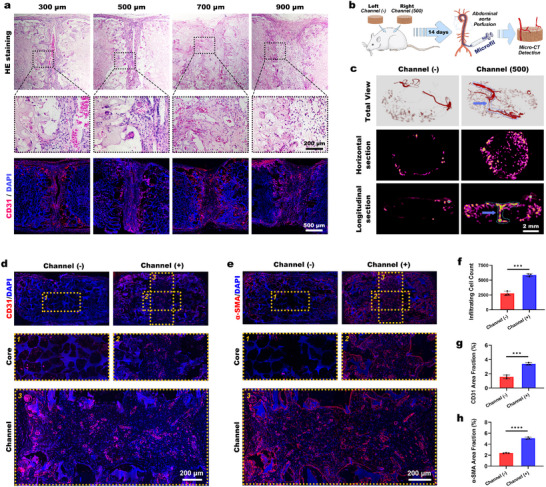 Figure 2
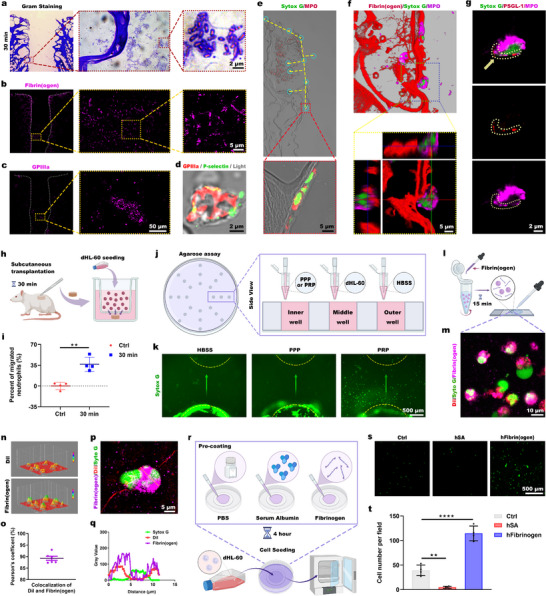 Figure 3
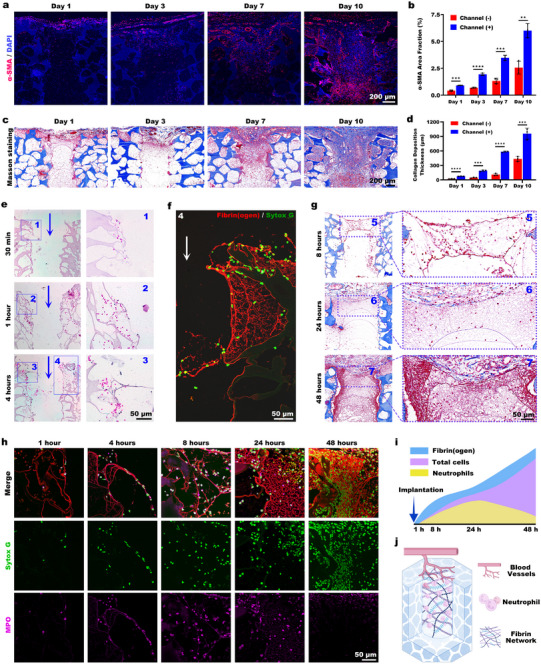 Figure 4
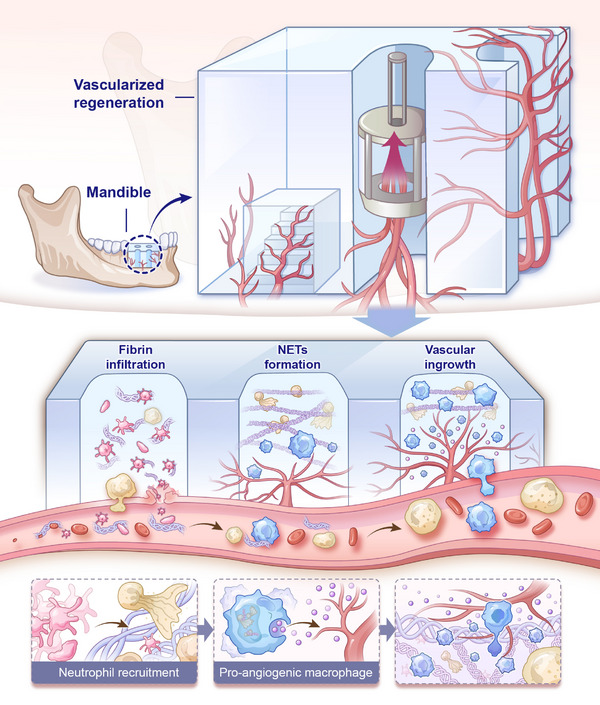 Figure 5
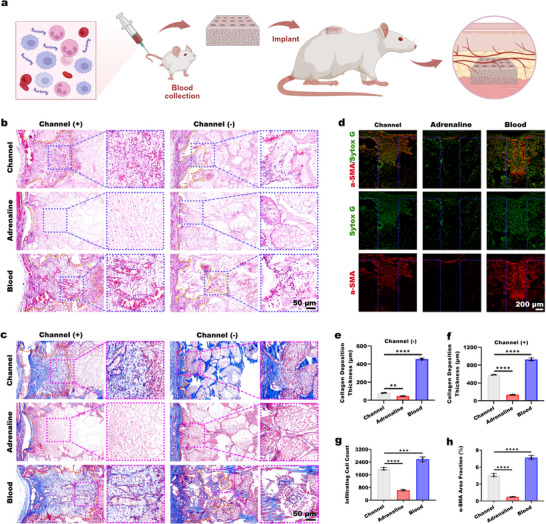 Figure 6
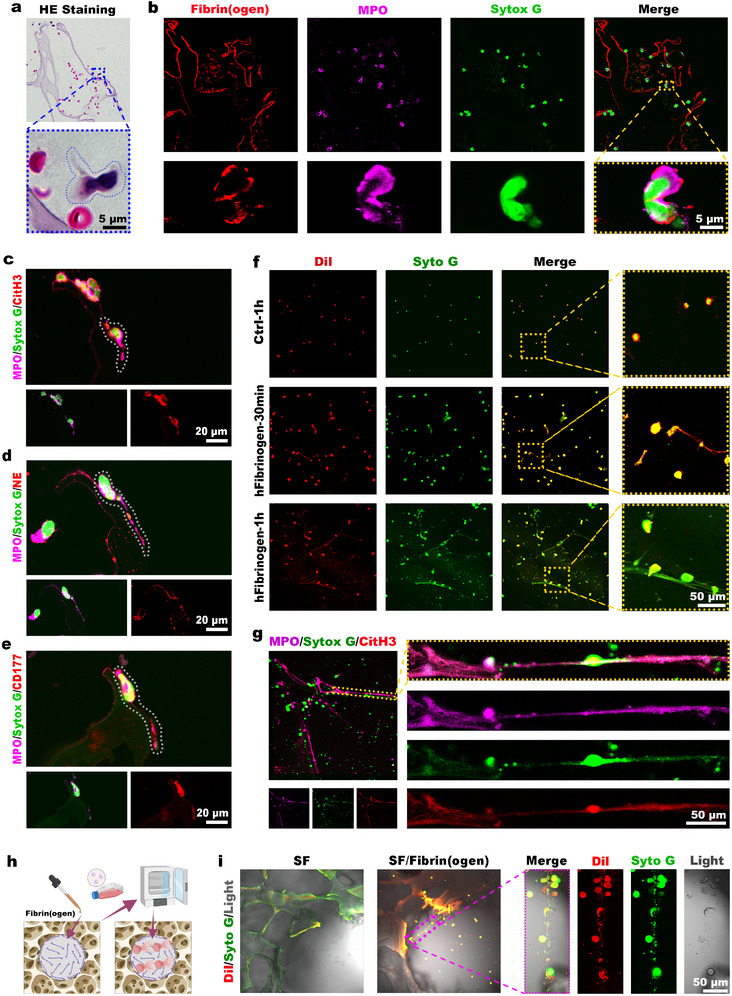 Figure 7
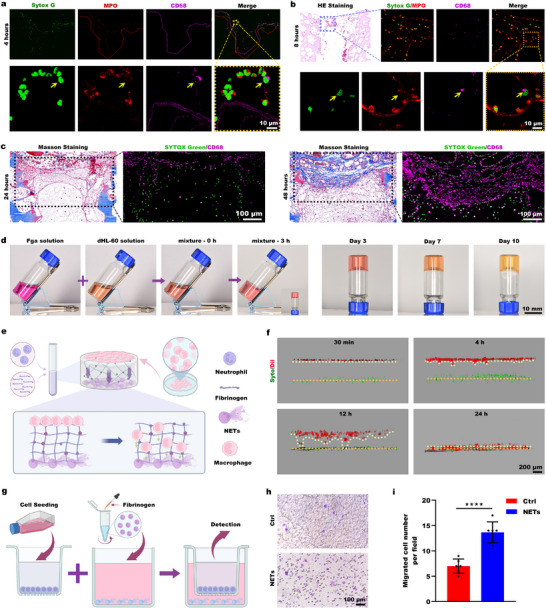 Figure 8
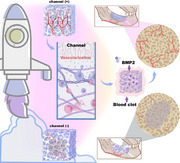 Figure 9
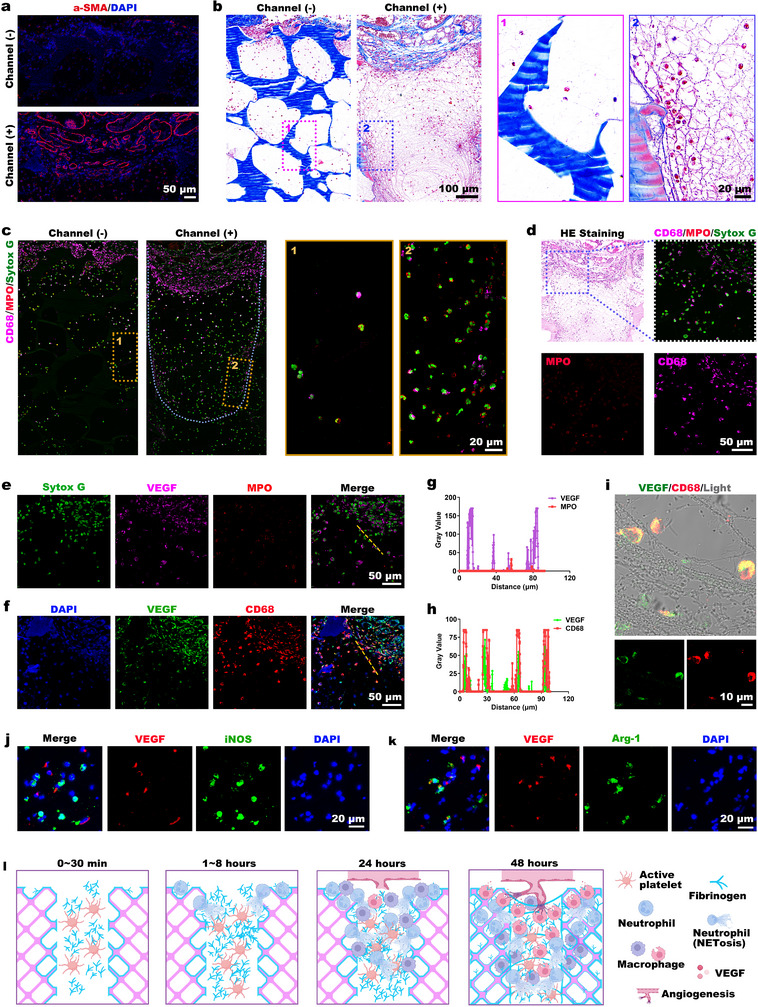 Figure 10
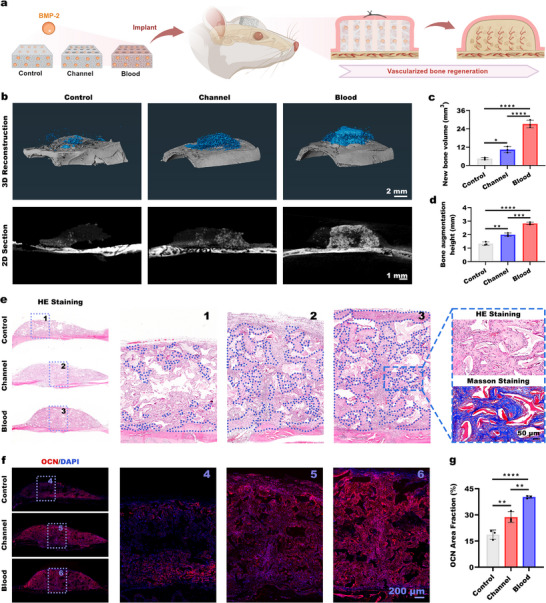 Figure 11
Peer Reviews
No public reviews on file for this paper yet. If you reviewed it on a platform where reviews are public (OpenReview, ICLR, NeurIPS, ICML), you can paste yours below so the community can read it here.
Videos
No videos yet. Explain this paper in a talk, walkthrough, or lecture? Add one.
Taxonomy
TopicsBone Tissue Engineering Materials · 3D Printing in Biomedical Research · Immune cells in cancer