Safety and Efficacy of Adoptive Transfer of Stem Cell Memory Enriched Virus Specific T Cells against CMV and EBV
Xun‐Hong Cao, Xu‐Ying Pei, Yuan‐Yuan Zhang, Juan Xie, Jing‐Wei Tu, Zhuo‐Jun Liu, Yi‐Yang Ding, Chen‐Hua Yan, Yu‐Hong Chen, Yu Wang, Lan‐Ping Xu, Xiao‐Hui Zhang, Xiao‐Jun Huang, Xiang‐Yu Zhao

TL;DR
This study shows that T memory stem cells enriched with virus-specific T cells are more effective and safer for treating CMV and EBV infections.
Contribution
The study introduces TSCM-enriched virus-specific T cells as a novel, scalable immunotherapy with superior antiviral efficacy.
Findings
TSCM-VSTs show reduced exhaustion, enhanced expansion, and stronger antiviral activity compared to TCM or TEM VSTs.
TSCM-VSTs provide better protection against Raji-pp65 tumors in a murine model.
A phase I trial showed 100% overall response rate with no severe adverse events in patients treated with TSCM-enriched VSTs.
Abstract
Adoptive immunotherapy with third‐party virus‐specific T lymphocytes (VSTs) is effective against refractory viral infections. However, its long‐term efficacy and persistence must be enhanced. T memory stem cells (TSCMs) with superior self‐renewal and multilineage differentiation potential may enhance VSTs durability, although their antiviral capacity is underexplored. Cytomegalovirus (CMV)‐and Epstein–Barr virus (EBV)‐specific T cells are enriched with CD8⁺ TSCM through cytokine and peptide stimulation. Comprehensive preclinical evaluations show that purified TSCM‐VSTs exhibit reduced exhaustion, enhanced expansion, and stronger antiviral activity than central or effector memory VSTs (TCM or TEM). Transcriptomic and epigenetic analyses show significant enrichment of the MAPK and Wnt signaling pathways, consistent with stem‐like characteristics. In a murine model, CD8⁺ TSCM VSTs provide…
Genes, proteins, chemicals, diseases, species, mutations and cell lines named across the full text — each resolved to its canonical identifier and authoritative record.
Click any figure to enlarge with its caption.
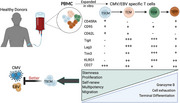 Figure 1
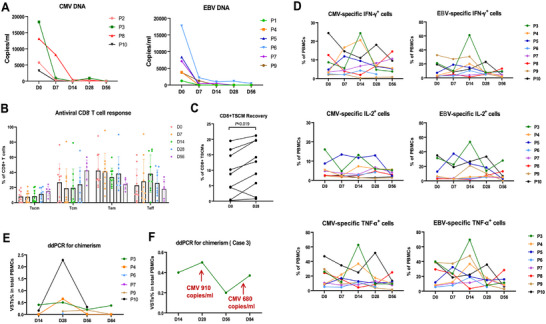 Figure 2
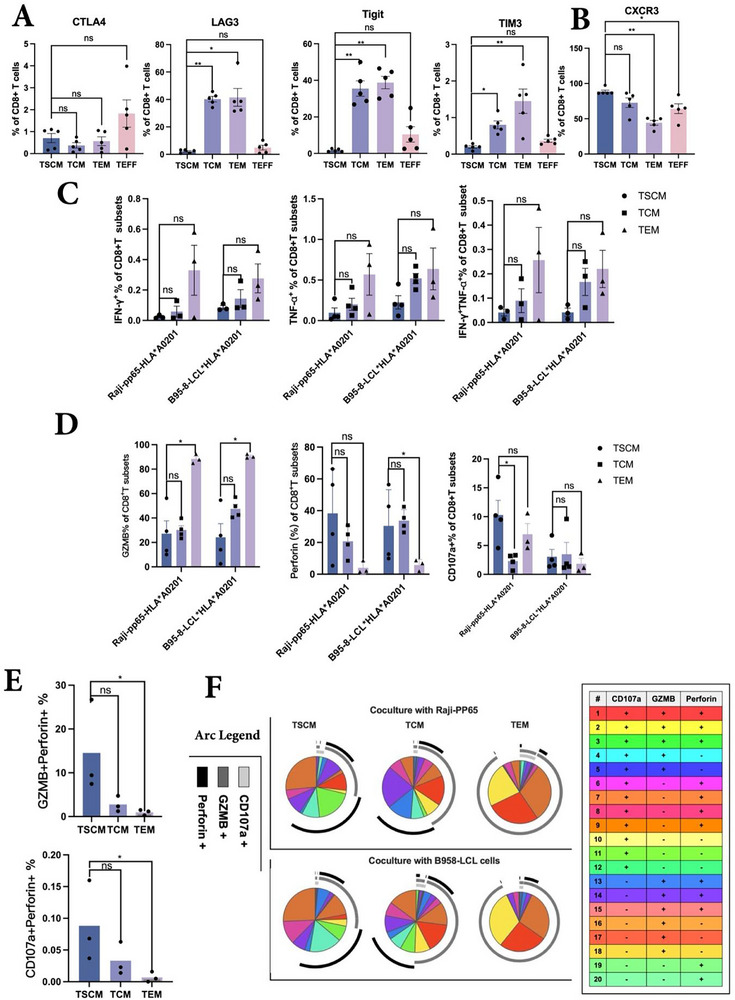 Figure 3
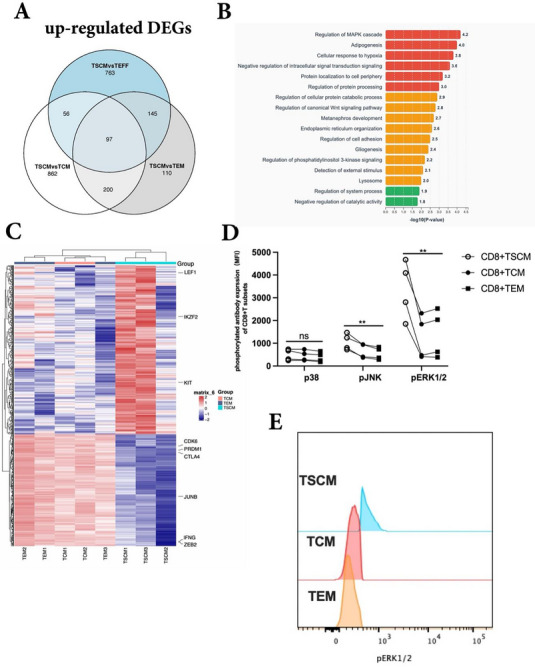 Figure 4
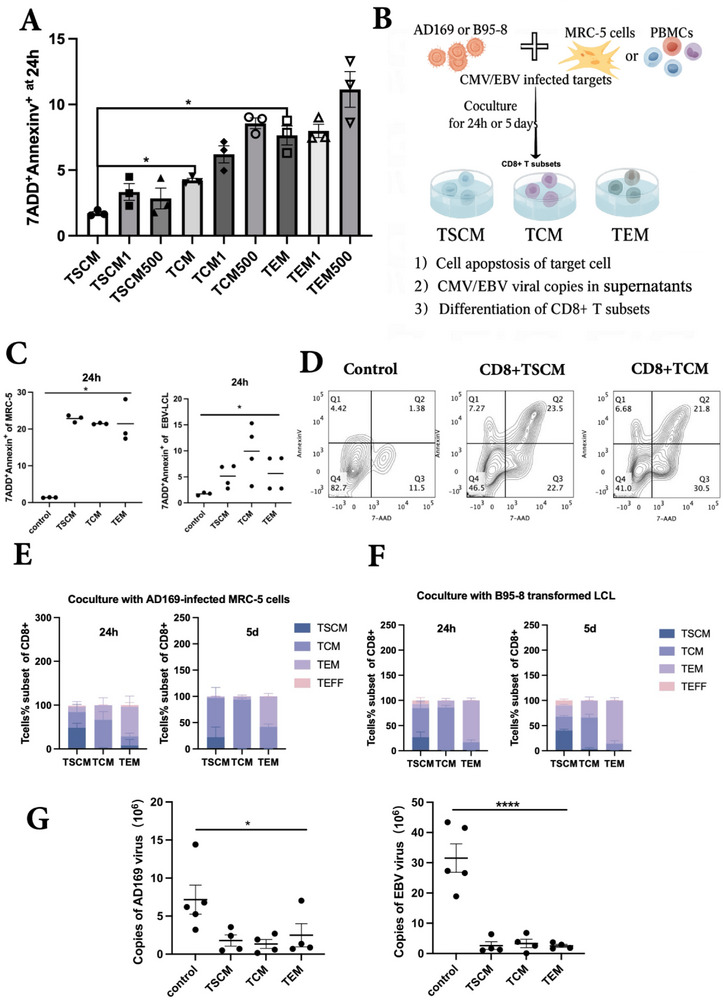 Figure 5
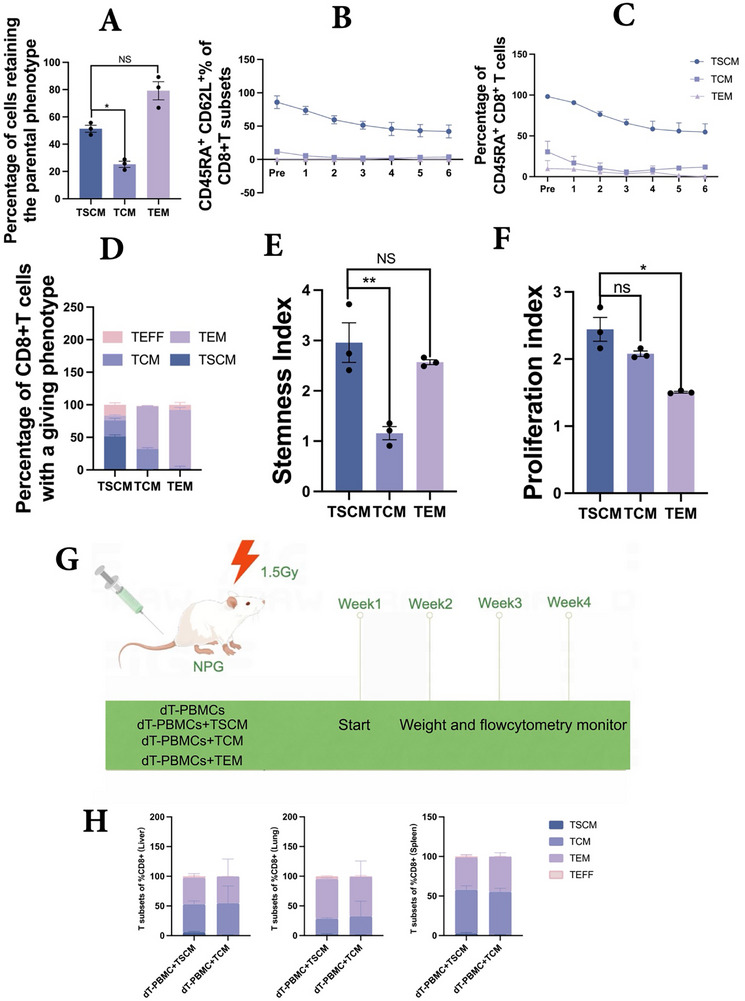 Figure 6
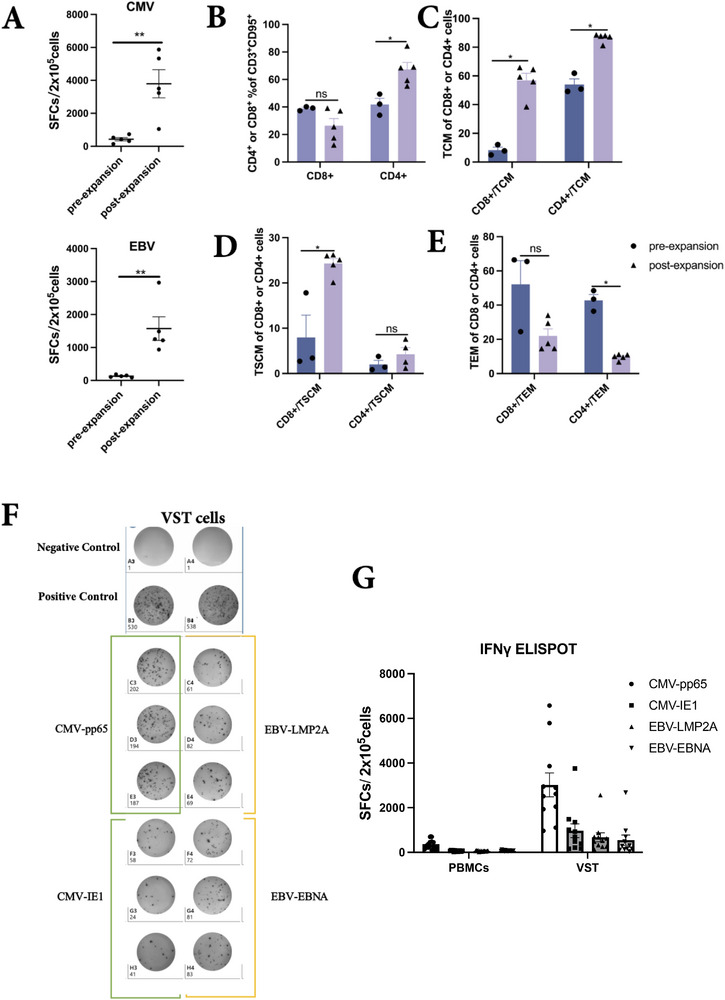 Figure 7
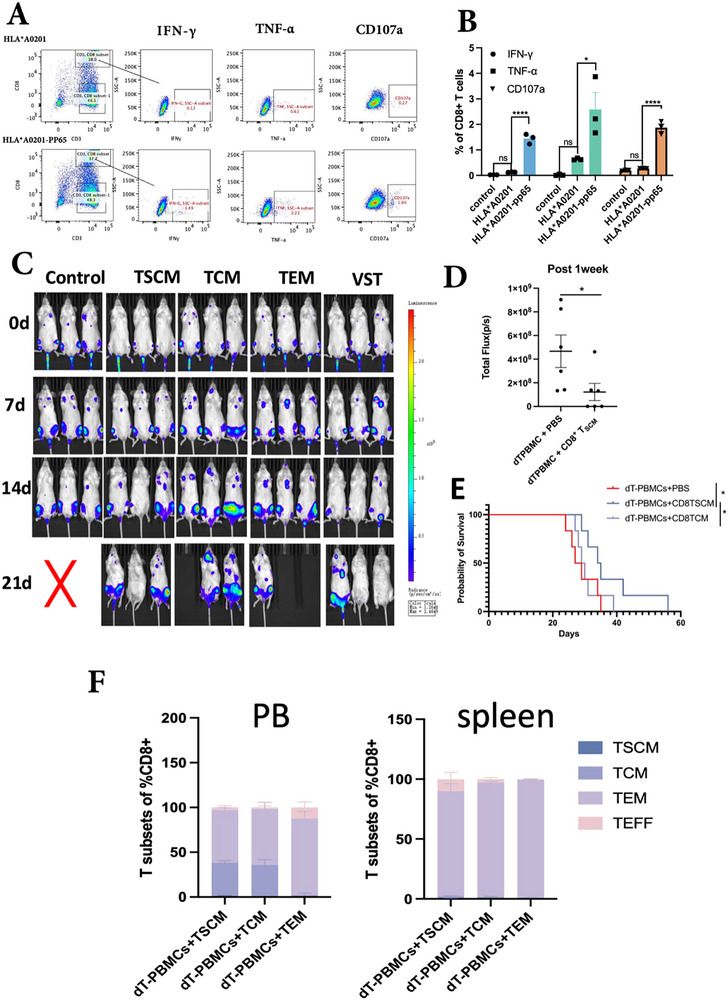 Figure 8
Peer Reviews
No public reviews on file for this paper yet. If you reviewed it on a platform where reviews are public (OpenReview, ICLR, NeurIPS, ICML), you can paste yours below so the community can read it here.
Videos
No videos yet. Explain this paper in a talk, walkthrough, or lecture? Add one.
Taxonomy
TopicsCAR-T cell therapy research · Virus-based gene therapy research · Cytomegalovirus and herpesvirus research