The Four‐Square Step Test With and Without Dual Tasks Among Older Adults With and Without a Fall History: A Retrospective Cohort Study
Mario Baker, Liana Burk, Meredith Gardner

TL;DR
This study shows that adding dual tasks to a balance test improves its ability to identify older adults who have a history of falling.
Contribution
The study introduces the use of dual tasks with the Four-Square Step Test to better assess fall risk in older adults.
Findings
The FSST with a cognitive dual task best distinguished fallers, especially among males.
Cognitive dual task FSST had a cutoff score of about 13 seconds for identifying fallers.
Motor dual task improved test accuracy in females compared to the standard FSST.
Abstract
As the global population of adults aged 65 and older increases, so does the prevalence of falls, which are the second leading cause of unintentional injury deaths worldwide, according to the World Health Organization. The Four‐Square Step Test (FSST) is a widely used tool for assessing dynamic balance and mobility. The purpose of this study was to compare the use of the FSST and the FSST with dual task(s) (DT) for discriminating between older adult fallers and non‐fallers by sex. Fifty community‐dwelling older adults (35 females, 15 males) participated. Based on self‐reported fall history, 28 were classified as non‐fallers and 22 as fallers. Participants completed the FSST, FSST with a motor DT, and FSST with a cognitive DT. The area under the curve (AUC) of the receiver operating characteristic curve was calculated and used to compare the FSST conditions to determine the best…
Genes, proteins, chemicals, diseases, species, mutations and cell lines named across the full text — each resolved to its canonical identifier and authoritative record.
Click any figure to enlarge with its caption.
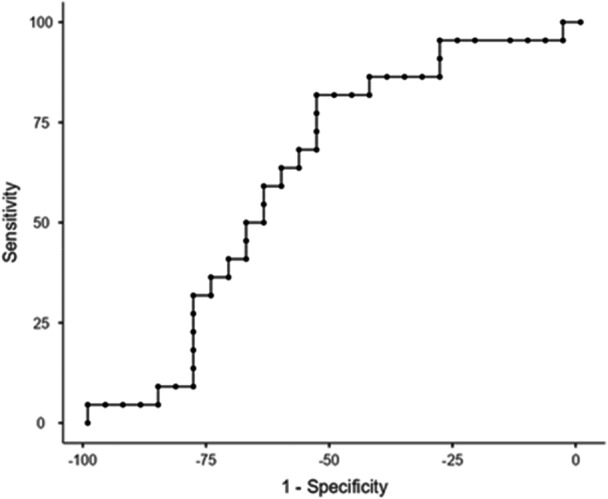 Figure 1
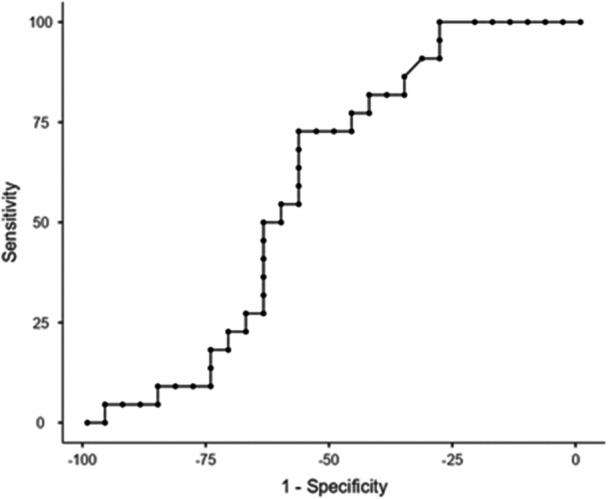 Figure 2
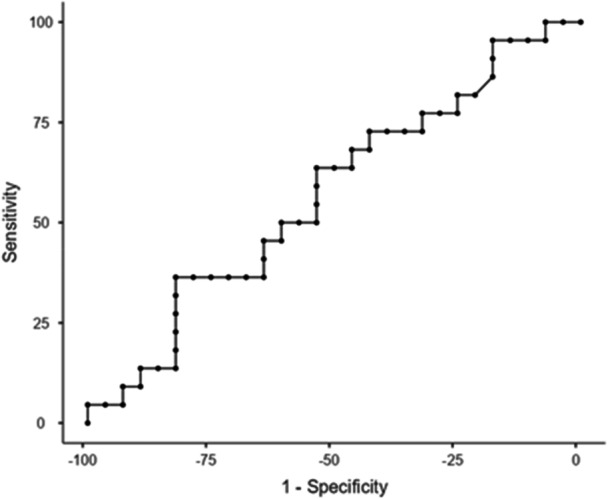 Figure 3
Peer Reviews
No public reviews on file for this paper yet. If you reviewed it on a platform where reviews are public (OpenReview, ICLR, NeurIPS, ICML), you can paste yours below so the community can read it here.
Videos
No videos yet. Explain this paper in a talk, walkthrough, or lecture? Add one.
Taxonomy
TopicsBalance, Gait, and Falls Prevention · Cerebral Palsy and Movement Disorders · Stroke Rehabilitation and Recovery