EIF5A Couples Translational Control With Transcriptional Reprogramming Through Chromocenter Reorganization During Spermiogenesis
Yuling Cai, Tongtong Li, Qian Fang, Ziyou Bao, Feng Kong, Huitao Qi, Hanzhen Li, Mingyu Zhang, Wei Wang, Yongxia Guan, Wenbo Liu, Xiangfeng Chen, Zi‐Jiang Chen, Xiaohua Jiang, Xin Wang, Hongbin Liu

TL;DR
eIF5A is crucial for male fertility by organizing chromatin and regulating protein translation during sperm development.
Contribution
eIF5A's dual role in translational and transcriptional regulation during spermiogenesis is newly characterized.
Findings
eIF5A deficiency disrupts chromocenter integrity and causes infertility in male mice.
eIF5A regulates chromatin accessibility and transcription of genes involved in acrosome and manchette formation.
Loss of eIF5A leads to translational dysregulation of chromatin-organizing proteins.
Abstract
Eukaryotic translation initiation factor 5A (eIF5A) facilitates protein synthesis and impacts diverse biological processes, yet its role in transcriptional regulation is poorly understood. Here eIF5A highly expressed in diverse spermatogenic cell types are found. Conditional knockout of Eif5a (SKO) causes complete infertility in male mice due to round spermatid arrest. Interestingly, eIF5A deletion severely compromises chromocenter integrity in round spermatids. Proteomic profiling reveals widespread dysregulation in eIF5A‐deficient round spermatids, downregulated proteins are enriched for chromatin‐associated functions, likely contributing to chromocenter dysfunction. Notably, ATAC‐seq (Assay for Transposase‐Accessible Chromatin with high‐throughput sequencing) analysis shows increased chromatin accessibility upon eIF5A depletion, accompanied by transcriptional dysregulation of genes…
Genes, proteins, chemicals, diseases, species, mutations and cell lines named across the full text — each resolved to its canonical identifier and authoritative record.
Click any figure to enlarge with its caption.
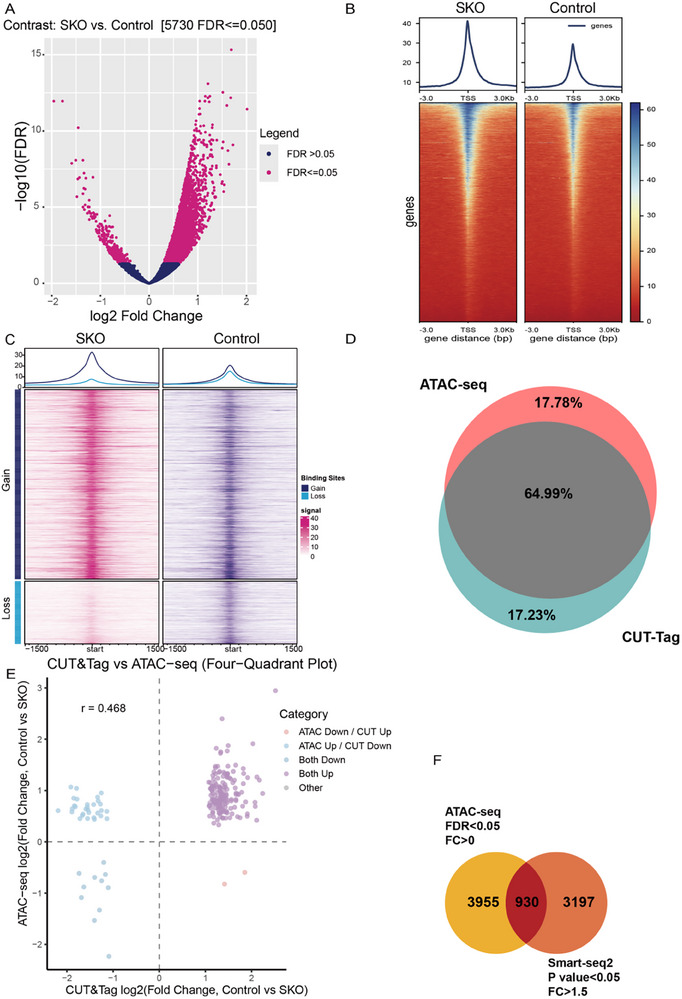 Figure 1
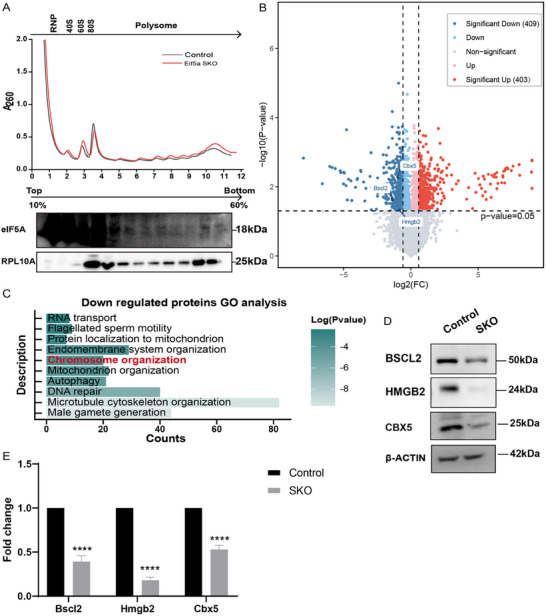 Figure 2
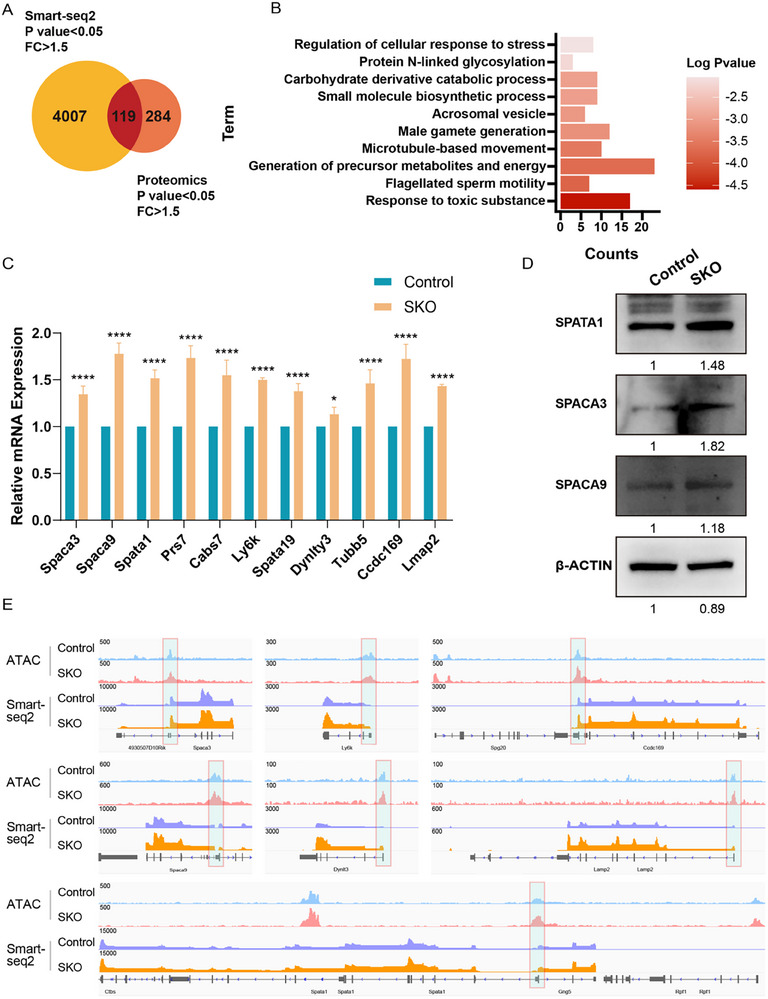 Figure 3
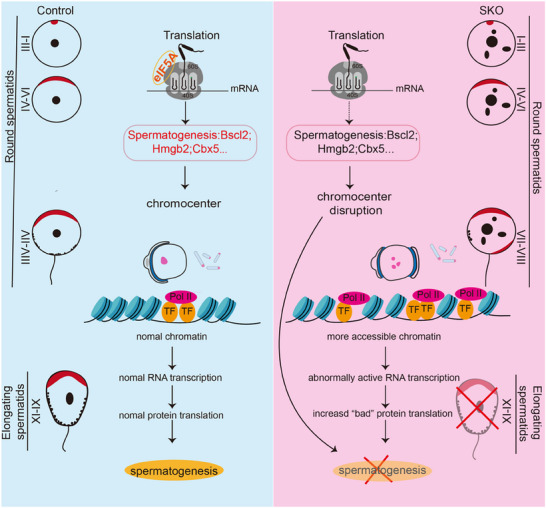 Figure 4
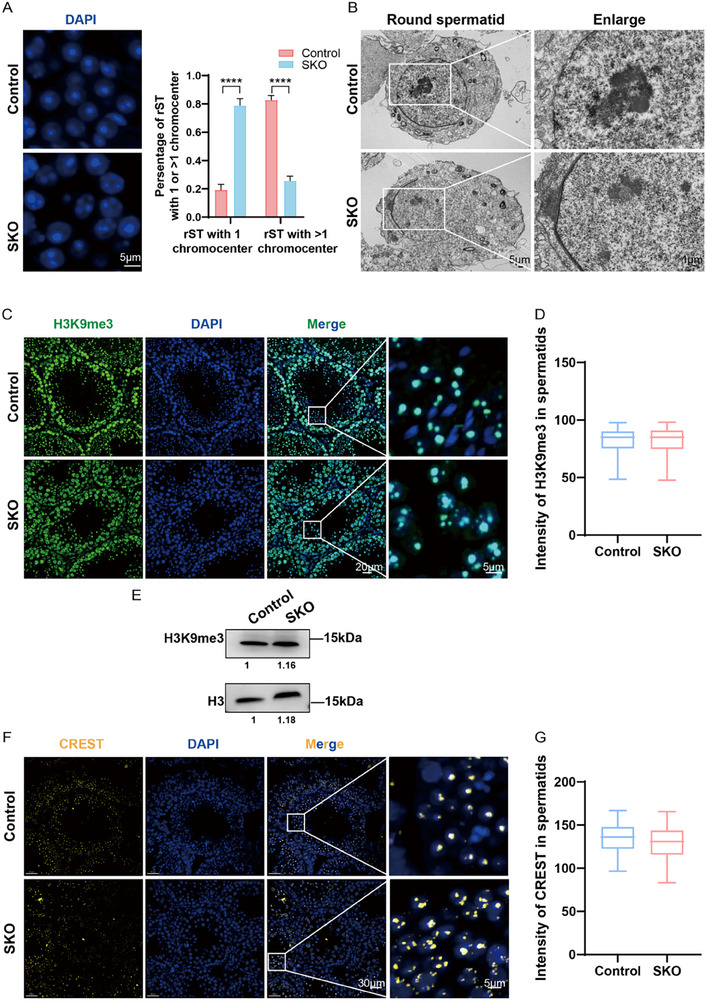 Figure 5
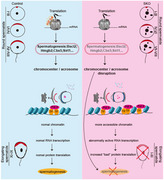 Figure 6
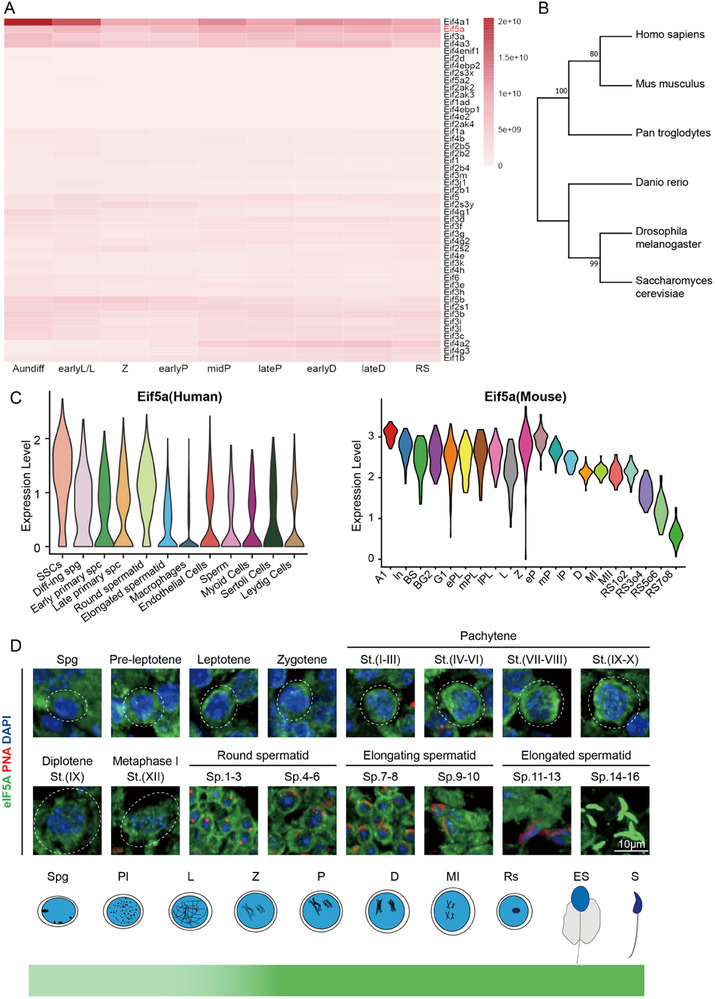 Figure 7
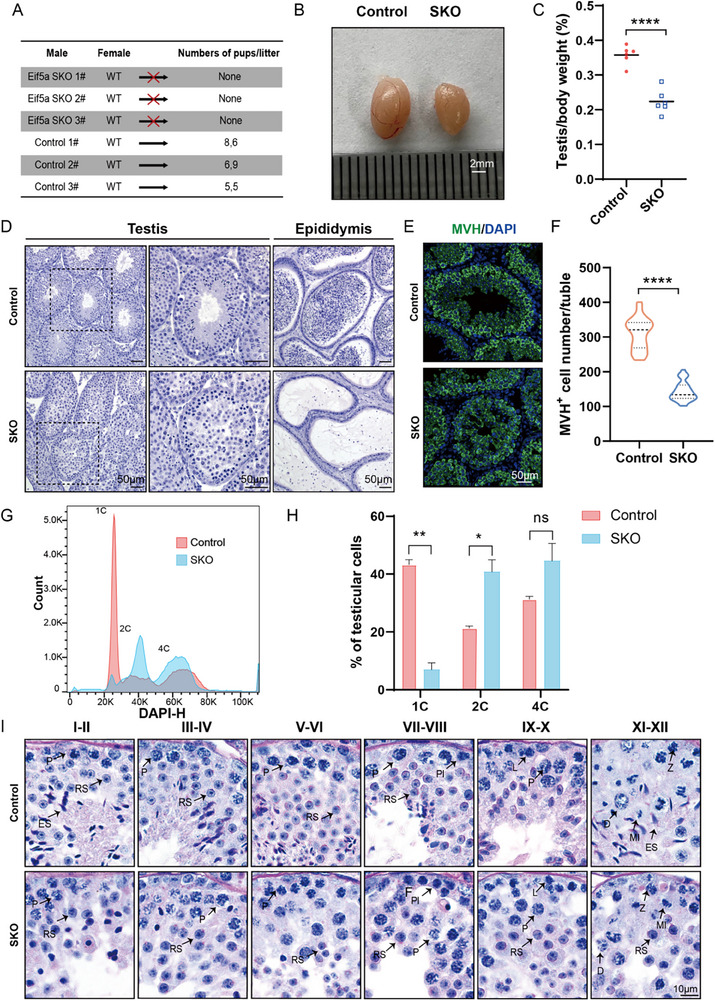 Figure 8
Peer Reviews
No public reviews on file for this paper yet. If you reviewed it on a platform where reviews are public (OpenReview, ICLR, NeurIPS, ICML), you can paste yours below so the community can read it here.
Videos
No videos yet. Explain this paper in a talk, walkthrough, or lecture? Add one.
Taxonomy
TopicsPolyamine Metabolism and Applications · PI3K/AKT/mTOR signaling in cancer · RNA and protein synthesis mechanisms