Rapid Microfluidic Drug Sensitivity Testing Within 5 Days Using Minimal Clinical Tumor Samples
Yi‐Xue Chen, Yi Zhang, Yu‐Jie Yan, Meng‐Ting Zhang, Jian‐Bo Chen, Yi‐Rong Jiang, Jie Wu, Hui‐Feng Wang, Jian‐Zhang Pan, Zhi‐Gang Chen, Jian Huang, Qun Fang

TL;DR
A new microfluidic system enables rapid drug sensitivity testing using small tumor samples within 5 days, preserving tumor heterogeneity and avoiding cell expansion.
Contribution
The novel air-punched fabrication approach enables high-throughput drug testing with minimal clinical samples in just 5 days.
Findings
The microfluidic system allows rapid formation and 3D culture of tumor cell spheroids from small clinical samples.
Drug sensitivity testing was successfully performed on primary samples from 21 breast cancer patients within 5 days.
The system supports both mono-drug and combination-drug testing without the need for cell pre-expansion.
Abstract
Rapid screening of personalized drugs based on patients’ primary cell samples can provide precise and timely treatment guidance for clinical oncology patients. However, this goal faces great challenges due to the scarce clinical samples and large sample consumption, and long experimental time required by current drug screening methods. Here, a rapid, high‐throughput microfluidic drug sensitivity testing system capable of accomplishing single and combination drug screening of multiple antitumor drugs in 5 days is established with minimal amounts of clinical primary tumor samples, avoiding the need for cell pre‐expansion and preserving the tumor heterogeneity. An airflow‐impacting approach is developed to fabricate nanoliter‐scale microcavity arrays with ultra‐smooth microcavity surfaces, with which rapid formation and 3D culture of tumor cell spheroids from small numbers of cell samples,…
Genes, proteins, chemicals, diseases, species, mutations and cell lines named across the full text — each resolved to its canonical identifier and authoritative record.
Click any figure to enlarge with its caption.
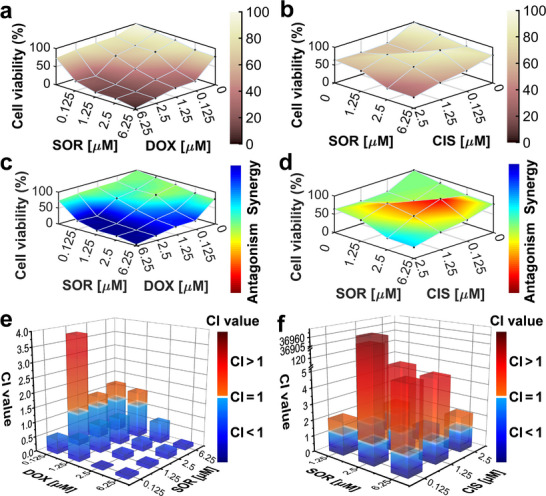 Figure 1
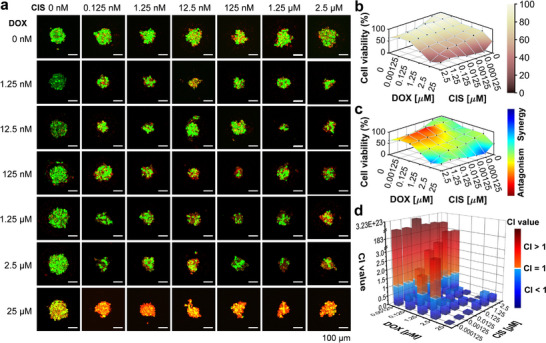 Figure 2
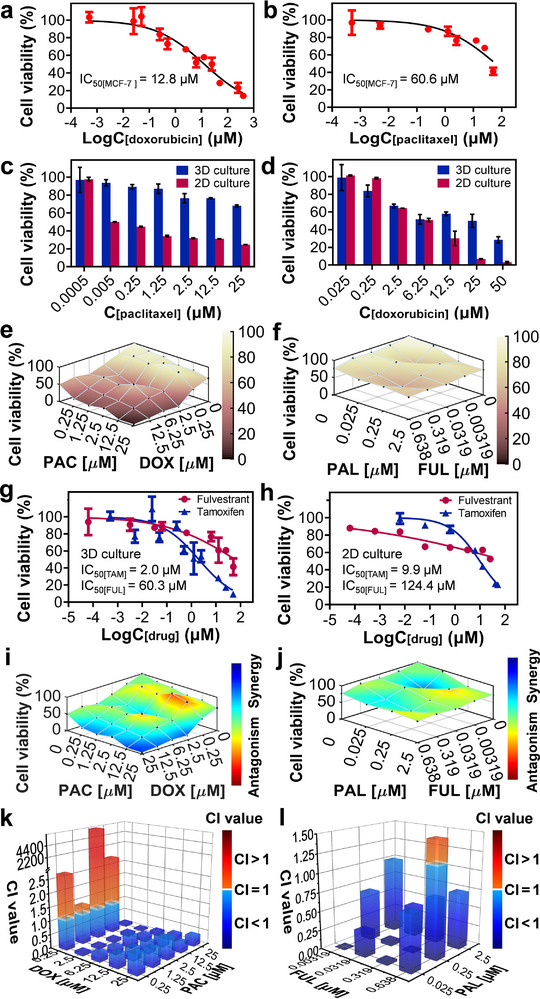 Figure 3
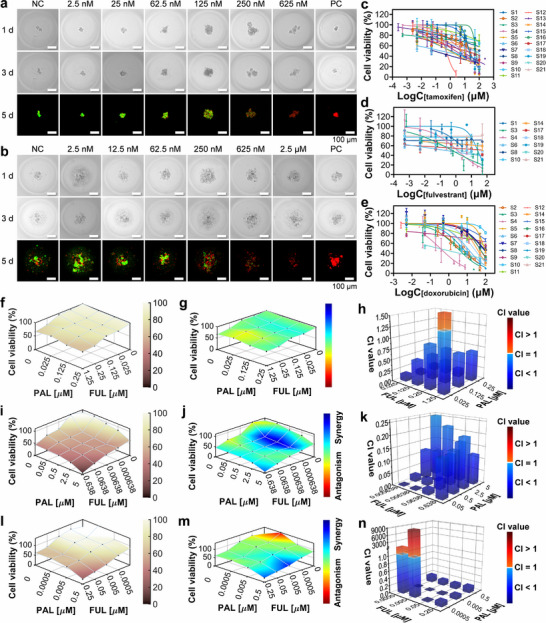 Figure 4
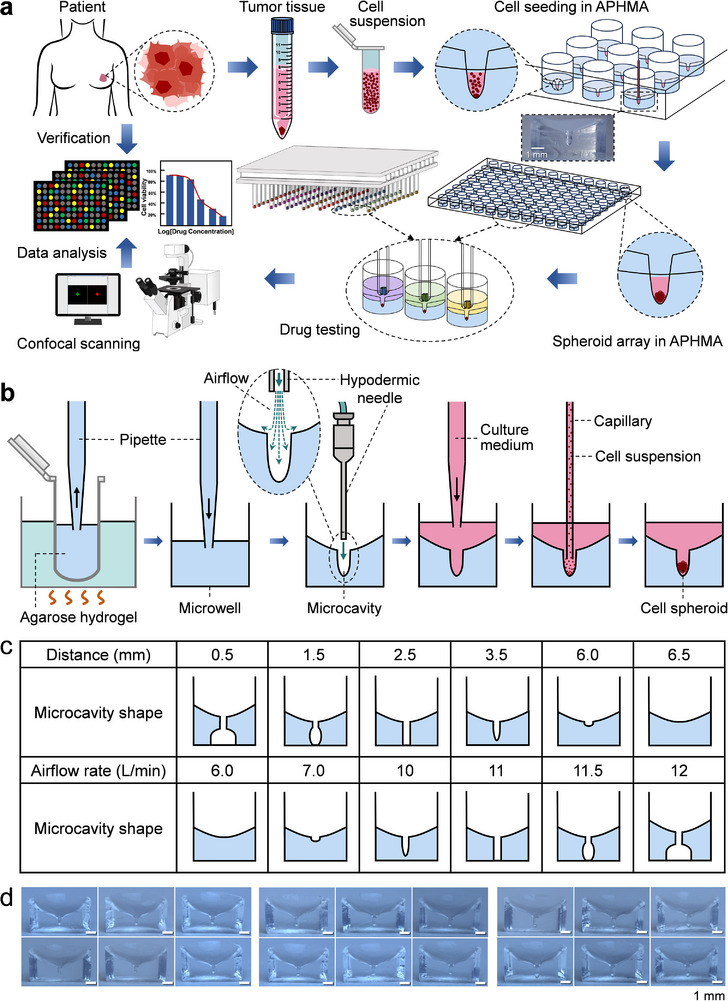 Figure 5
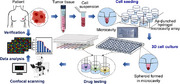 Figure 6
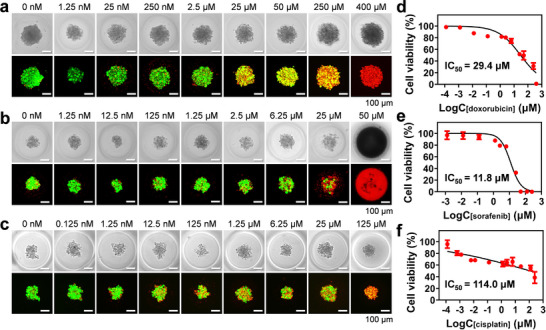 Figure 7
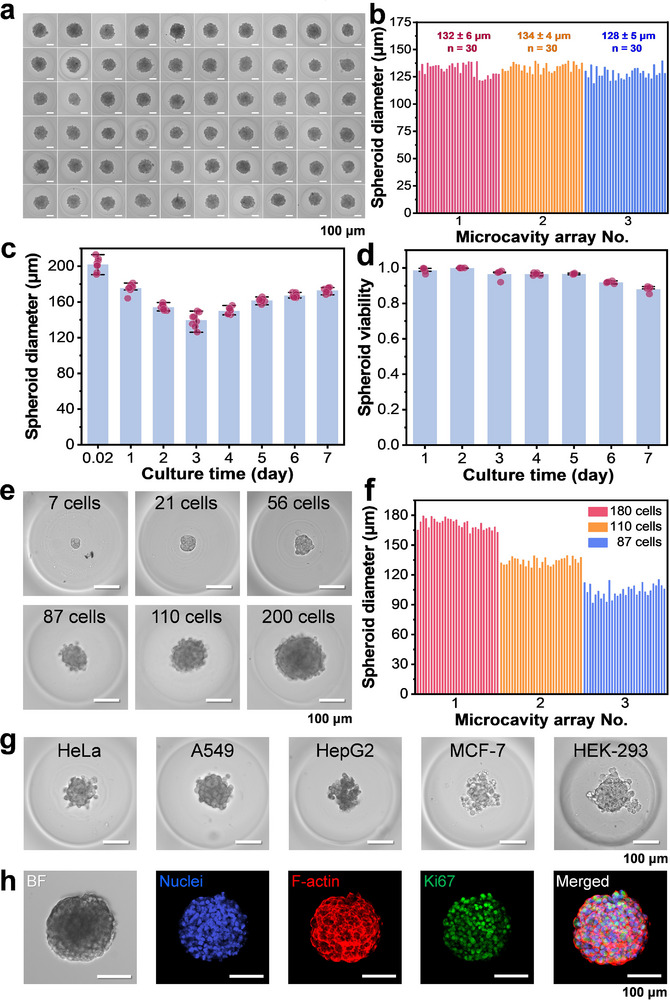 Figure 8
Peer Reviews
No public reviews on file for this paper yet. If you reviewed it on a platform where reviews are public (OpenReview, ICLR, NeurIPS, ICML), you can paste yours below so the community can read it here.
Videos
No videos yet. Explain this paper in a talk, walkthrough, or lecture? Add one.
Taxonomy
Topics3D Printing in Biomedical Research · Microfluidic and Bio-sensing Technologies · Cancer Cells and Metastasis