iDLDDG: predicting protein stability changes from missense mutations in DNA-binding proteins using integrated deep learning features
Xuan Yu, Fang Ge, Dong-Jun Yu, Zhaohong Deng

TL;DR
This paper introduces iDLDDG, a deep learning model that accurately predicts how missense mutations affect DNA-binding protein stability, improving disease understanding and therapy development.
Contribution
iDLDDG is the first framework to rigorously differentiate mutation mechanisms in double- and single-stranded DNA-binding proteins using integrated deep learning features.
Findings
iDLDDG achieves a 10-fold cross-validation PCC of 0.755 on MPD276 and 0.632 on independent test sets.
The model integrates multi-scale structural and evolutionary information via a multi-channel architecture.
An entropy-based algorithm identified 181 optimal residues for modeling biophysical constraints.
Abstract
To understand disease mechanisms and advance therapies, accurately predicting how missense mutations alter protein–DNA binding affinity is critical. Many existing models neglect the unique characteristics of missense mutations in both double-stranded DNA-binding proteins (DSBs) and single-stranded DNA-binding proteins (SSBs). To address this issue, we constructed a comprehensive dataset from diverse sources. By leveraging sequence-based embeddings from pretrained protein language models including ESM2, ProtTrans, and ESM1v, we developed iDLDDG, a deep learning framework that integrates multi-scale structural and evolutionary information via a multi-channel architecture. To balance residue-wise information density against entropy, our entropy-based algorithm determined 181 residues as optimal for modeling biophysical constraints. This approach enhances predictive accuracy and…
Genes, proteins, chemicals, diseases, species, mutations and cell lines named across the full text — each resolved to its canonical identifier and authoritative record.
Click any figure to enlarge with its caption.
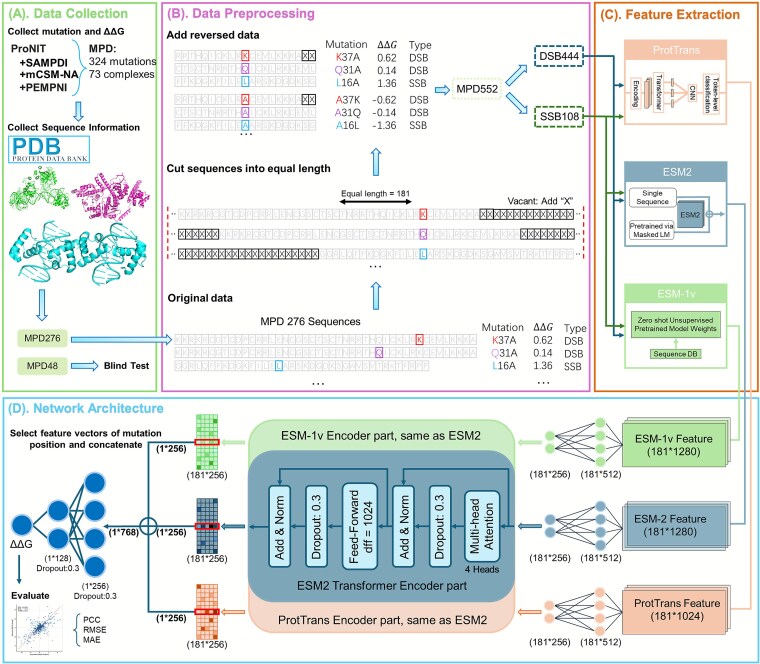 Figure 1
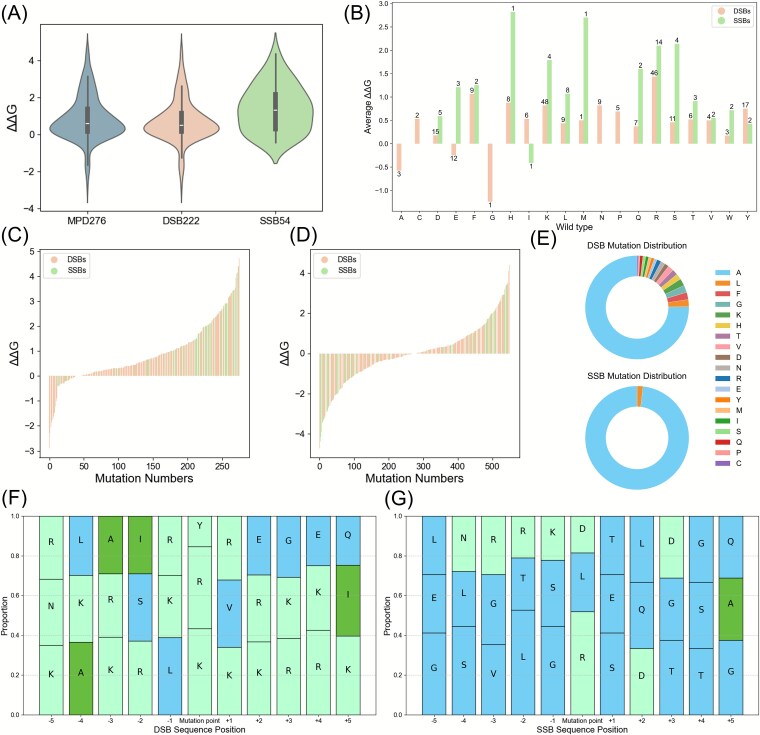 Figure 2
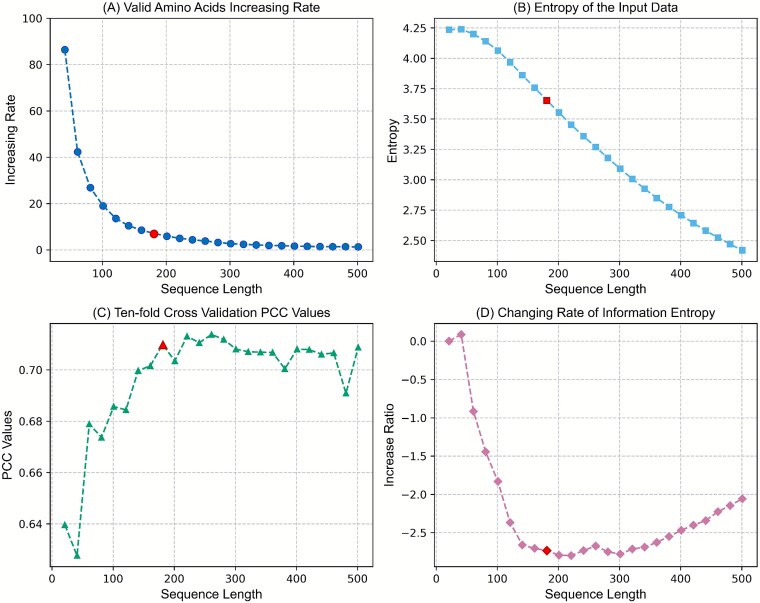 Figure 3
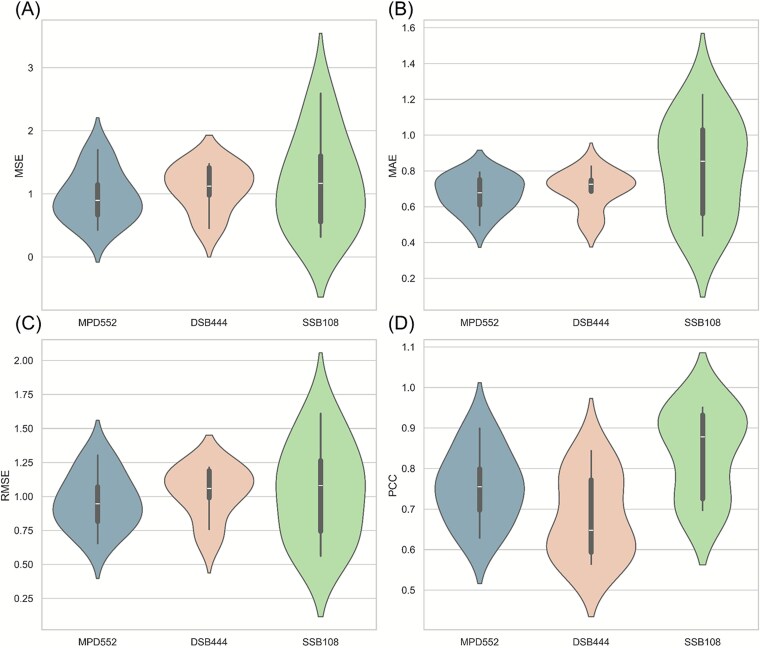 Figure 4
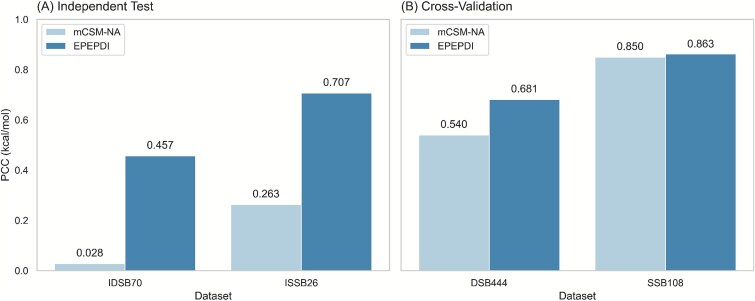 Figure 5
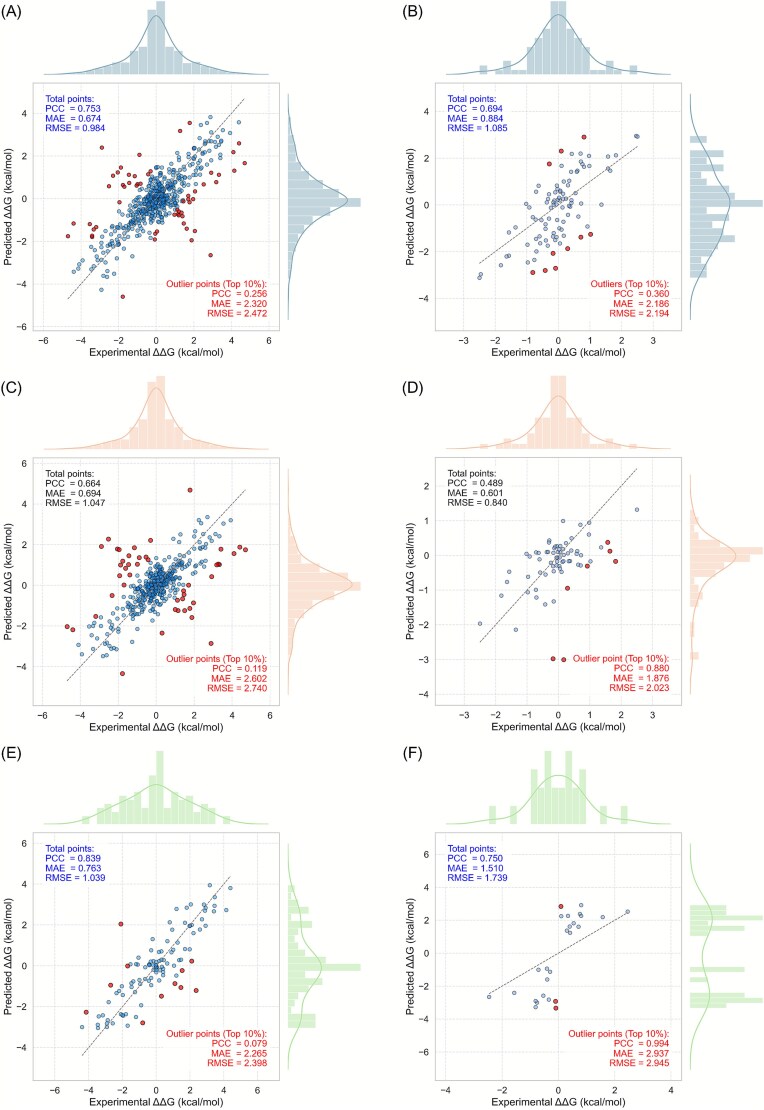 Figure 6
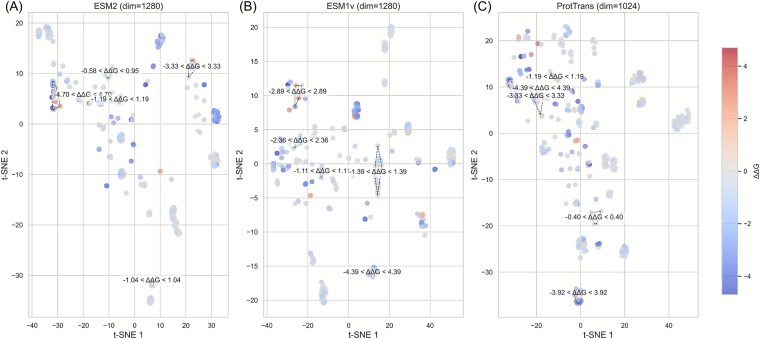 Figure 7
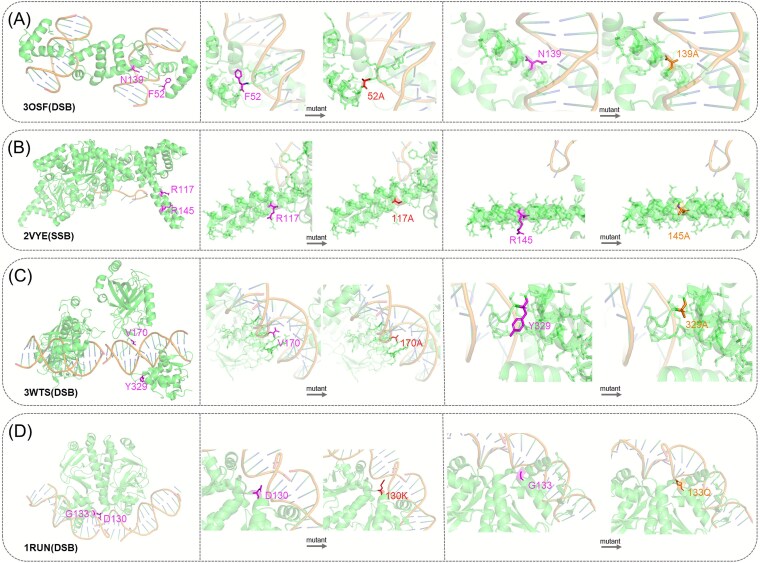 Figure 8
Peer Reviews
No public reviews on file for this paper yet. If you reviewed it on a platform where reviews are public (OpenReview, ICLR, NeurIPS, ICML), you can paste yours below so the community can read it here.
Videos
No videos yet. Explain this paper in a talk, walkthrough, or lecture? Add one.
Taxonomy
TopicsMachine Learning in Bioinformatics · Genomics and Rare Diseases · Protein Structure and Dynamics