Prediction of β-thalassemia carrier using federated learning and explainable AI
Hafiz Ali Younas, Bilal Shoaib Khan, Abdul Hannan Khan, Anas Bilal, Asaad Algarni, Raheem Sarwar, Seyed Jalaleddin Mousavirad

TL;DR
This paper introduces a privacy-preserving method for β-thalassemia carrier screening using federated learning and explainable AI, achieving high accuracy while protecting patient data.
Contribution
The novel contribution is a federated multi-kernel SVM framework with XAI techniques for β-thalassemia screening that maintains privacy and achieves high diagnostic performance.
Findings
The federated model achieved 98.4% accuracy, 99.2% sensitivity, and 98.8% specificity on blood count records.
Hemoglobin level and mean corpuscular volume were identified as the most significant predictors.
The model performs as well as centralized methods while preserving data privacy.
Abstract
Millions of people worldwide suffer from β-thalassemia, an inherited blood disorder that requires precise carrier screening to avoid serious health issues. Conventional centralized screening techniques rely on combining patient data, which raises privacy and legal issues under regulations like General Data Protection Regulation (GDPR) and the Health Insurance Portability and Accountability Act (HIPAA). Although machine learning has increased the accuracy of diagnoses, its reliance on shared data raises issues with data security and makes it more difficult to develop collaborative models. Federated learning provides a solution by allowing multi-center collaboration and protecting privacy by training models locally at each clinical site and sharing only model parameters. In this work, a federated multi-kernel support vector machine (SVM) framework is developed, which aggregates updates…
Genes, proteins, chemicals, diseases, species, mutations and cell lines named across the full text — each resolved to its canonical identifier and authoritative record.
Click any figure to enlarge with its caption.
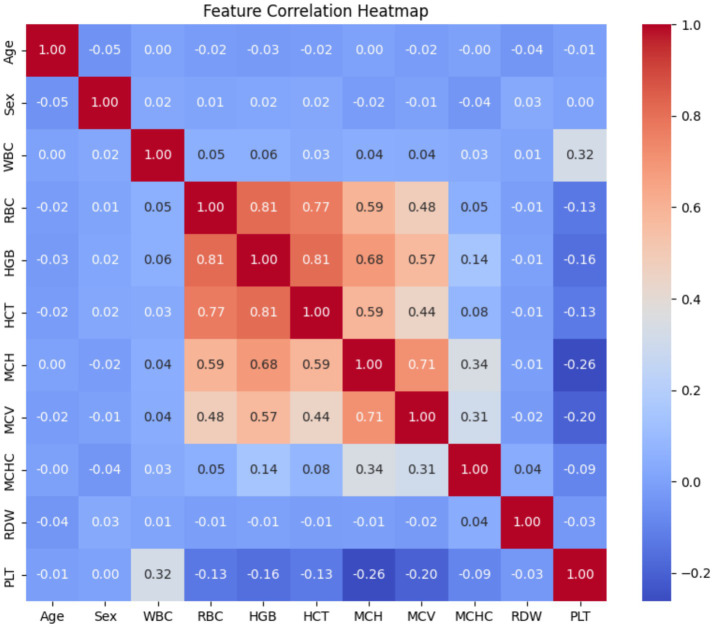 Figure 1
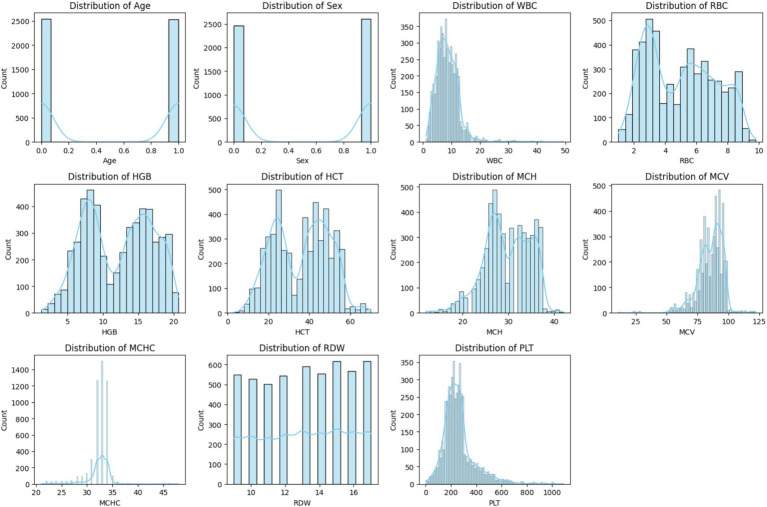 Figure 2
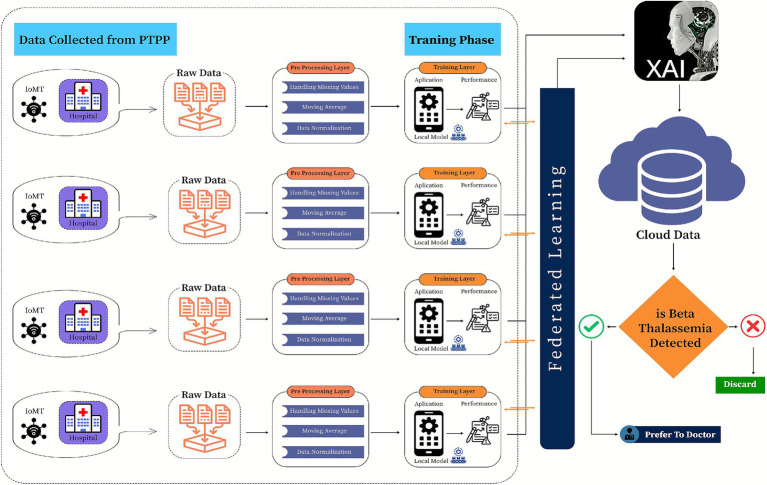 Figure 3
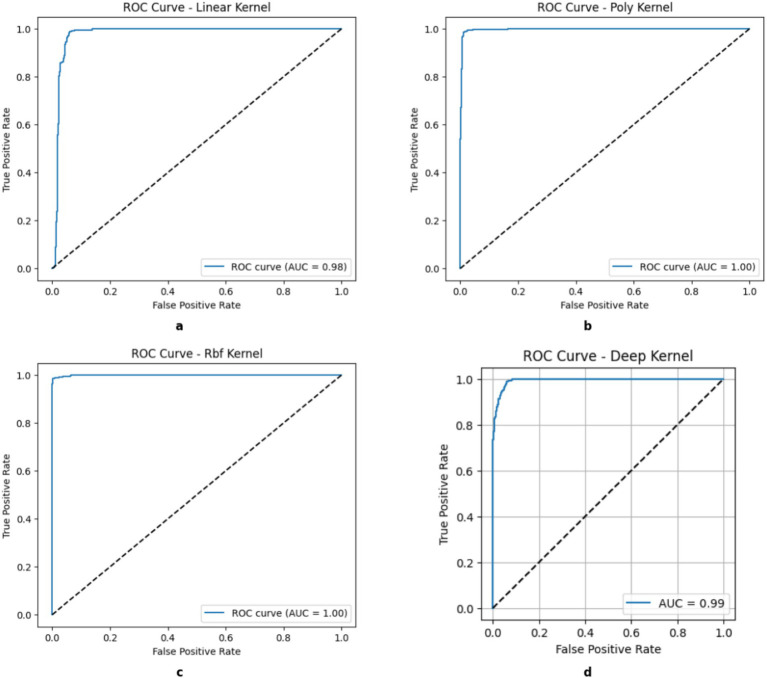 Figure 4
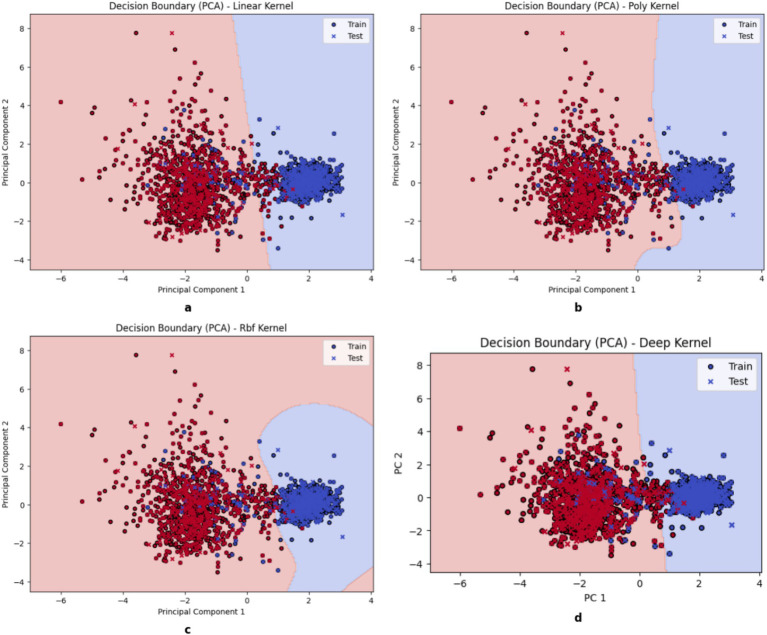 Figure 5
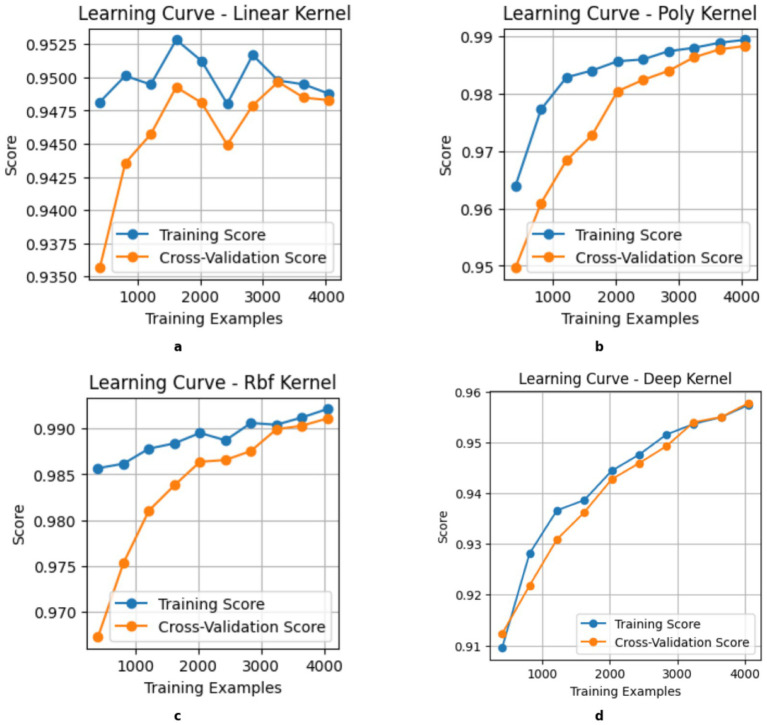 Figure 6
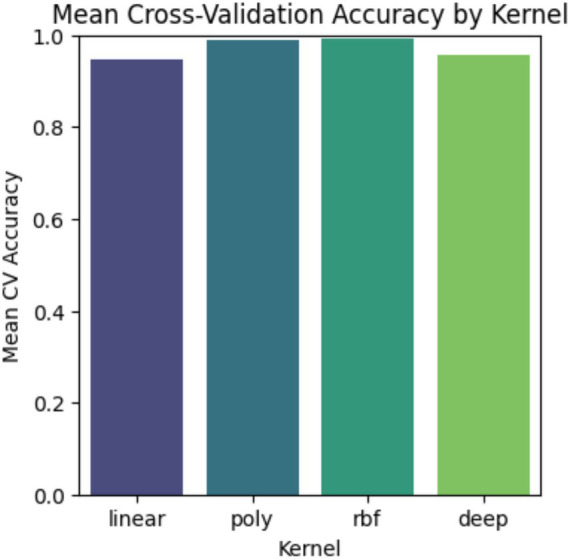 Figure 7
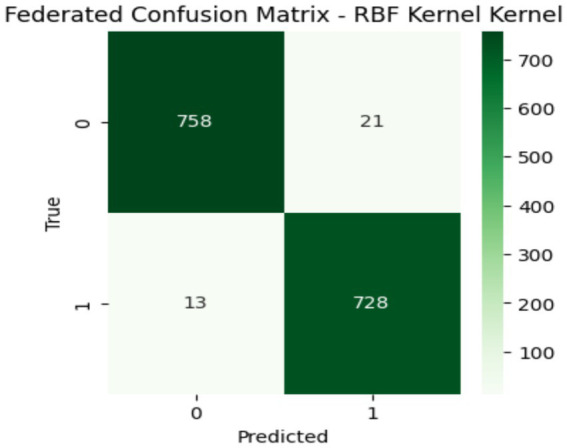 Figure 8
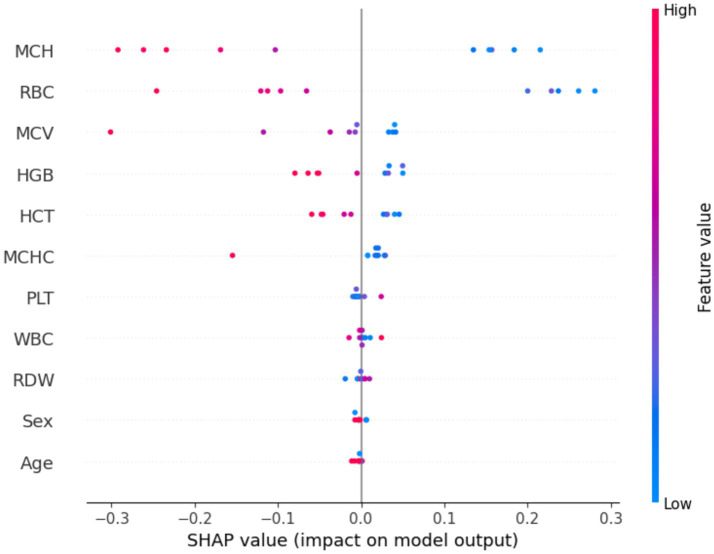 Figure 9
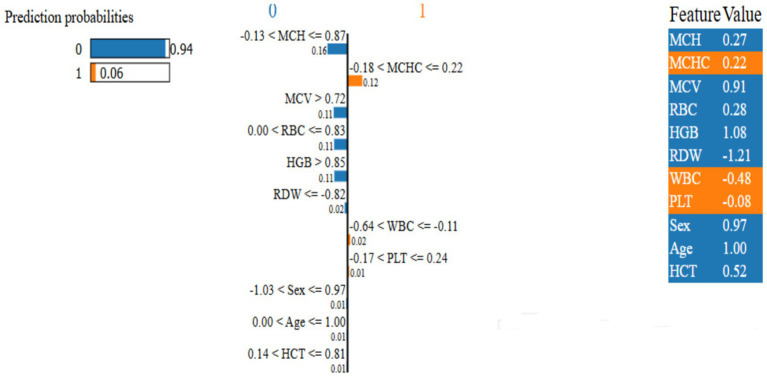 Figure 10
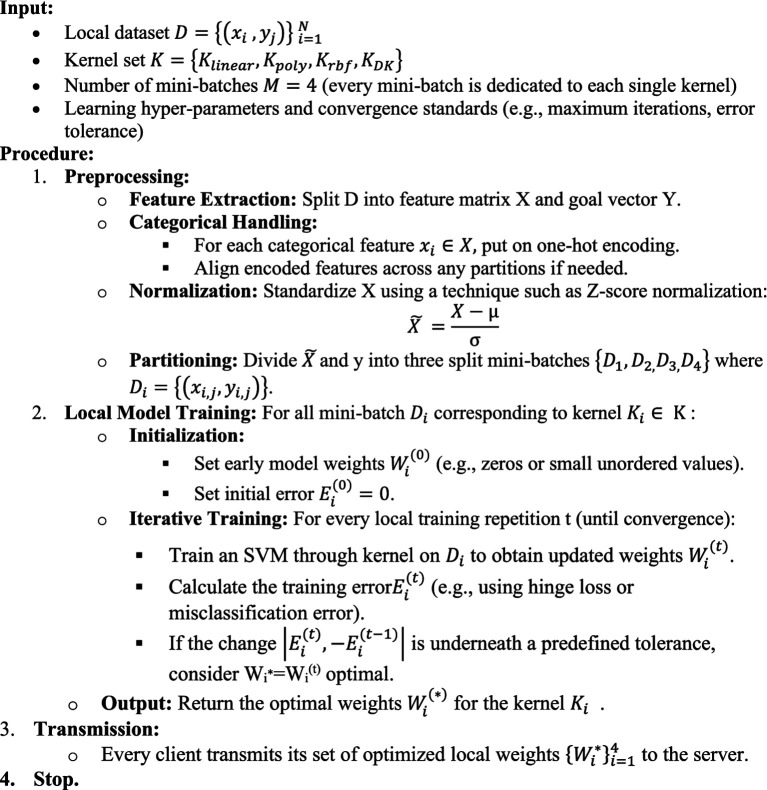 Figure 11
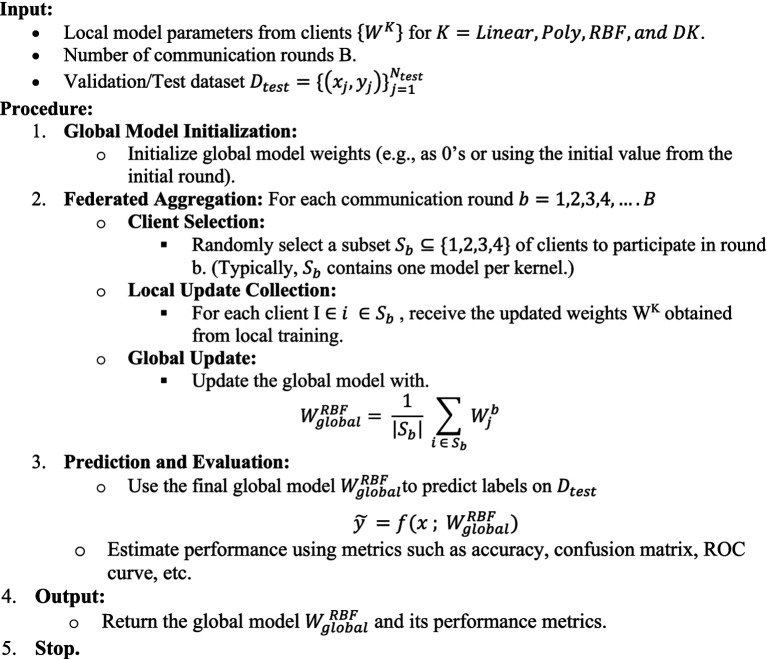 Figure 12
Peer Reviews
No public reviews on file for this paper yet. If you reviewed it on a platform where reviews are public (OpenReview, ICLR, NeurIPS, ICML), you can paste yours below so the community can read it here.
Videos
No videos yet. Explain this paper in a talk, walkthrough, or lecture? Add one.
Taxonomy
TopicsHemoglobinopathies and Related Disorders · Artificial Intelligence in Healthcare and Education · Machine Learning in Healthcare