Introducing Small Rings into Farnesyl Pyrophosphates Paves the Way for the Enzymatic Generation of Unnatural Sesquiterpene Scaffolds
Daghan Taser, Catherine Victoria, Leon von Garrel, Jörn Droste, Christopher Tabet, Gerald Dräger, Ahmed Hassanin, Mehdi D. Davari, Andreas Kirschning

TL;DR
By modifying farnesyl pyrophosphate with small strained rings, researchers created new sesquiterpene structures using enzymes, leading to 17 new compounds with unique carbon backbones.
Contribution
Introducing small strained rings into FPP to generate new sesquiterpene scaffolds via enzymatic reactions.
Findings
17 new terpenoids were synthesized, 11 with previously unknown carbon skeletons.
Oxetane ring oxygen participated in initial cyclization, influencing product formation.
Molecular modeling showed alternative enzyme binding poses leading to diverse cyclization pathways.
Abstract
New sesquiterpene skeletons are accessible when the geminal dimethyl group in farnesyl pyrophosphate (FPP) is exchanged by small strained rings, specifically cyclopropane, cyclobutane, and oxetane. When these new FPP derivatives are exposed to sesquiterpene synthases, the additional chemical reactivity installed in the strained rings can interact in a unique way with the carbocation intermediates in the active centers of sesquiterpene synthases BcBOT2, PenA, Omp7, and Cop4, which are known to be substrate promiscuous. As such, they can induce rearrangements and ring enlargements, which can yield completely new, previously unknown sesquiterpene carbon skeletons with additional carbon atoms embedded in the (oligo)cyclic backbones. A total of 17 new terpenoids are reported and structurally elucidated, 11 of which have so far unknown unnatural terpene backbones. Besides rearrangements of…
Genes, proteins, chemicals, diseases, species, mutations and cell lines named across the full text — each resolved to its canonical identifier and authoritative record.
Click any figure to enlarge with its caption.
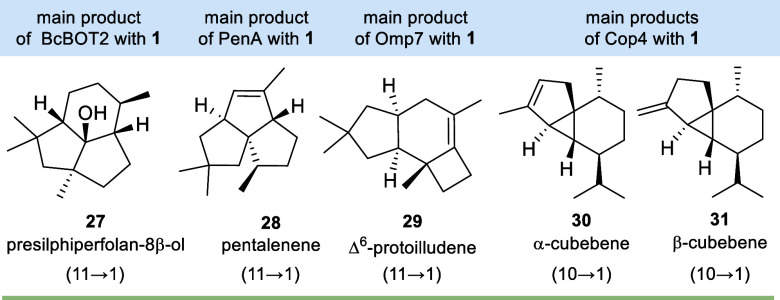 Figure 1
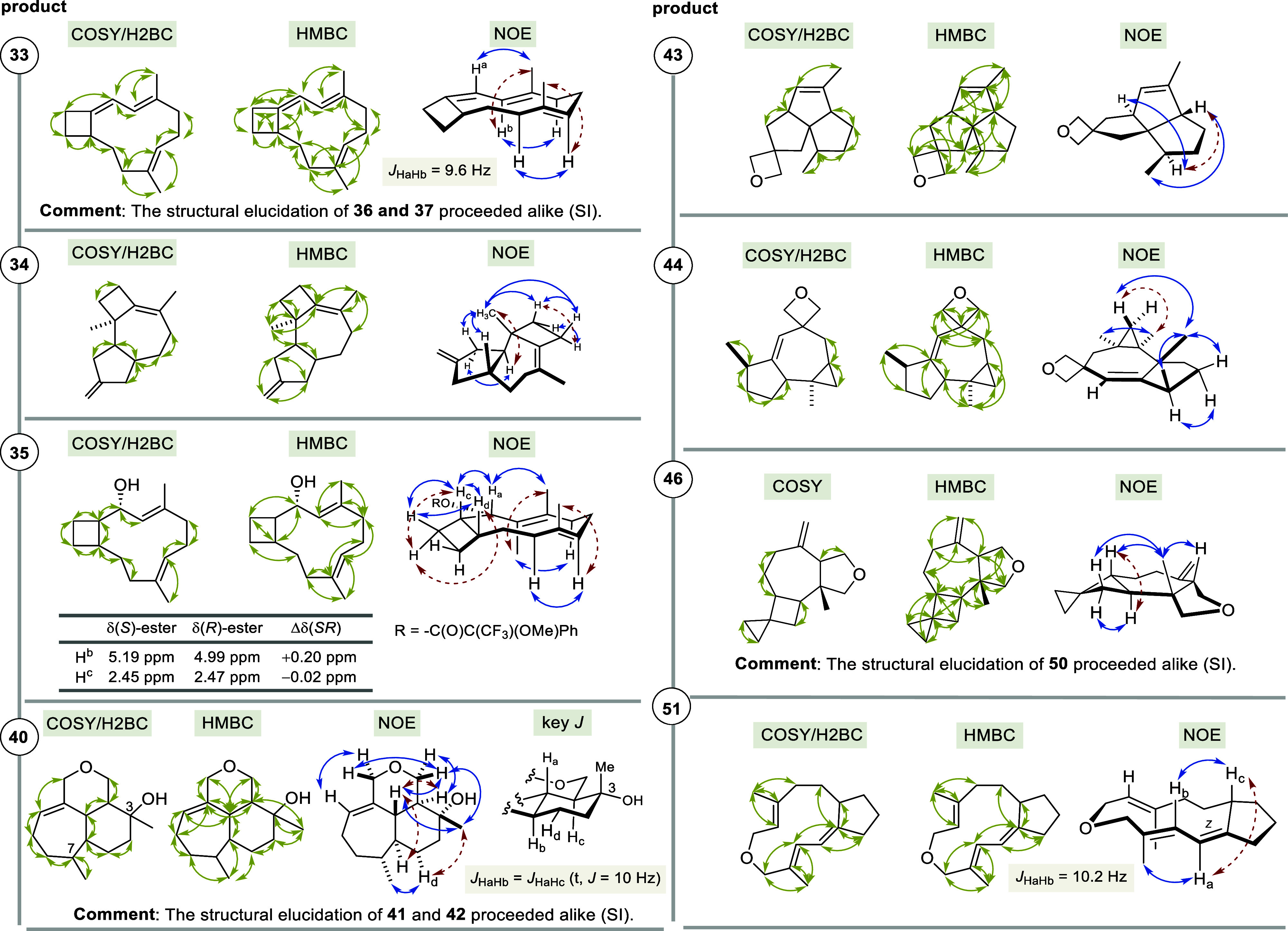 Figure 2
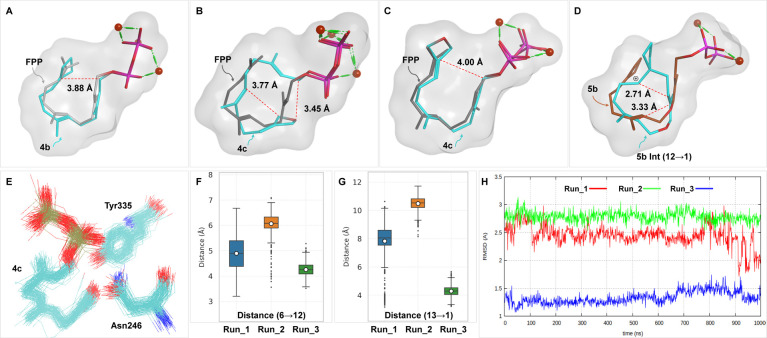 Figure 3
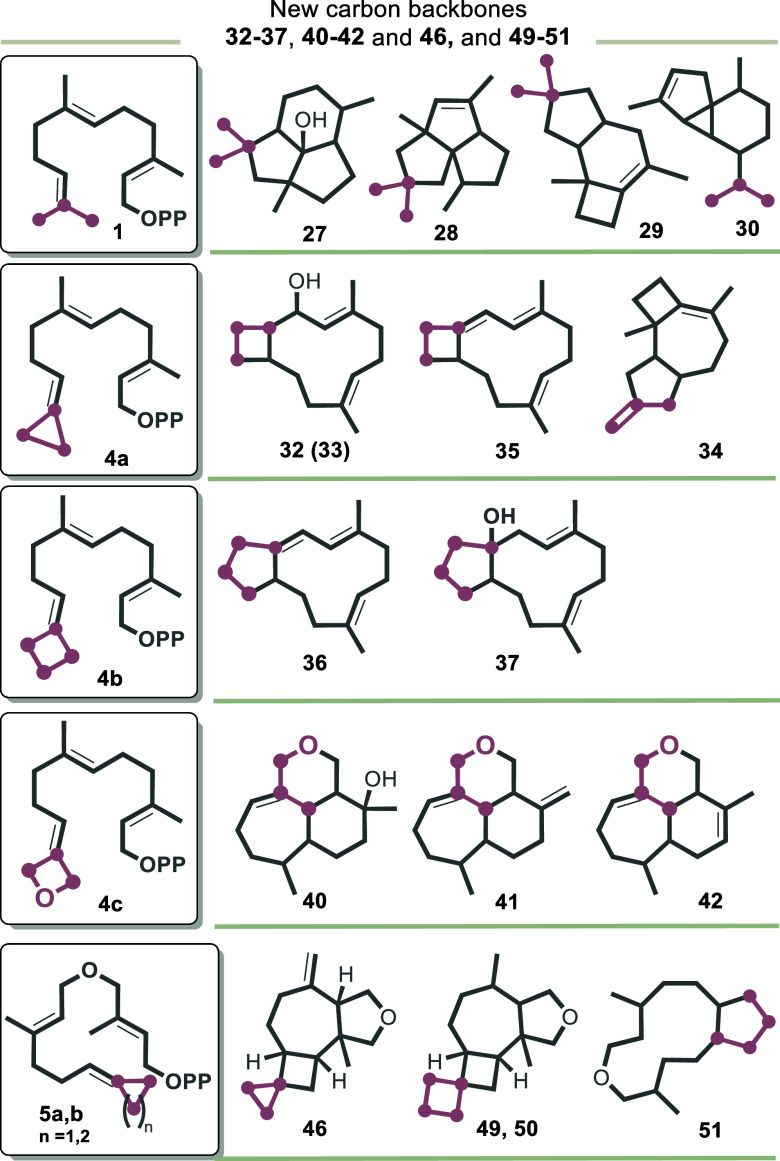 Figure 4
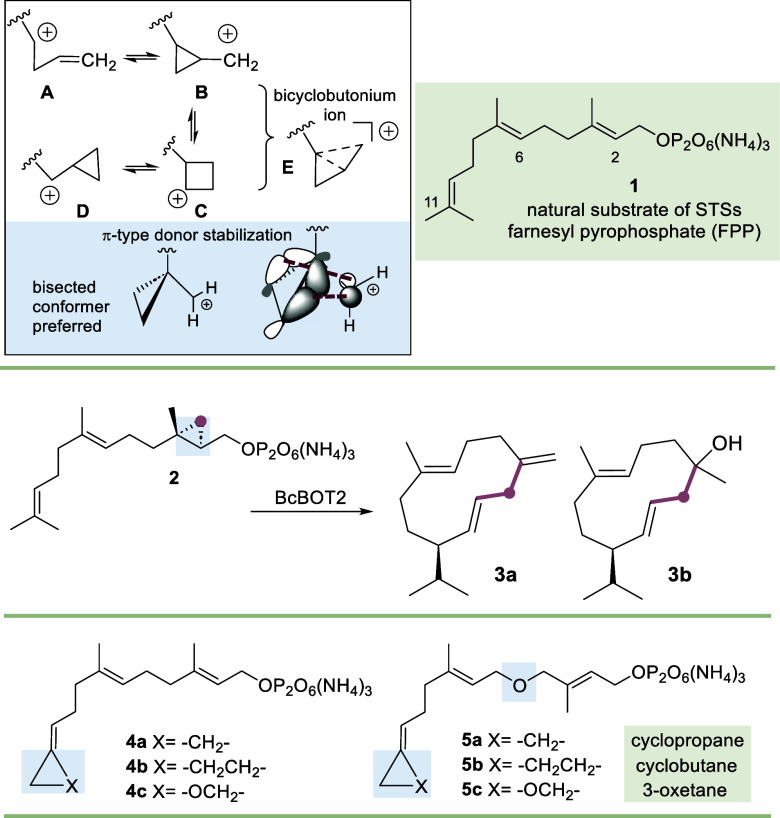 Figure 5
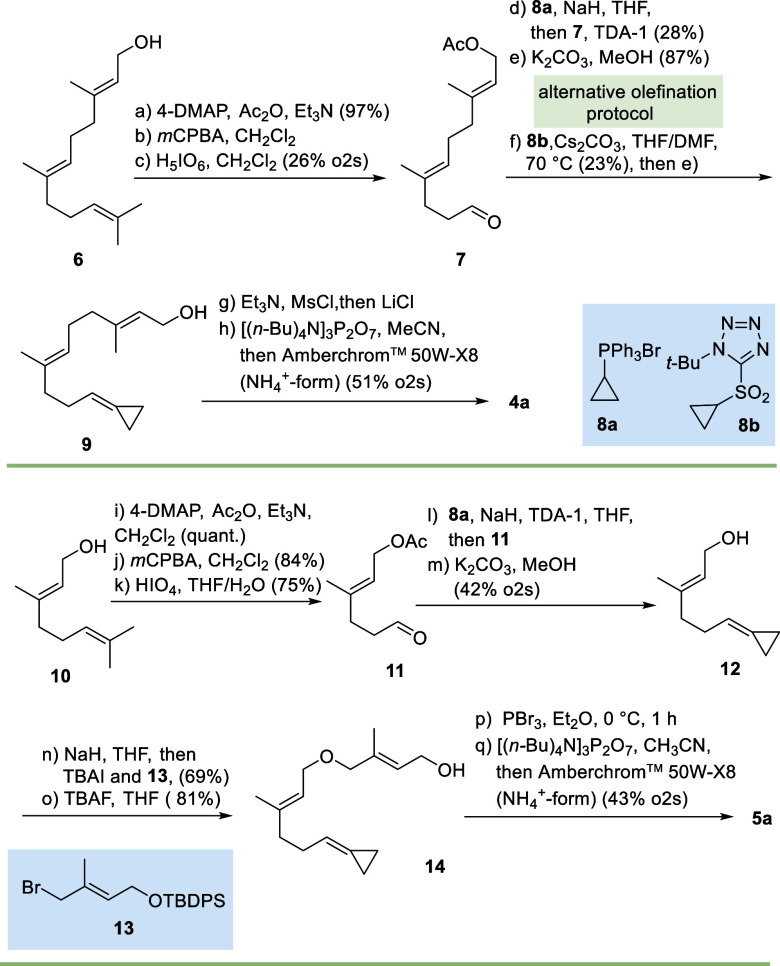 Figure 6
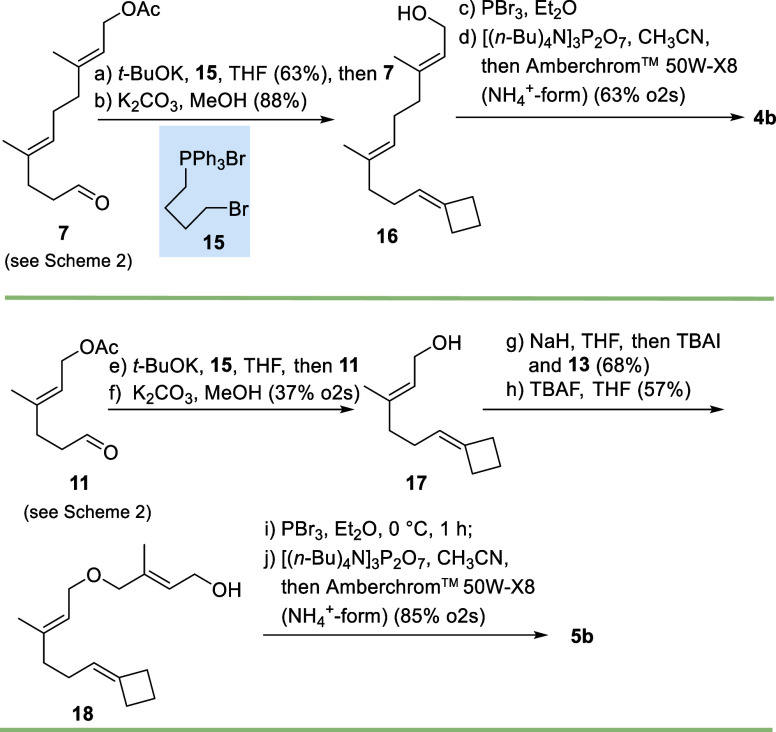 Figure 7
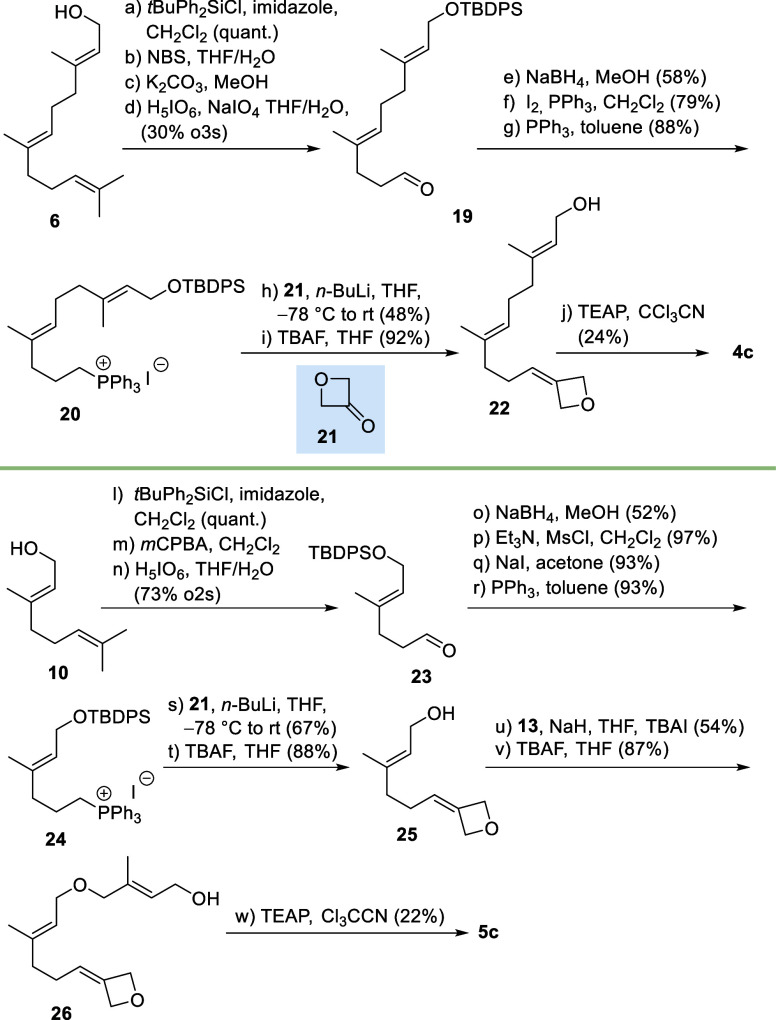 Figure 8
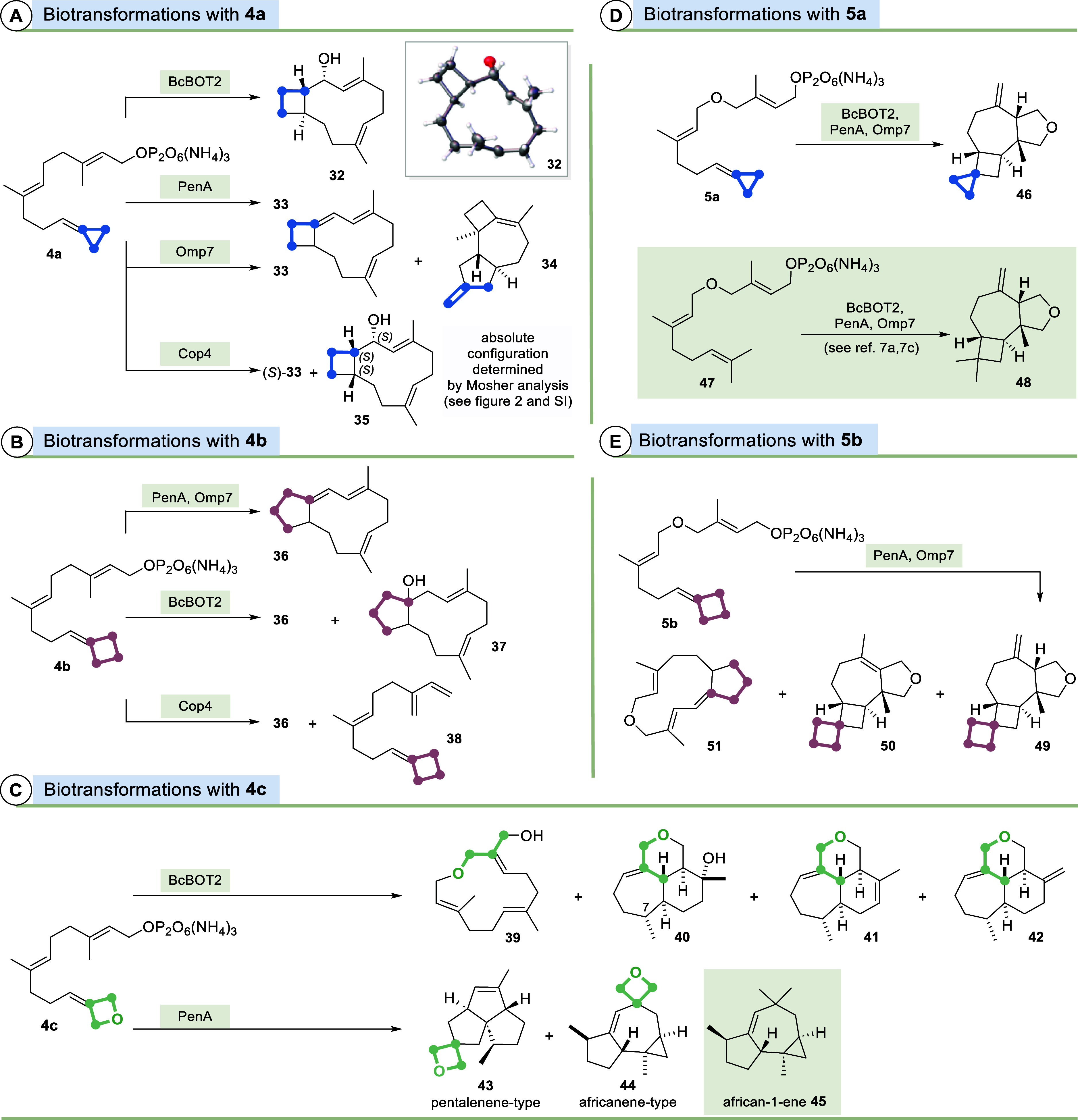 Figure 9
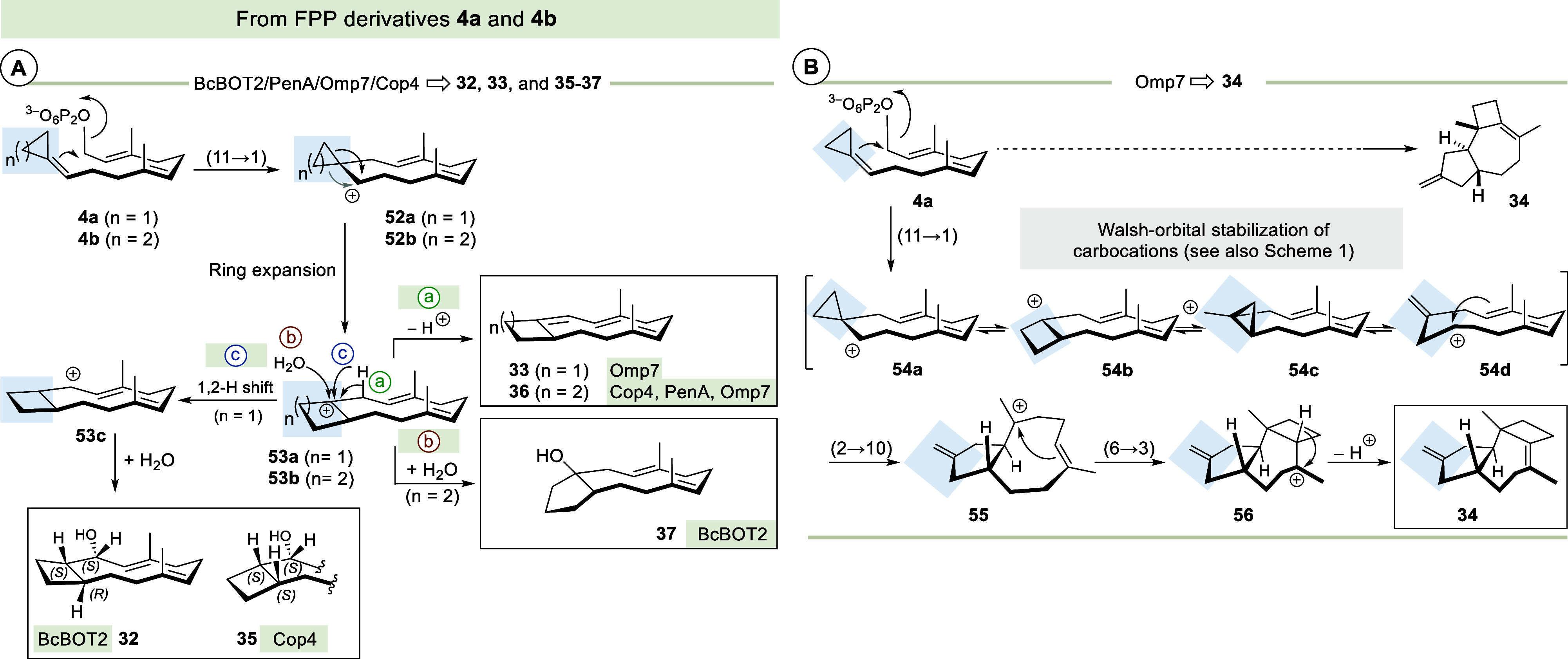 Figure 10
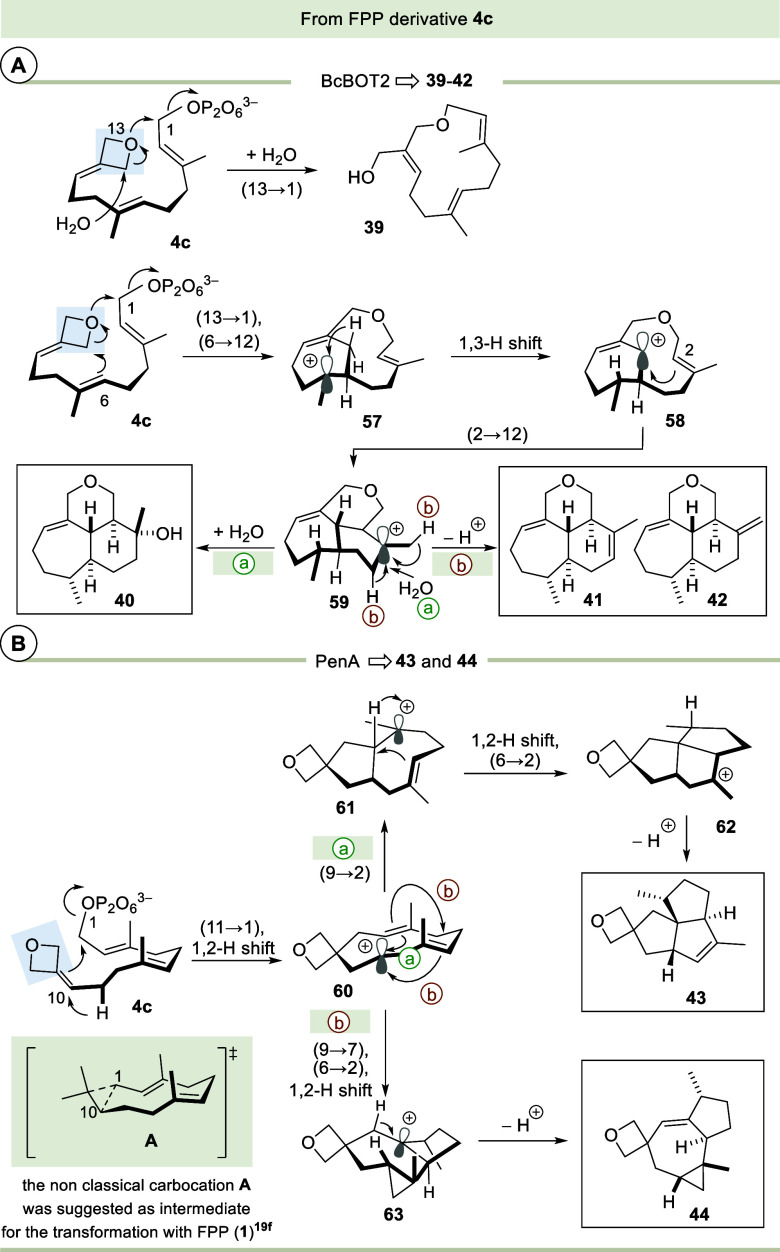 Figure 11
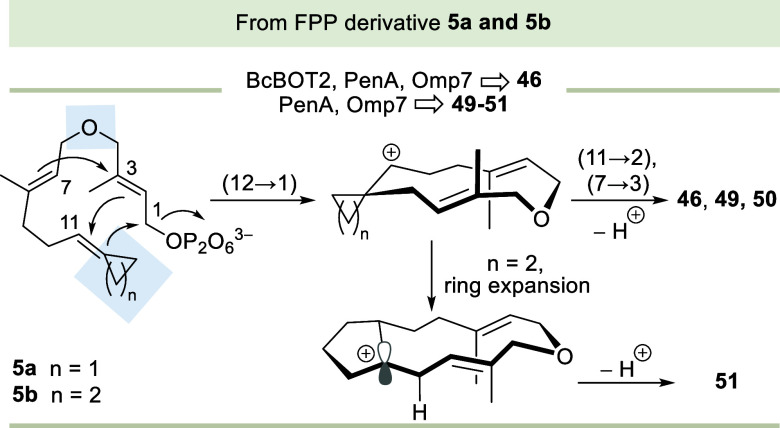 Figure 12
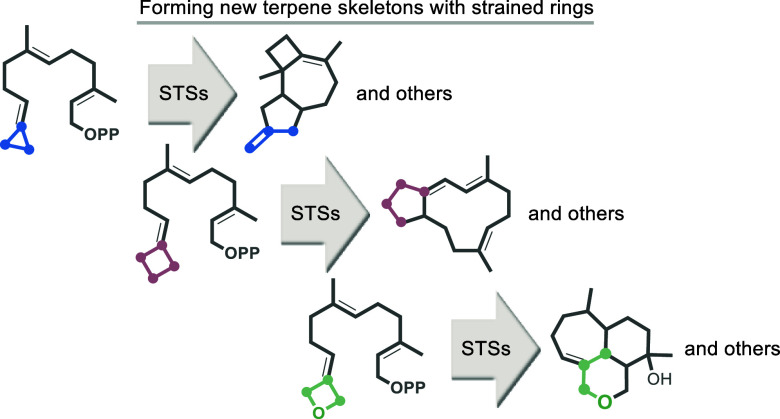 Figure 13
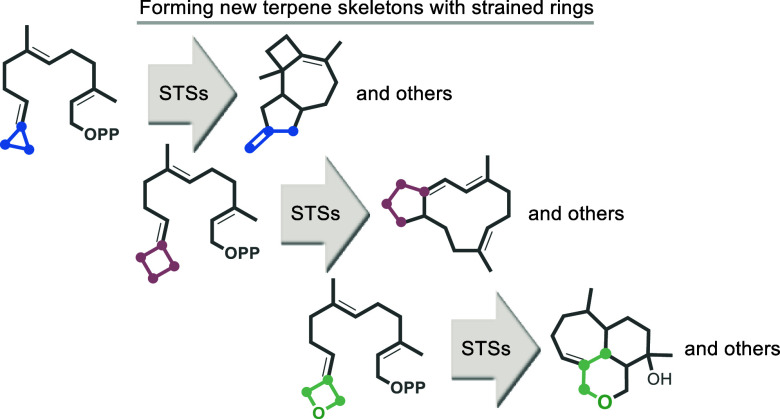 Figure 14
Peer Reviews
No public reviews on file for this paper yet. If you reviewed it on a platform where reviews are public (OpenReview, ICLR, NeurIPS, ICML), you can paste yours below so the community can read it here.
Videos
No videos yet. Explain this paper in a talk, walkthrough, or lecture? Add one.
Taxonomy
TopicsPlant biochemistry and biosynthesis · Sesquiterpenes and Asteraceae Studies · Microbial Natural Products and Biosynthesis