Better data for better predictions: data curation improves deep learning for sgRNA/Cas9 prediction
Tyler S. Browne, David R. Edgell, Gregory B. Gloor

TL;DR
Improving data quality and processing methods enhances deep learning models for predicting the effectiveness of CRISPR-Cas9 gene editing tools.
Contribution
The study shows that optimizing data curation, not just model architecture, significantly improves prediction accuracy for sgRNA/Cas9 activity.
Findings
Optimizing the length of adjacent nucleotide sequences improves model performance.
Data filtering based on read counts in control conditions enhances input data quality.
The crisprHAL Tev model generalizes well across species and data types.
Abstract
The Cas9 enzyme along with a single guide RNA molecule is a modular tool for genetic engineering and has shown effectiveness as a species-specific antimicrobial. The ability to accurately predict on-target cleavage is critical as activity varies by target. Using the sgRNA nucleotide sequence and an activity score, predictive models have been developed with the best performance resulting from deep learning architectures. Prior work has emphasized robust and novel architectures to improve predictive performance. Here, we explore the impact of a data-centric approach through optimization of the input target site adjacent nucleotide sequence length and the use of data filtering for read counts in the control conditions to improve input data utility. Using the existing crisprHAL architecture, we develop crisprHAL Tev, a bacterial SpCas9 prediction model with performance that generalizes…
Genes, proteins, chemicals, diseases, species, mutations and cell lines named across the full text — each resolved to its canonical identifier and authoritative record.
Click any figure to enlarge with its caption.
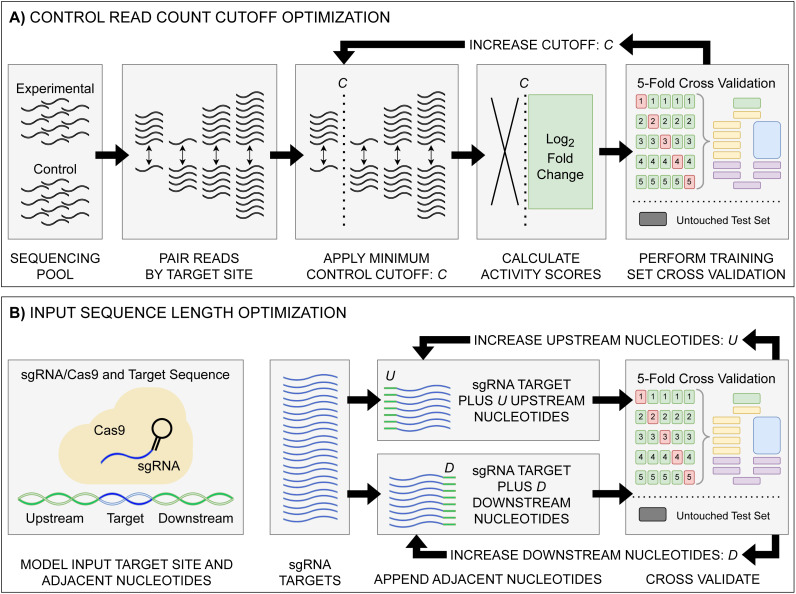 Figure 1
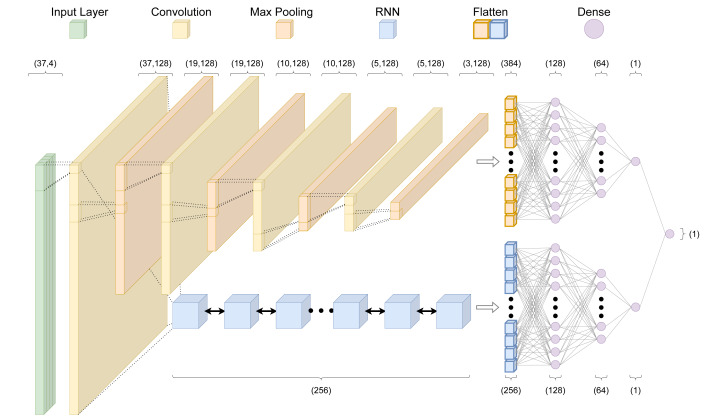 Figure 2
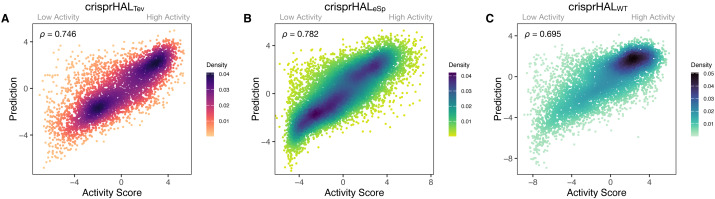 Figure 3
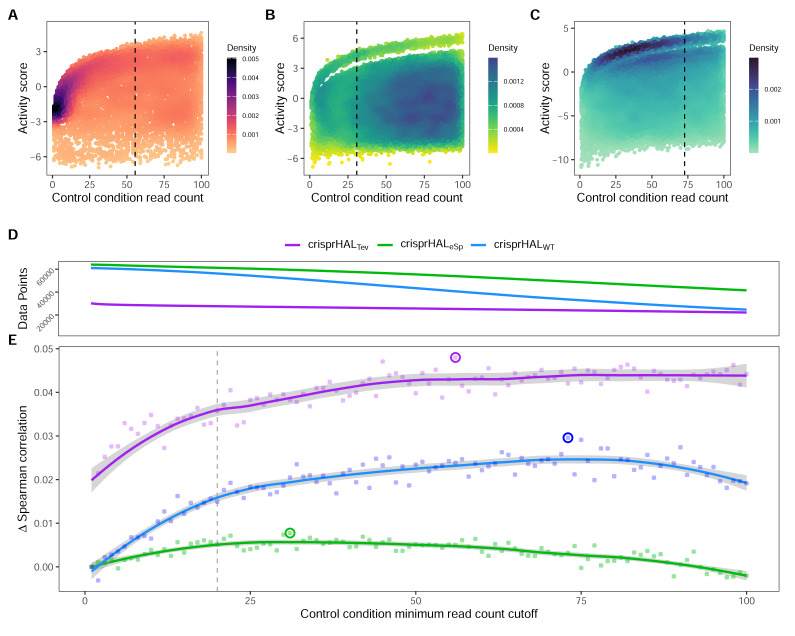 Figure 4
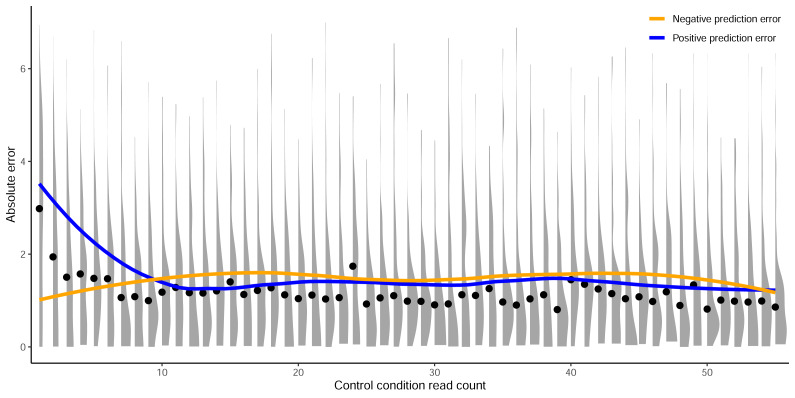 Figure 5
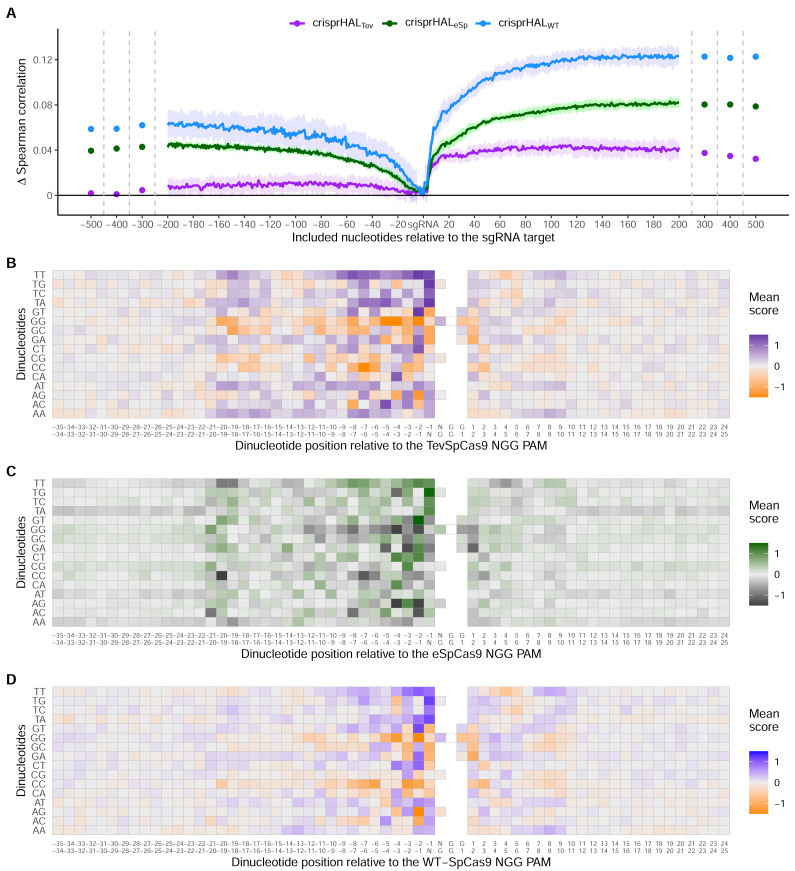 Figure 6
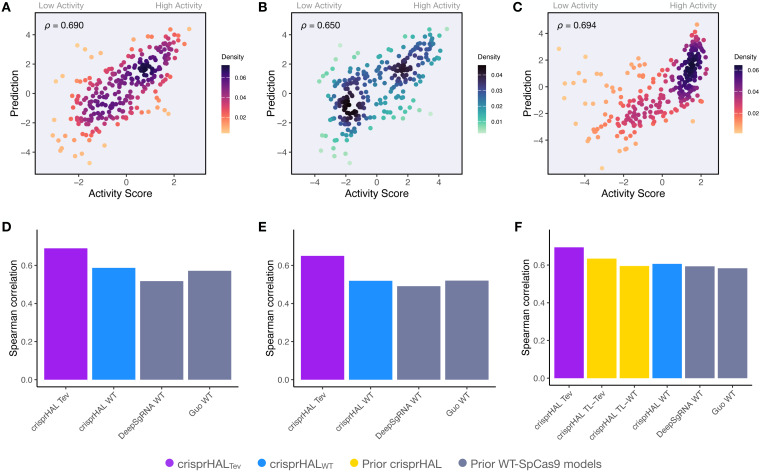 Figure 7
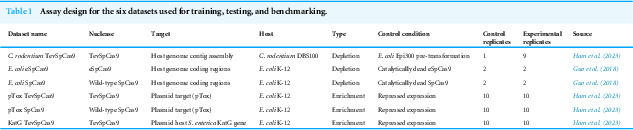 Figure 8
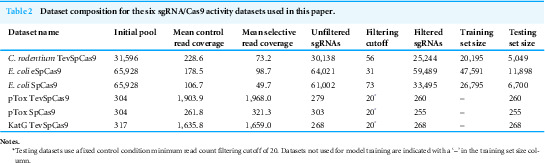 Figure 9
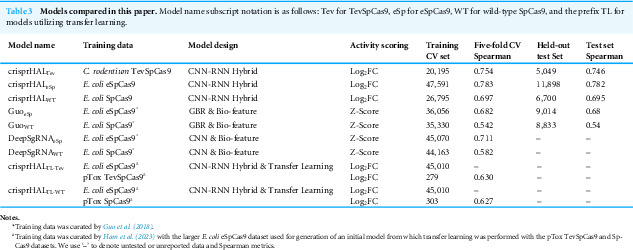 Figure 10
Peer Reviews
No public reviews on file for this paper yet. If you reviewed it on a platform where reviews are public (OpenReview, ICLR, NeurIPS, ICML), you can paste yours below so the community can read it here.
Videos
No videos yet. Explain this paper in a talk, walkthrough, or lecture? Add one.
Taxonomy
TopicsCRISPR and Genetic Engineering · Bacterial Genetics and Biotechnology · Machine Learning in Bioinformatics