Performance optimization and machine learning-guided parameter sensitivity analysis of lead-free KGeCl3 perovskite solar cells
Tanzir Ahamed, Md. Mehedi Hasan Bappy, Mohammad Rahimul Islam, Md. Shihab Uddin, Md. Arafat Hossain, Tanvir Ahammed

TL;DR
This study explores lead-free perovskite solar cells using KGeCl3 and different electron transport layers, optimizing performance with simulation and machine learning.
Contribution
The novel use of machine learning to guide parameter sensitivity analysis in lead-free perovskite solar cells is introduced.
Findings
The FTO/CFTS/KGeCl3/WS2/Au configuration achieved the highest power conversion efficiency of 21.39%.
CatBoost machine learning algorithm outperformed others with an R2 score of 0.984 and 99.344% accuracy.
WS2 as an electron transport layer showed the best performance in terms of band alignment and recombination.
Abstract
This study gives a realistic insight into the effectiveness of lead-free Ge-based perovskite solar cells (PSCs) using KGeCl3 as the absorber layer in combination with four different electron transport layers (ETLs), including WS2, ZnSe, PC60BM, and SnS2, with copper iron tin sulfide (CFTS) serving as the hole transport layer (HTL). Initially, key material parameters such as layer thickness, donor density (ND), acceptor density (NA), defect density (Nt), interface defect densities (IL1 & IL2), series resistance (Rs), shunt resistance (Rsh), operating temperature (K), and back contact work function (eV) are varied using a SCAPS-1D simulator to optimize device performance. Between the four cell configurations, the FTO/CFTS/KGeCl3/WS2/Au structure has achieved the highest performance with a power conversion efficiency (PCE) of 21.39%, short-circuit current density (JSC) of 39.526 mA cm−2,…
Genes, proteins, chemicals, diseases, species, mutations and cell lines named across the full text — each resolved to its canonical identifier and authoritative record.
Click any figure to enlarge with its caption.
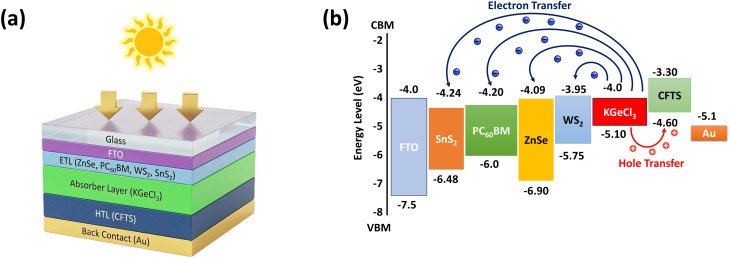 Figure 1
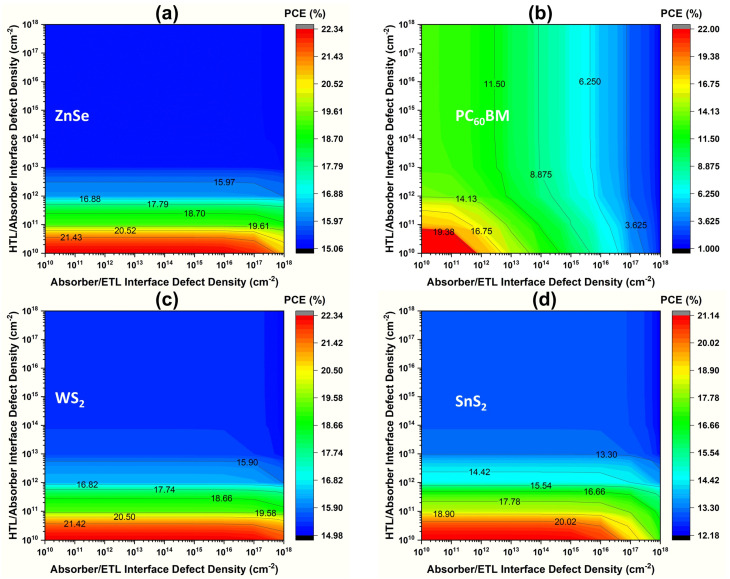 Figure 2
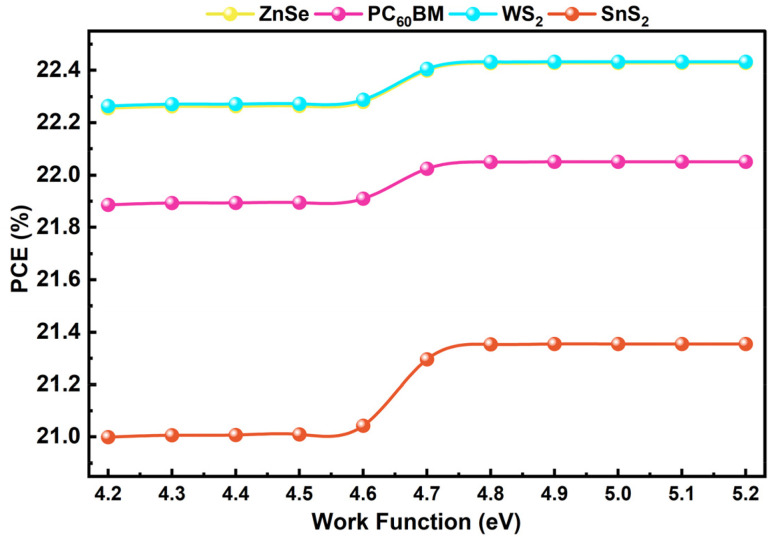 Figure 3
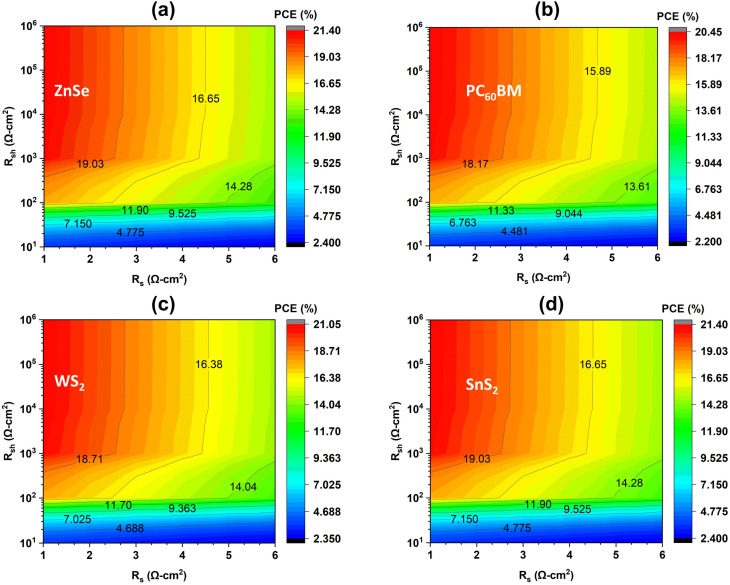 Figure 4
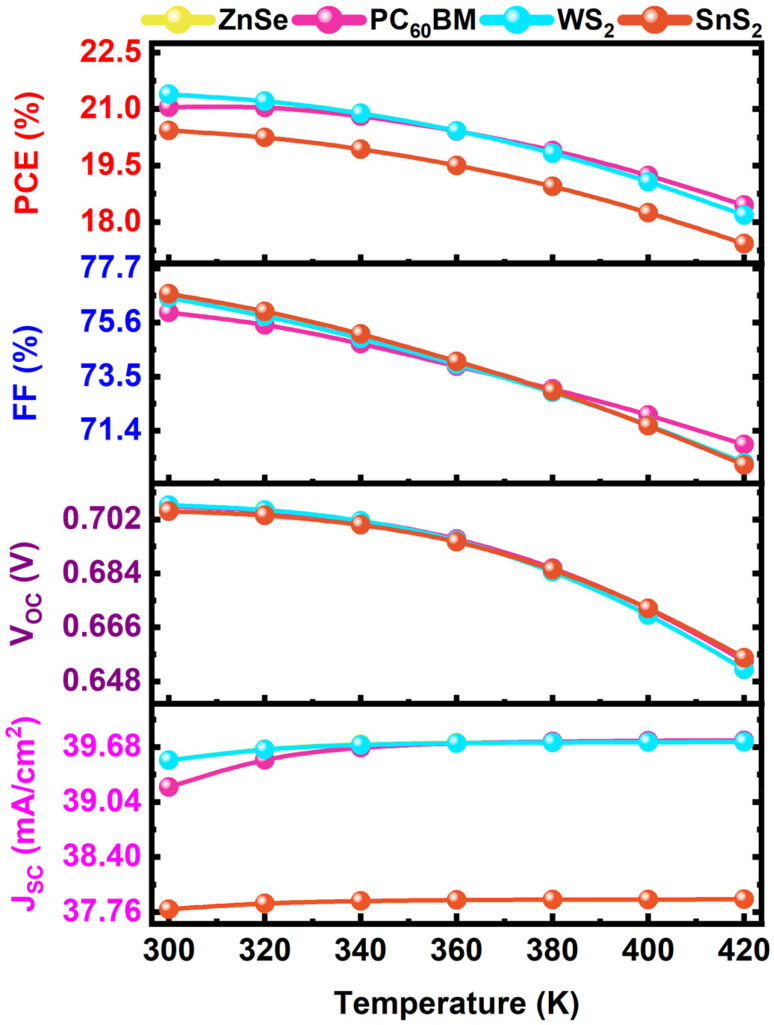 Figure 5
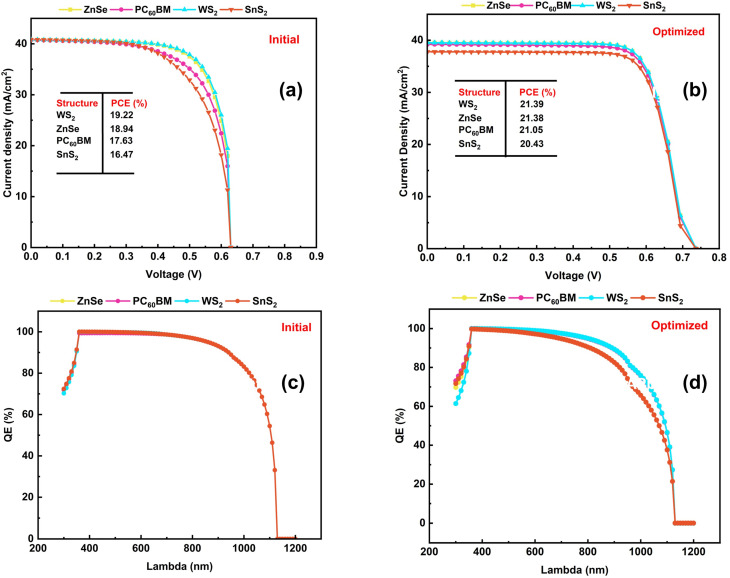 Figure 6
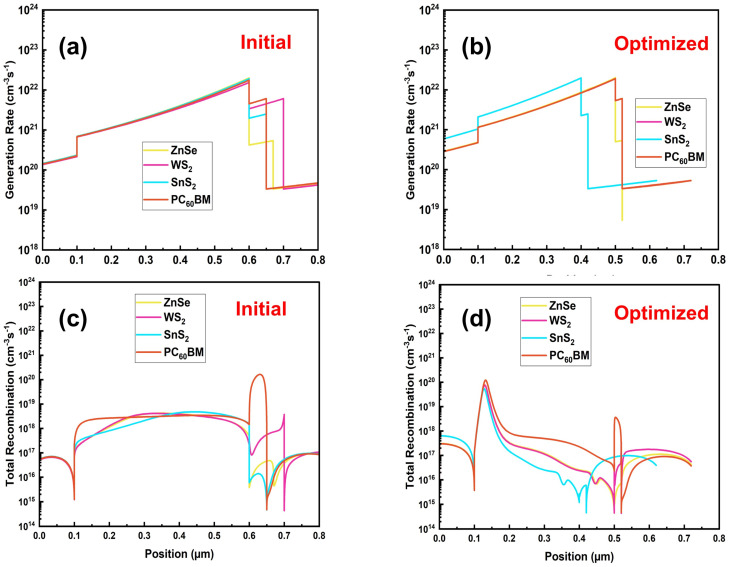 Figure 7
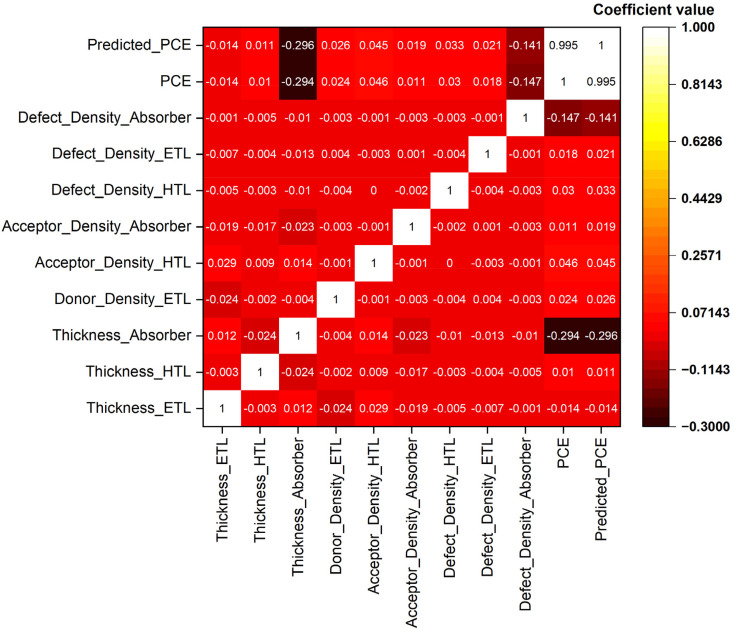 Figure 8
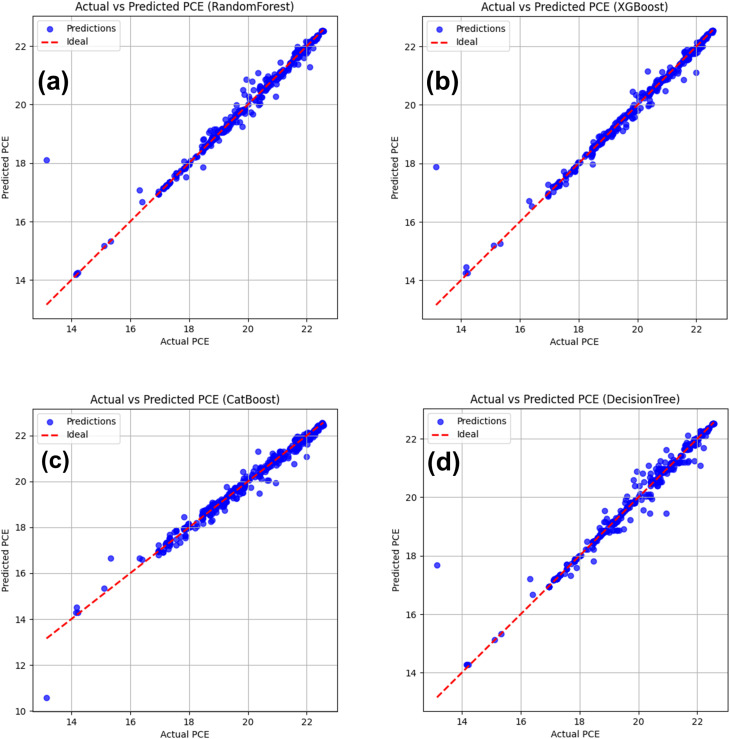 Figure 9
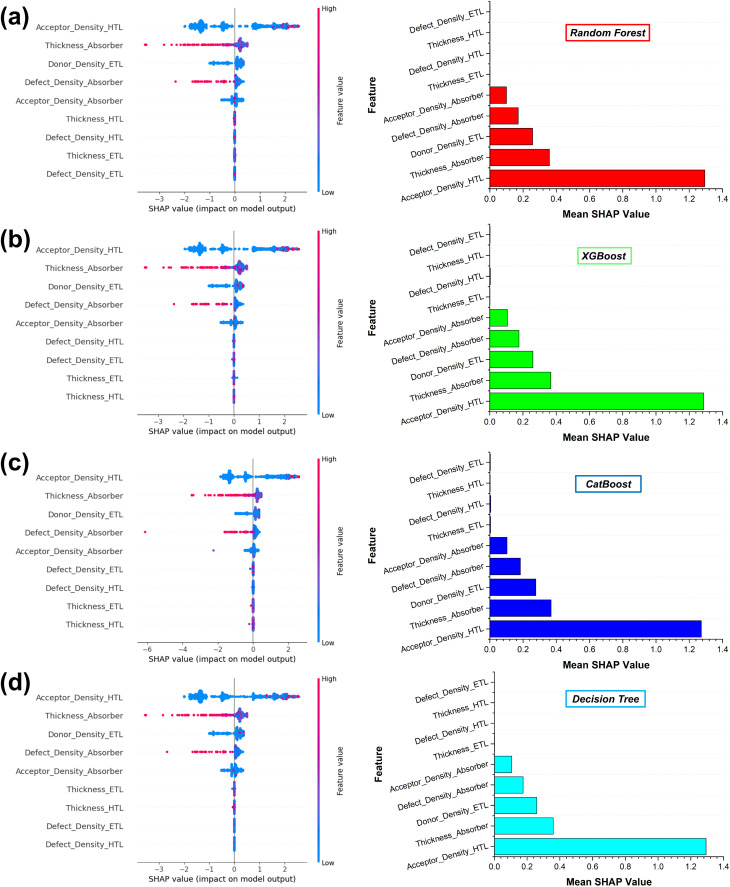 Figure 10
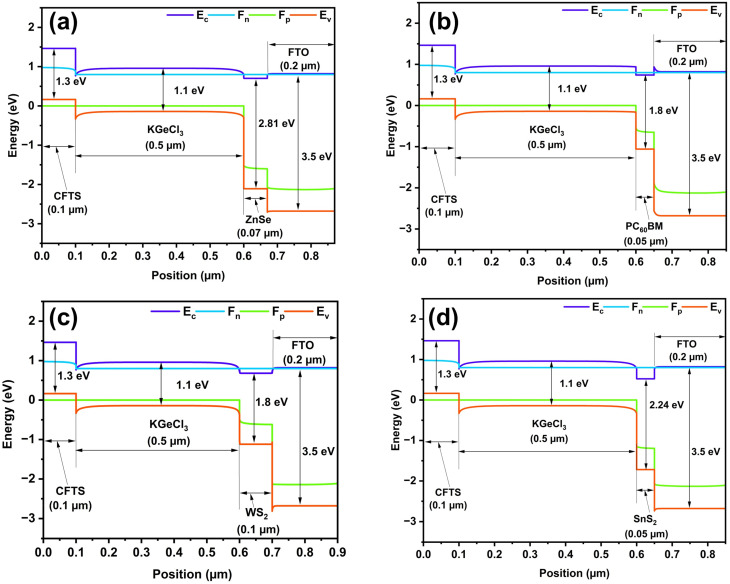 Figure 11
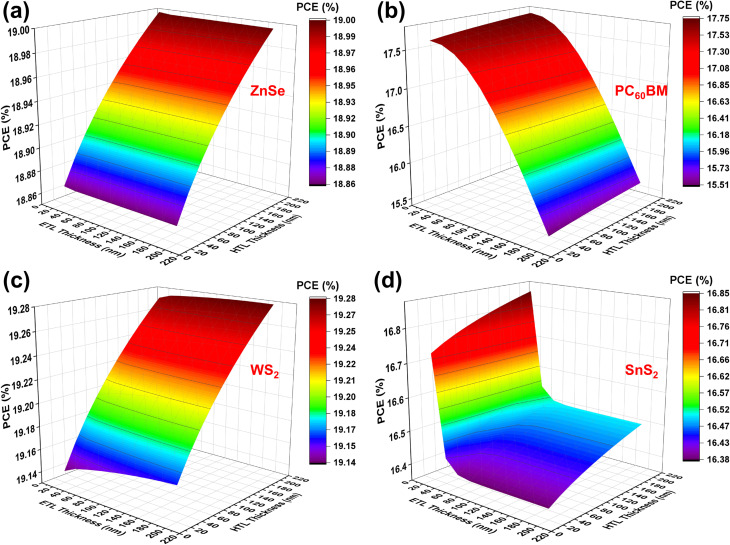 Figure 12
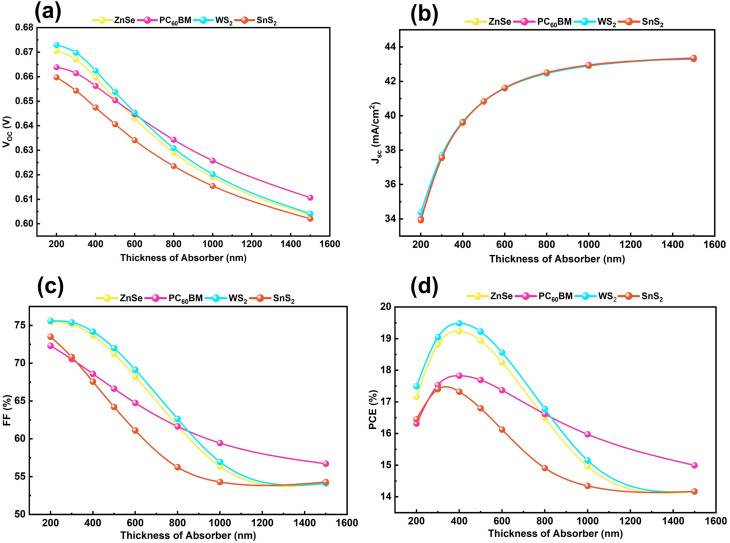 Figure 13
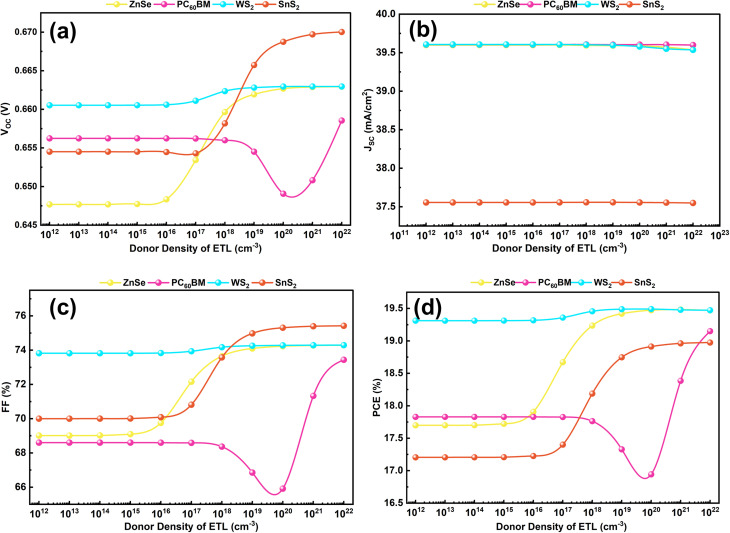 Figure 14
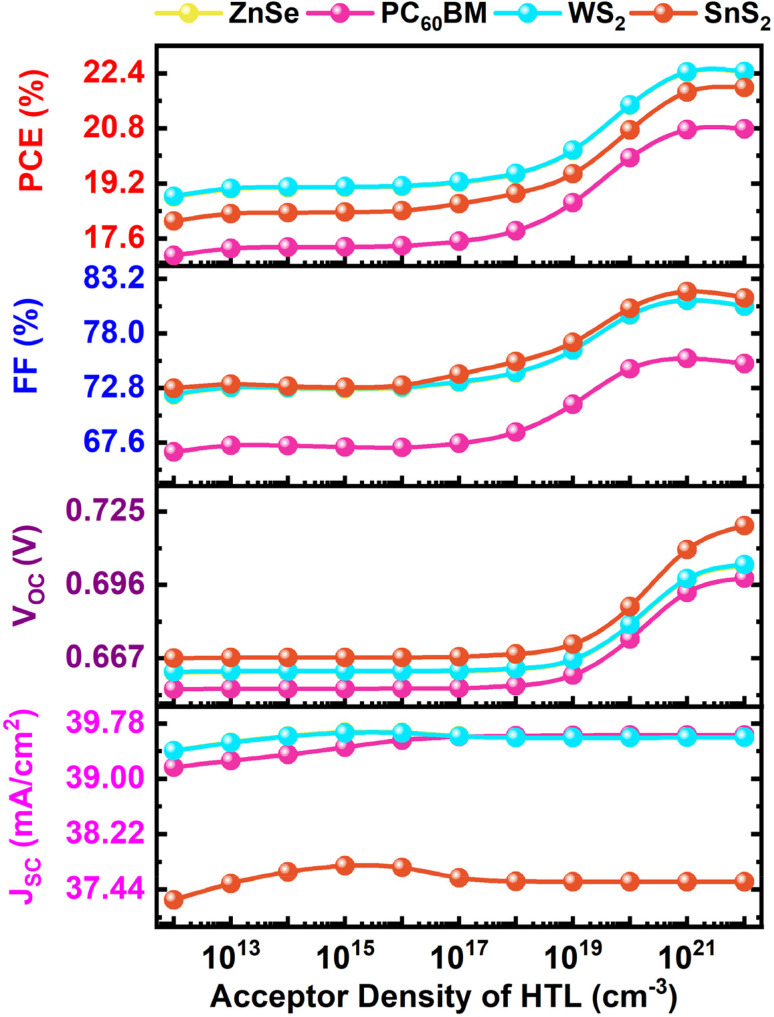 Figure 15
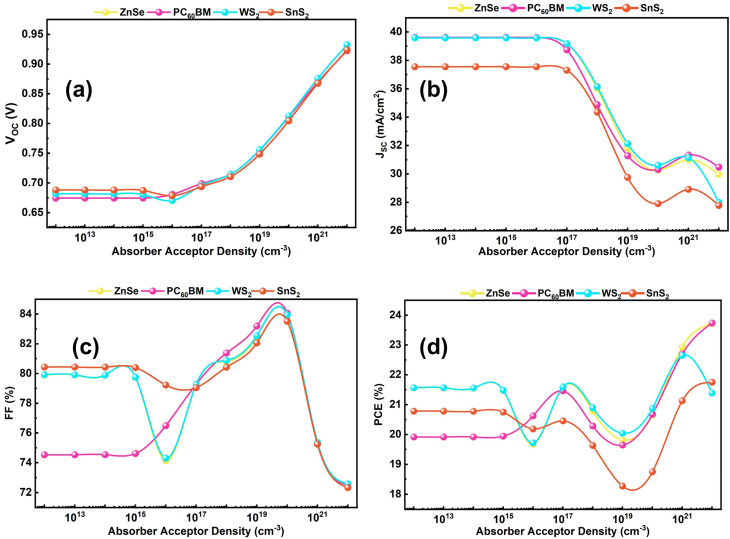 Figure 16
 Figure 17
 Figure 18
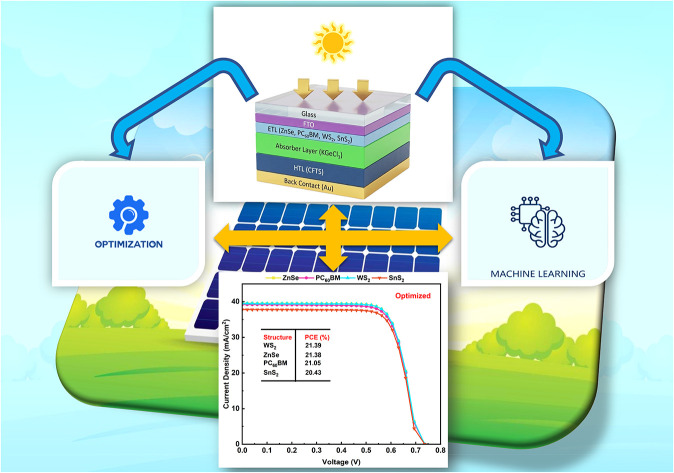 Figure 19
 Figure 20
 Figure 21
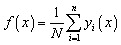 Figure 22
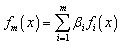 Figure 23
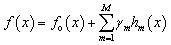 Figure 24
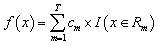 Figure 25
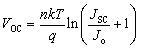 Figure 26
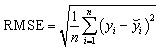 Figure 27
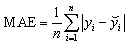 Figure 28
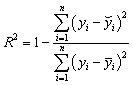 Figure 29
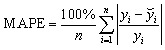 Figure 30
 Figure 31
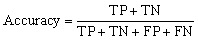 Figure 32
 Figure 33
 Figure 34
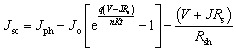 Figure 35
 Figure 36
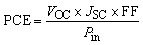 Figure 37
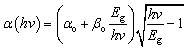 Figure 38
 Figure 39
Peer Reviews
No public reviews on file for this paper yet. If you reviewed it on a platform where reviews are public (OpenReview, ICLR, NeurIPS, ICML), you can paste yours below so the community can read it here.
Videos
No videos yet. Explain this paper in a talk, walkthrough, or lecture? Add one.
Taxonomy
TopicsPerovskite Materials and Applications · Machine Learning in Materials Science · Heusler alloys: electronic and magnetic properties