A green fabrication of pharmacologically relevant fused pyrimidines using recyclable caffeine–H3PO4 catalyst: insight into antibacterial and cytotoxic efficacy
Ayushi Bhatnagar, Nitish Rai, Namita Ashish Singh, Vidhi Jain, Juhi Goyal, Gangotri Pemawat

TL;DR
A new green method uses caffeine-H3PO4 to efficiently make fused pyrimidines with good yields and eco-friendly properties.
Contribution
A recyclable, metal-free caffeine–H3PO4 catalyst enables green synthesis of fused pyrimidines with high yields.
Findings
Caffeine–H3PO4 is a stable and recyclable catalyst for pyrimido[4,5-d]pyrimidine synthesis.
The method avoids harsh reagents and shows good eco-metric performance.
Compounds show cytotoxic potential and favorable drug-like properties via computational analysis.
Abstract
An eco-friendly and high-yielding one-pot protocol has been developed for the synthesis of pyrimido[4,5-d]pyrimidine derivatives utilizing caffeine–H3PO4 as a recyclable, metal-free acidic catalyst under ethanolic conditions. This green approach delivers the desired fused heterocycles in notable yields within short reaction times, avoiding the use of harsh reagents and tedious purification steps. The catalyst was systematically characterized by FT-IR, NMR, XRD, SEM, EDX, TGA, DTG, DTA and DSC analyses, confirming its stability, robustness, and catalytic proficiency. Notably, caffeine–H3PO4 exhibited excellent recyclability across multiple runs with negligible reduction in activity. Eco-metric assessment further substantiated the environmentally benign nature of the process. Preliminary biological screening demonstrated significant cytotoxic potential, while computational studies…
Genes, proteins, chemicals, diseases, species, mutations and cell lines named across the full text — each resolved to its canonical identifier and authoritative record.
Click any figure to enlarge with its caption.
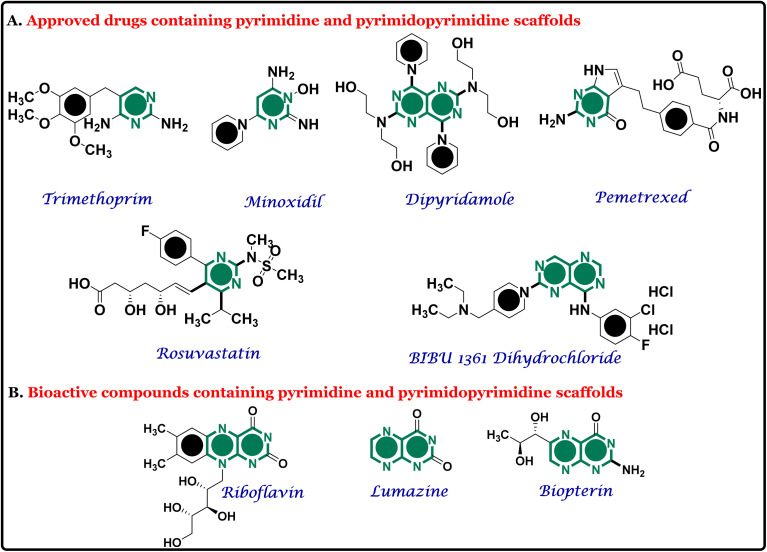 Figure 1
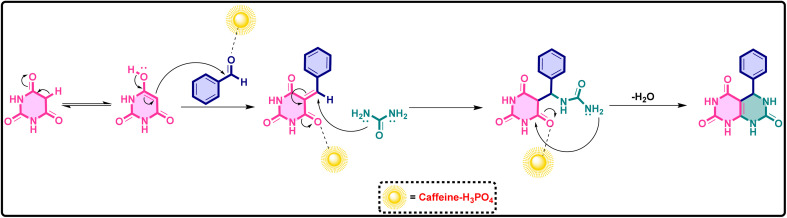 Figure 2
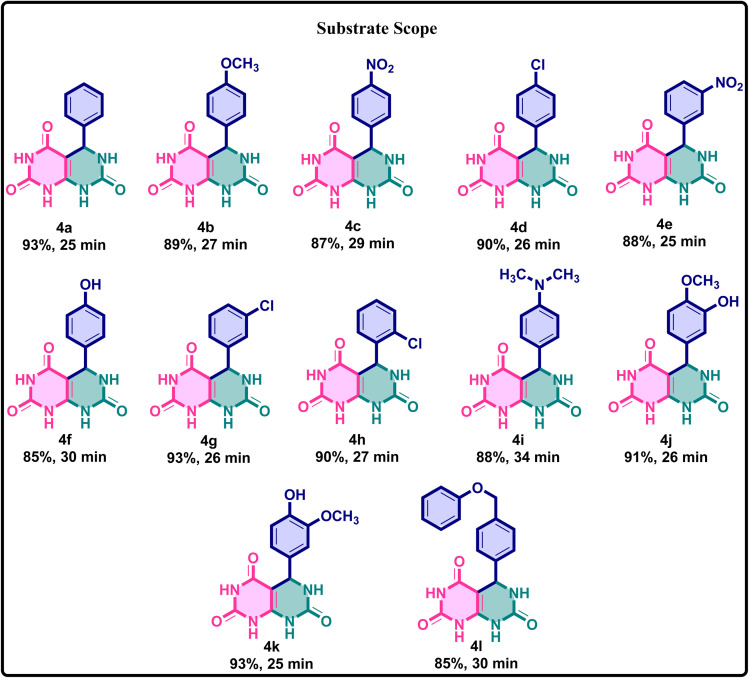 Figure 3
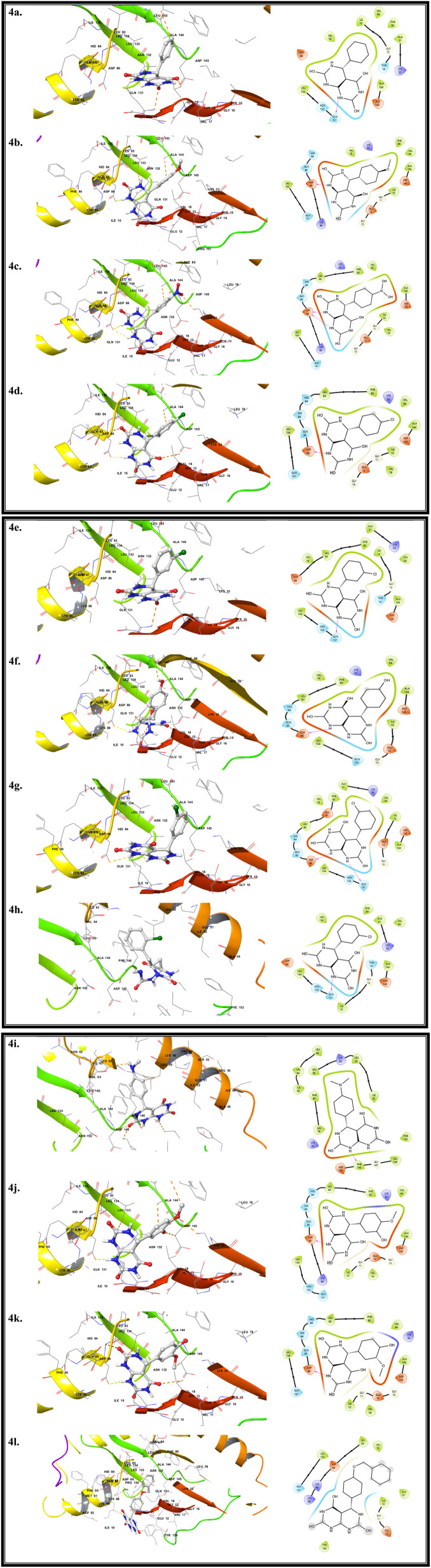 Figure 4
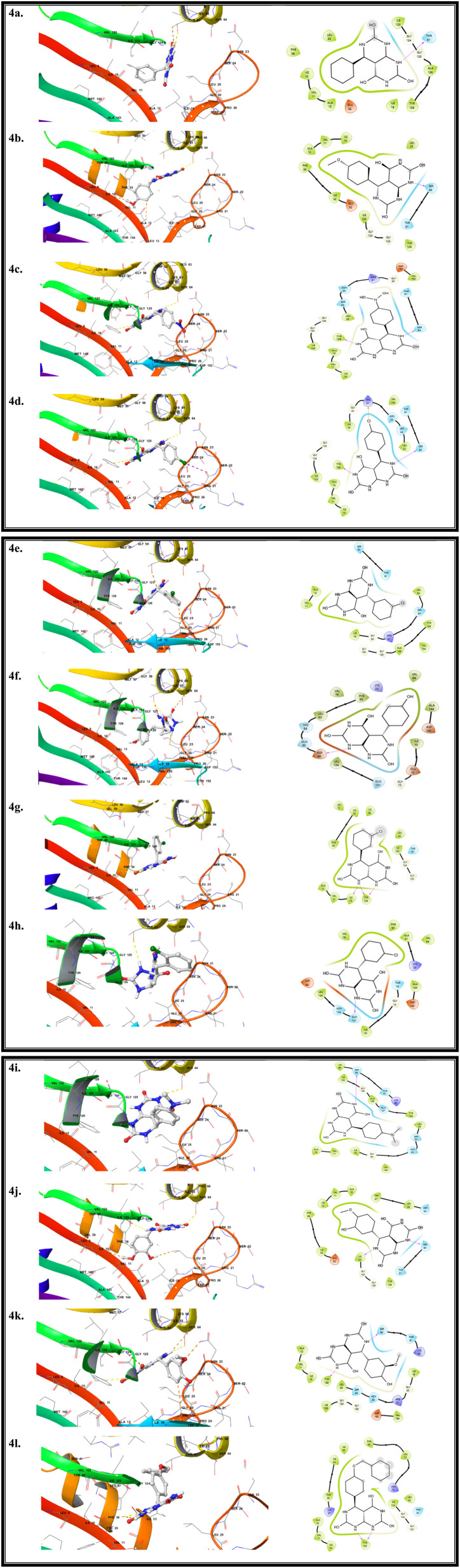 Figure 5
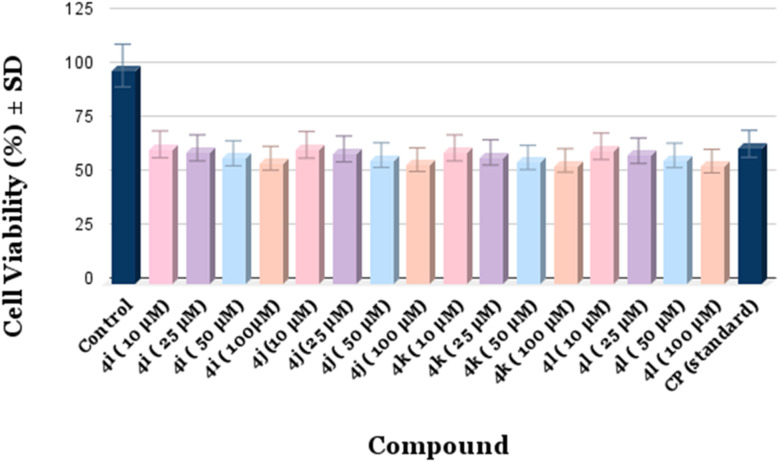 Figure 6
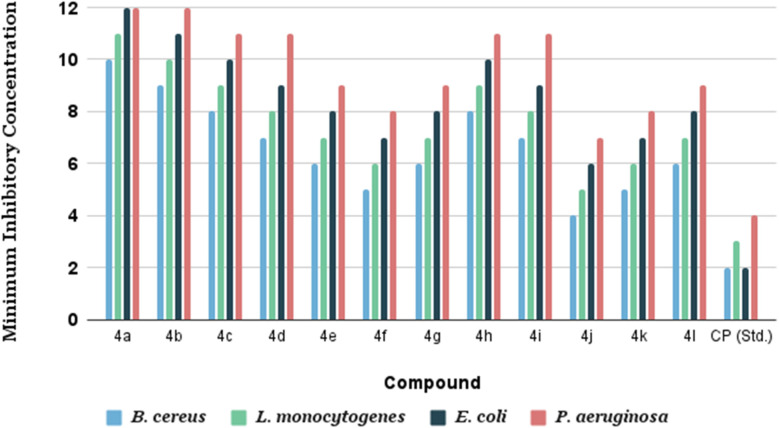 Figure 7
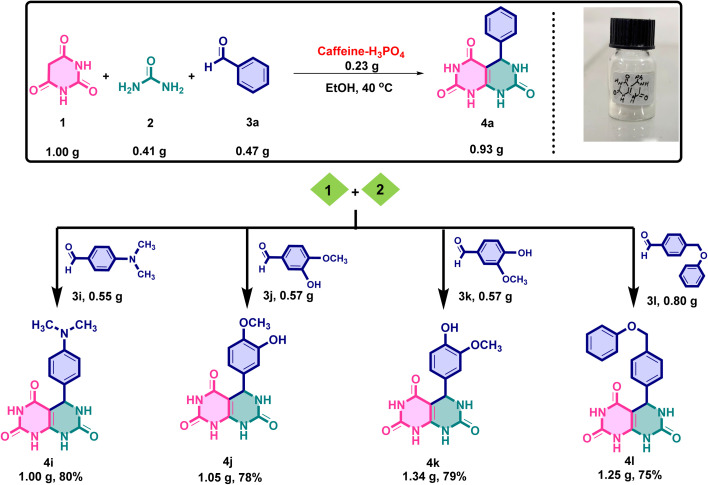 Figure 8
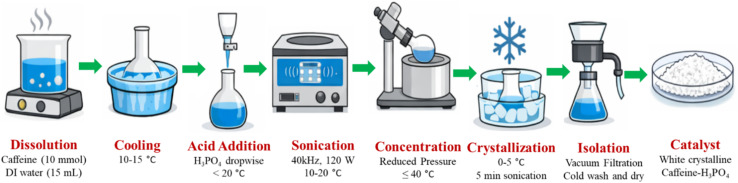 Figure 9
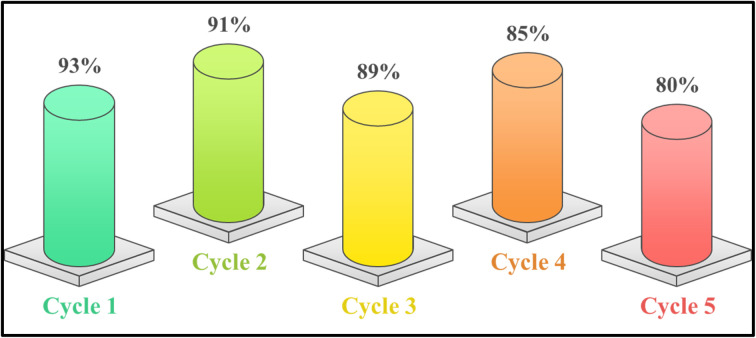 Figure 10
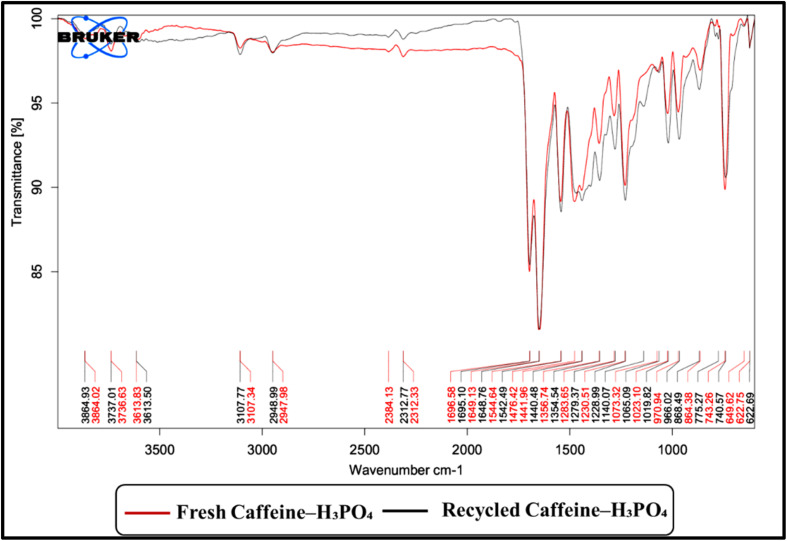 Figure 11
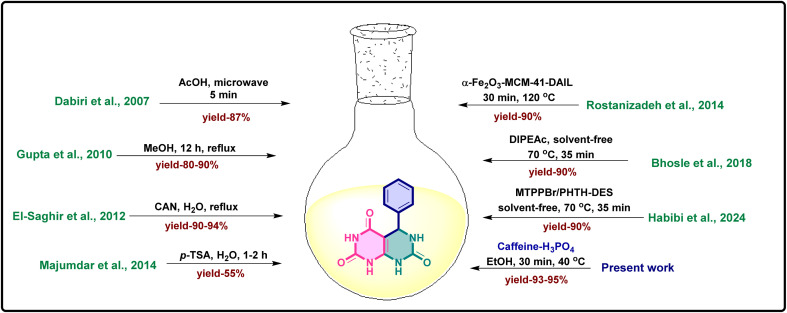 Figure 12
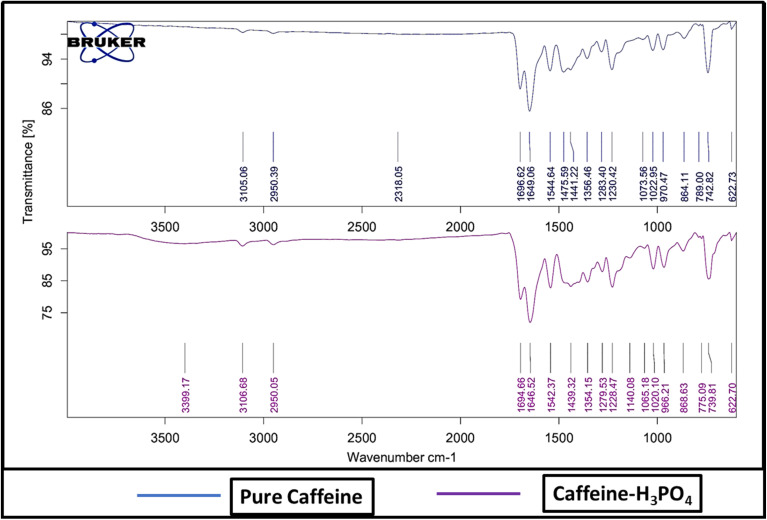 Figure 13
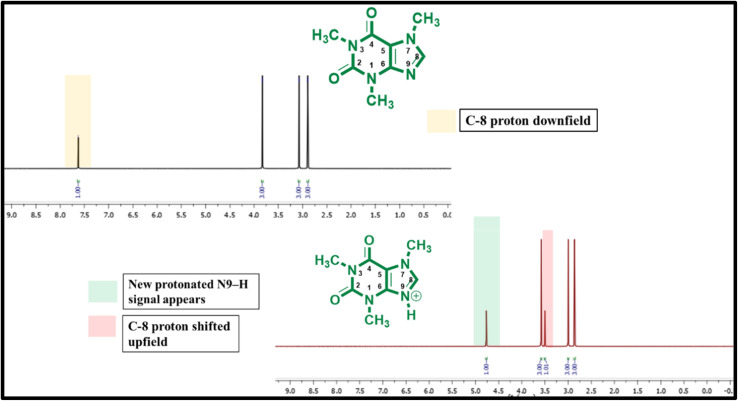 Figure 14
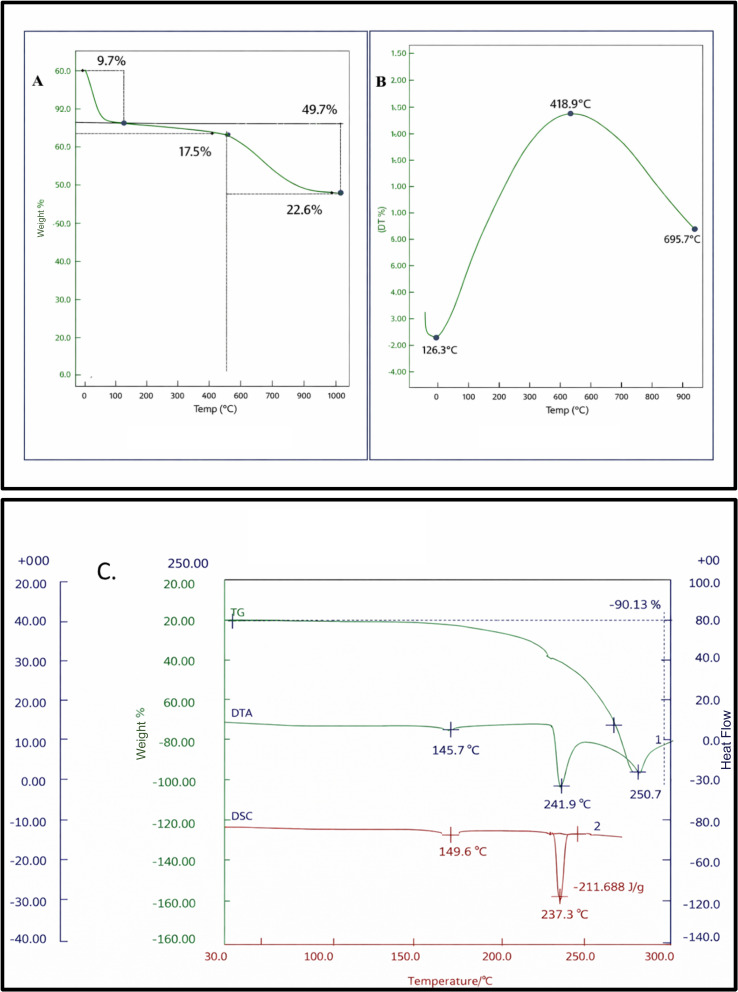 Figure 15
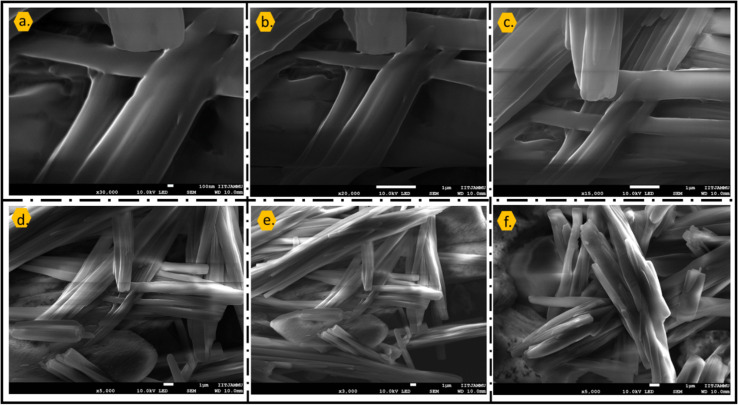 Figure 16
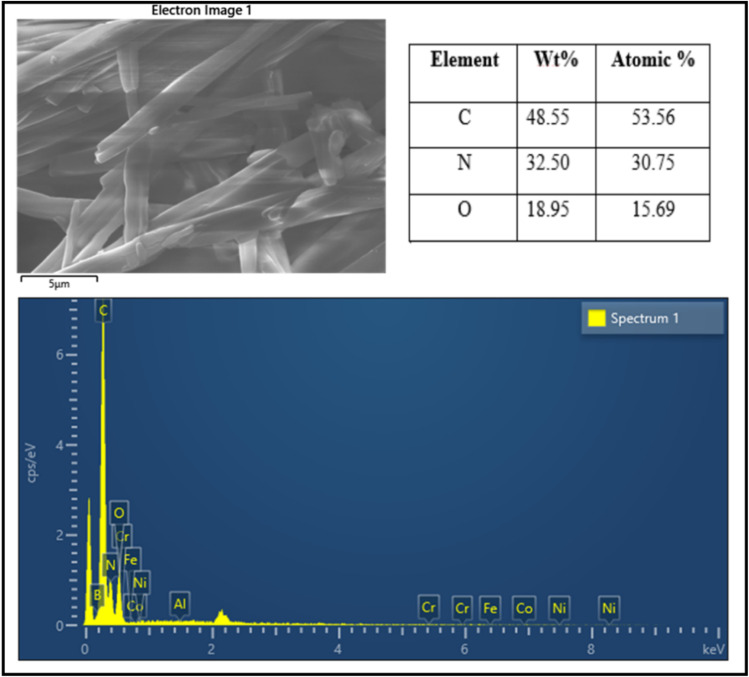 Figure 17
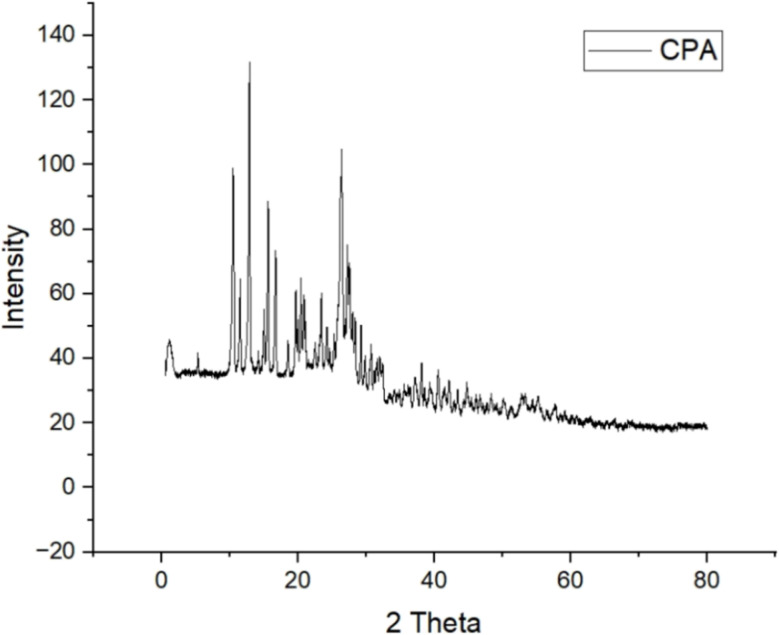 Figure 18
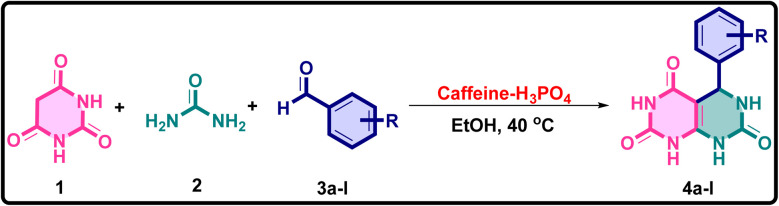 Figure 19
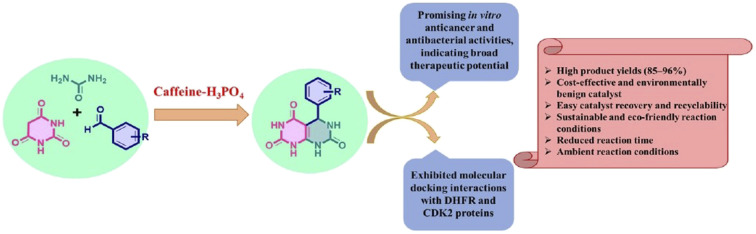 Figure 20
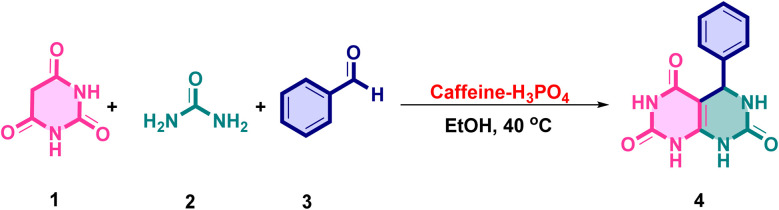 Figure 21
Peer Reviews
No public reviews on file for this paper yet. If you reviewed it on a platform where reviews are public (OpenReview, ICLR, NeurIPS, ICML), you can paste yours below so the community can read it here.
Videos
No videos yet. Explain this paper in a talk, walkthrough, or lecture? Add one.
Taxonomy
TopicsMulticomponent Synthesis of Heterocycles · Synthesis and biological activity · Microwave-Assisted Synthesis and Applications