When Reality Defies Prediction: Polymorphism, Twinning, and Accordion Crystals
Amy V. Hall, Alice C. Taylor, Natalie E. Pridmore, Aurora J. Cruz-Cabeza, David K. Smith, Niccolò Cosottini, Mark A. Fox, Amrita Chattopadhyay, Stefanos Konstantinopoulos, Daniel N. Rainer, Simon J. Coles, Nicholas Blagden, Qi Zhang, Leon Bowen, Toby J. Blundell

TL;DR
This paper explores the unusual crystallization behavior of terephthalic dihydrazide, revealing how real-world conditions can defy computational predictions.
Contribution
The study reports the first observation of two concomitant polymorphs with unique morphologies and stability discrepancies between experiments and computations.
Findings
Form I (FI) of terephthalic dihydrazide forms accordion-like stacks with twin domains and remains stable in solution for years.
Form II (FII) exists as large needles but disappears in solution after 20 hours.
Computational methods predict FII as the most stable polymorph, while experiments show FI is more stable.
Abstract
The ability to understand crystallization and predict the resulting solid form of a system is not always easily achieved, but it is critical, particularly in the field of materials science. Intriguing (and previously unreported) crystallization behavior is observed with terephthalic dihydrazide (TeDi) as it rapidly forms two concomitant crystalline polymorphs upon cooling in solution. The crystal morphology of Form I (FI) has not been seen before in organic systems and involves impressive, accordion-like stacks, composed of numerous twin domains and remains stable in solution for years. Form II (FII) exists as large needles that disappear in solution after 20 h. All experimental methods employed reveal that FI is the most stable polymorph. Conversely, all computational methods utilized (conformational analyses, lattice energy calculations, and crystal structure prediction) suggest that…
Genes, proteins, chemicals, diseases, species, mutations and cell lines named across the full text — each resolved to its canonical identifier and authoritative record.
Click any figure to enlarge with its caption.
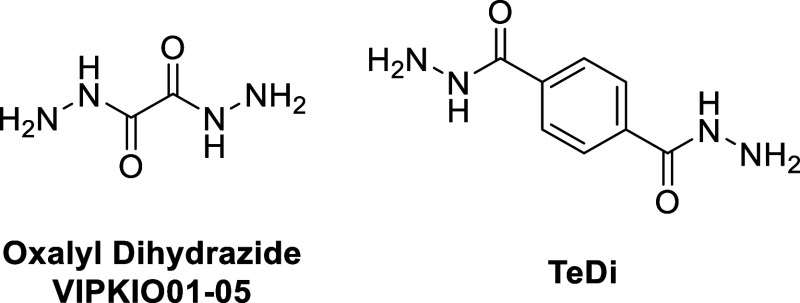 Figure 1
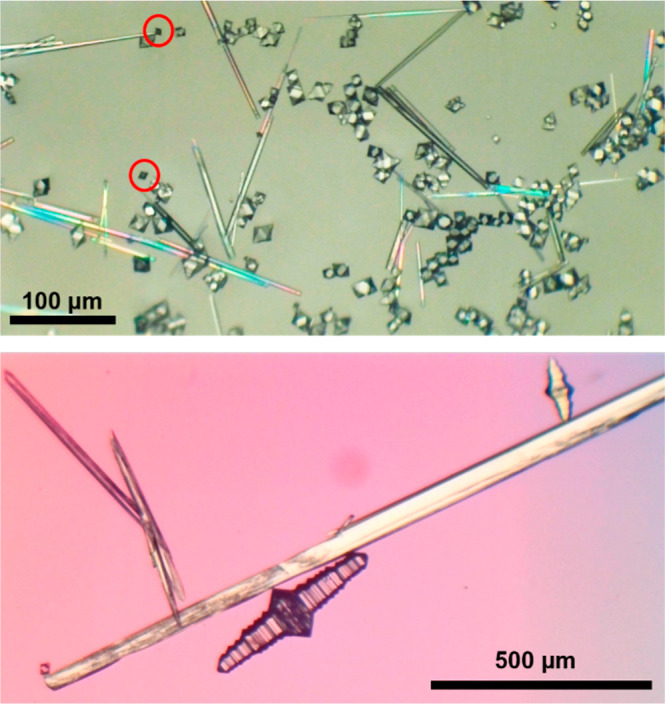 Figure 2
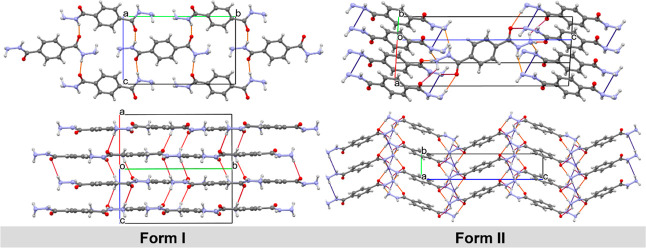 Figure 3
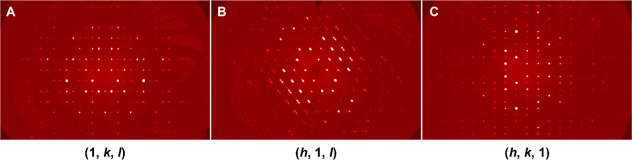 Figure 4
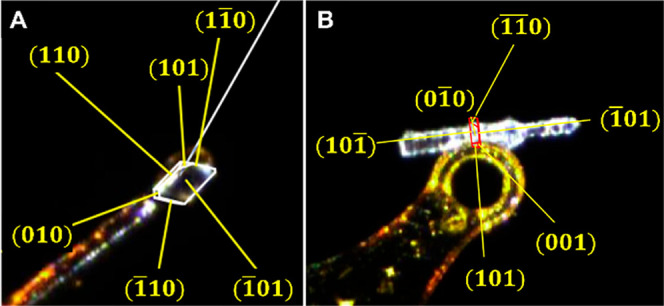 Figure 5
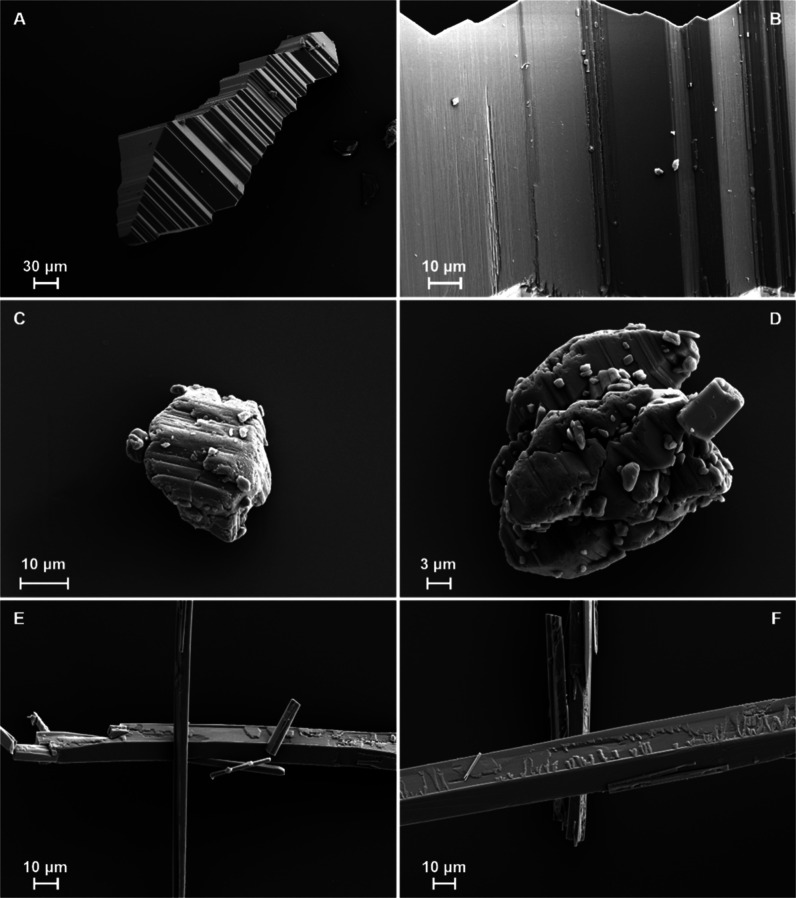 Figure 6
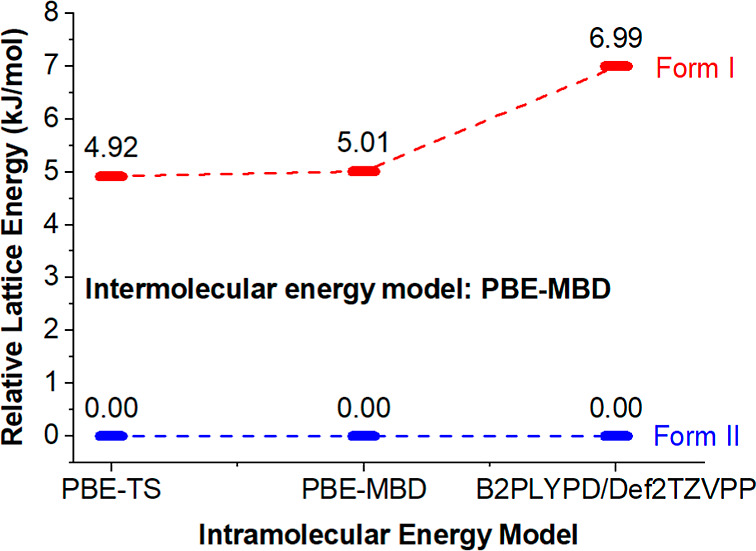 Figure 7
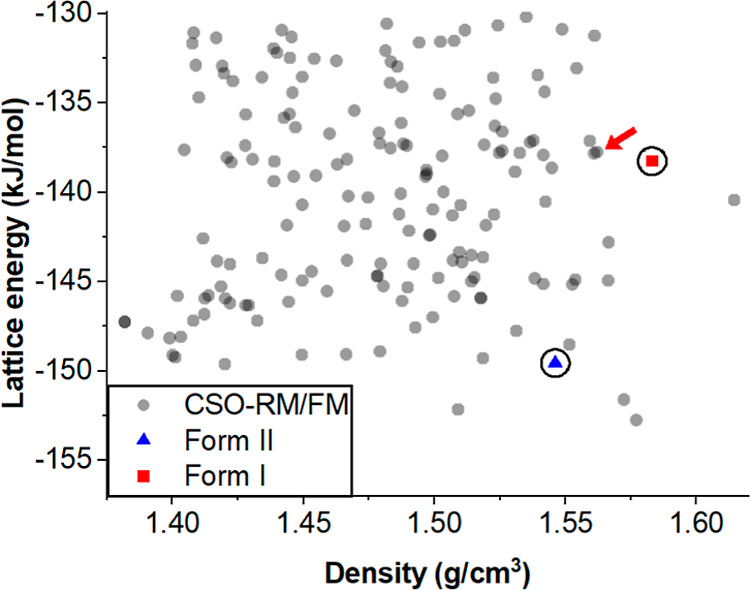 Figure 8
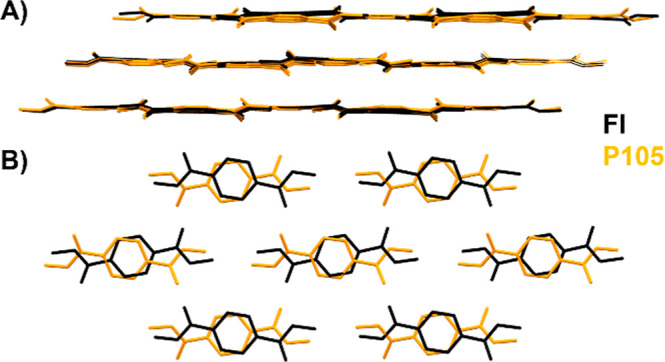 Figure 9
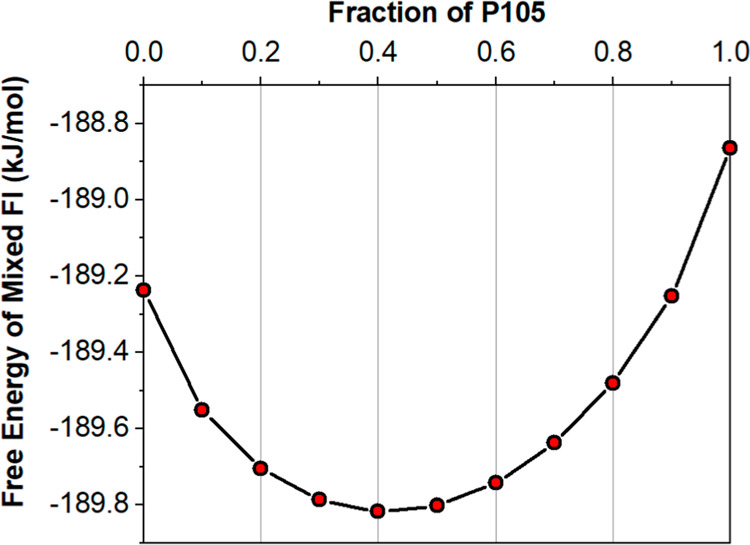 Figure 10
 Figure 11
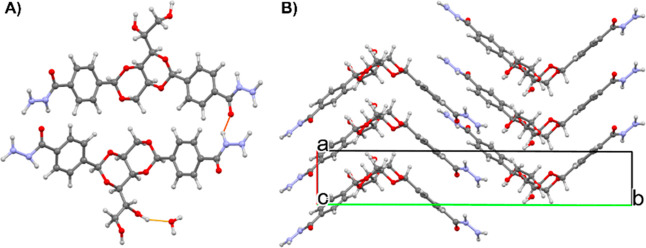 Figure 12
 Figure 13
 Figure 14
 Figure 15
Peer Reviews
No public reviews on file for this paper yet. If you reviewed it on a platform where reviews are public (OpenReview, ICLR, NeurIPS, ICML), you can paste yours below so the community can read it here.
Videos
No videos yet. Explain this paper in a talk, walkthrough, or lecture? Add one.
Taxonomy
TopicsSupramolecular Self-Assembly in Materials · Crystallography and molecular interactions · Polydiacetylene-based materials and applications