Diazulenopentalene: Facile Synthesis of Linear Non-Alternant Molecular Carbons through Pt-Mediated Rearrangement
Zhaohang Lin, Chang Wang, Farshad Shiri, Zhenyang Lin, Junzhi Liu

TL;DR
Scientists synthesized a new carbon compound called diazulenopentalene using platinum, revealing its unique structure and properties.
Contribution
A novel linear non-alternant hydrocarbon, diazulenopentalene, was synthesized via Pt-mediated rearrangement.
Findings
Diazulenopentalene contains distinct pentalene and azulene units confirmed by single-crystal analysis.
Computational studies elucidated the Pt-mediated rearrangement mechanism.
The compound represents a promising platform for studying non-alternant molecular carbons.
Abstract
Pentalene is a classic 8π antiaromatic non-alternant compound that displays high reactivity. To stabilize pentalene and investigate its properties, benzene rings are typically fused to its core. Advances in metal-catalyzed chemistry have rapidly accelerated the development of pentalene-incorporated molecular carbons. However, fully non-alternant structures based on the pentalene skeleton remain underexplored due to synthetic challenges. Here, we report the synthesis of a novel linear non-alternant hydrocarbon, diazulenopentalene, achieved via a Pt-mediated rearrangement arylation, with the mechanism elucidated by computational studies. Single-crystal analysis, complemented by aromaticity calculations, revealed that diazulenopentalene comprises distinct pentalene and azulene units. The synthetic strategy presented here provides a promising platform for a deeper investigation into this…
Genes, proteins, chemicals, diseases, species, mutations and cell lines named across the full text — each resolved to its canonical identifier and authoritative record.
Click any figure to enlarge with its caption.
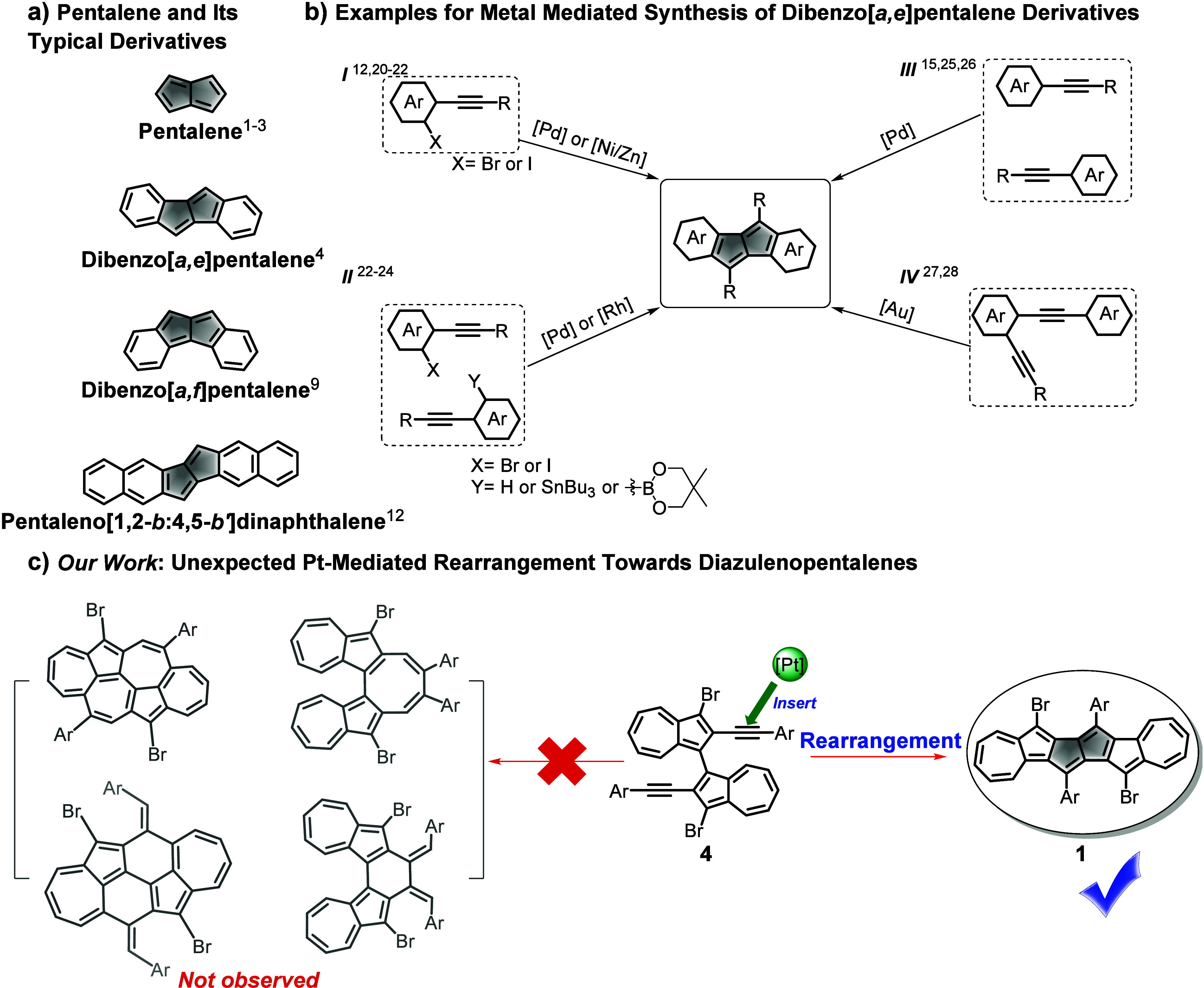 Figure 1
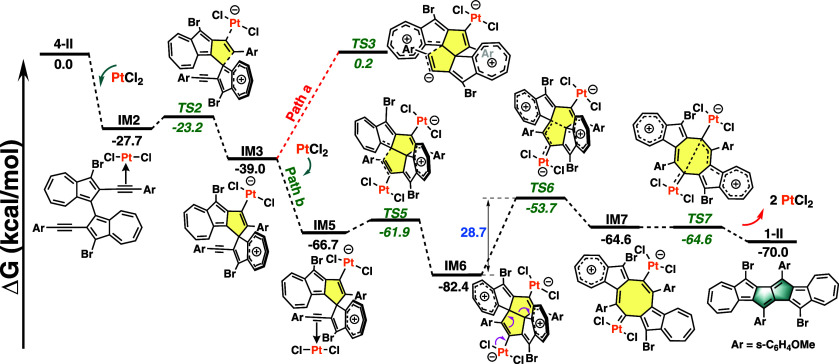 Figure 2
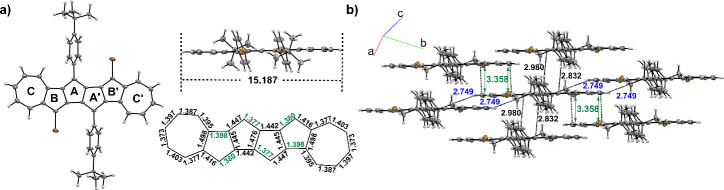 Figure 3
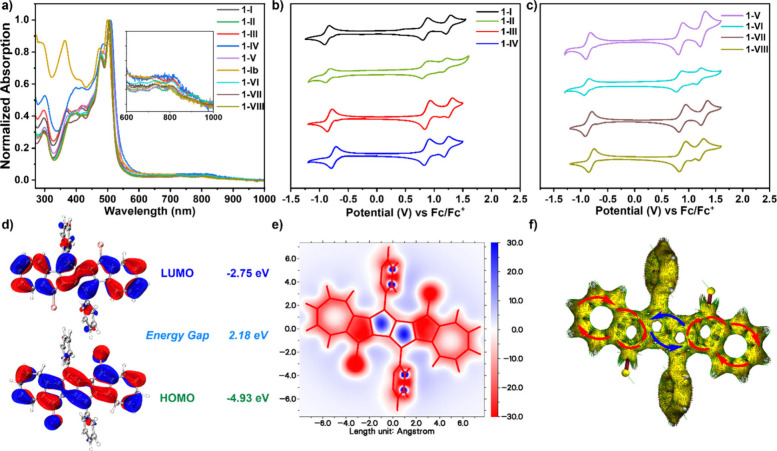 Figure 4
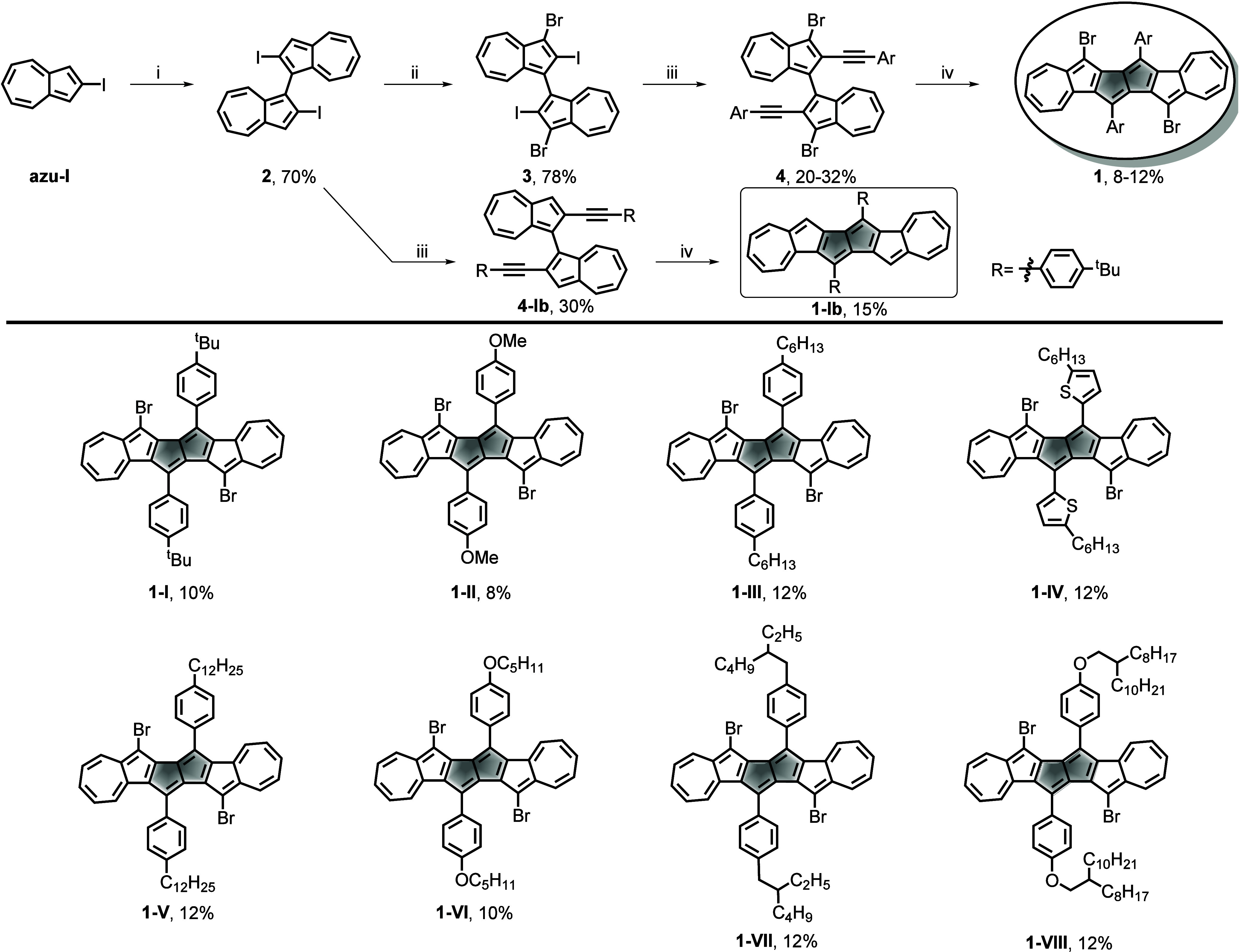 Figure 5
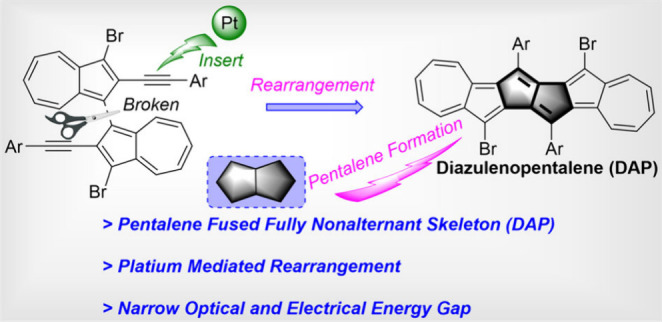 Figure 6
Peer Reviews
No public reviews on file for this paper yet. If you reviewed it on a platform where reviews are public (OpenReview, ICLR, NeurIPS, ICML), you can paste yours below so the community can read it here.
Videos
No videos yet. Explain this paper in a talk, walkthrough, or lecture? Add one.
Taxonomy
TopicsSynthesis and Properties of Aromatic Compounds · Organoboron and organosilicon chemistry · Fullerene Chemistry and Applications