Unraveling the Mixing Entropy-Activity Relationship in High Entropy Alloy Catalysts: The More, The Better?
Vladislav A. Mints, Jack K. Pedersen, John C. Olsen, Mads K. Plenge, Matthias Arenz, Jan Rossmeisl

TL;DR
This paper explores how the complexity of high-entropy alloy catalysts affects their activity, finding that more elements aren't always better.
Contribution
The study proposes a new hypothesis explaining the surface complexity-activity relationship in HEA catalysts.
Findings
Adding elements initially boosts activity due to ligand interactions.
Beyond a point, activity declines due to dilution of active sites.
An optimal surface complexity exists for maximum catalytic activity.
Abstract
The variety of publications reporting high-entropy alloy (HEA) catalysts with exceptional activities creates a survivor bias, implying that the mixing entropy directly increases the activity. However, many screening studies show a different picture. In a multielement composition-activity space, often a low to medium entropic 2- or 3-element composition emerges as the most active catalyst. In this work, we investigate the relationship between the complexity of an alloy, which can be expressed in mixing entropy, and its maximum possible activity using theory and statistical modeling. Based on our analysis, we propose a hypothesis for the surface complexity-activity relationship of HEA catalysts. Namely, the intrinsic activity of an alloyed surface is defined by two opposing forces: positive ligand interactions that enhance the activity and the statistical dilution of active sites. As a…
Genes, proteins, chemicals, diseases, species, mutations and cell lines named across the full text — each resolved to its canonical identifier and authoritative record.
Click any figure to enlarge with its caption.
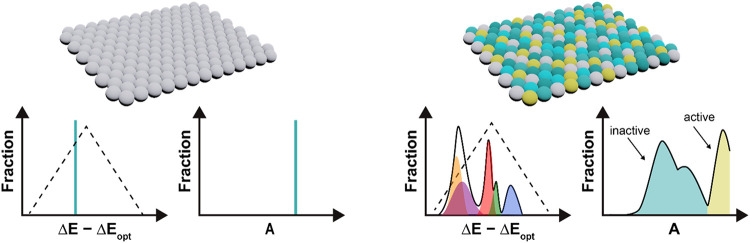 Figure 1
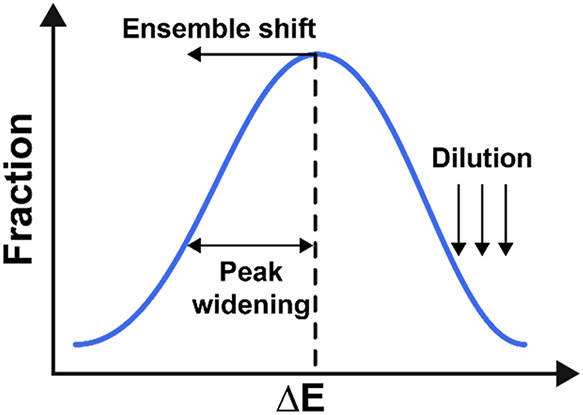 Figure 2
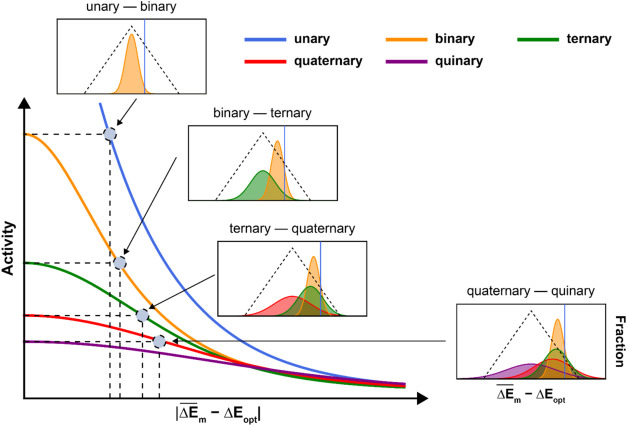 Figure 3
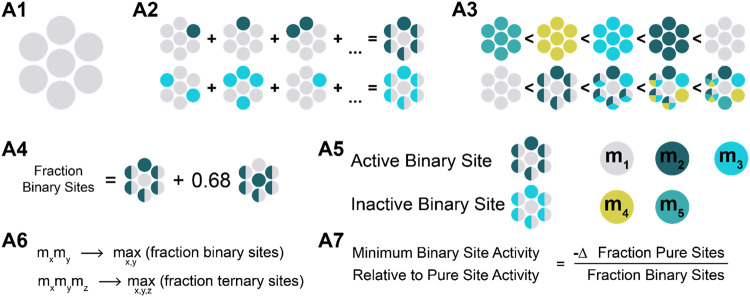 Figure 4
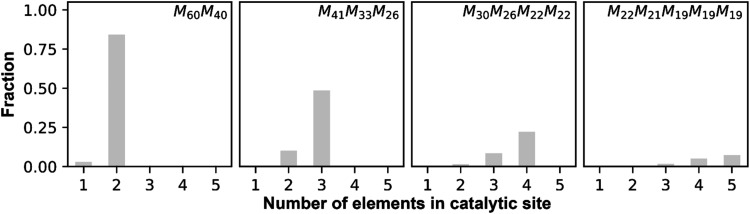 Figure 5
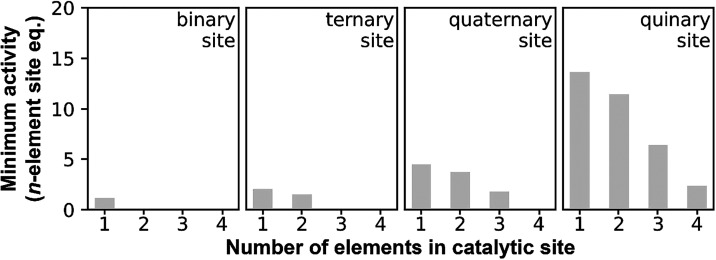 Figure 6
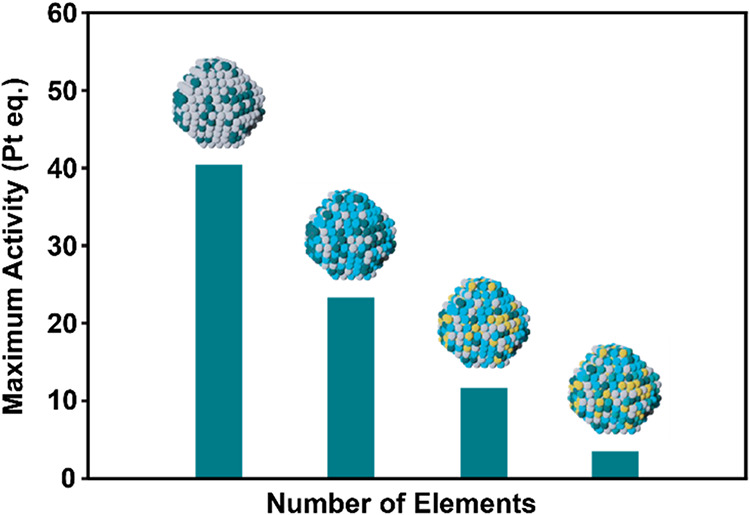 Figure 7
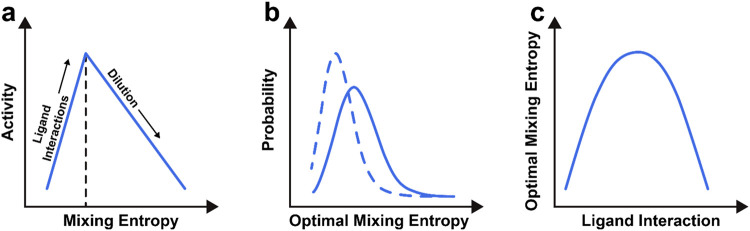 Figure 8
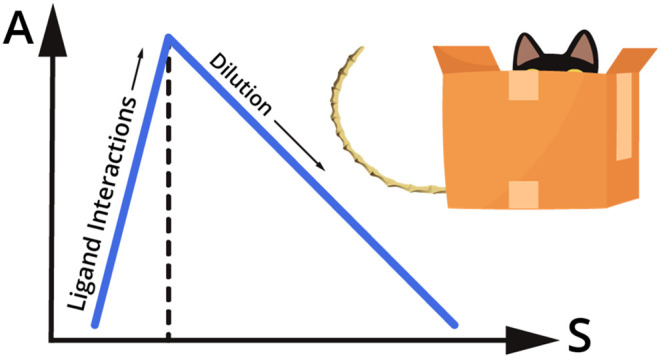 Figure 9
 Figure 10
 Figure 11
 Figure 12
 Figure 13
 Figure 14
 Figure 15
 Figure 16
 Figure 17
 Figure 18
 Figure 19
 Figure 20
Peer Reviews
No public reviews on file for this paper yet. If you reviewed it on a platform where reviews are public (OpenReview, ICLR, NeurIPS, ICML), you can paste yours below so the community can read it here.
Videos
No videos yet. Explain this paper in a talk, walkthrough, or lecture? Add one.
Taxonomy
TopicsHigh Entropy Alloys Studies · Additive Manufacturing Materials and Processes · Advanced Materials Characterization Techniques