Thiol-Free Sulfenylation Redefined: A Single-Atom Transfer Pathway to Symmetrical Di(hetero)arylthioethers via B(C6F5)3 Catalysis
Milan Pramanik, Nusaybah Alotaibi, Tribani Boruah, Niklaas J. Buurma, Rasool Babaahmadi, Thomas Wirth, Rebecca L. Melen

TL;DR
A new method uses a stable reagent and a metal-free catalyst to efficiently make symmetrical thioethers, avoiding traditional problems like odor and instability.
Contribution
Introduces a metal-free, single-atom transfer pathway using B(C6F5)3 catalysis and N,N′-thiobisphthalimide for symmetrical thioether synthesis.
Findings
N,N′-thiobisphthalimide enables high-yield synthesis of symmetrical thioethers up to 97%.
Mechanistic studies reveal a stepwise ionic pathway supported by DFT and electrochemical data.
Resulting thioethers show ambipolar redox behavior, useful for photoredox mediation.
Abstract
Diarylated thioethers are privileged scaffolds found across pharmaceuticals, functional materials, and molecular electronics. Conventional approaches to these motifs, typically via C–H functionalization or C–X cross-coupling with thiophenols, disulfides, thiosulfonates, and related sulfenylating agents, remain hampered by foul odors, instability, air- and moisture- sensitivity, tedious synthesis, and poor selectivity, often producing undesired byproducts. In contrast, the few strategies that employ elemental sulfur for symmetrical thioether synthesis are largely confined to copper catalysis and lack generality. Therefore, a straightforward and sustainable route to symmetrical thioethers from readily accessible, bench-stable sulfenylating agents with broad substrate compatibility is highly desirable. Herein, we demonstrate N,N′-thiobisphthalimide as a bench-stable sulfenylating reagent…
Genes, proteins, chemicals, diseases, species, mutations and cell lines named across the full text — each resolved to its canonical identifier and authoritative record.
Click any figure to enlarge with its caption.
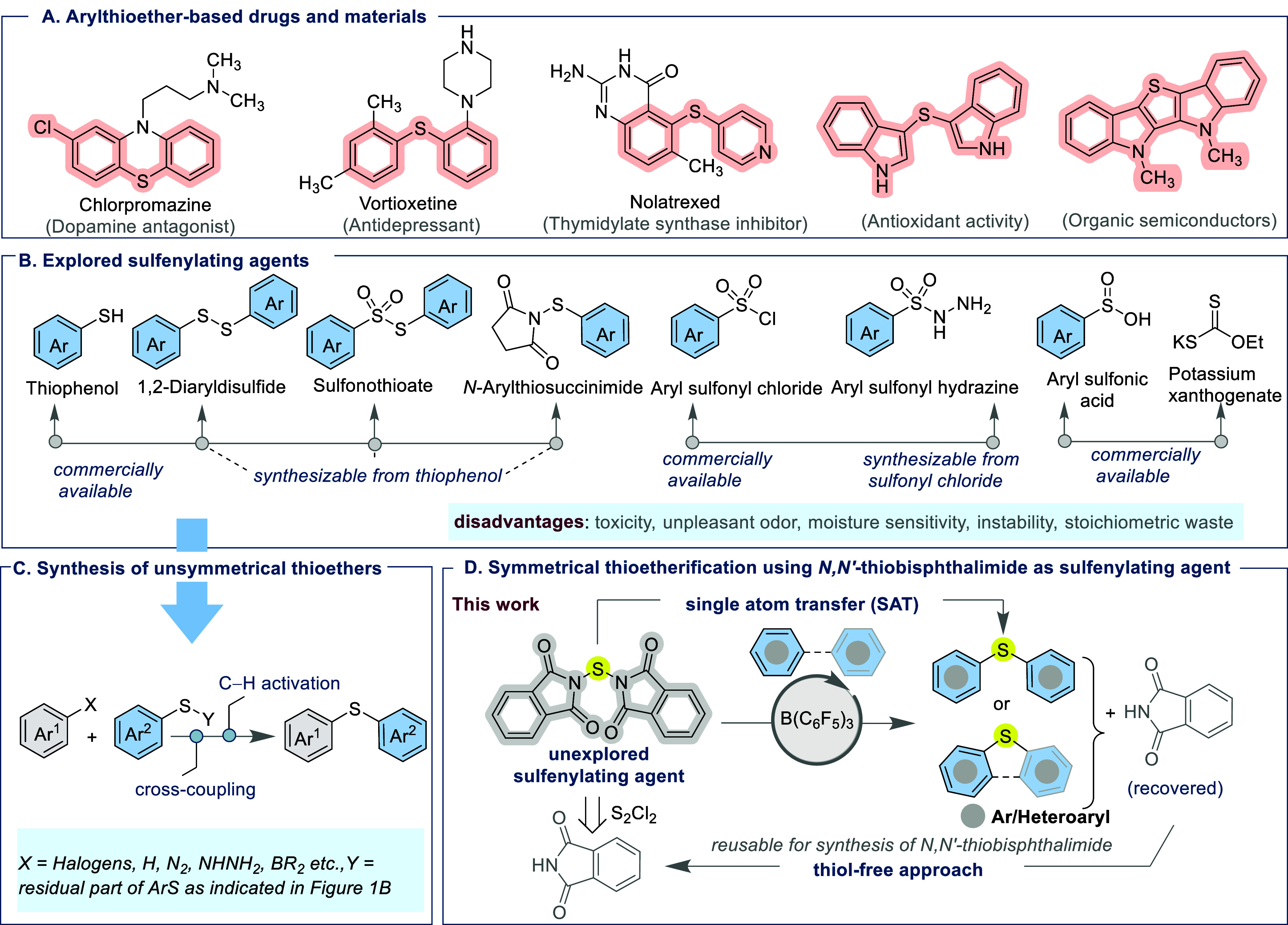 Figure 1
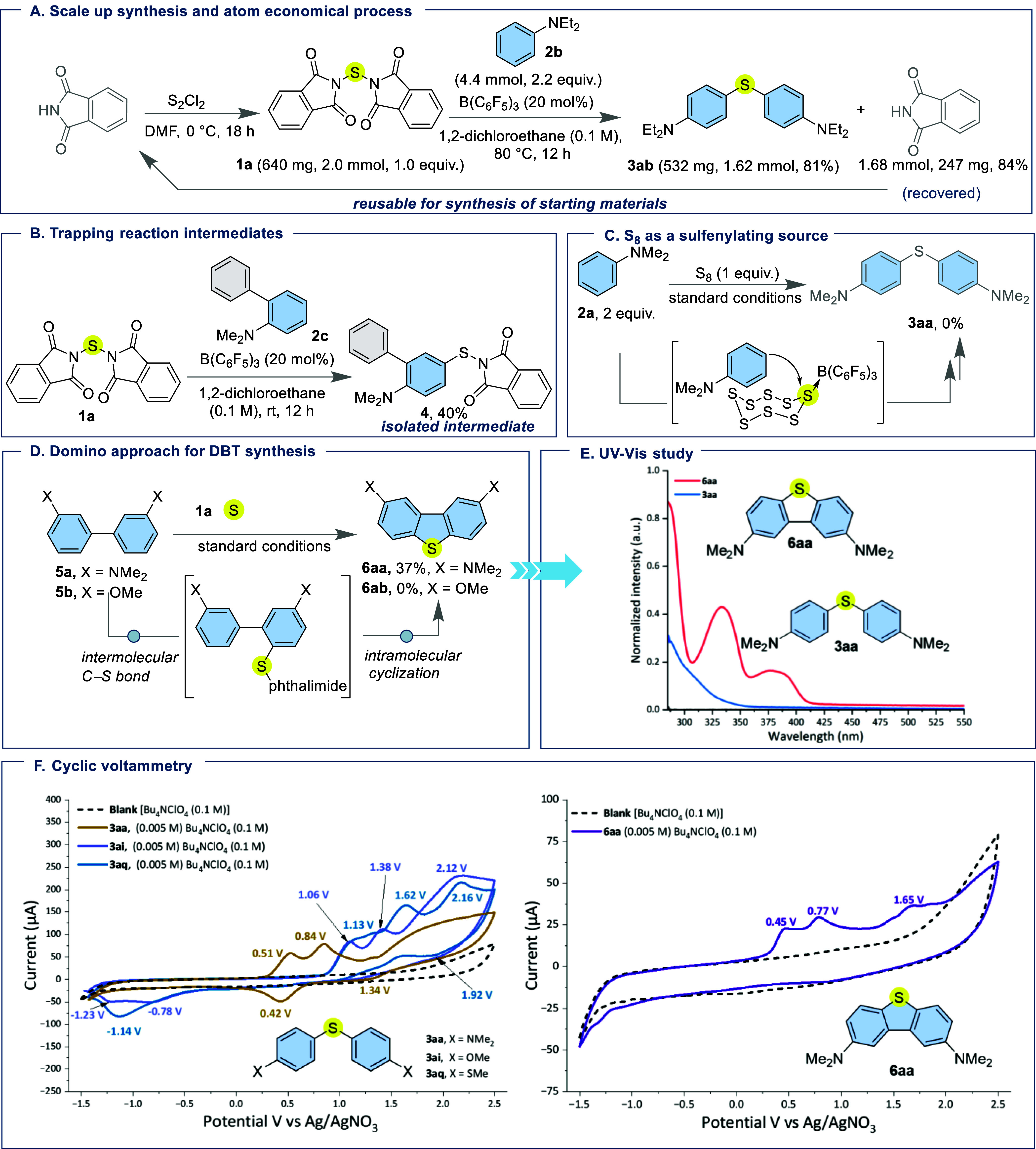 Figure 2
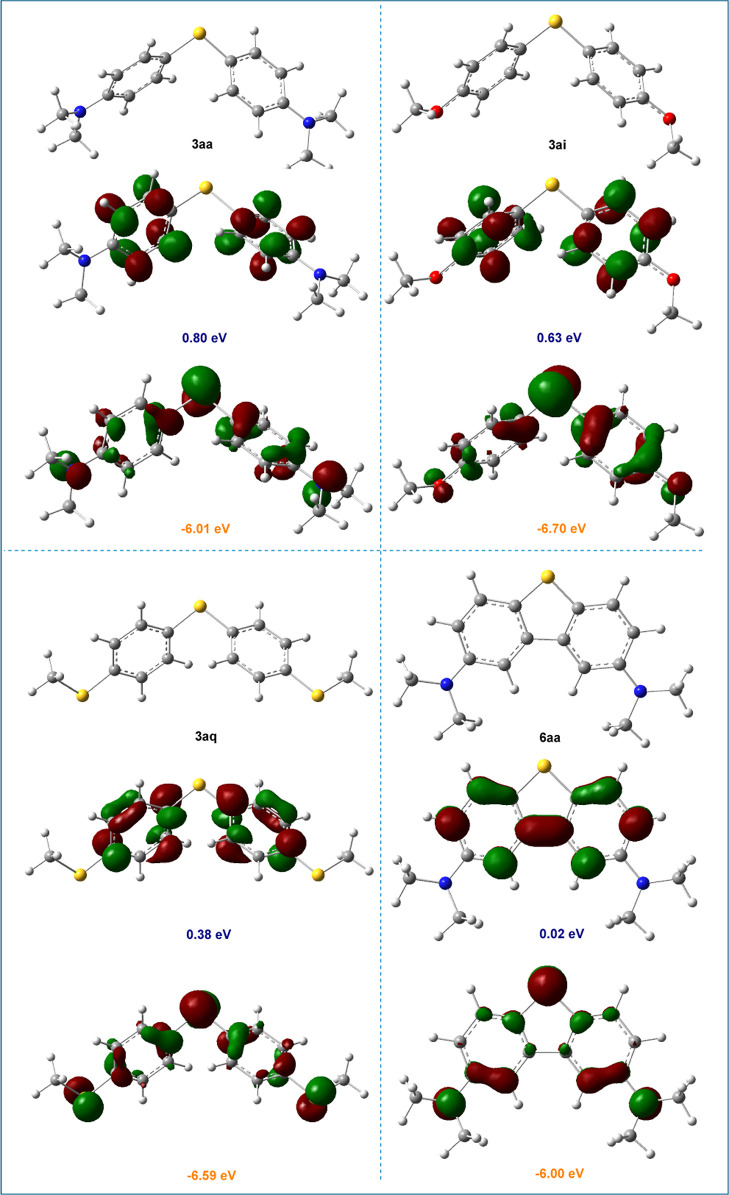 Figure 3
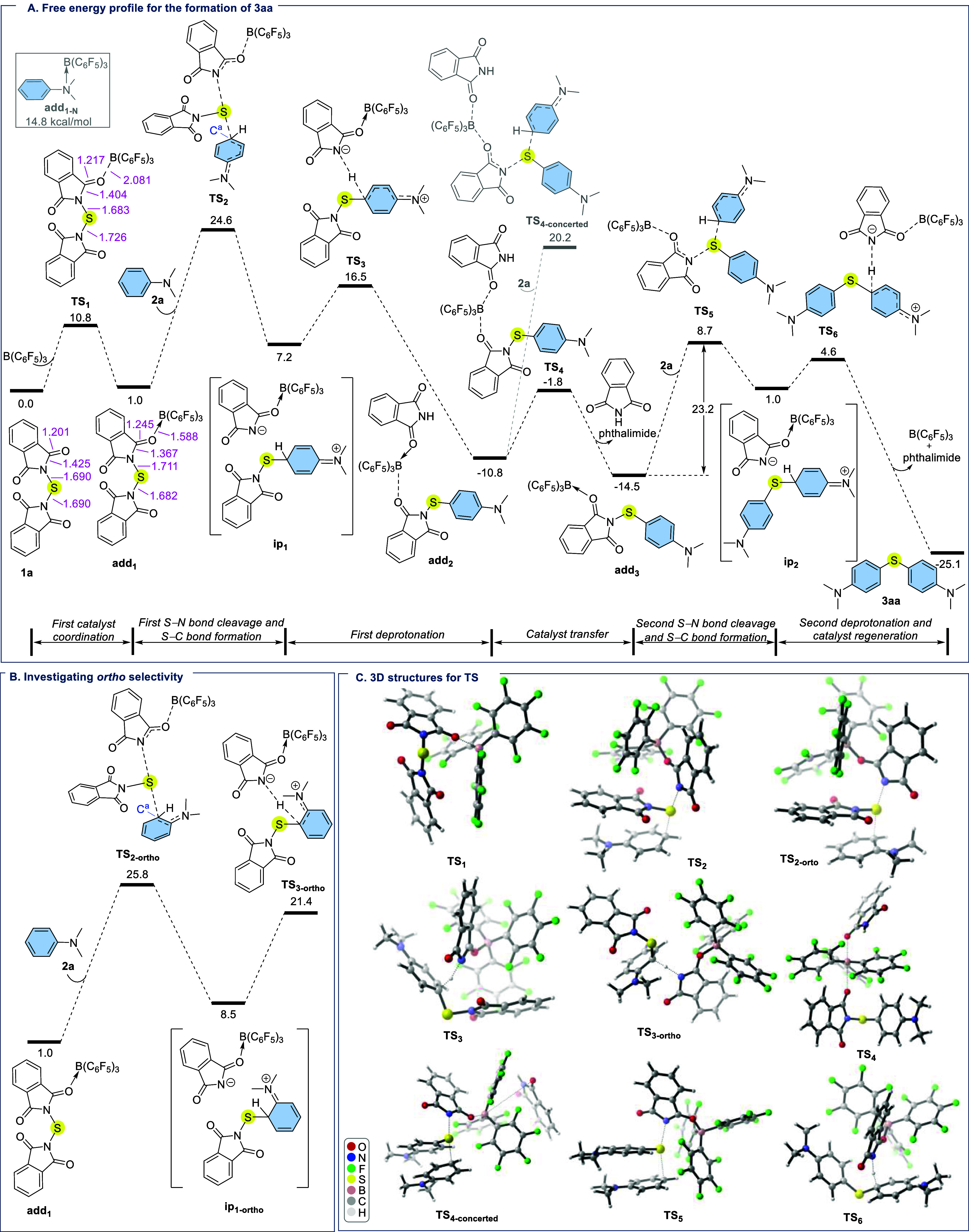 Figure 4
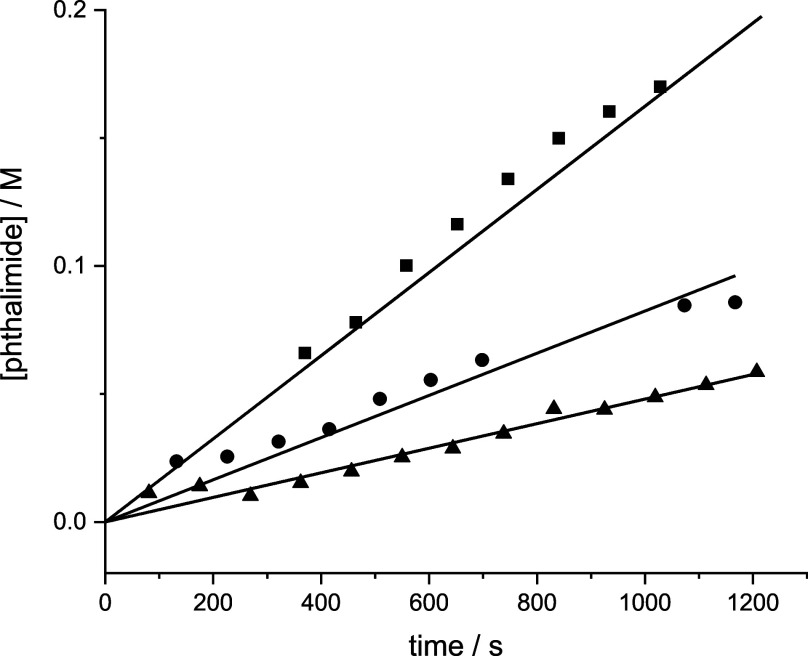 Figure 5
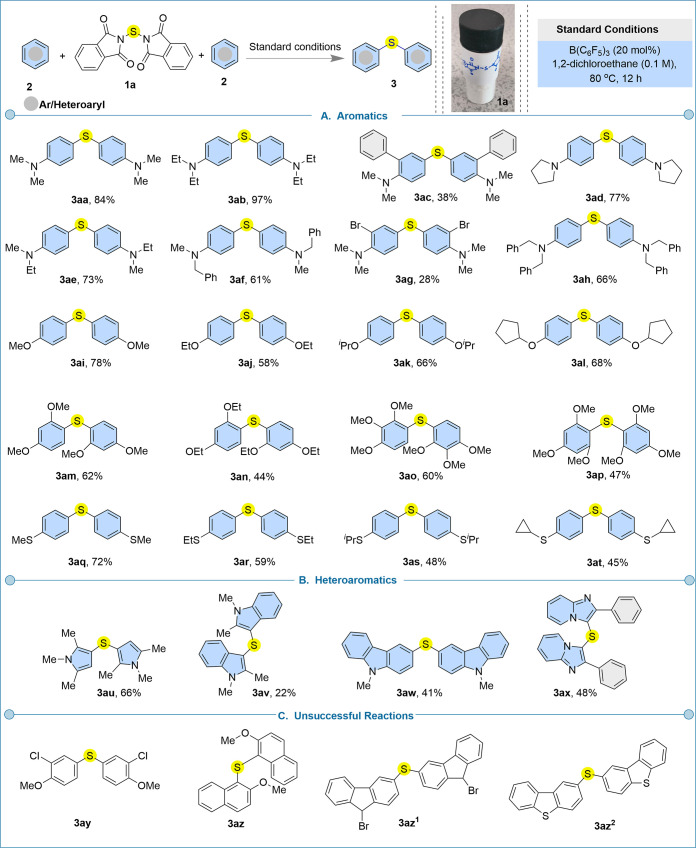 Figure 6
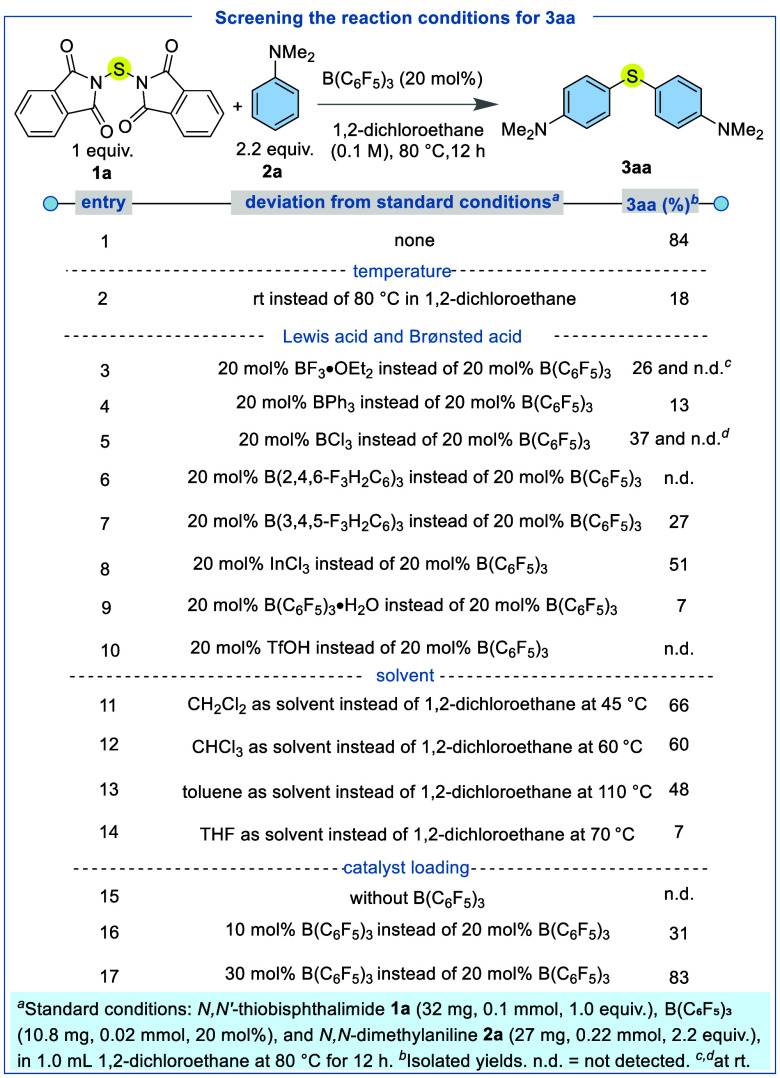 Figure 7
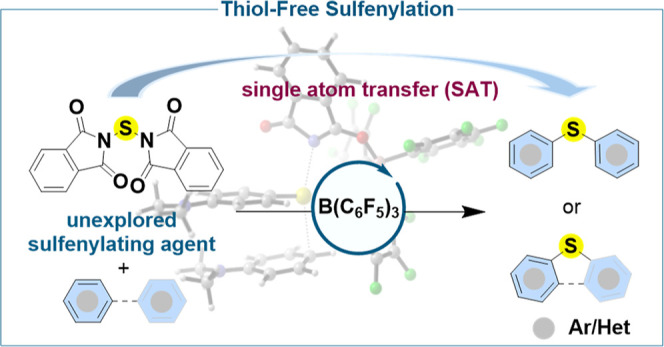 Figure 8
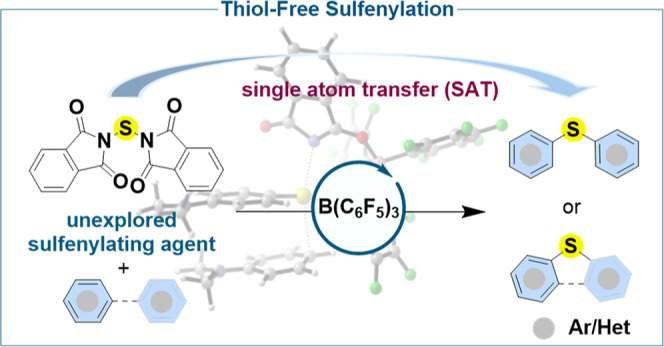 Figure 9
Peer Reviews
No public reviews on file for this paper yet. If you reviewed it on a platform where reviews are public (OpenReview, ICLR, NeurIPS, ICML), you can paste yours below so the community can read it here.
Videos
No videos yet. Explain this paper in a talk, walkthrough, or lecture? Add one.
Taxonomy
TopicsSulfur-Based Synthesis Techniques · Radical Photochemical Reactions · Catalytic C–H Functionalization Methods