Chemical Proteomics Reveals Regulation of Bile Salt Hydrolases via Oxidative Post-translational Modifications
Amy K. Bracken, Kien P. Malarney, Pamela V. Chang

TL;DR
This study shows that bile salt hydrolase (BSH) activity in gut bacteria is regulated by reversible oxidative modifications, which could impact bile acid metabolism and gut health.
Contribution
The discovery of reversible oxidative post-translational modification of BSH catalytic cysteine and the development of a chemoproteomic platform to profile these modifications in the gut microbiome.
Findings
The catalytic cysteine in BSH exists in multiple oxidation states, including sulfenic acid, which inactivates the enzyme.
A chemoproteomic platform using a sulfenic acid-reactive probe was developed to profile BSH modifications in the gut microbiome.
Some gut BSHs are reversibly inactivated via cysteine oxidation, suggesting a regulatory mechanism for BSH activity.
Abstract
The gut microbiome is the vast, diverse ecosystem of microorganisms that inhabits the human intestines and provides numerous essential functions for the host. One such key role is the metabolism of primary bile acids that are biosynthesized in the host liver into a plethora of secondary bile acids produced by gut bacteria. These metabolites serve as both antimicrobial and chemical signaling agents within the host. The critical microbial enzyme that plays a gatekeeping role in secondary bile acid metabolism is bile salt hydrolase (BSH), a cysteine hydrolase that is primarily known for its deconjugating and reconjugating activities on bile acid substrates. Despite the crucial nature of these biotransformations, regulation of BSH activity is not well understood. Here, we found that the catalytic cysteine 2 (Cys2) within the BSH active site exists in multiple sulfur oxidation states…
Genes, proteins, chemicals, diseases, species, mutations and cell lines named across the full text — each resolved to its canonical identifier and authoritative record.
Click any figure to enlarge with its caption.
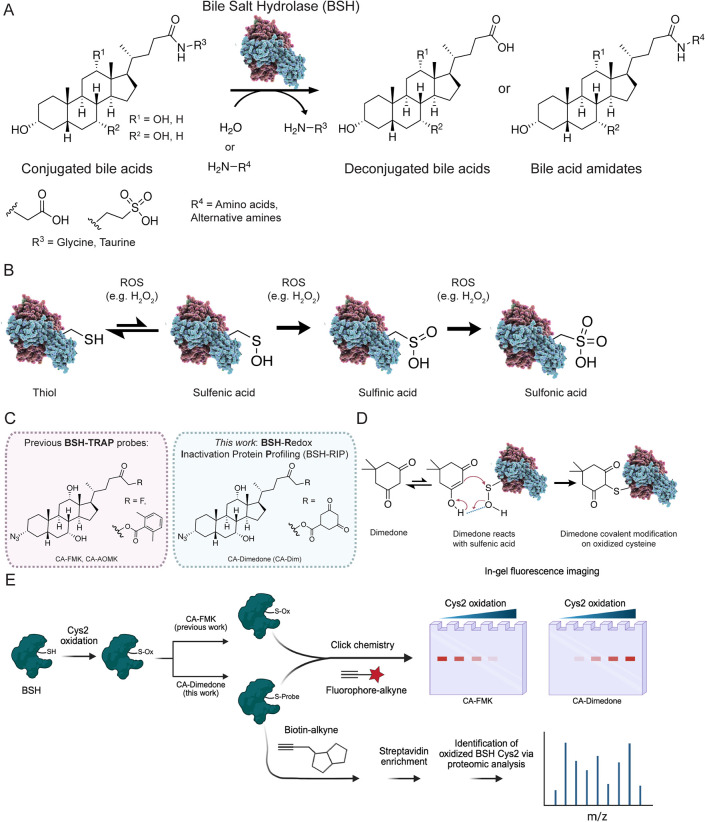 Figure 1
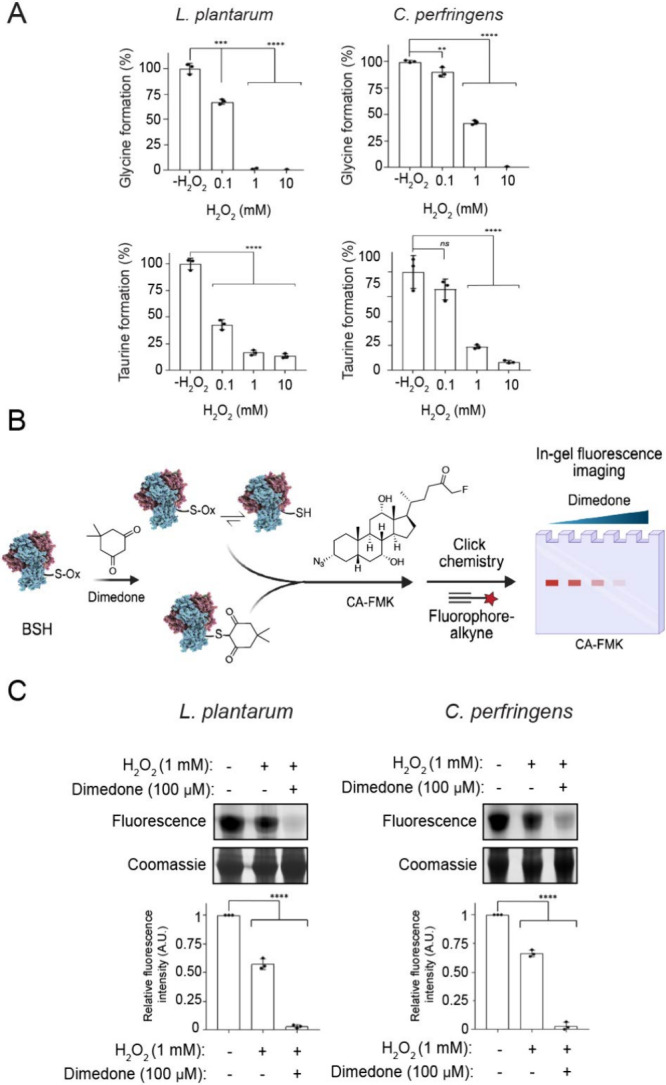 Figure 2
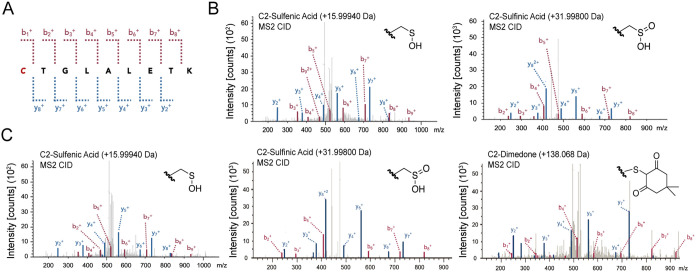 Figure 3
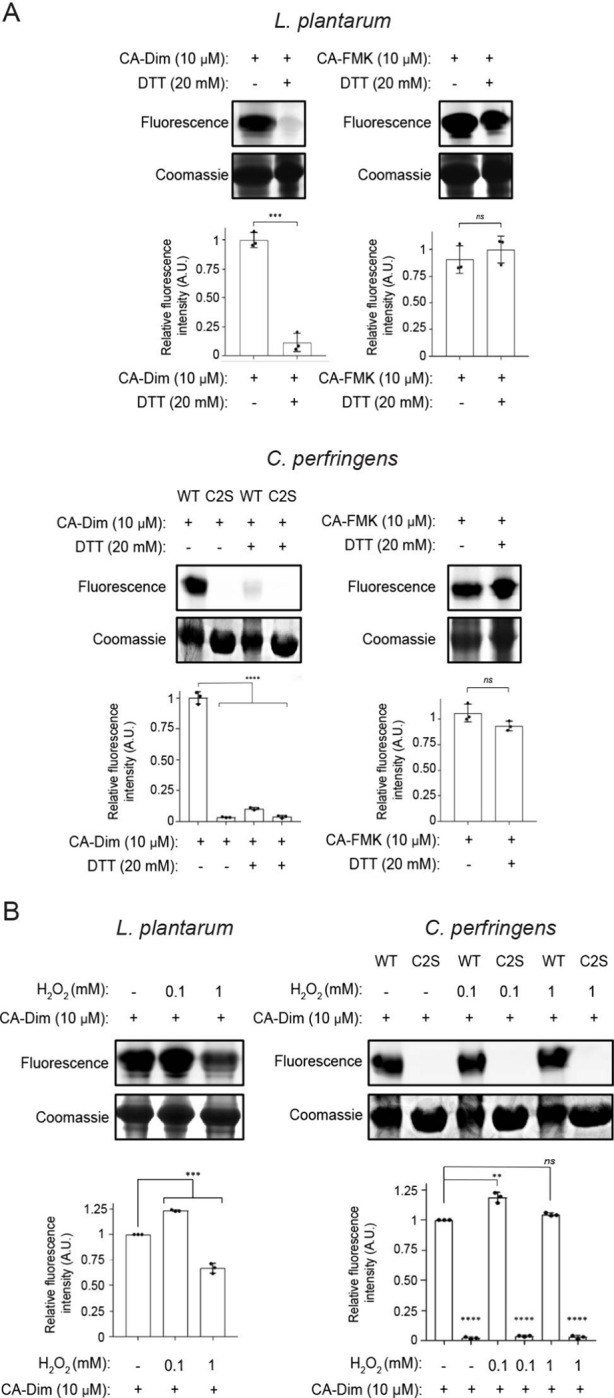 Figure 4
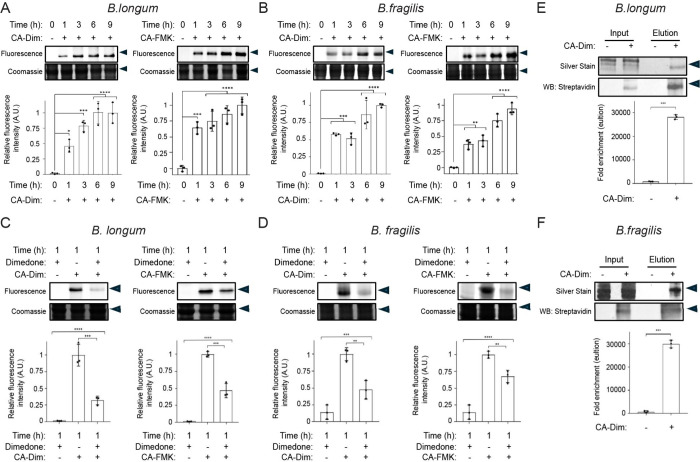 Figure 5
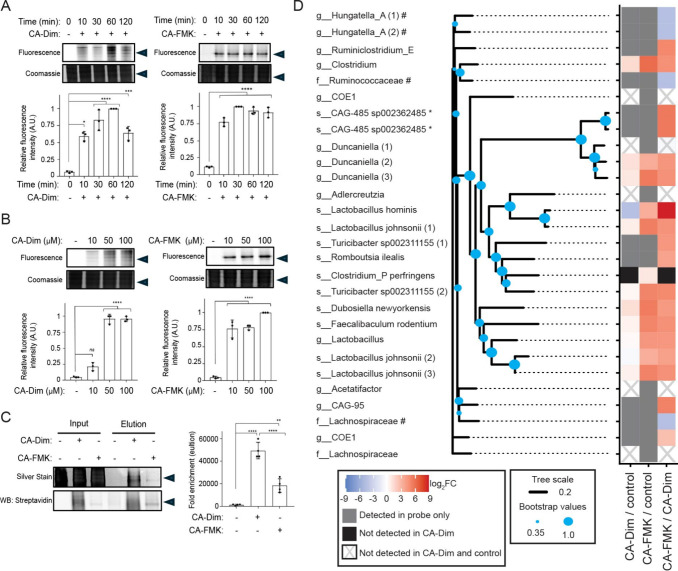 Figure 6
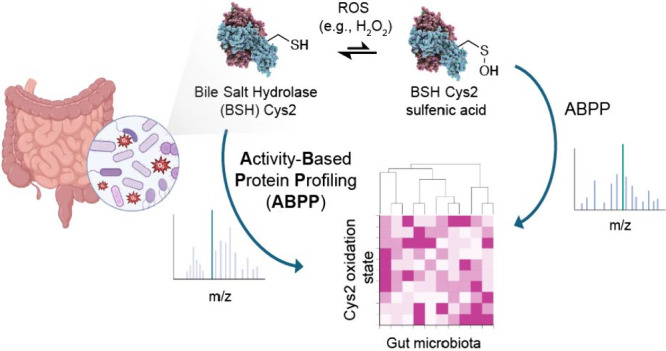 Figure 7
 Figure 8
Peer Reviews
No public reviews on file for this paper yet. If you reviewed it on a platform where reviews are public (OpenReview, ICLR, NeurIPS, ICML), you can paste yours below so the community can read it here.
Videos
No videos yet. Explain this paper in a talk, walkthrough, or lecture? Add one.
Taxonomy
TopicsDrug Transport and Resistance Mechanisms · Sulfur Compounds in Biology · Nitrogen and Sulfur Effects on Brassica