Case Report: Nephrocalcinosis from pancreatic hypoplasia in HNF1B disease: a multigenerational expression with genetic confirmation in the youngest generation
Naga Sumanth Reddy Gopireddy, Sahil Grover, Imran Khawaja, Mohamed Fawzi Mudarres, Prerna Rastogi, Maria Story, Christie P. Thomas

TL;DR
This case report describes a family with a genetic disorder caused by a mutation in the HNF1B gene, showing varied symptoms across generations and highlighting the need for genetic testing.
Contribution
The report confirms the hereditary nature of HNF1B disease in a multigenerational family through genetic testing in the youngest member.
Findings
HNF1B disease presents with variable symptoms including kidney and pancreatic issues across multiple generations.
Genetic testing confirmed the HNF1B mutation in the youngest family member, aiding diagnosis and family screening.
The case illustrates the multisystem impact of HNF1B-associated disease beyond classical features.
Abstract
HNF1B-associated disease is a genetic disorder caused by heterozygous pathogenic variants in the HNF1B gene, leading to a variety of clinical phenotypes primarily affecting the kidneys, pancreas, liver, and genitourinary tract. First identified in 1997 as the cause of MODY5 (maturity-onset diabetes of the young, type 5), the disease spectrum has since expanded to include kidney disease, pancreatic hypoplasia, genital malformations, gout, hypomagnesemia, liver abnormalities, and primary hyperparathyroidism. Variable expressivity and limited penetrance complicate diagnosis, with some individuals presenting without the classical features of partial pancreatic hypoplasia, renal developmental abnormalities or MODY. Genetic testing remains crucial for accurate diagnosis, especially in families with varied phenotypic expressions. The index case, a 53-year-old woman, presented with…
Genes, proteins, chemicals, diseases, species, mutations and cell lines named across the full text — each resolved to its canonical identifier and authoritative record.
Click any figure to enlarge with its caption.
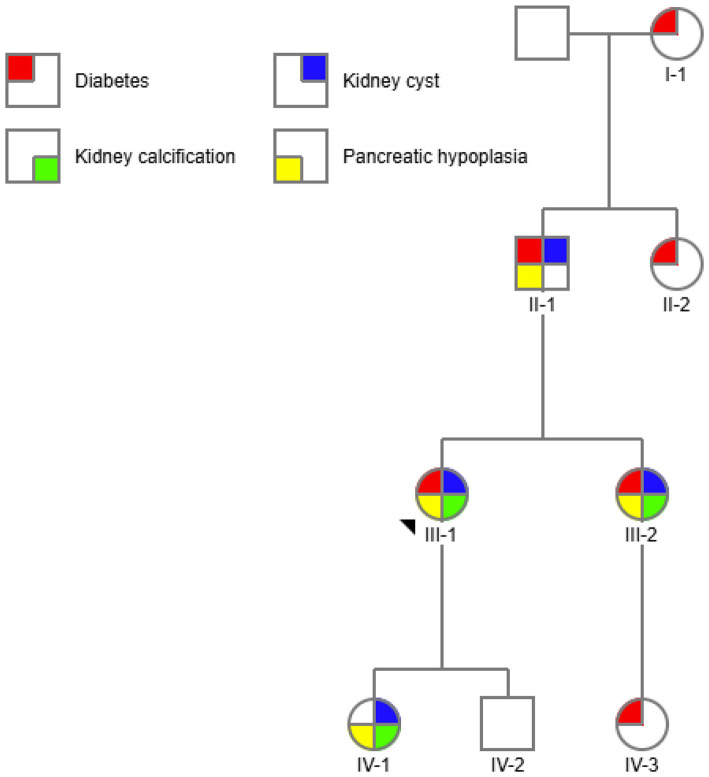 Figure 1
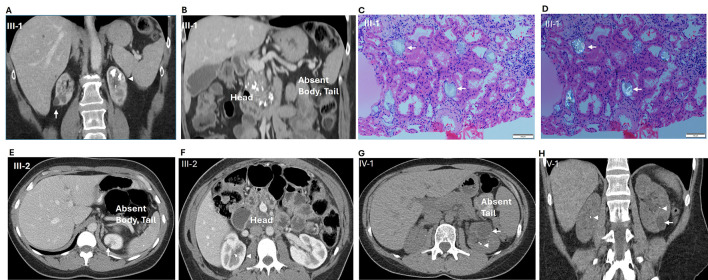 Figure 2
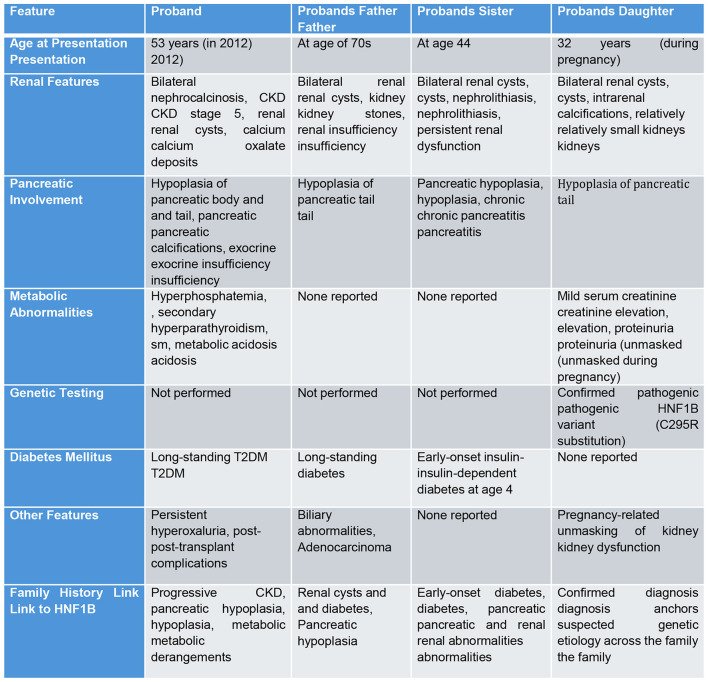 Figure 3
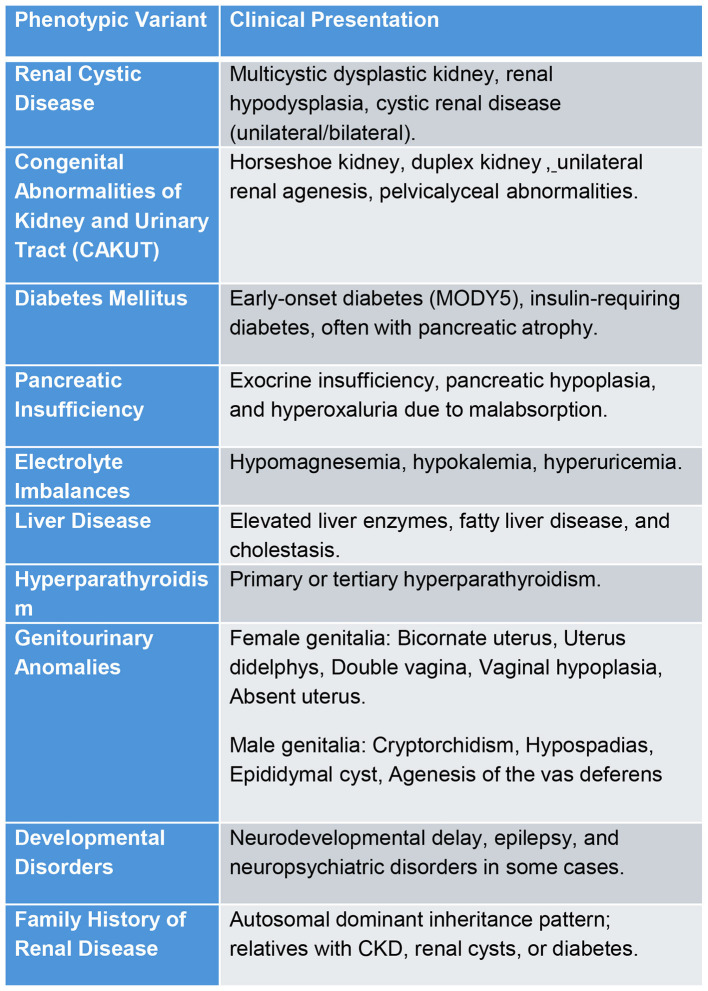 Figure 4
Peer Reviews
No public reviews on file for this paper yet. If you reviewed it on a platform where reviews are public (OpenReview, ICLR, NeurIPS, ICML), you can paste yours below so the community can read it here.
Videos
No videos yet. Explain this paper in a talk, walkthrough, or lecture? Add one.
Taxonomy
TopicsPancreatic function and diabetes · Aldose Reductase and Taurine · Ion Transport and Channel Regulation