Overexpression of bank vole PrP(I109) in mice induces a spontaneous atypical prion disease with sex-dependent onset, early NfL elevation, and universal prion strain permissiveness
Hasier Eraña, Enric Vidal, Natalia Fernández-Borges, Jorge M. Charco, Carlos M. Díaz‑Domínguez, Cristina Sampedro-Torres-Quevedo, Maitena San-Juan-Ansoleaga, Eva Fernández-Muñoz, Josu Galarza-Ahumada, Miguel Ángel Pérez-Castro, Nuno Gonçalves-Anjo, Patricia Piñeiro

TL;DR
A transgenic mouse model with a specific prion protein variant spontaneously develops a prion disease similar to human and animal conditions, offering insights into disease progression and early detection.
Contribution
A novel transgenic mouse model with sex-dependent disease onset and early biomarker detection for atypical prion diseases.
Findings
Female mice develop prion disease symptoms 30 days earlier than males.
Spontaneously generated prions are infectious only to mice with the same I109 polymorphism.
Neurofilament light chain levels rise 100 days before clinical signs appear.
Abstract
Transgenic mice overexpressing bank vole prion protein with the isoleucine 109 polymorphism, TgVole(I109)4x, develop spontaneous neurodegenerative disease with sex-dependent onset, averaging 170 days in females and 200 days in males at terminal stage. The clinical and pathological features closely resemble Gerstmann-Sträussler-Scheinker syndrome (GSS), with characteristic ataxia, dysmetria, kyphosis, and prominent PrP plaques. Biochemical analysis reveals an atypical prion protein banding pattern with a distinctive low molecular weight band (7–10 kDa) following proteinase K digestion, similar to other atypical prion diseases such as small ruminants atypical scrapie (AS). Importantly, these spontaneously generated prions are highly infectious when passaged to mice expressing the same I109 polymorphism as well as to wild bank voles carrying the I109 polymorphism, but not to models…
Genes, proteins, chemicals, diseases, species, mutations and cell lines named across the full text — each resolved to its canonical identifier and authoritative record.
Click any figure to enlarge with its caption.
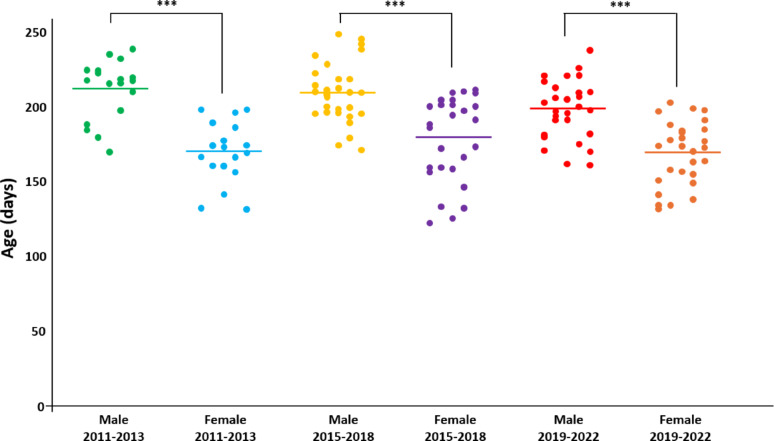 Figure 1
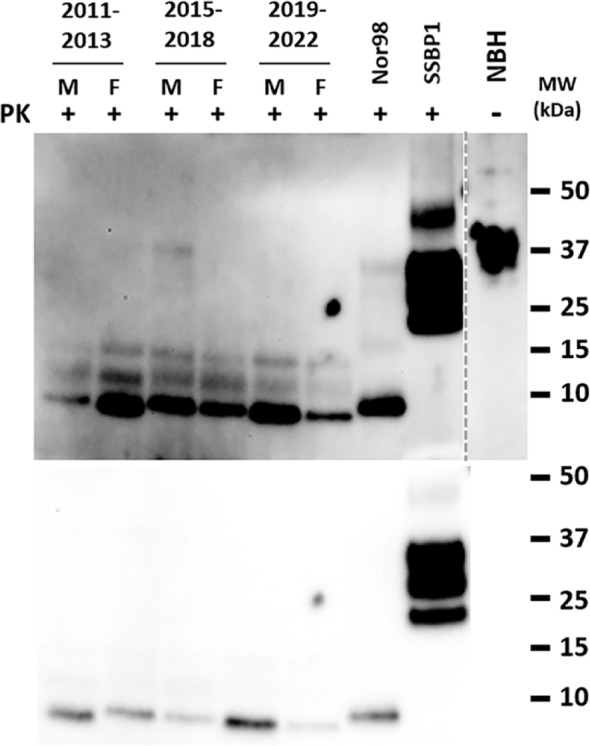 Figure 2
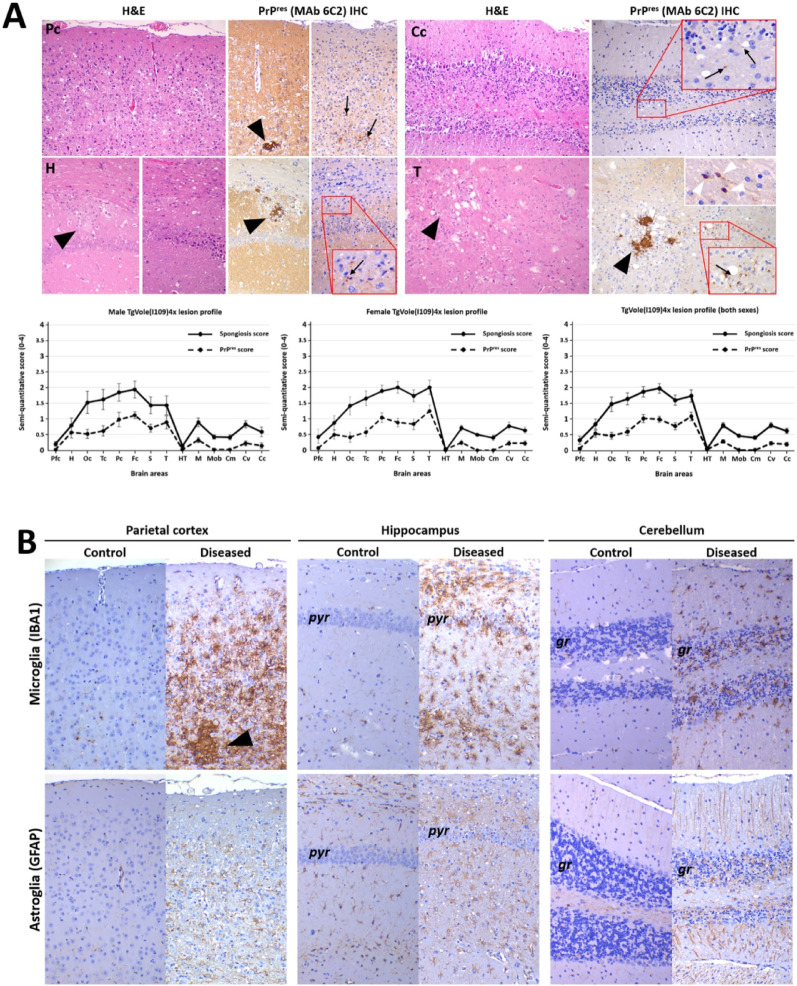 Figure 3
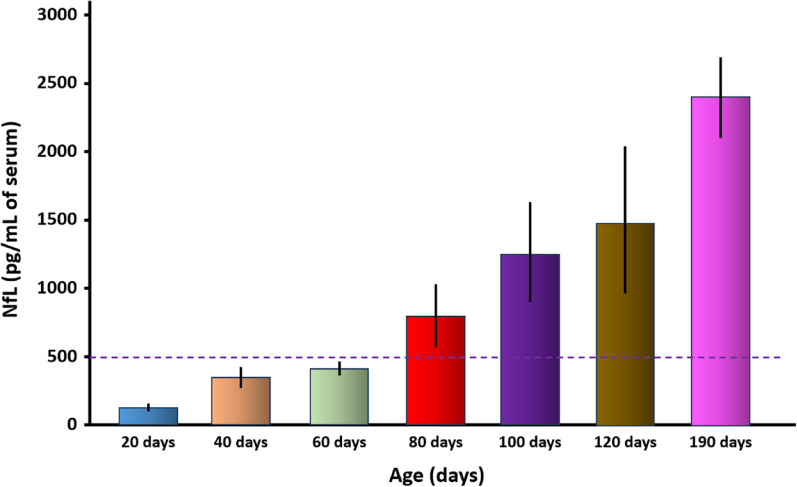 Figure 4
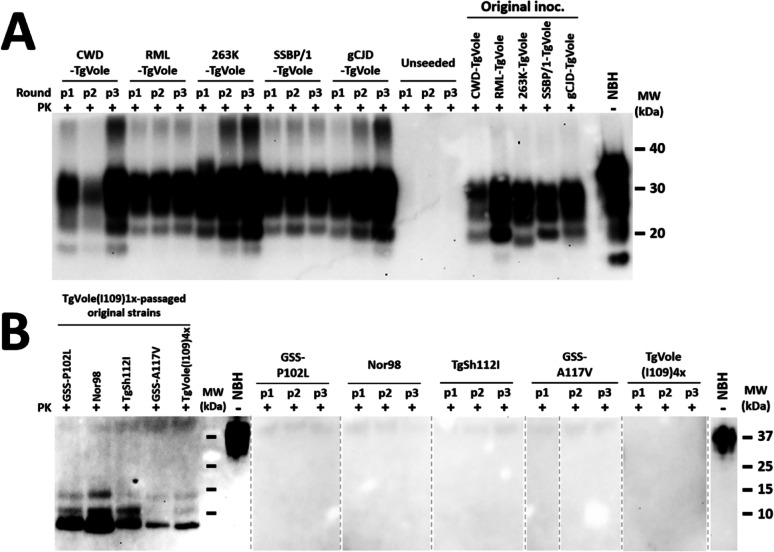 Figure 5
Peer Reviews
No public reviews on file for this paper yet. If you reviewed it on a platform where reviews are public (OpenReview, ICLR, NeurIPS, ICML), you can paste yours below so the community can read it here.
Videos
No videos yet. Explain this paper in a talk, walkthrough, or lecture? Add one.
Taxonomy
TopicsPrion Diseases and Protein Misfolding · Neurological diseases and metabolism · Animal Genetics and Reproduction