Lysolecithin reprogramming via LPCAT1 modulation restores endothelial function and prevents diabetes-associated dysmetabolism
Eduardo Maria Sommella, Concetta Iside, Paola Di Pietro, Fabrizio Merciai, Emanuela Salviati, Marina Sala, Angela Carmelita Abate, Antonio Damato, Massimiliano De Lucia, Eleonora Venturini, Valeria Prete, Francesca Picone, Paolo Poggio, Pasquale Mone, Michele Ciccarelli

TL;DR
This study shows that a peptide from Spirulina can prevent diabetes-related metabolic issues by restoring lipid balance and endothelial function.
Contribution
A novel orally administered peptide (SP6) is proposed to target lysolecithin reprogramming and LPCAT1 modulation in T2DM.
Findings
SP6 preserves LPCAT1 levels and modulates lysolecithin remodeling in multiple organs of diabetic mice.
SP6 improves insulin secretion and glycemic control by enhancing ATP production.
High glucose disrupts LPC/PC balance and endothelial function via LPCAT1 downregulation.
Abstract
Dysregulation of lysophosphatidylcholines (LPCs) and phosphatidylcholines (PCs) is linked to endothelial dysfunction and impaired tissue repair. Nevertheless, the organ-specific modulation of lysolecithin remodeling in T2DM remains unexplored. Here, we investigate the LPC/PC remodeling dynamics in a T2DM model and propose a novel therapeutic approach using an orally bioavailable peptide (SP6) derived from Spirulina platensis. LPC/PC levels were analyzed by UHPLC-HRMS. Membrane fluidity, VEGF/API5, LPCAT1, VE-cadherin, and GLUT1 were evaluated by merocyanine assay, qPCR, immunoblotting, and immunofluorescence. In vivo, T2DM was induced by a high-fat diet and streptozotocin, and SP6 was orally administered. Tissue lipidomics, GLUTs expression, and insulin secretion were assessed, with the latter also spatially characterized in pancreatic tissue by MALDI-MS imaging. High glucose induced…
Genes, proteins, chemicals, diseases, species, mutations and cell lines named across the full text — each resolved to its canonical identifier and authoritative record.
Click any figure to enlarge with its caption.
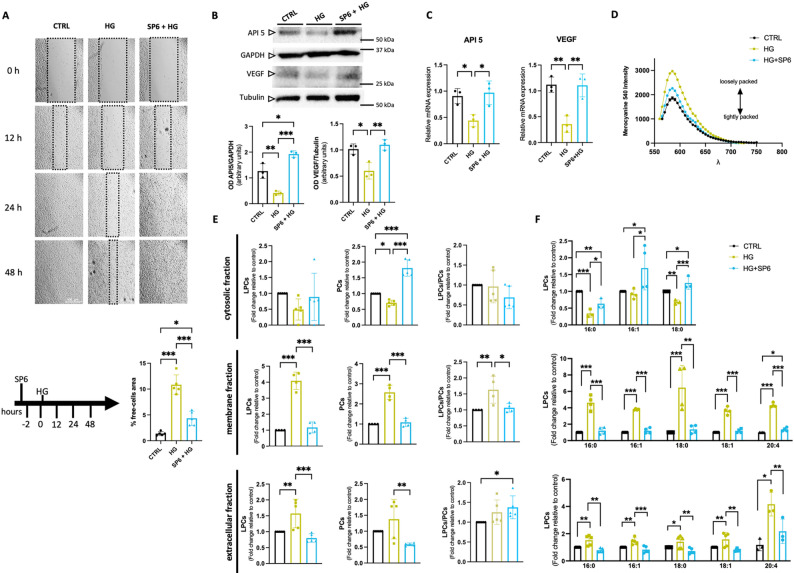 Figure 1
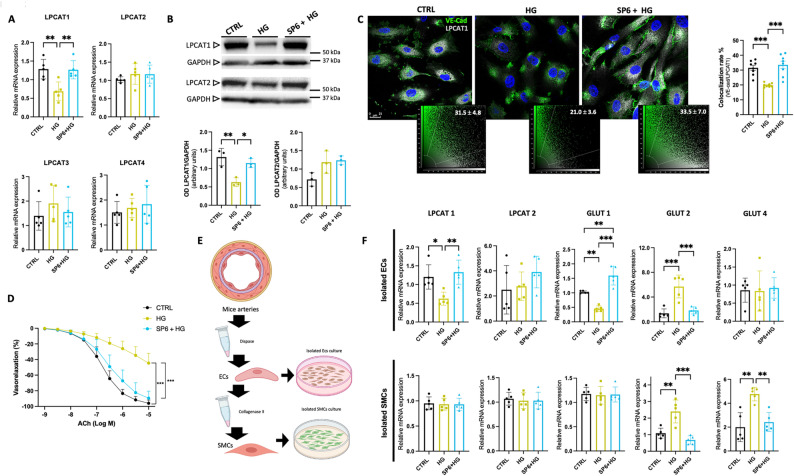 Figure 2
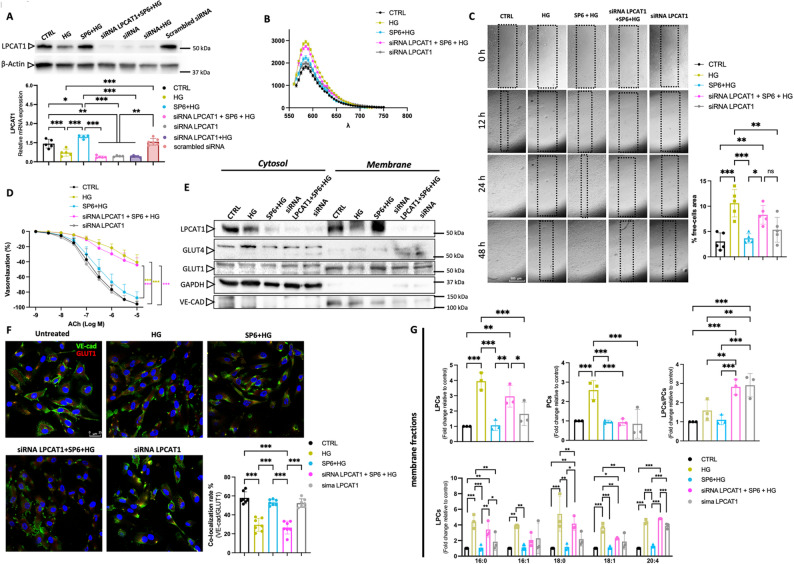 Figure 3
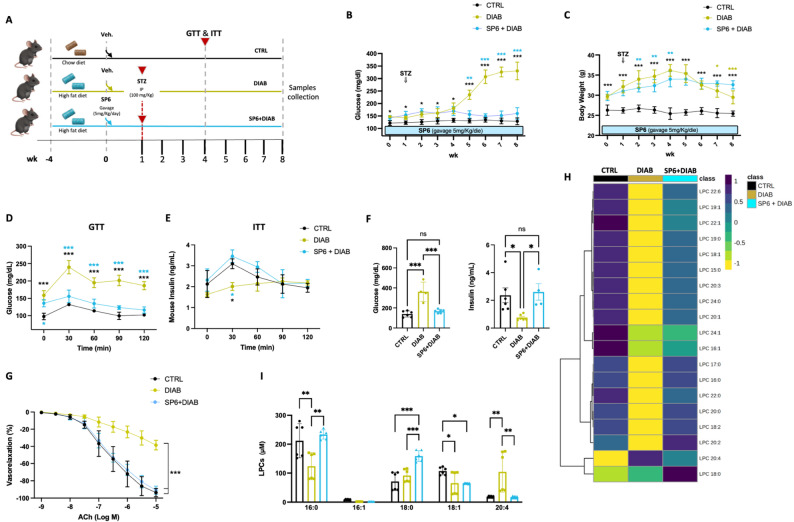 Figure 4
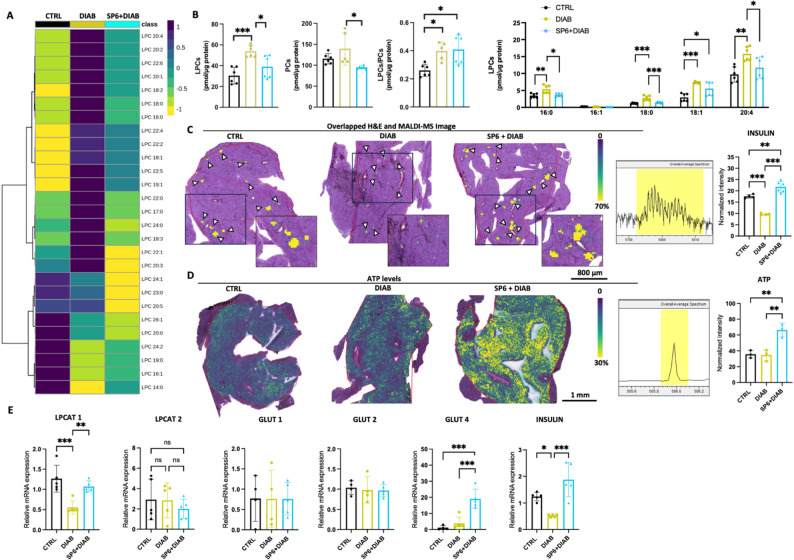 Figure 5
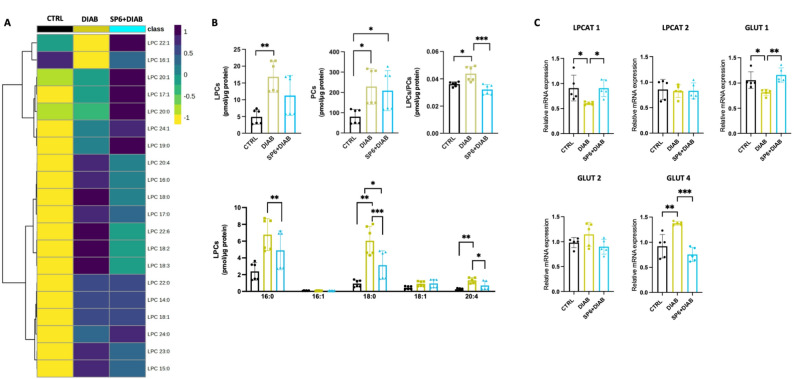 Figure 6
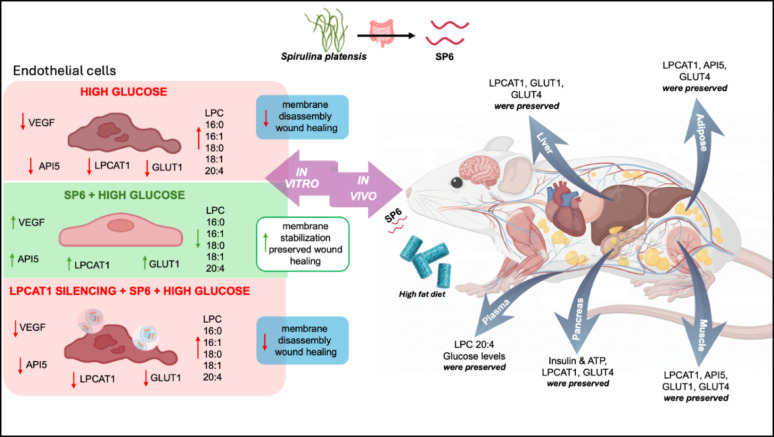 Figure 7
Peer Reviews
No public reviews on file for this paper yet. If you reviewed it on a platform where reviews are public (OpenReview, ICLR, NeurIPS, ICML), you can paste yours below so the community can read it here.
Videos
No videos yet. Explain this paper in a talk, walkthrough, or lecture? Add one.
Taxonomy
TopicsSphingolipid Metabolism and Signaling · Caveolin-1 and cellular processes · Autophagy in Disease and Therapy