Substantial variability and inconsistent quality of publicly available rehabilitation protocols after quadriceps tendon anterior cruciate ligament reconstruction: A cross‐sectional analysis of academic orthopaedic surgery programmes
David Slawaska‐Eng, Caitlin Svendsen, Emily Zhang, Kanika Tibriwal, Dan Cohen, Lauren Gyemi, Sachin Tapasvi, Matthieu Ollivier, Darren de Sa

TL;DR
Rehab protocols for quadriceps tendon ACL surgery vary widely and often lack specific guidance, leading to inconsistent care.
Contribution
The study reveals substantial variability and lack of QT-specific rehabilitation guidelines in academic orthopaedic programs.
Findings
Most protocols use a hinged brace locked in extension for 2–4 weeks.
Exercise prescriptions, adjunctive therapies, and return-to-sport criteria show significant variability.
Many protocols are not tailored to QT-specific considerations and resemble those for other graft types.
Abstract
Quadriceps tendon (QT) autograft is increasingly used for anterior cruciate ligament reconstruction (ACLR), yet rehabilitation guidelines remain extrapolated from patellar tendon (PT) or hamstring tendon (HT) protocols. This cross‑sectional study evaluated publicly available postoperative rehabilitation protocols from academic orthopaedic programmes to describe their content, assess variability and identify key trends. Accredited orthopaedic residency programmes were identified through the Electronic Residency Application Service (ERAS) and Canadian Resident Matching Service (CaRMS). A three‐step systematic web‐based search was conducted to identify publicly available QT‐ACLR rehabilitation protocols. Protocols were included if specific to QT autografts and excluded if addressing concomitant meniscal repairs. Two independent reviewers extracted data on rehabilitation components and…
Genes, proteins, chemicals, diseases, species, mutations and cell lines named across the full text — each resolved to its canonical identifier and authoritative record.
Click any figure to enlarge with its caption.
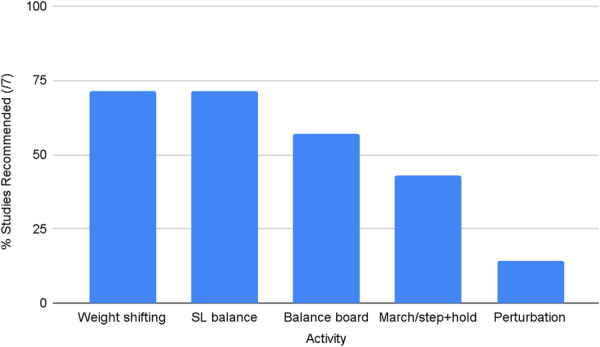 Figure 1
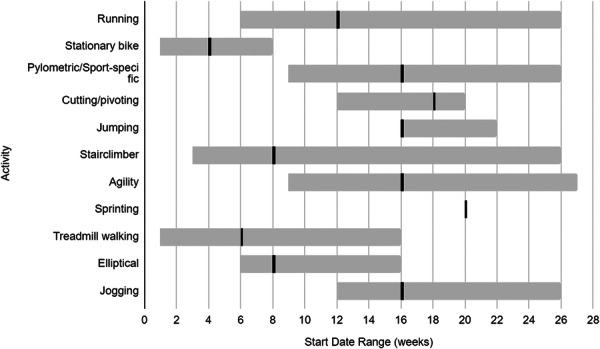 Figure 2
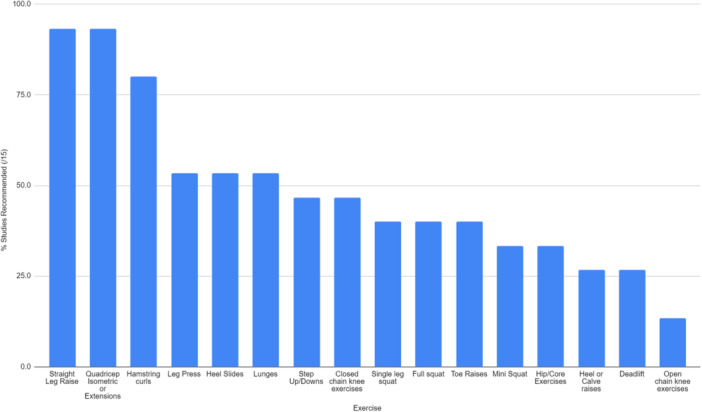 Figure 3
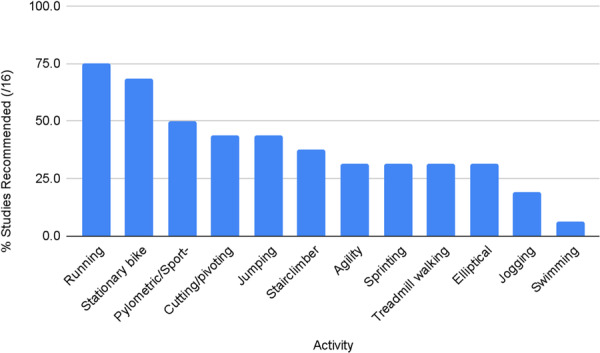 Figure 4
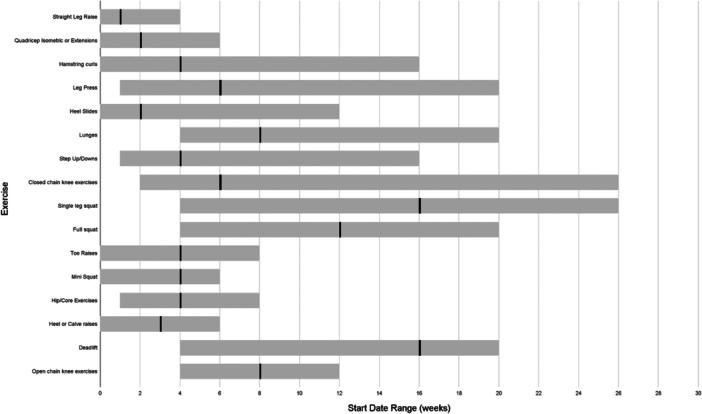 Figure 5
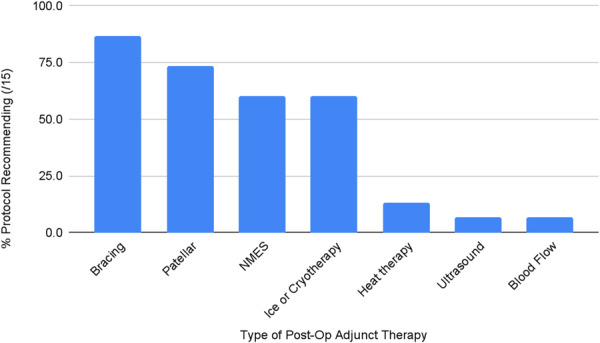 Figure 6
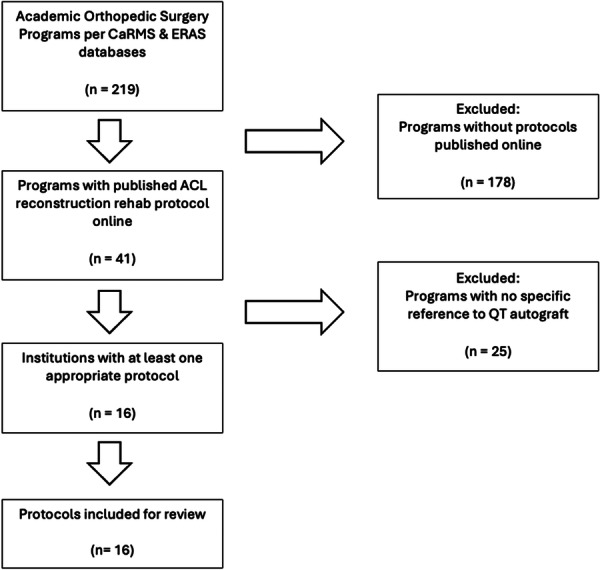 Figure 7
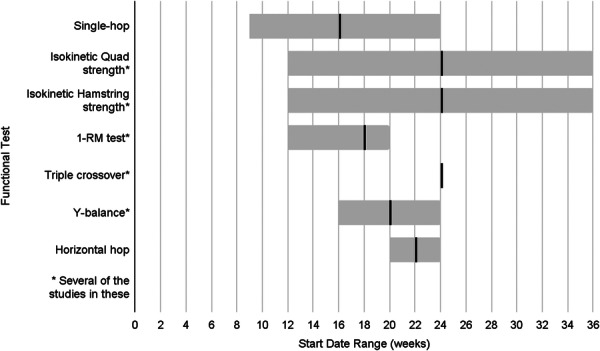 Figure 8
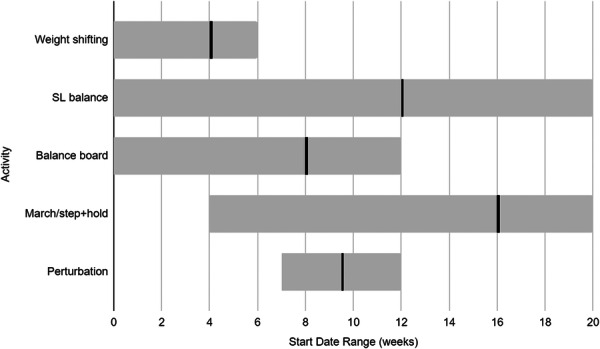 Figure 9
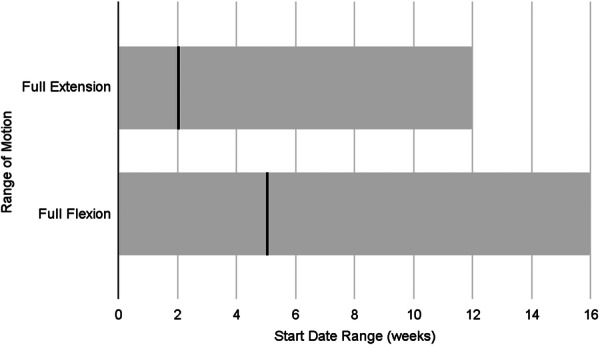 Figure 10
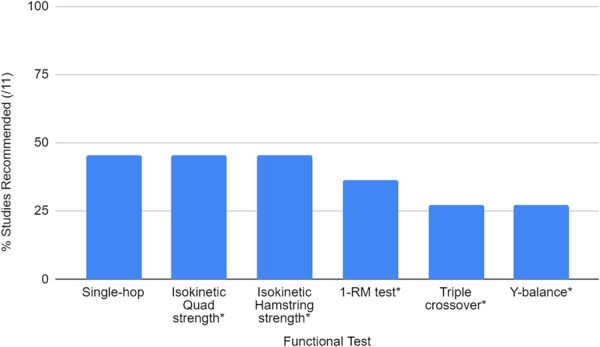 Figure 11
Peer Reviews
No public reviews on file for this paper yet. If you reviewed it on a platform where reviews are public (OpenReview, ICLR, NeurIPS, ICML), you can paste yours below so the community can read it here.
Videos
No videos yet. Explain this paper in a talk, walkthrough, or lecture? Add one.
Taxonomy
TopicsKnee injuries and reconstruction techniques · Tendon Structure and Treatment · Total Knee Arthroplasty Outcomes