Marvelous Characteristics of Hydroxyl-Functionalized Azo-Dye Polymers for Electrocatalytic Sensing: An Informative Review
Lokman Liv

TL;DR
This paper reviews how hydroxyl-functionalized azo-dye polymers improve electrochemical sensing by enhancing accuracy, selectivity, and stability.
Contribution
The paper introduces the electrocatalytic potential of hydroxyl-functionalized azo-dye polymers and explains their performance using computational models.
Findings
Hydroxyl-functionalized azo-dye polymers show improved electrocatalytic sensing performance compared to bare platforms.
These polymers exhibit exceptional stability, reproducibility, and resistance to fouling.
Computational methods like extended Hückel charge and MM2 calculations explain the observed electrocatalytic activity.
Abstract
Hydroxyl-functionalized azo-dye monomers can be electropolymerized onto a supporting electrode surface, providing an electrocatalytic sensing feature due to their unique physicochemical and electrochemical properties. These polymers combine the versatile redox activity of azo groups with the improved conductivity and stability yielded by the conjugation of aromatic functional groups and hydroxyl functionalities. These properties synergistically enable the polymer film platforms to determine target analytes with greater accuracy, selectivity, and sensitivity than bare platforms, thereby facilitating electrocatalytic detection. Moreover, these polymer films have exhibited exceptional stability, consistent reproducibility, and remarkable resistance to fouling, making them well-suited for practical applications. This study evaluated the detection performance of platforms produced by the…
Genes, proteins, chemicals, diseases, species, mutations and cell lines named across the full text — each resolved to its canonical identifier and authoritative record.
Click any figure to enlarge with its caption.
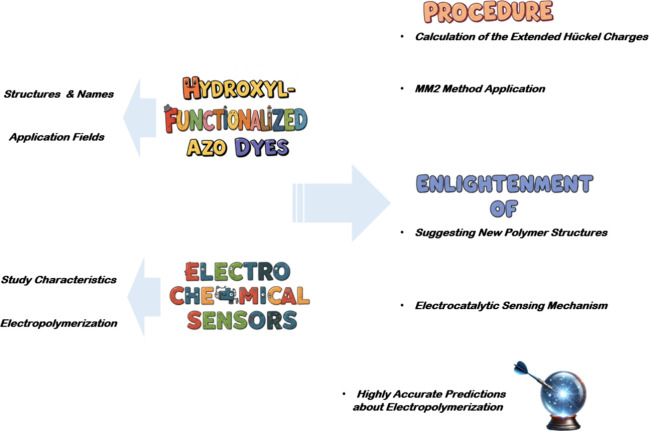 Figure 1
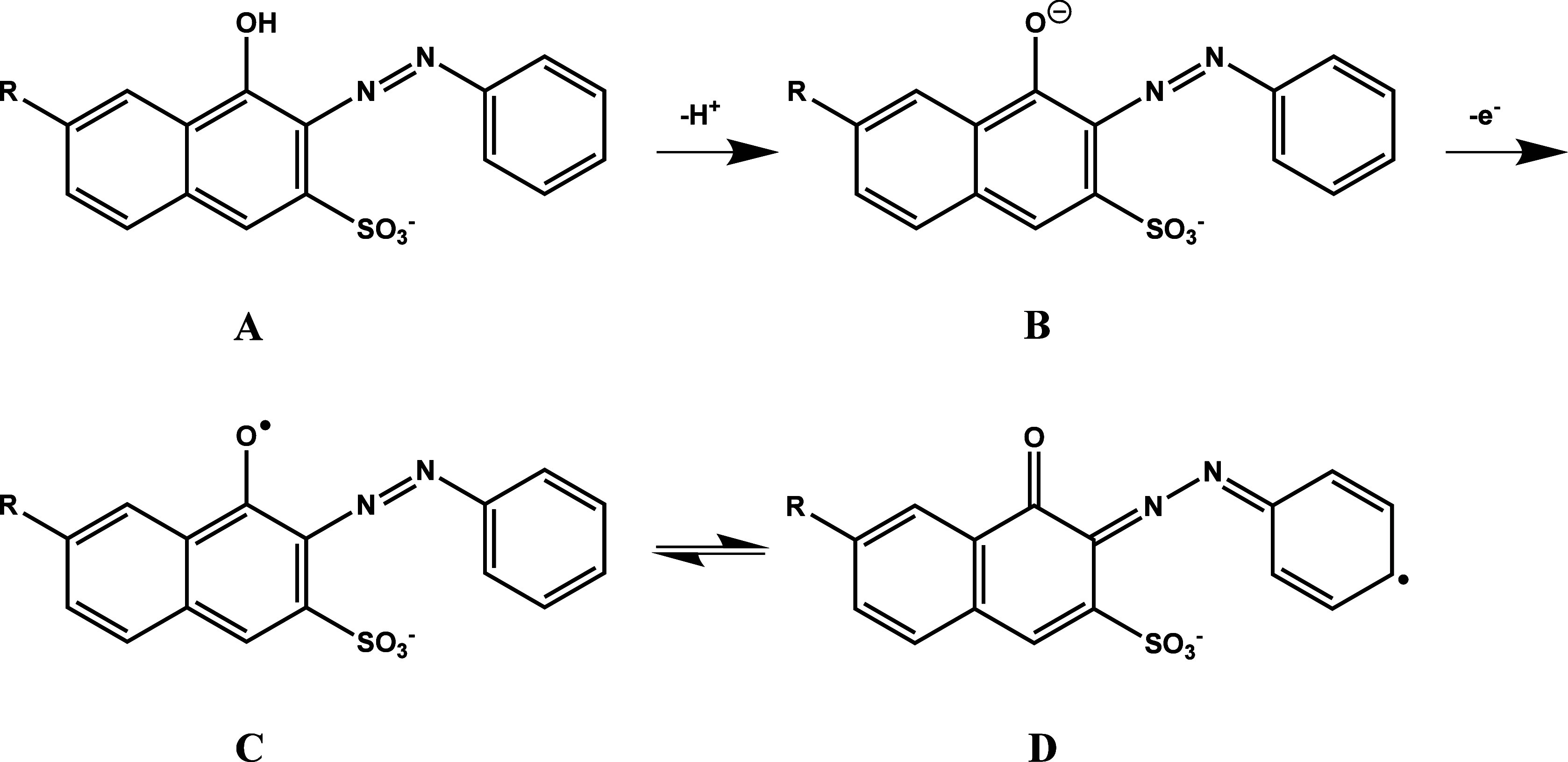 Figure 2
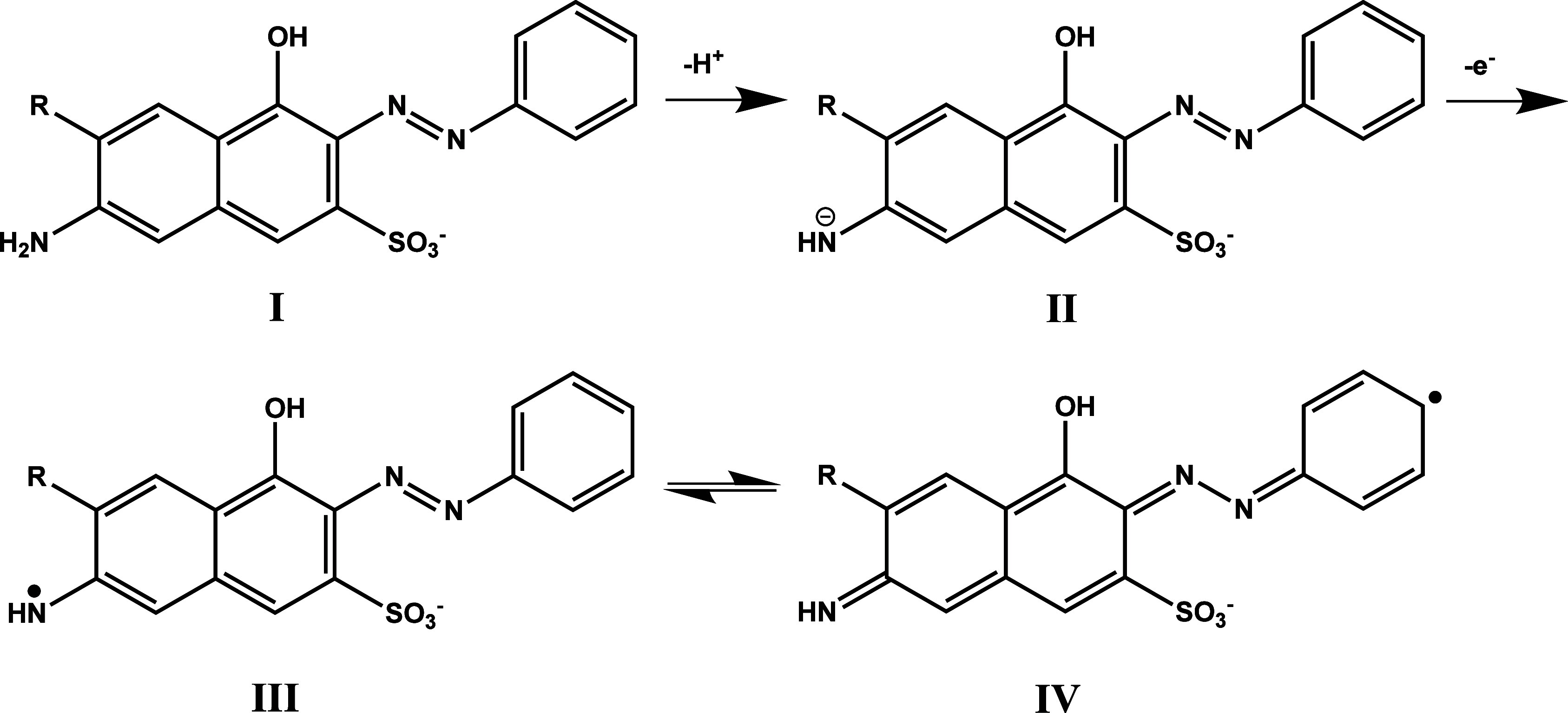 Figure 3
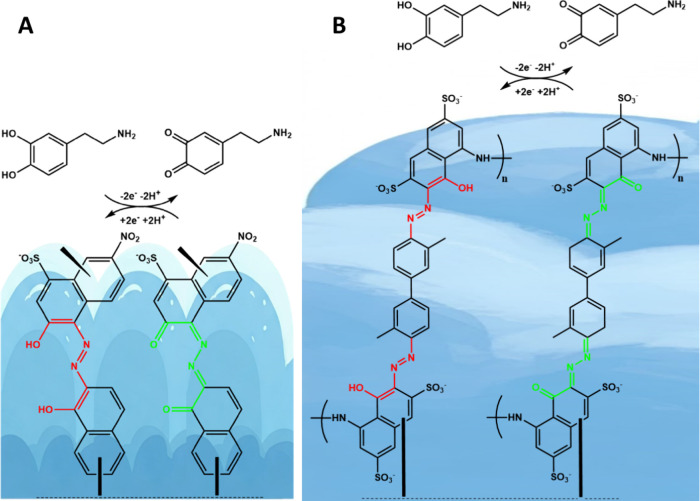 Figure 4
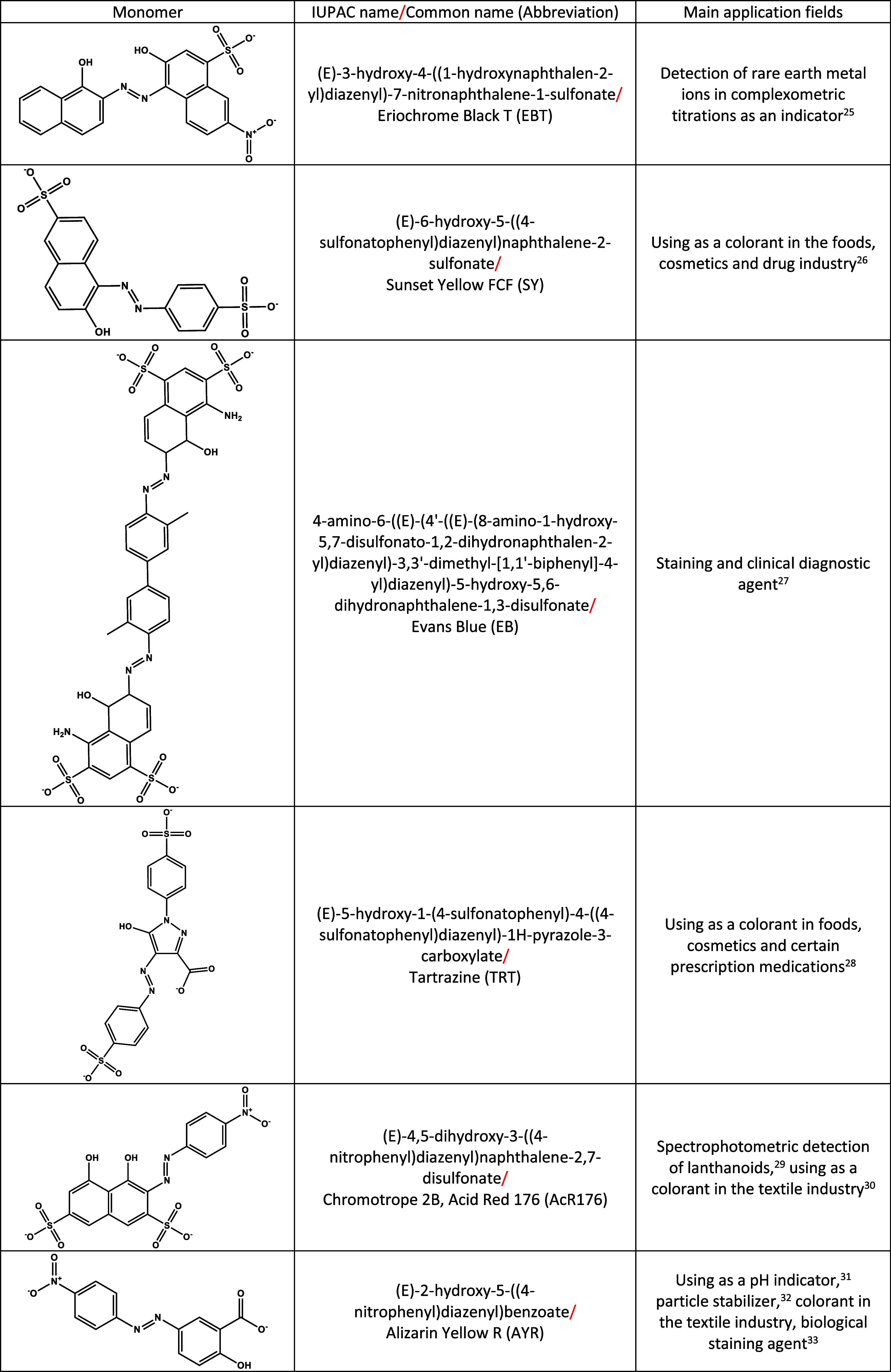 Figure 5
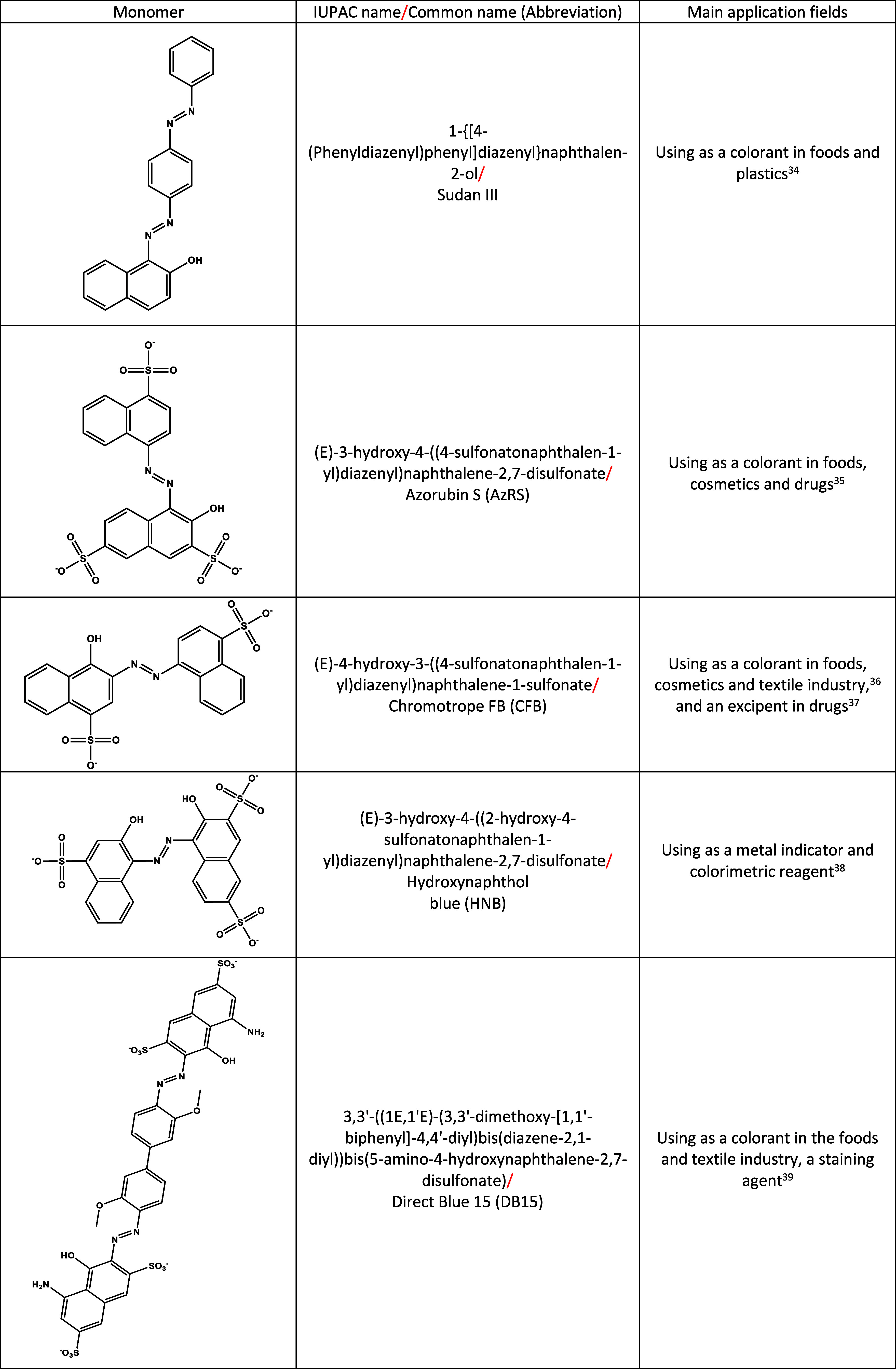 Figure 6
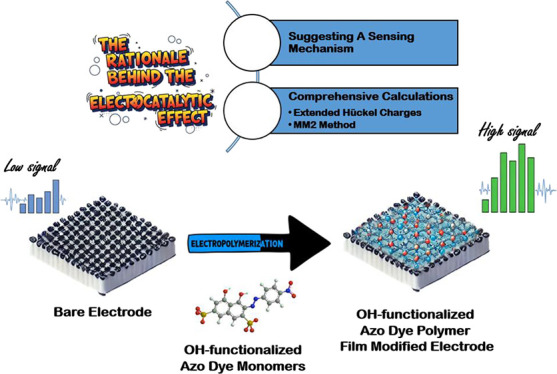 Figure 7
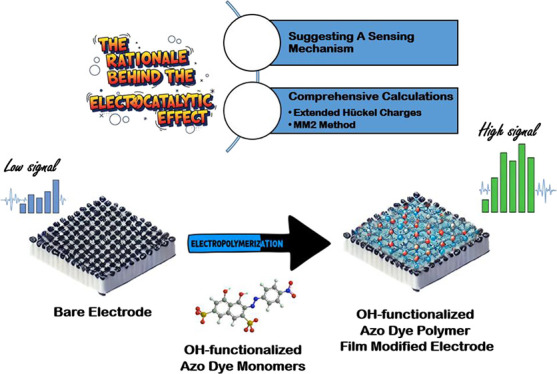 Figure 8
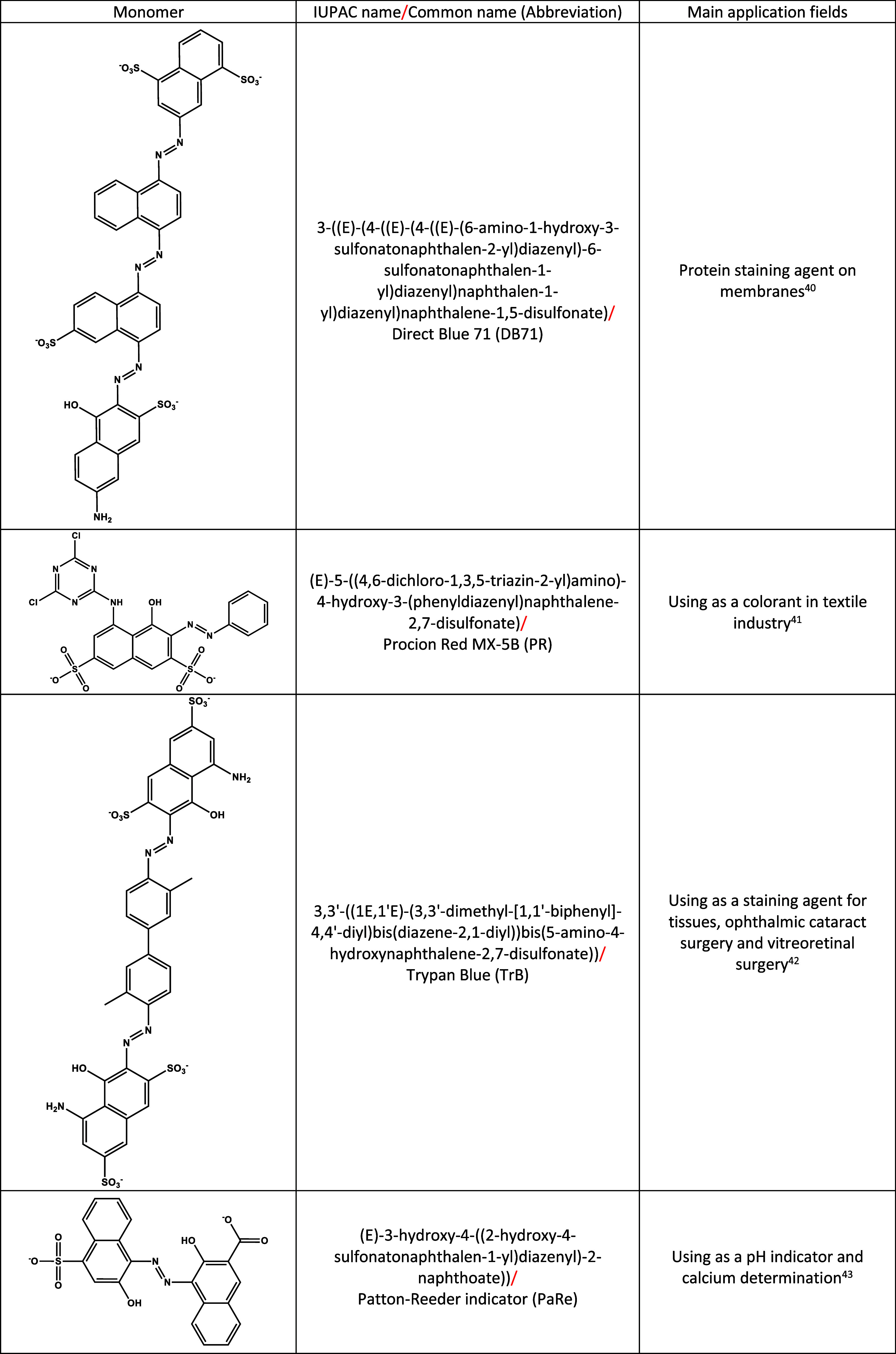 Figure 9
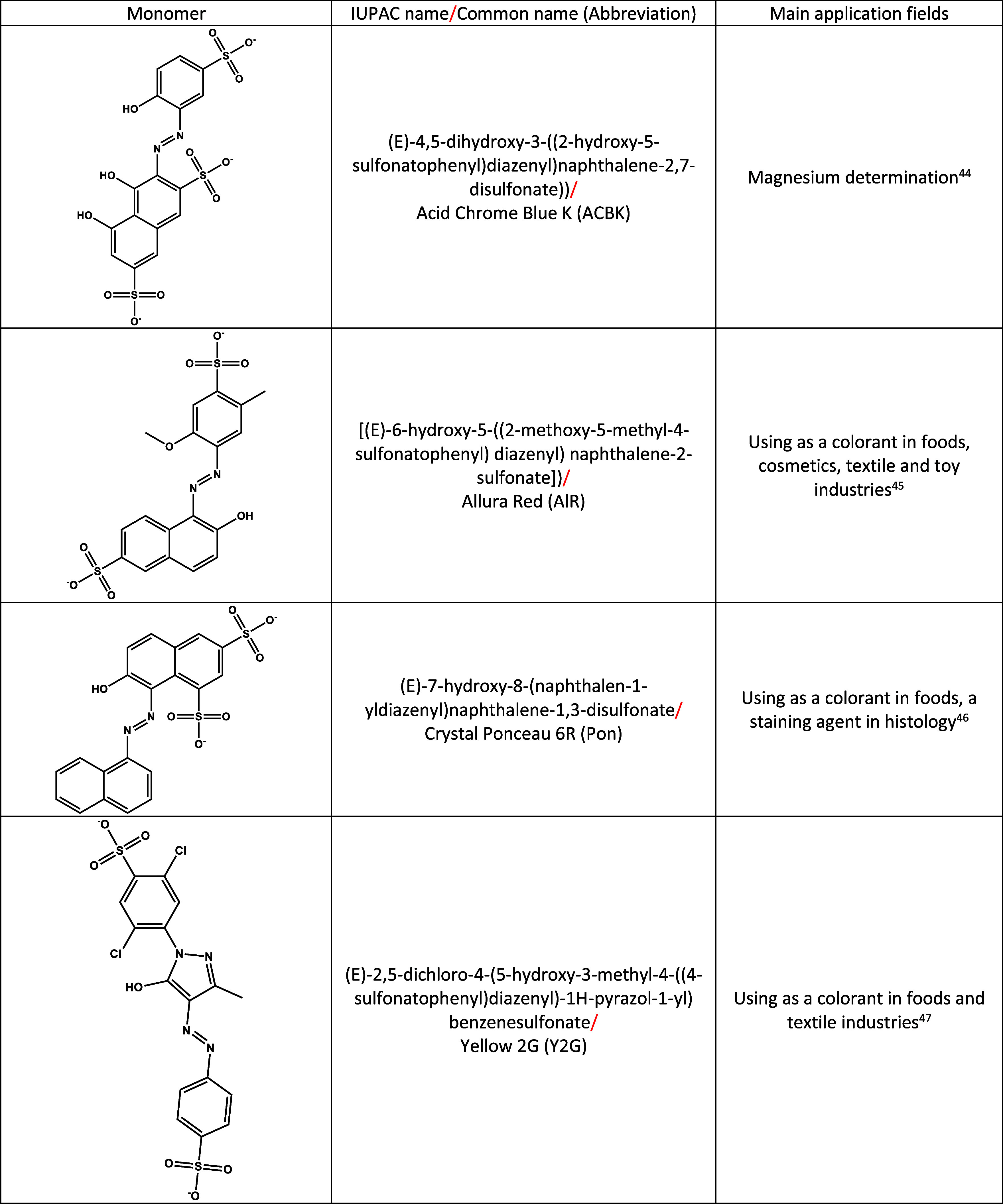 Figure 10
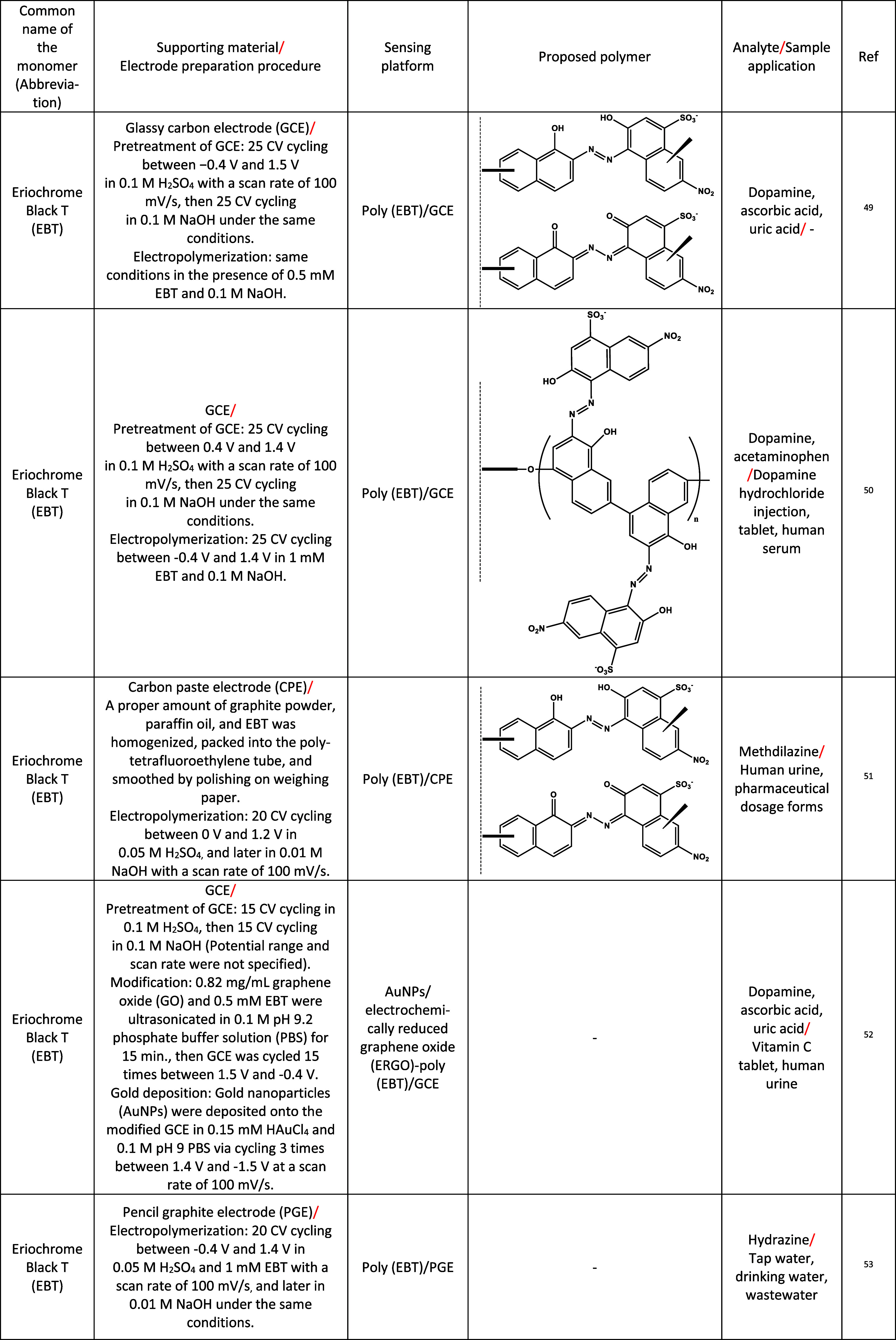 Figure 11
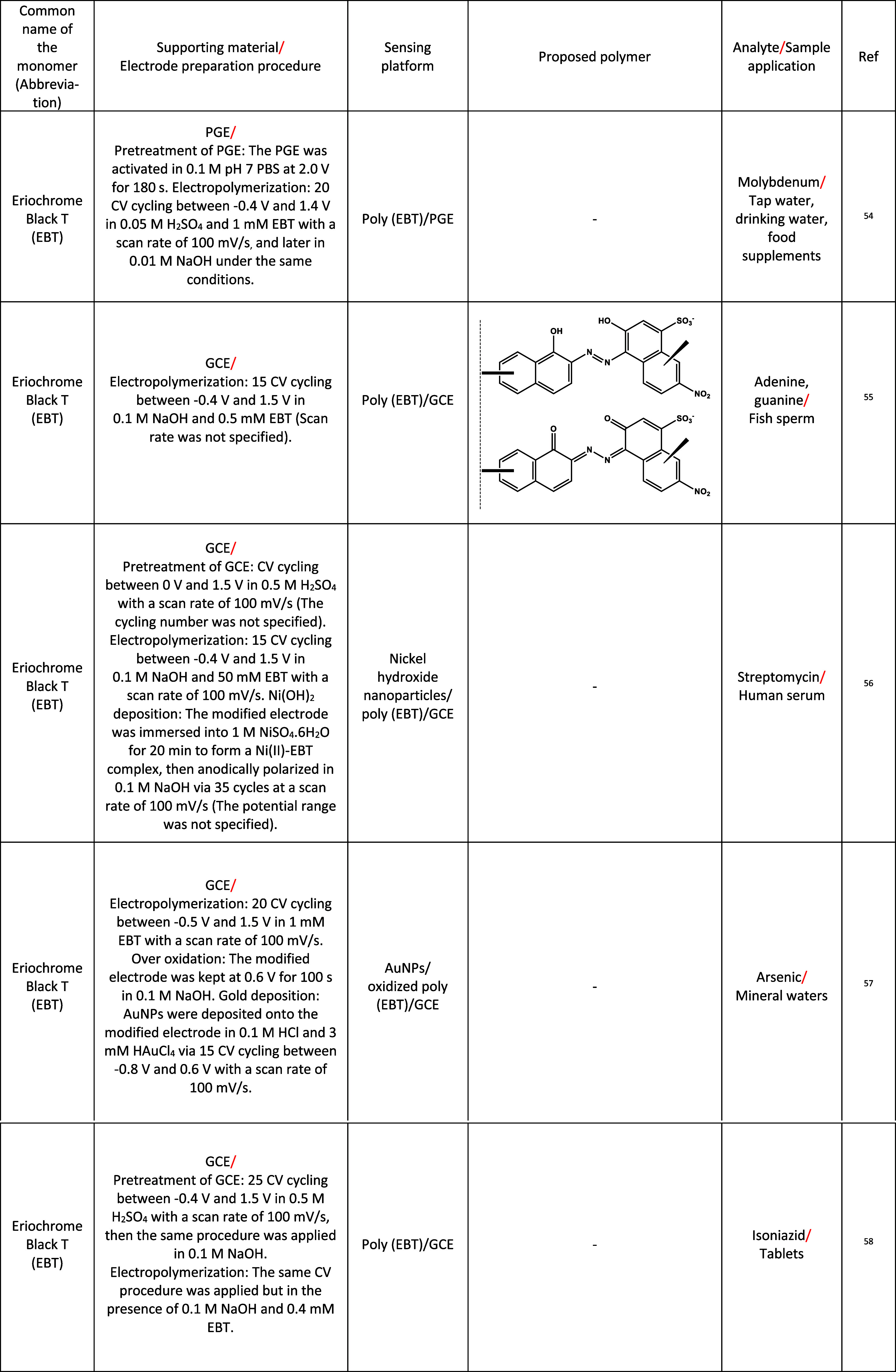 Figure 12
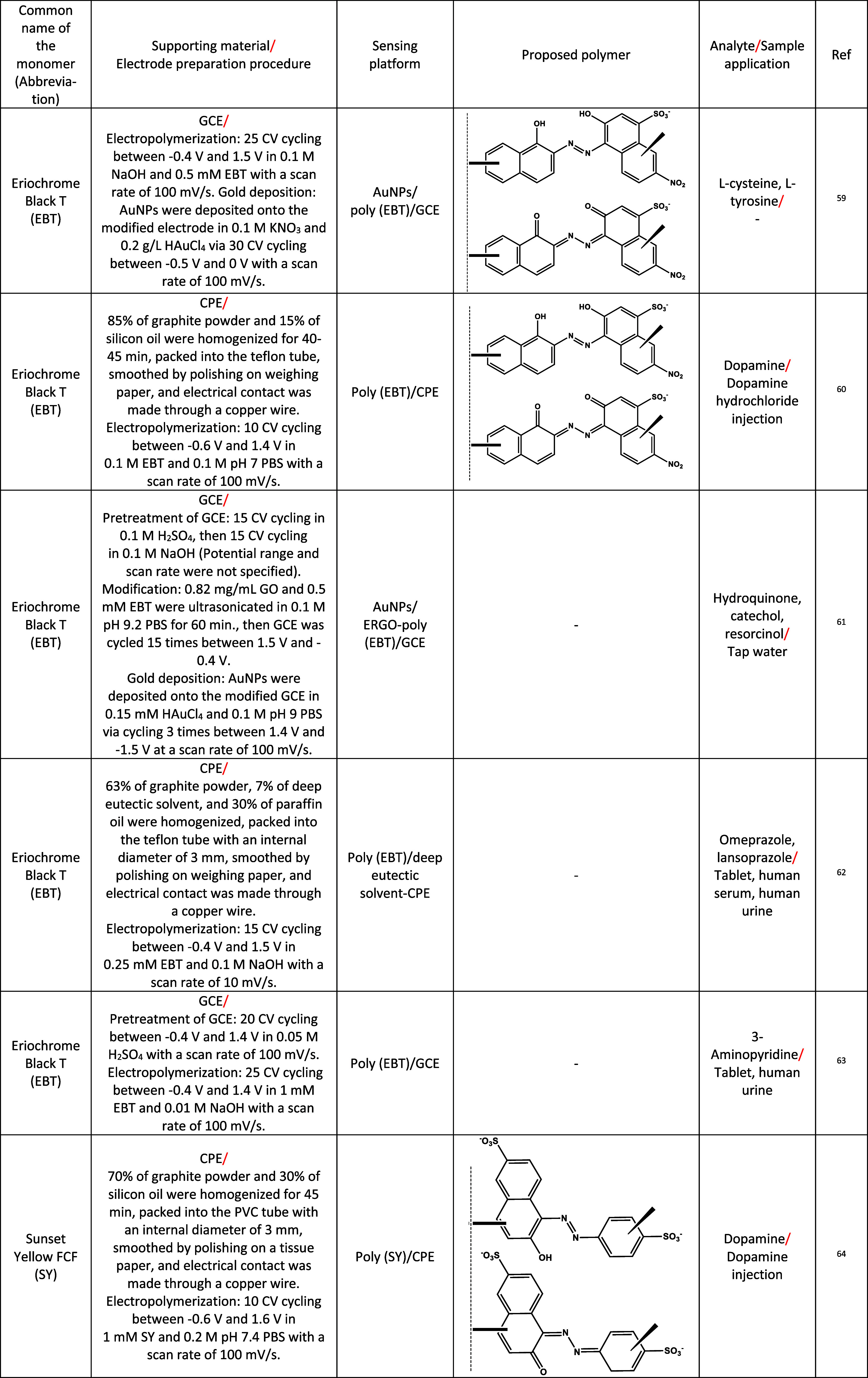 Figure 13
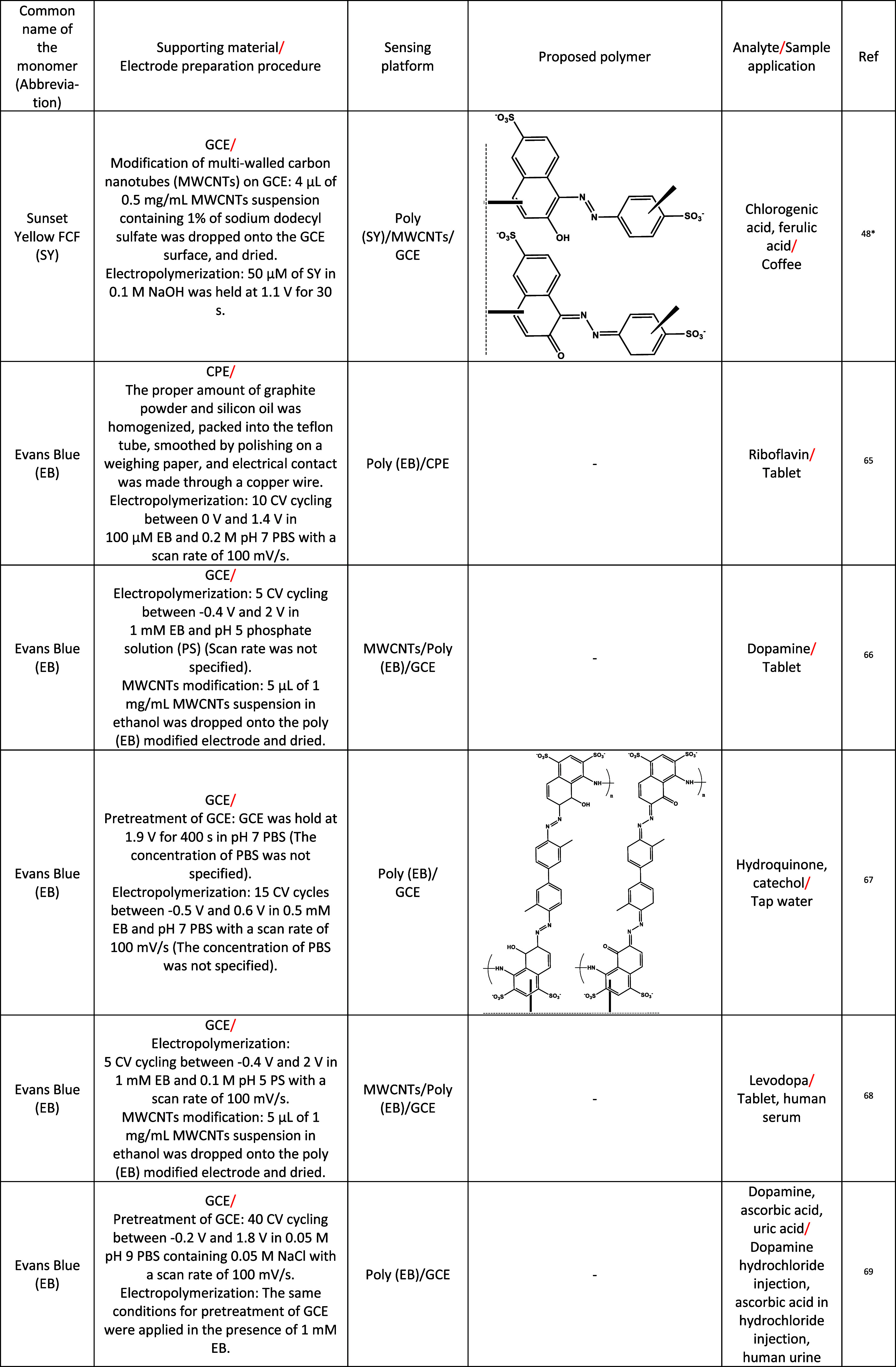 Figure 14
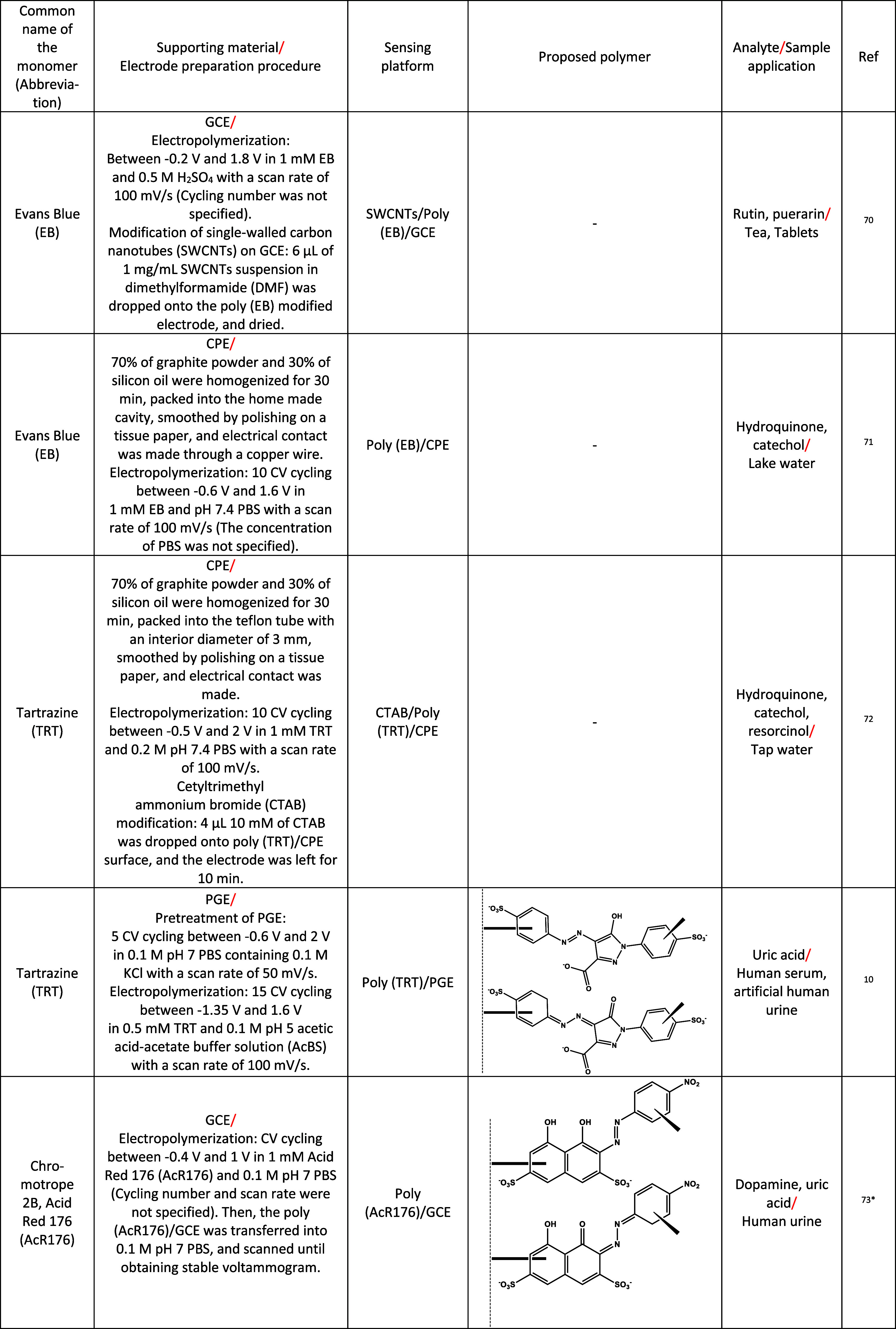 Figure 15
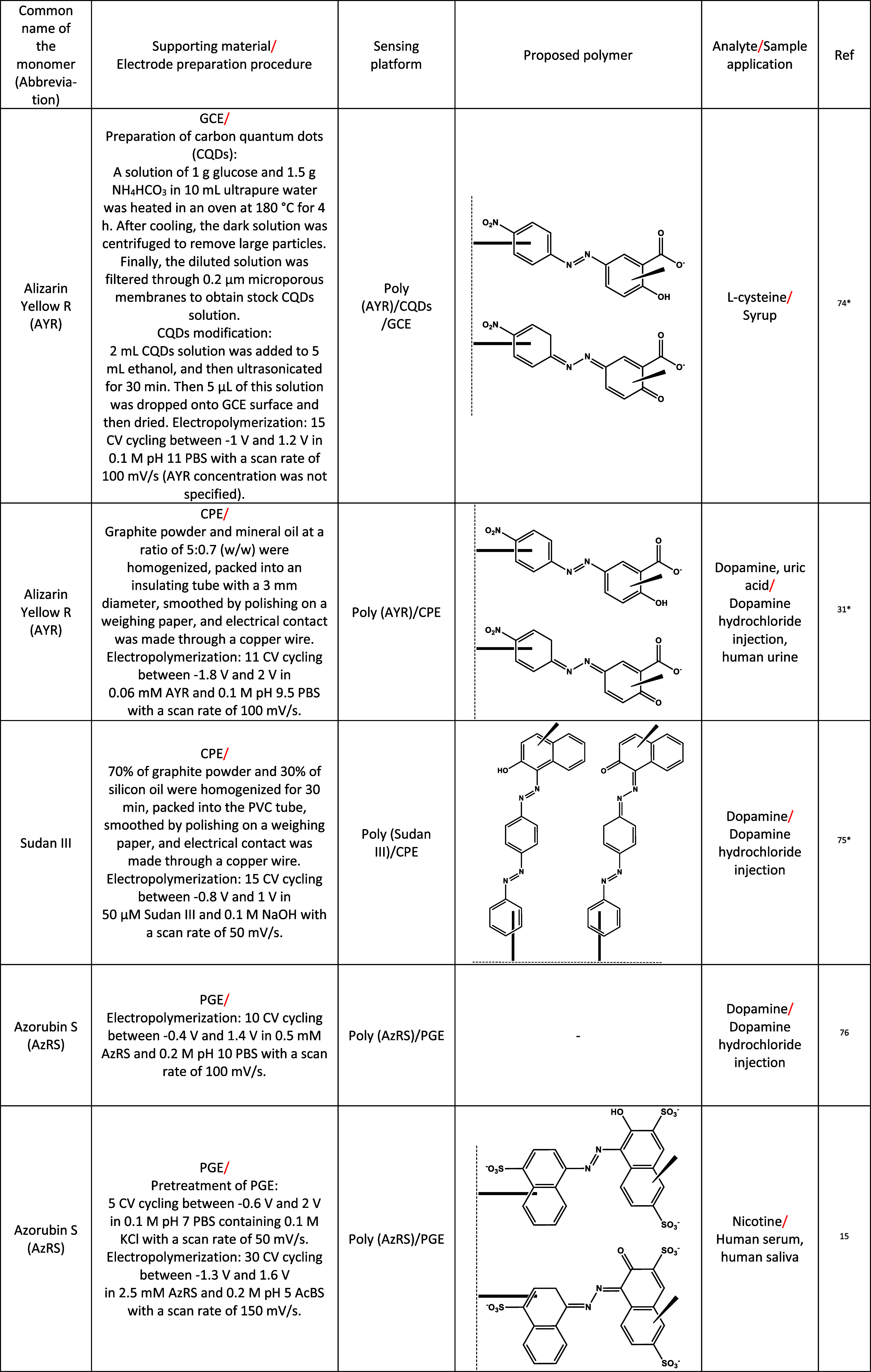 Figure 16
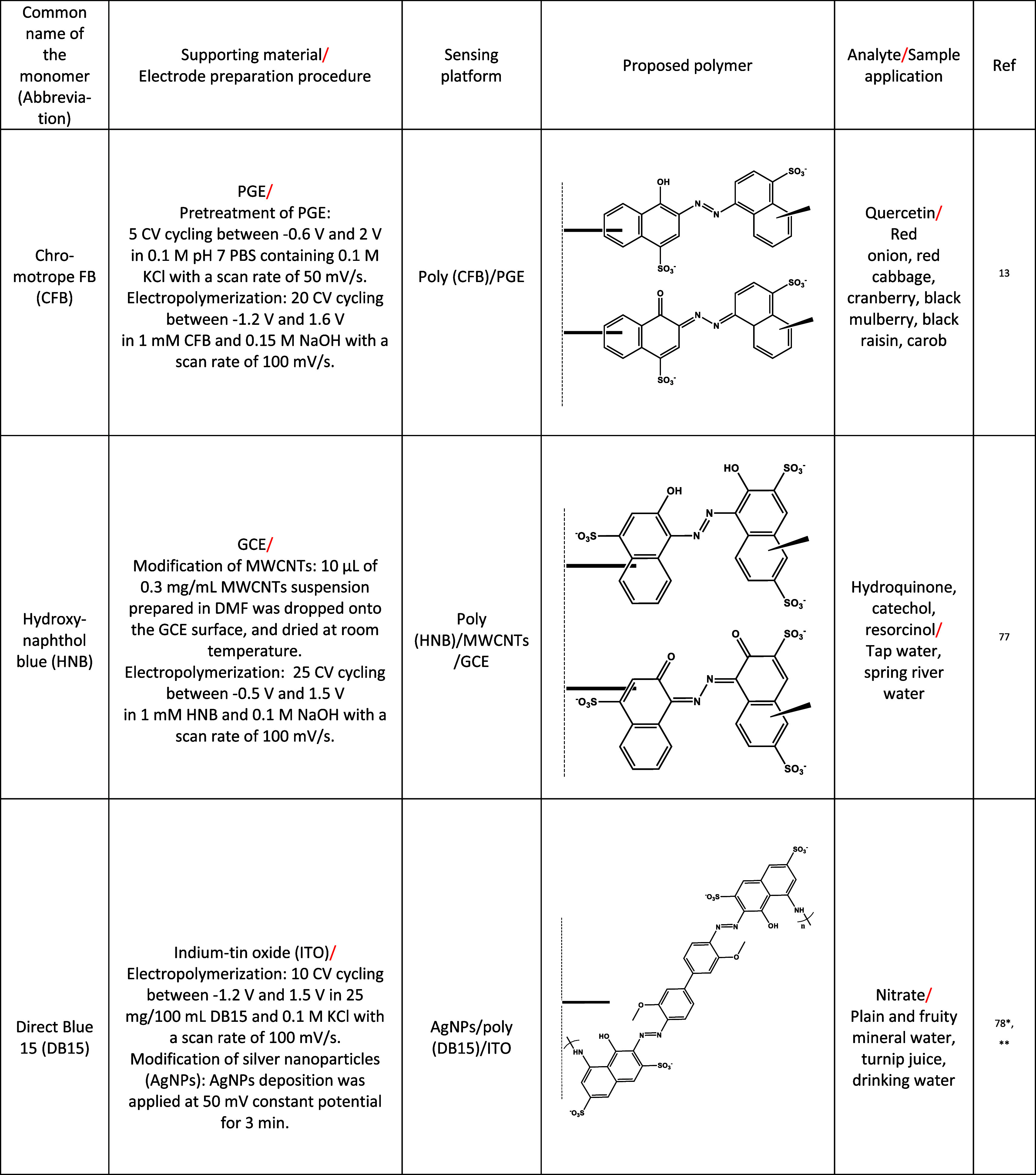 Figure 17
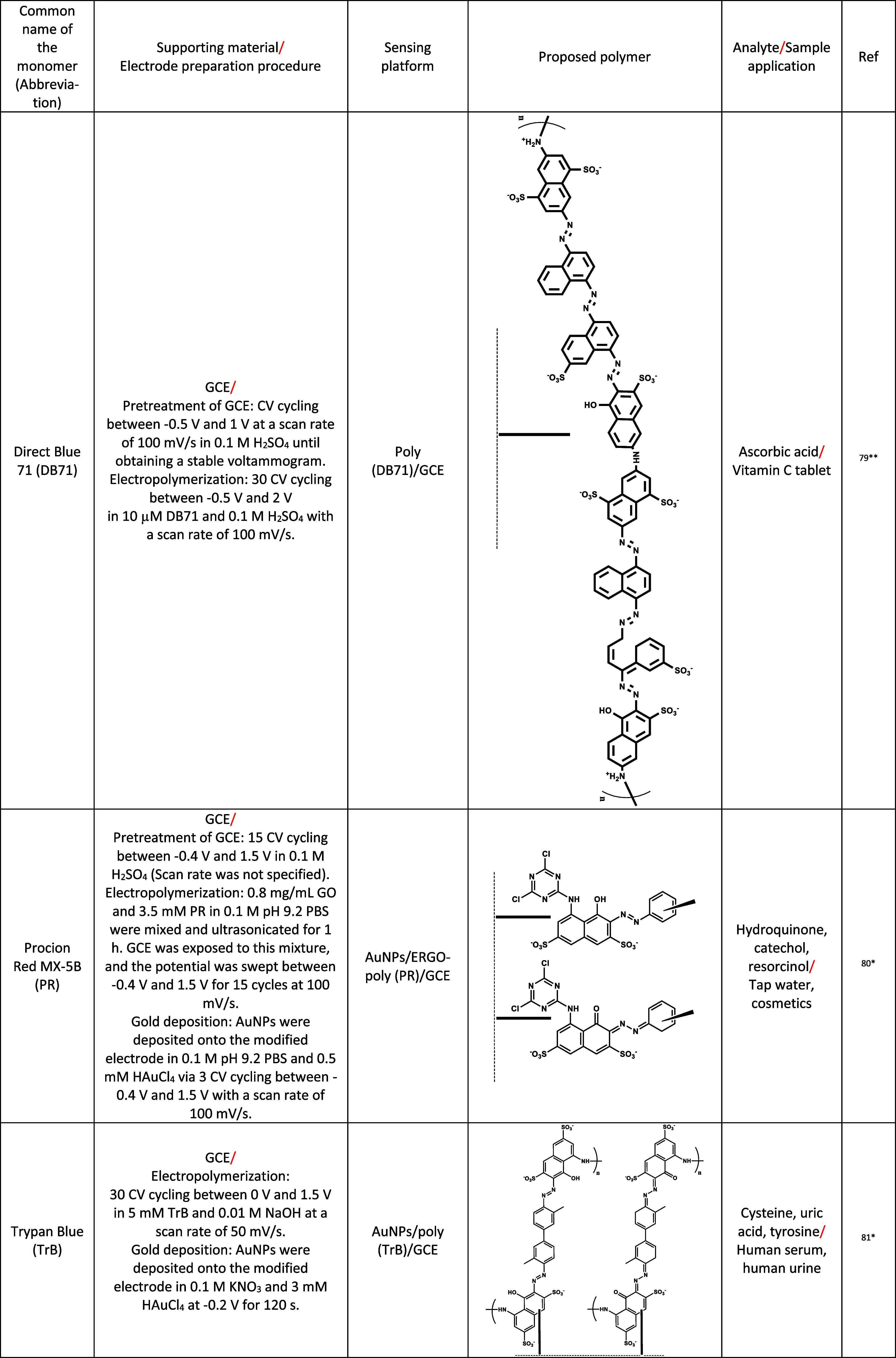 Figure 18
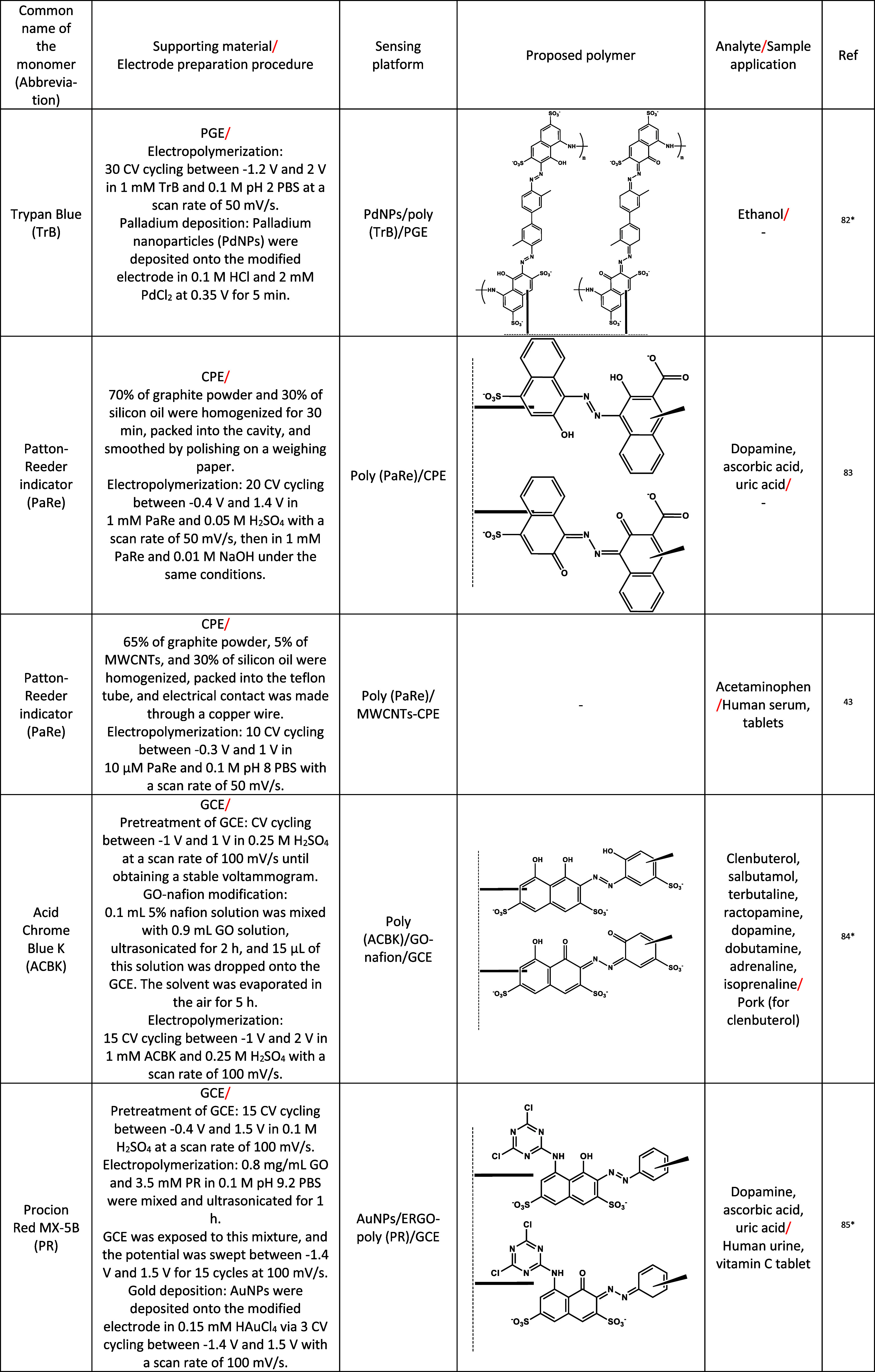 Figure 19
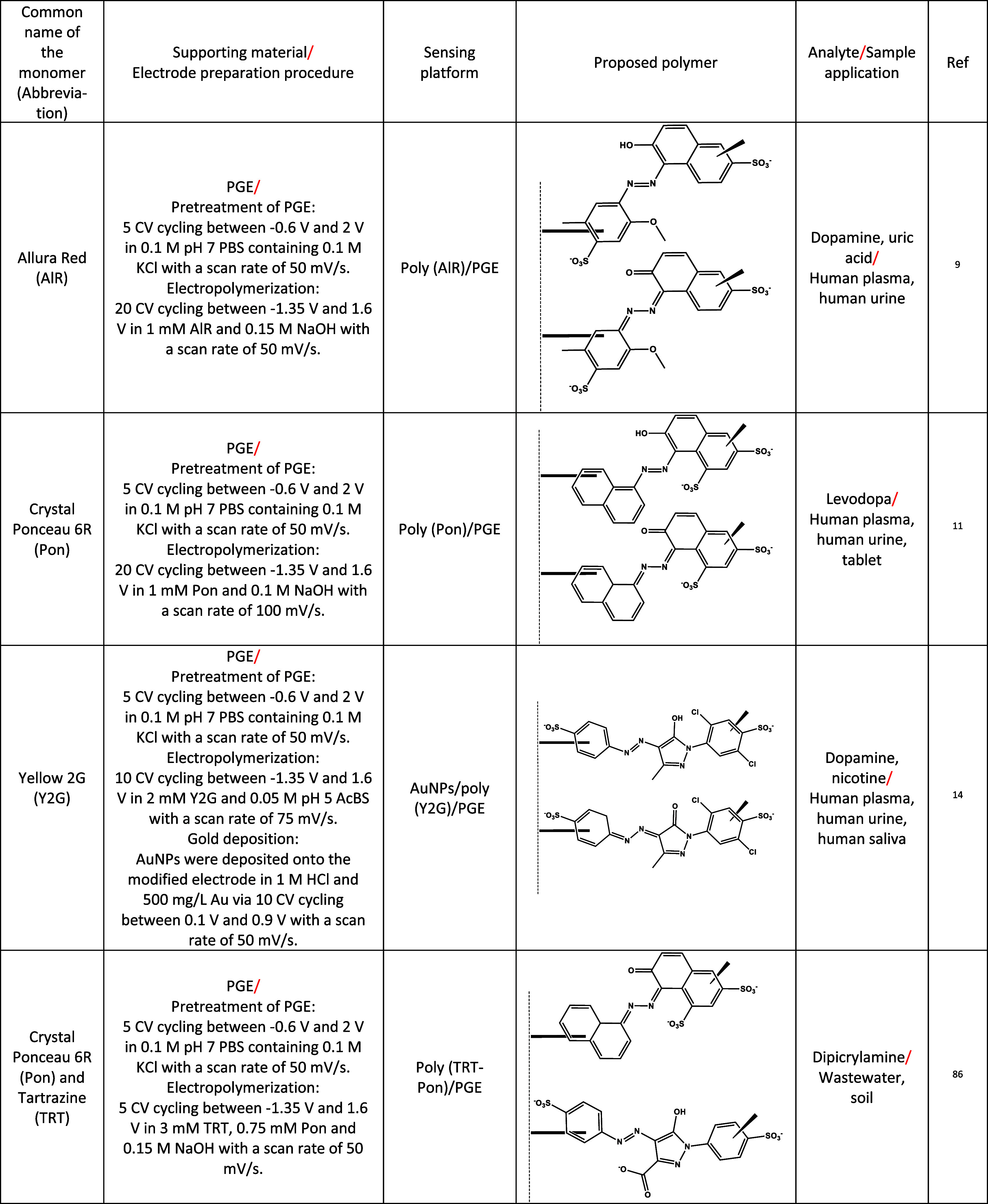 Figure 20
Peer Reviews
No public reviews on file for this paper yet. If you reviewed it on a platform where reviews are public (OpenReview, ICLR, NeurIPS, ICML), you can paste yours below so the community can read it here.
Videos
No videos yet. Explain this paper in a talk, walkthrough, or lecture? Add one.
Taxonomy
TopicsConducting polymers and applications · Electrochemical sensors and biosensors · Water Quality Monitoring and Analysis