A Nerve Cell Growth Promoting PEG-Peptide Block Copolymer and Photoresponsive Hydrogels with Tailorable Mechanical Properties and Feasible Degradability
Syuan-Yu Lin, Wei-Fang Su, Chun-Yu Chang, Chi-Yang Chao

TL;DR
A new hydrogel system is developed that supports nerve cell growth and can be tailored for mechanical properties and degradation.
Contribution
A novel PEG-peptide copolymer and photoresponsive hydrogel system with tunable mechanical properties and feasible degradability is introduced.
Findings
The hydrogel system supports PC12 cell growth with 3.2 times higher cell viability compared to the control group.
The complex modulus of the hydrogels can be tuned between 238 and 1448 Pa, matching native extracellular matrix properties.
The hydrogels can be degraded via 254 nm UV irradiation, enabling clean scaffold removal.
Abstract
In this study, a novel photoresponsive poly(ethylene glycol)-peptide (PEG-peptide) diblock copolymer capable of promoting pheochromocytoma cell (PC12) growth is developed, and the corresponding hydrogels with tunable mechanical properties for nerve tissue engineering are constructed via bridge-micelle architectures. The PEG-peptide forms core–shell micelles in the precursor solution, in which the core peptide segment contains γ-benzyl-l-glutamate moieties to stimulate nerve cell growth and coumarin moieties to provide photoresponsivity, while the hydrophilic PEG shell could enhance stable dispersion of micelles. Meanwhile, coumarin-containing water-soluble random copolymers poly(N,N-dimethylacrylamide-random-acrylic(7-(2-acryloyloxyethoxy)-4-methylcoumarin)) (PDA) are incorporated to function as bridges. The coumarin moieties in both polymers undergo [2 + 2] cycloaddition upon 365 nm…
Genes, proteins, chemicals, diseases, species, mutations and cell lines named across the full text — each resolved to its canonical identifier and authoritative record.
Click any figure to enlarge with its caption.
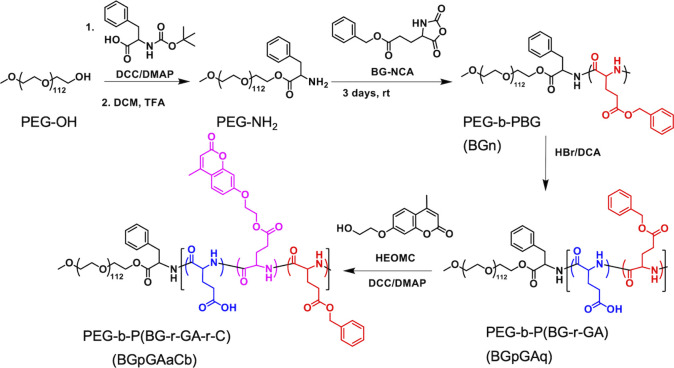 Figure 1
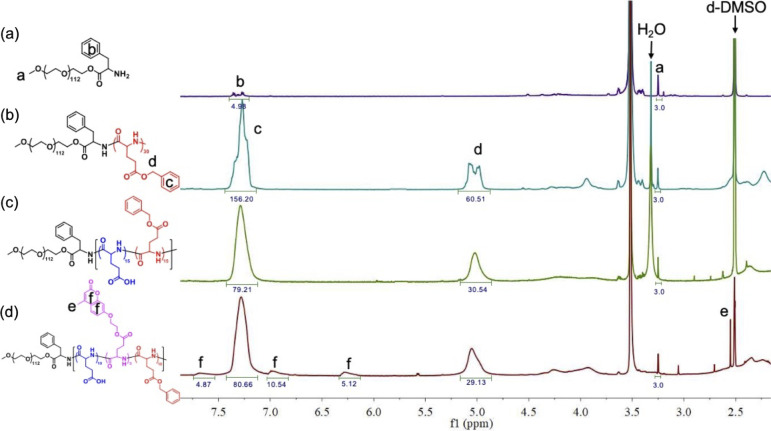 Figure 2
 Figure 3
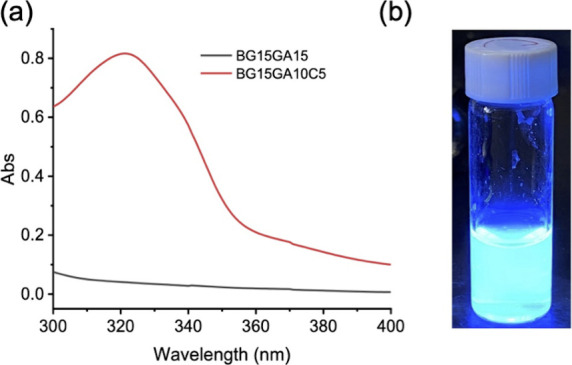 Figure 4
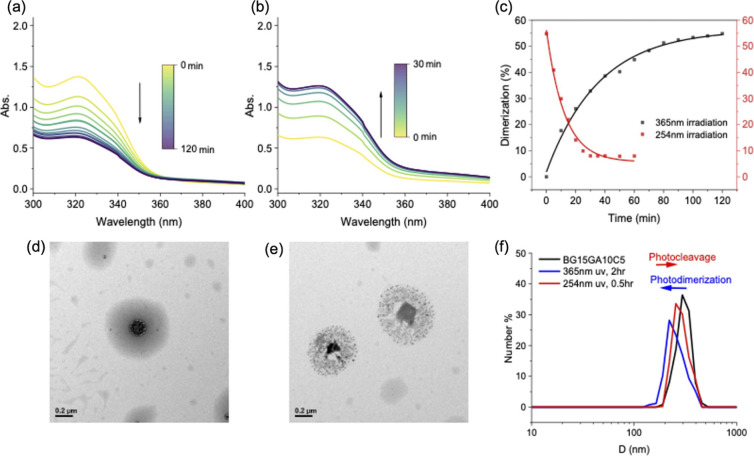 Figure 5
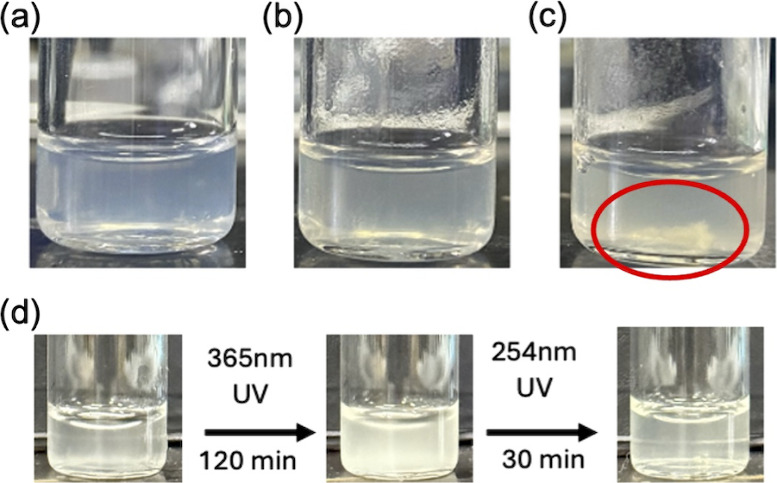 Figure 6
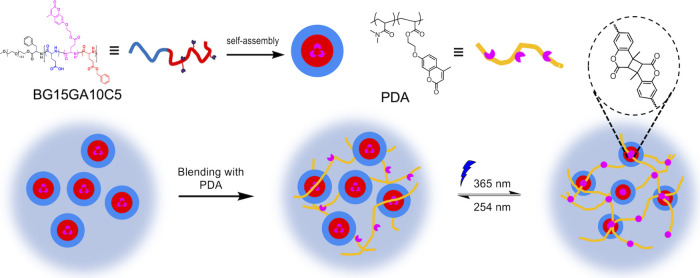 Figure 7
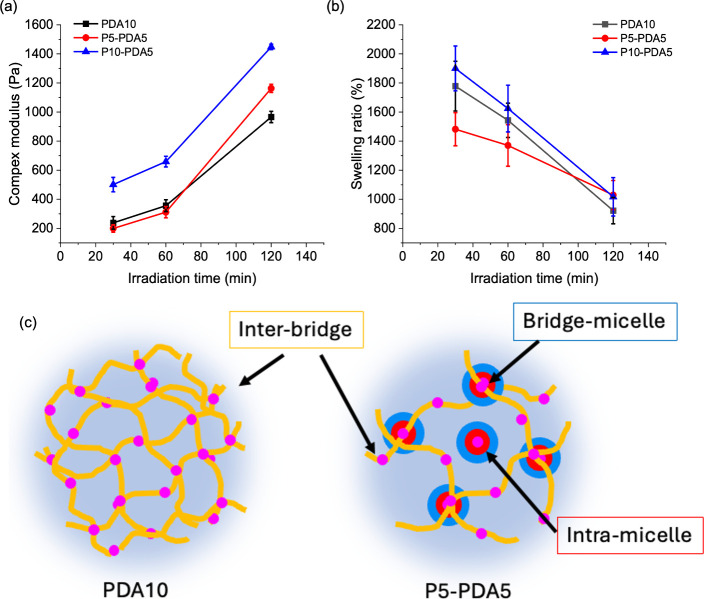 Figure 8
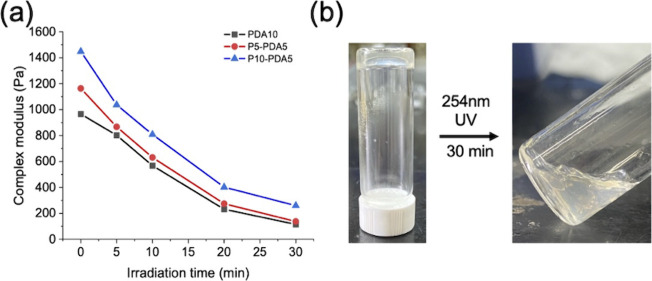 Figure 9
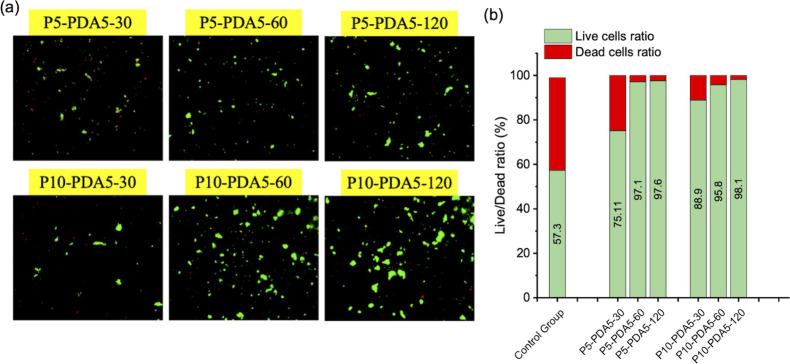 Figure 10
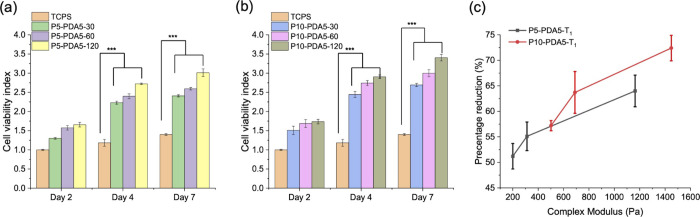 Figure 11
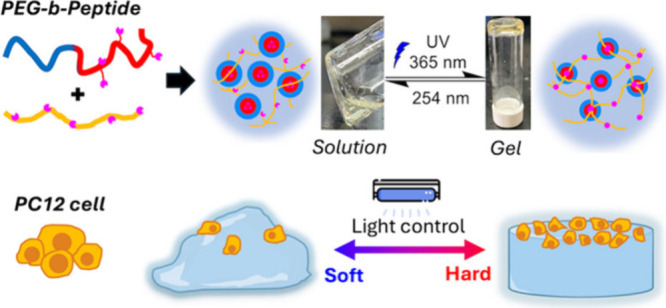 Figure 12
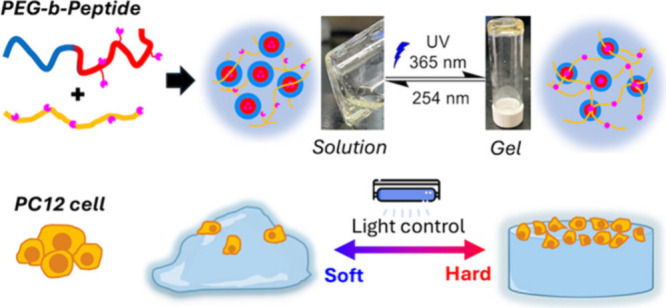 Figure 13
 Figure 14
 Figure 15
Peer Reviews
No public reviews on file for this paper yet. If you reviewed it on a platform where reviews are public (OpenReview, ICLR, NeurIPS, ICML), you can paste yours below so the community can read it here.
Videos
No videos yet. Explain this paper in a talk, walkthrough, or lecture? Add one.
Taxonomy
TopicsSupramolecular Self-Assembly in Materials · Hydrogels: synthesis, properties, applications · Nerve injury and regeneration