Spore immobilized enzymes for the multi-step synthesis of cellobiose
Jan Benedict Spannenkrebs, Leesa Jane Klau, Marianna Karava, Finn Lillelund Aachmann, Johannes Kabisch

TL;DR
This paper presents a method to immobilize enzymes on bacterial spores for the efficient, multi-step synthesis of cellobiose, a valuable disaccharide.
Contribution
The first use of multiple enzymes displayed on spore surfaces during a reaction cascade for cellobiose synthesis.
Findings
Spore-immobilized enzymes maintained significant activity over multiple reaction cycles.
A one-pot reaction achieved 90% yield of cellobiose and retained activity after five cycles.
Adding calcium improved two-pot reaction yield from 60% to 80% by removing excess phosphate.
Abstract
Cellobiose (4-O-β-D-Glucopyranosyl-D-glucopyranose) is an important disaccharide utilized, for example in food and cosmetics. It can be enzymatically synthesized involving two steps from sucrose and glucose, where first the sucrose undergoes phosphorolysis by sucrose phosphorylase, yielding glucose 1-phosphate and fructose. Glucose 1-phosphate is then combined with glucose into cellobiose, releasing phosphate in a reaction catalyzed by cellobiose phosphorylase. To better control and reuse the enzymes in the two main reaction steps, immobilization on Bacillus subtilis spores is a promising approach due to the ease of production and recyclability. Here we describe the display of a sucrose phosphorylase and a cellobiose phosphorylase on B. subtilis spores through fusion with the crust protein CotY, to our knowledge marking the first use of multiple enzymes directly displayed on the spore…
Genes, proteins, chemicals, diseases, species, mutations and cell lines named across the full text — each resolved to its canonical identifier and authoritative record.
Click any figure to enlarge with its caption.
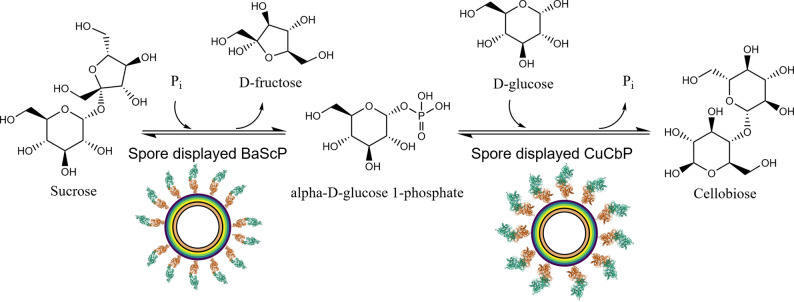 Figure 1
 Figure 2
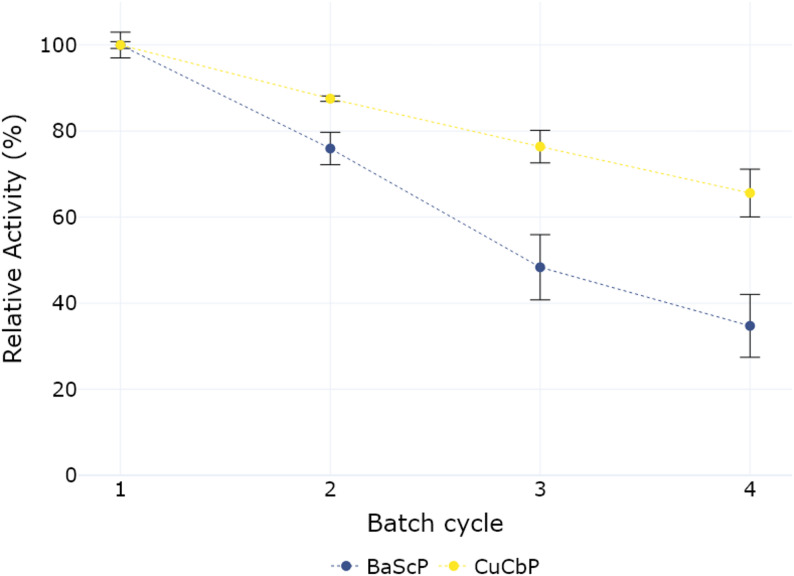 Figure 3
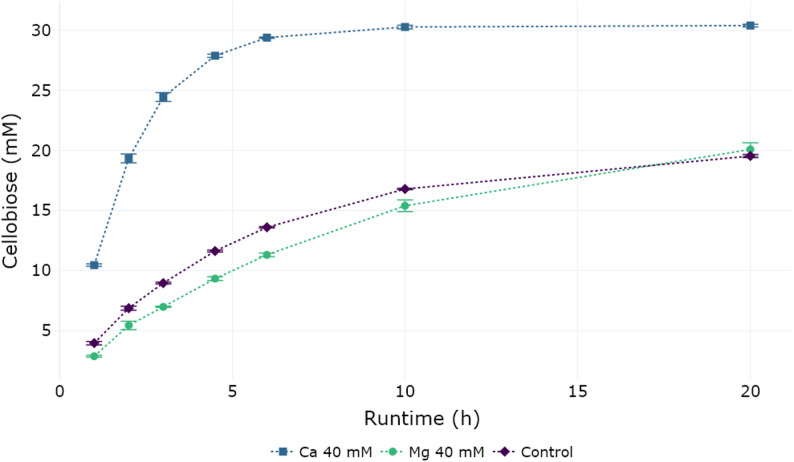 Figure 4
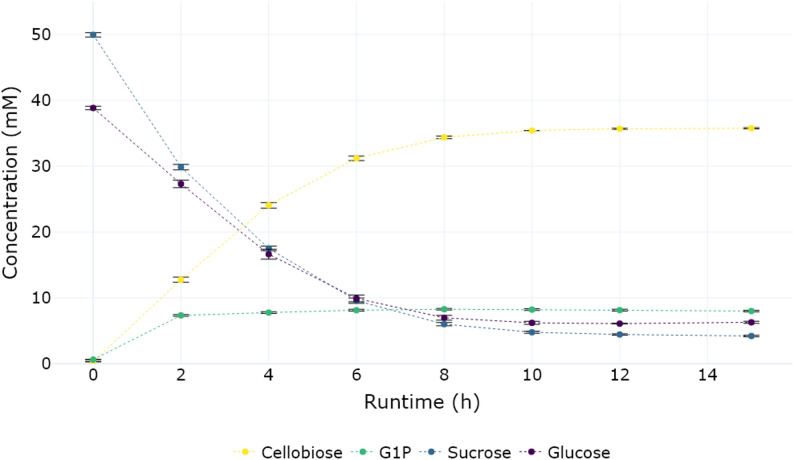 Figure 5
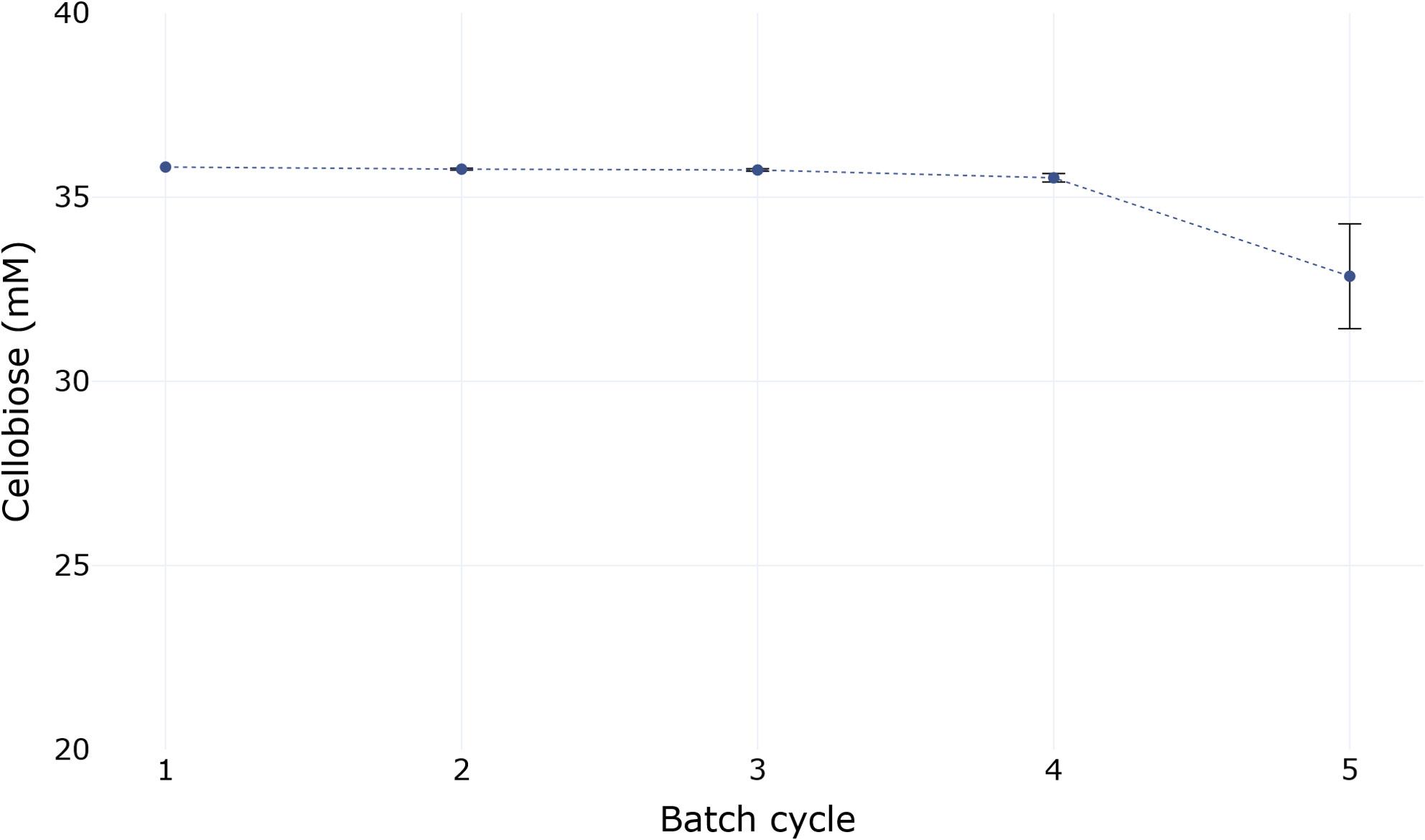 Figure 6
Peer Reviews
No public reviews on file for this paper yet. If you reviewed it on a platform where reviews are public (OpenReview, ICLR, NeurIPS, ICML), you can paste yours below so the community can read it here.
Videos
No videos yet. Explain this paper in a talk, walkthrough, or lecture? Add one.
Taxonomy
TopicsEnzyme Production and Characterization · Enzyme Catalysis and Immobilization · Enzyme Structure and Function