Use of Poly(styrene-co-acrylic Acid) in a Composite Ion-Solvating Membrane for Water Electrolysis
Domenico Lentini, Francesko Malaj, Alessandro Tampucci, Lorenzo Brogi, Tommaso Caielli, Piercarlo Mustarelli, Pierpaolo Minei, Massimo Melchiorre, Oreste Tarallo, Francesco Ruffo

TL;DR
A new composite membrane made with poly(styrene-co-acrylic acid) improves water electrolysis performance and durability.
Contribution
A novel composite ion-solvating membrane with high ion exchange capacity and mechanical strength is developed for alkaline water electrolysis.
Findings
The membrane achieved a through-plane conductivity of 24 mS cm–1 at 70 °C with 4 M KOH.
The membrane showed a cell voltage of 1.89 V at 1 A cm–2 current density in an electrolyzer.
No degradation was observed after 720 hours of aging and 150 hours of electrolysis testing.
Abstract
Ion-solvating membranes (ISMs) have recently emerged as a promising class of materials for alkaline water electrolysis. Their non microporous polymer architecture and the absence of alkaline labile functional groups pave the way for a new generation of hybrid electrolyzers that combine the key features and advantages of conventional alkaline water electrolyzers (AWE) with those of proton exchange membrane water electrolyzers (PEMWE). Herein, a styrene-acrylic acid copolymer was synthesized and deposited onto a commercial microporous polypropylene support, yielding a composite ISM that couples an ion exchange capacity (IEC) of 2.72 mmol g–1 with good mechanical properties (tensile strength of 65 MPa). The electrochemical performance of the membranes was evaluated by through-plane conductivity measurements (24 mS cm–1, with KOH 4 M at 70 °C) and operation in an electrolyzer cell (reaching…
Genes, proteins, chemicals, diseases, species, mutations and cell lines named across the full text — each resolved to its canonical identifier and authoritative record.
Click any figure to enlarge with its caption.
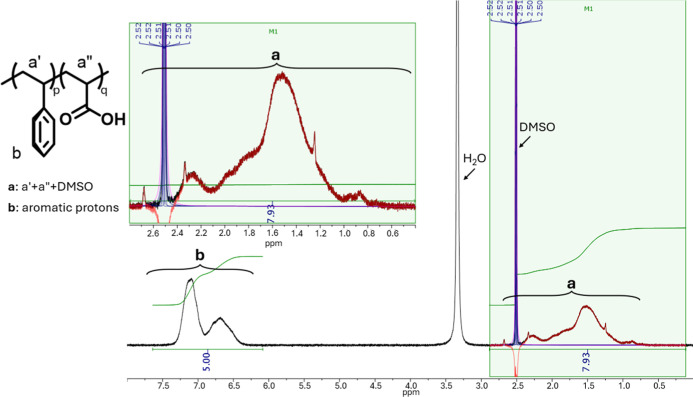 Figure 1
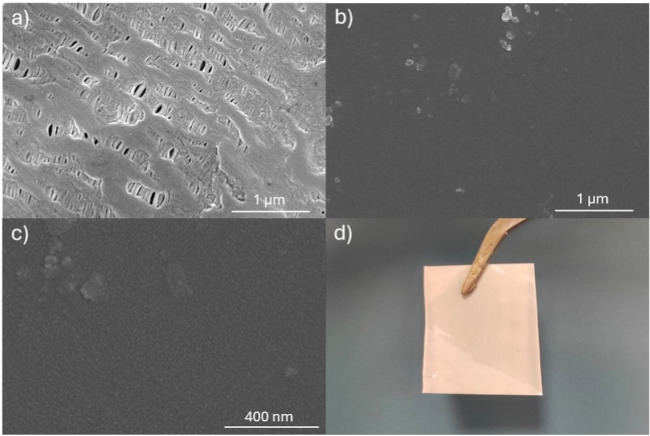 Figure 2
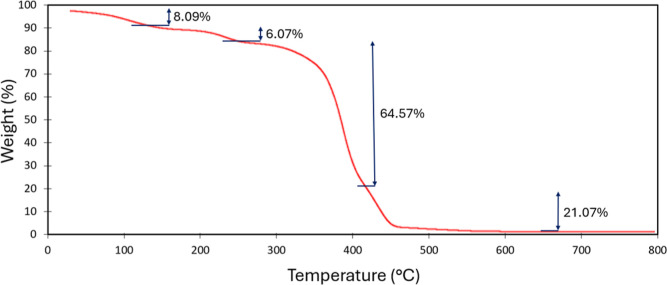 Figure 3
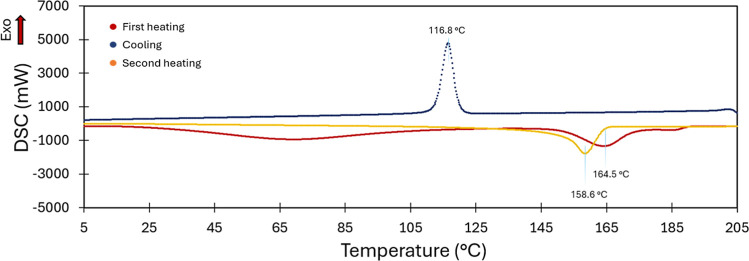 Figure 4
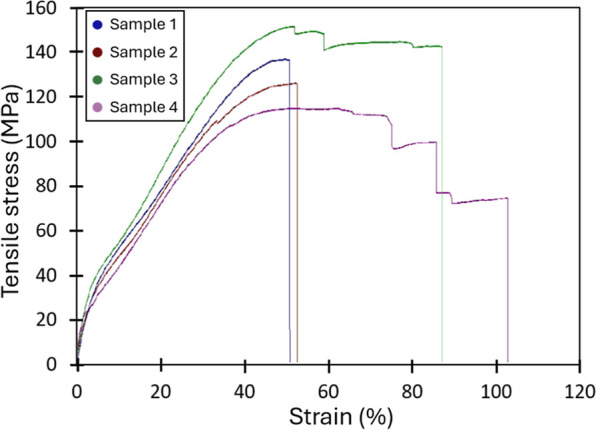 Figure 5
 Figure 6
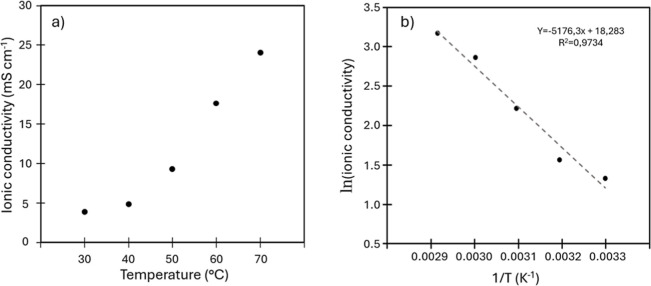 Figure 7
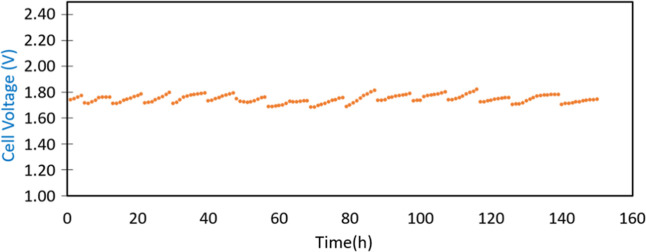 Figure 8
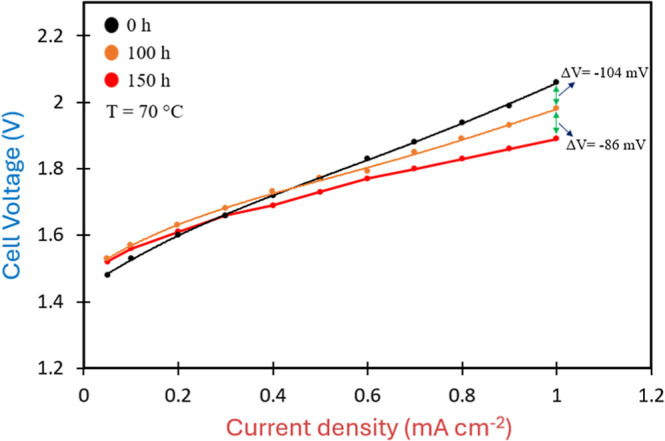 Figure 9
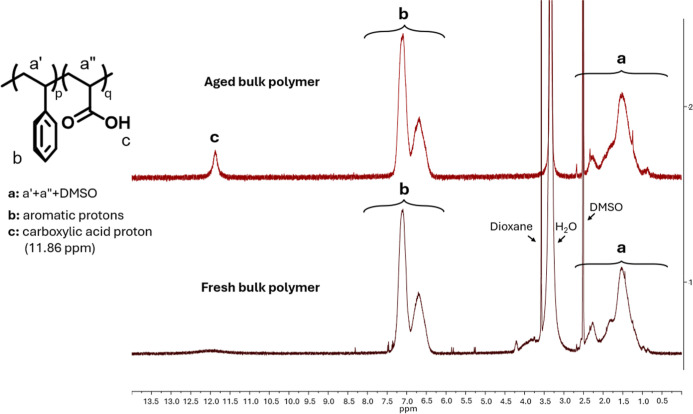 Figure 10
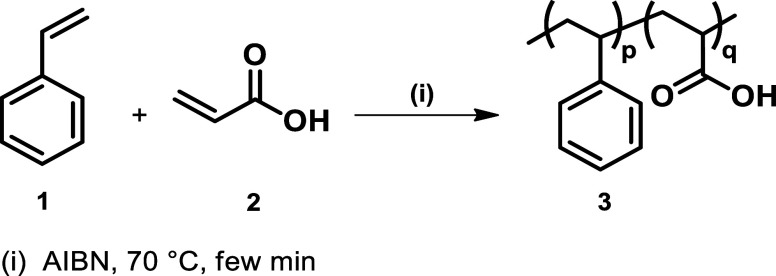 Figure 11
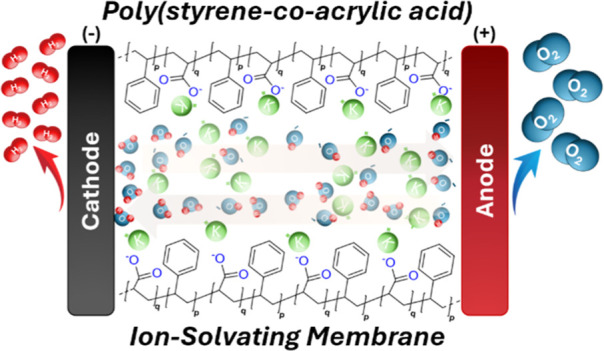 Figure 12
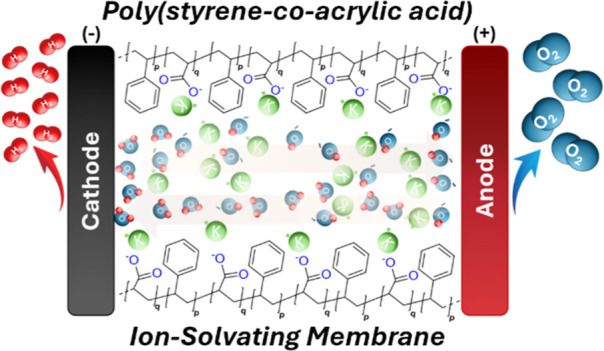 Figure 13
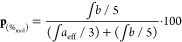 Figure 14
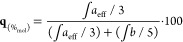 Figure 15
 Figure 16
 Figure 17
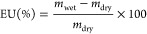 Figure 18
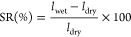 Figure 19
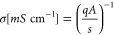 Figure 20
Peer Reviews
No public reviews on file for this paper yet. If you reviewed it on a platform where reviews are public (OpenReview, ICLR, NeurIPS, ICML), you can paste yours below so the community can read it here.
Videos
No videos yet. Explain this paper in a talk, walkthrough, or lecture? Add one.
Taxonomy
TopicsHybrid Renewable Energy Systems · Fuel Cells and Related Materials · Advanced Battery Materials and Technologies