Co-expression of holin gene improves heterologous cellulase secretion and surface display by lactic acid bacteria Lactococcus cremoris
Petra Štravs, Lara Repar, Henri-Pierre Fierobe, Stéphanie Perret, Aleš Berlec

TL;DR
Scientists improved the ability of Lactococcus cremoris to secrete and display cellulases by co-expressing a holin gene, which could help in converting plant waste into valuable products.
Contribution
Co-expressing a holin gene with cellulase genes significantly enhances their secretion and surface display in Lactococcus cremoris.
Findings
Co-expression of holin with Cel5I, Cel9A, and Cel5H increased secretion of Cel5I up to 15-fold and Cel9A at least 3-fold.
Holin co-expression improved surface display of Cel5I, Cel5H, and Cel9A.
Endolysin co-expression did not improve cellulase secretion even with holin.
Abstract
Genetically modified Lactococcus cremoris strains producing heterologous cellulases emerge as promising candidates for cost-effective bioprocessing of plant biowaste into high-value organic compounds. A key challenge in enabling efficient cellulose degradation by L. cremoris remains the effective secretion of heterologous cellulases. A potential solution would be to use genetic engineering to enhance the permeabilization of bacterial cell membrane and cell wall to facilitate the release of cellulases. This could be achieved by the co-expression of cellulase genes with genes encoding the prophage lytic proteins such as holin and endolysin. Co-expression of genes encoding the prophage protein holin and heterologous cellulases Cel5I, Cel9A and Cel5H in L. cremoris significantly improved secretion of Cel5I (up to 15-fold) and Cel9A (at least 3-fold), as well as surface display of Cel5I,…
Genes, proteins, chemicals, diseases, species, mutations and cell lines named across the full text — each resolved to its canonical identifier and authoritative record.
Click any figure to enlarge with its caption.
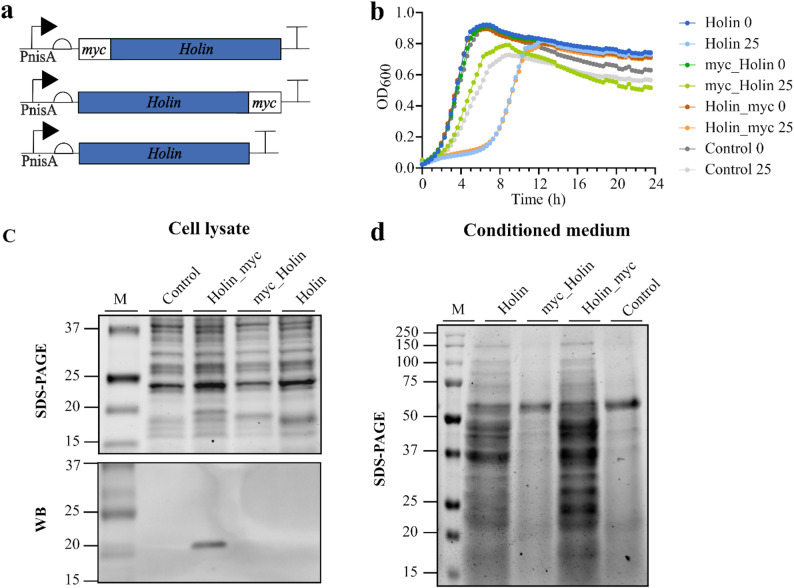 Figure 1
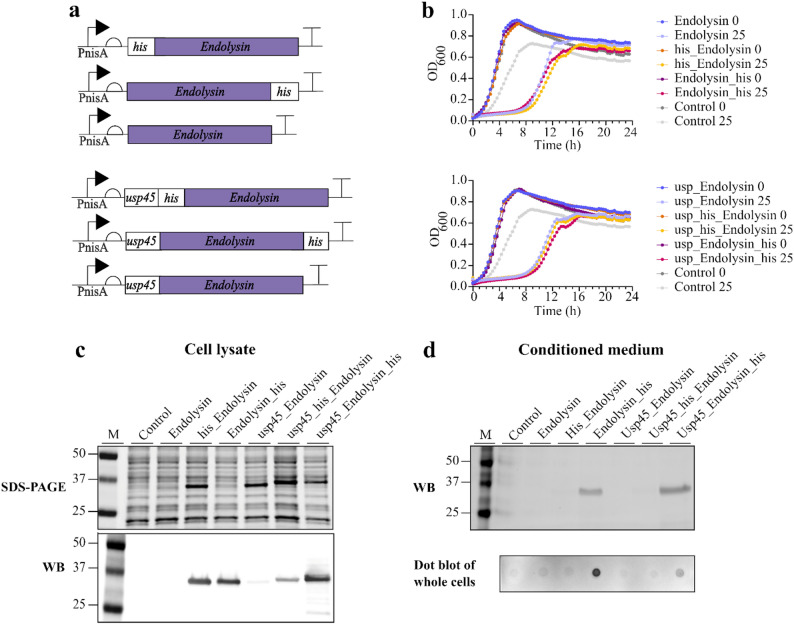 Figure 2
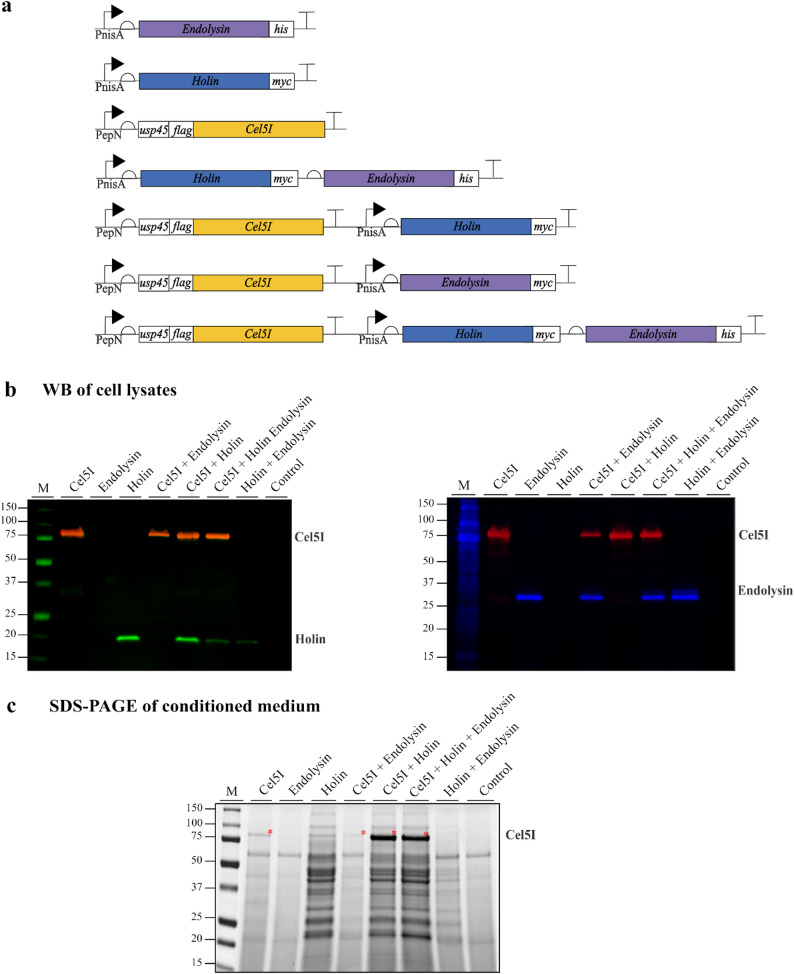 Figure 3
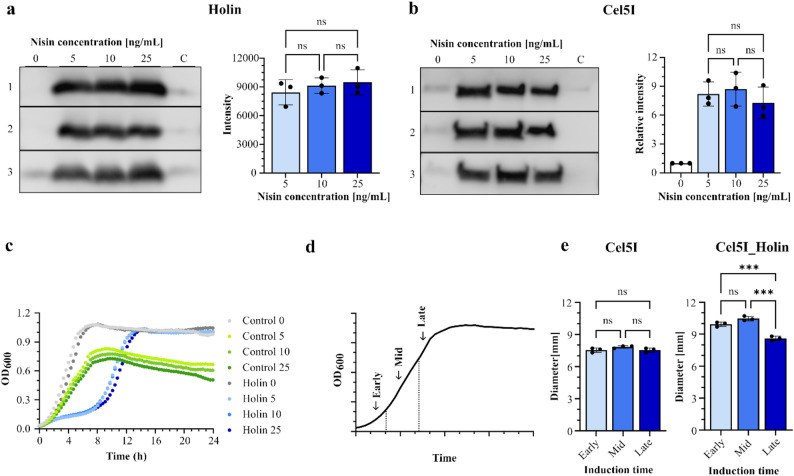 Figure 4
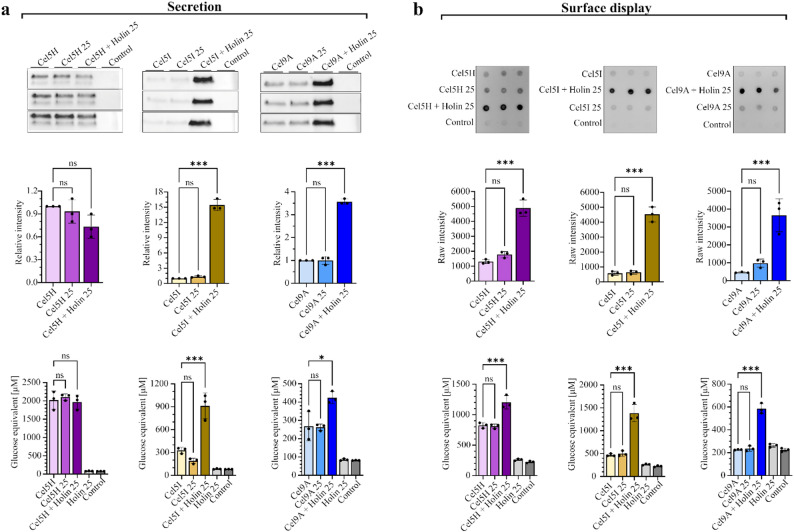 Figure 5
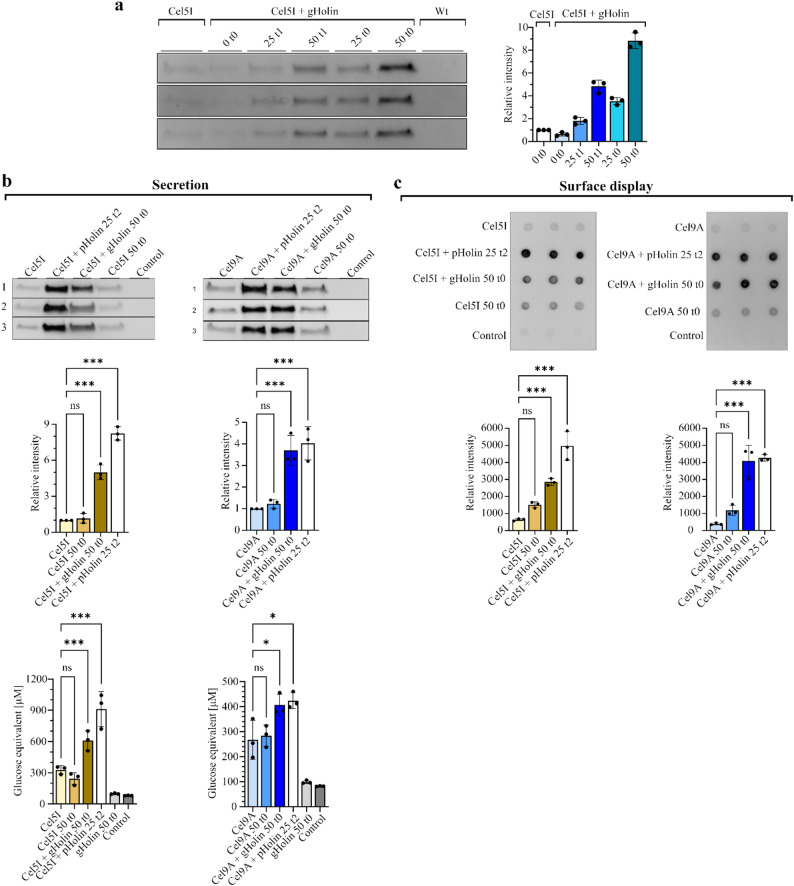 Figure 6
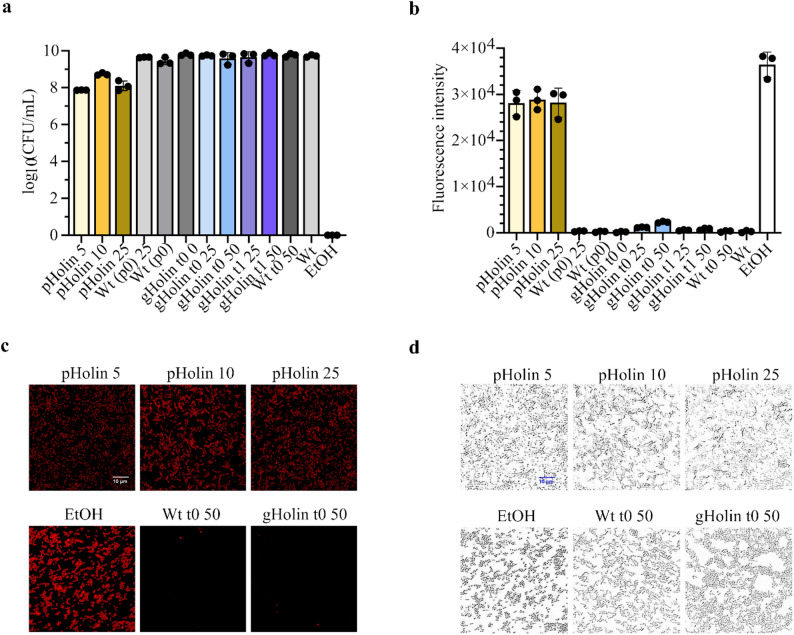 Figure 7
Peer Reviews
No public reviews on file for this paper yet. If you reviewed it on a platform where reviews are public (OpenReview, ICLR, NeurIPS, ICML), you can paste yours below so the community can read it here.
Videos
No videos yet. Explain this paper in a talk, walkthrough, or lecture? Add one.
Taxonomy
TopicsBiofuel production and bioconversion · Probiotics and Fermented Foods · Polysaccharides and Plant Cell Walls