High-quality mouse reference genomes reveal the structural complexity of the murine protein-coding landscape
Mohab Helmy, Jin U. Li, Xinyu F. Yan, Rachel K. Meade, Elizabeth Anderson, Patrick B. Chen, Anne M. Czechanski, Tomás Di Domenico, Jonathan Flint, Erik Garrison, Marco T.P. Gontijo, Andrea Guarracino, Leanne Haggerty, Edith Heard, Kerstin Howe, Narendra Meena, Fergal J. Martin

TL;DR
Researchers created high-quality mouse genomes to better understand complex immune-related regions and improve genetic studies.
Contribution
The study provides new high-quality mouse genomes that resolve complex genomic regions and improve RNA-seq analysis.
Findings
Resolved complex genomic regions like MHC, defensin cluster, and T cell receptor.
Identified over 400 genes with VNTR polymorphisms in coding regions.
Improved RNA-seq read mapping and gene expression analysis using strain-specific genomes.
Abstract
We present a collection of 17 high-quality long-read inbred mouse strain genomes with complete annotation (contig N50s of 0.8–33.9 Mbp). This collection includes 12 widely used classical laboratory strains and 5 wild-derived strains. We have resolved previously incomplete genomic regions, including the major histocompatibility complex (MHC), defensin cluster, T cell receptor, and Ly49 complexes. Hundreds of non-reference genes from previous publications not found in GRCm39, such as Defa1, Raet1a, and Klra20 (Ly49T), were localized in the new reference genomes. We conducted a genome-wide scan of variable number tandem repeats (VNTRs) within the coding regions, identifying over 400 genes with VNTR polymorphisms with up to 600 repeat copies and repeat units reaching 990 nucleotides. Our strain-specific annotations enhance RNA sequencing (RNA-seq) analyses, as demonstrated in PWK/PhJ, where…
Genes, proteins, chemicals, diseases, species, mutations and cell lines named across the full text — each resolved to its canonical identifier and authoritative record.
Click any figure to enlarge with its caption.
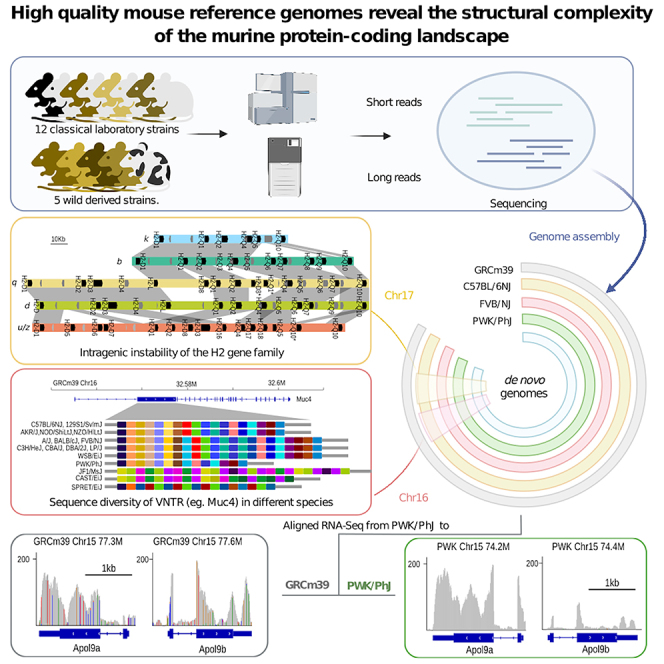 Figure 1
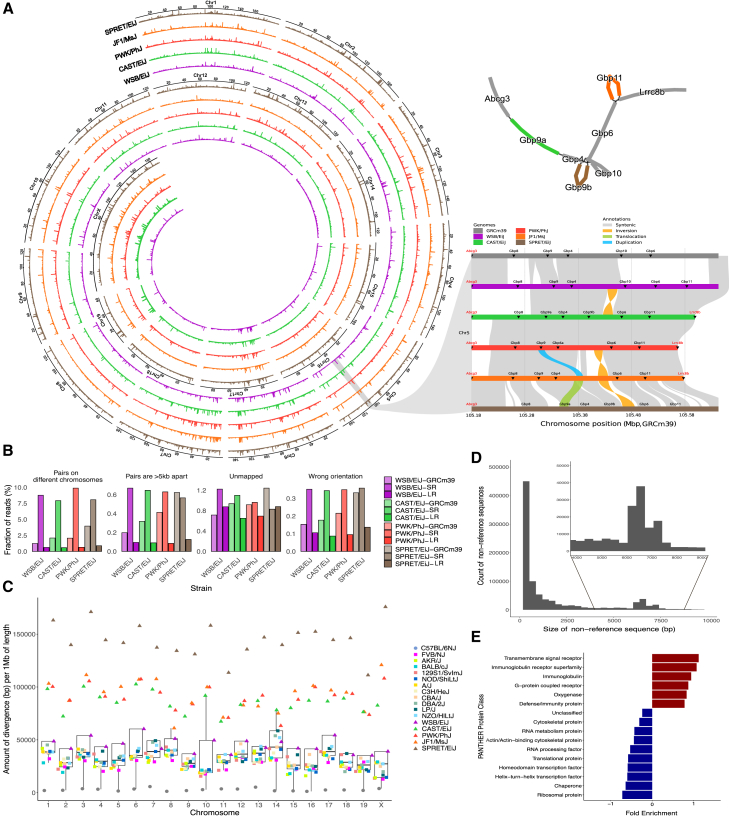 Figure 2
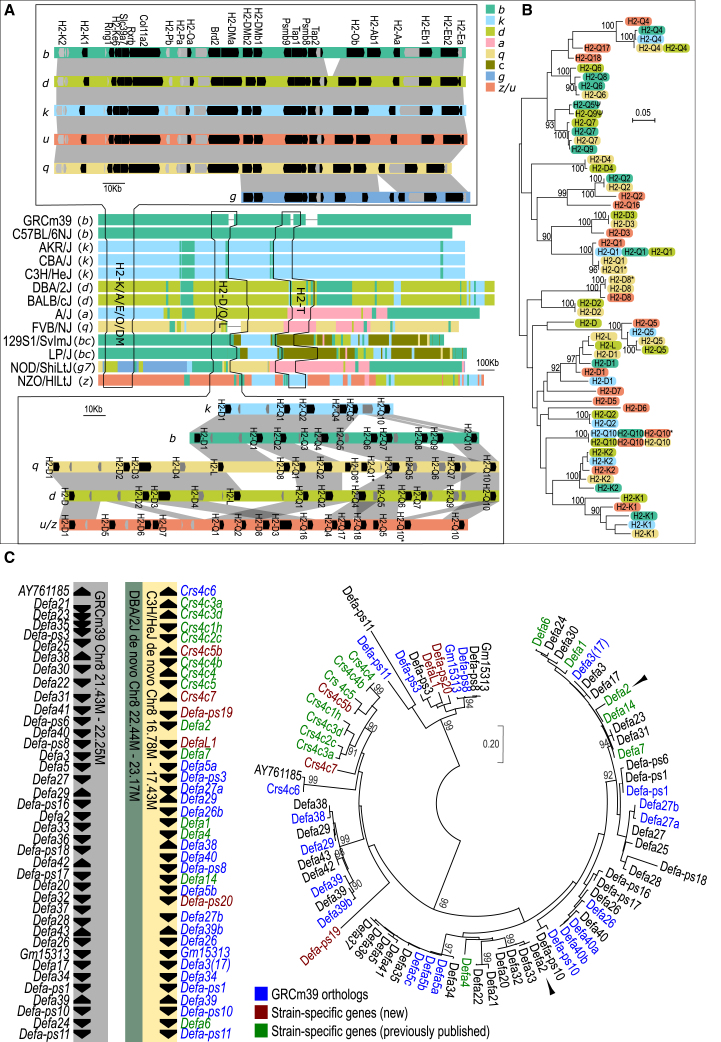 Figure 3
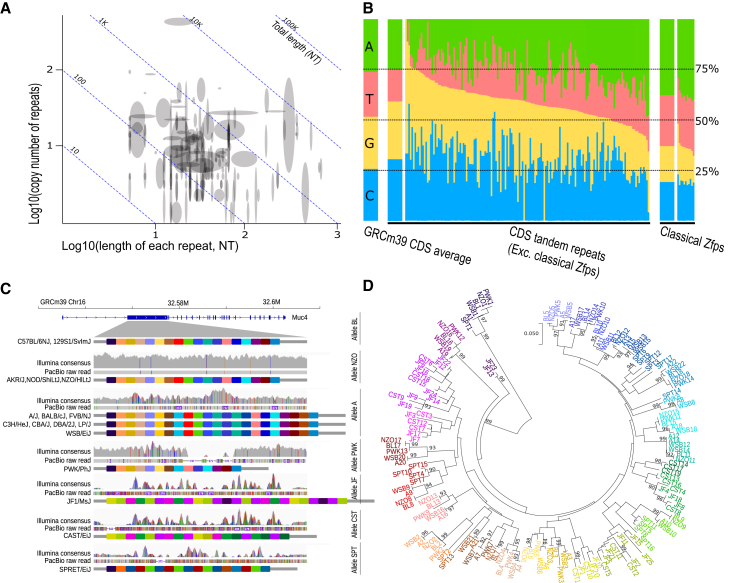 Figure 4
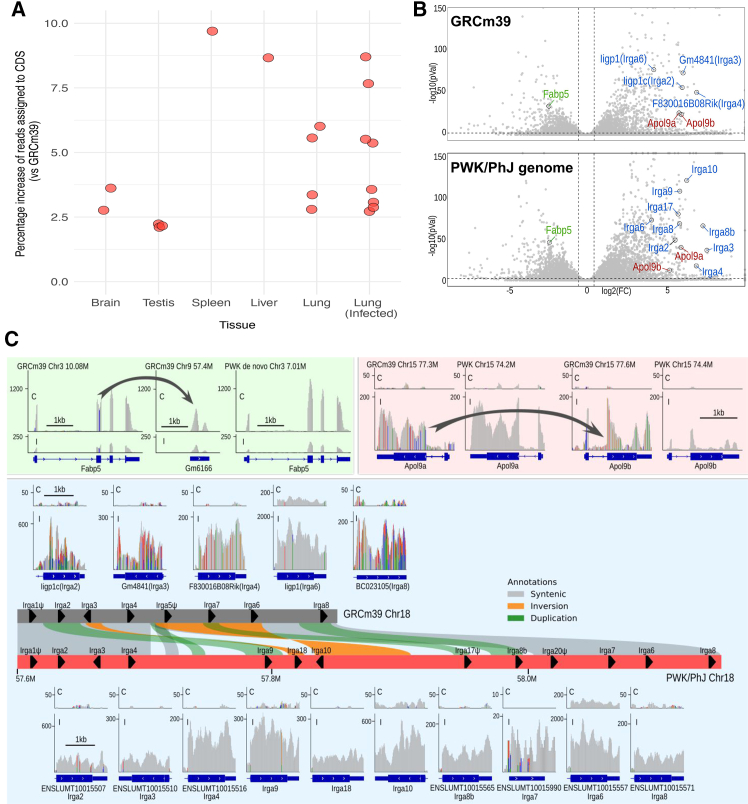 Figure 5
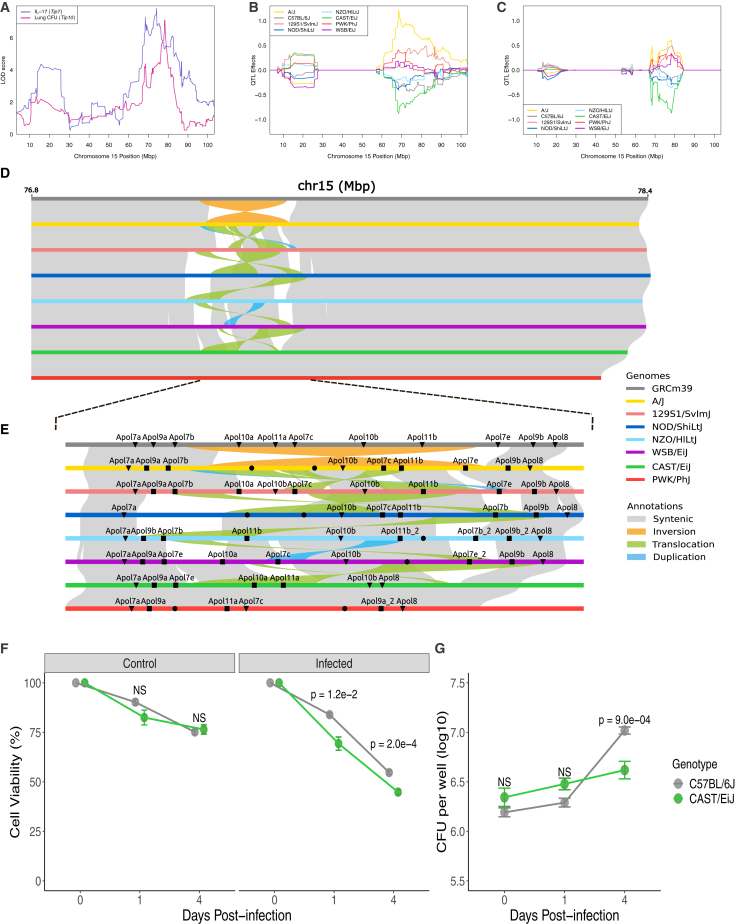 Figure 6
Peer Reviews
No public reviews on file for this paper yet. If you reviewed it on a platform where reviews are public (OpenReview, ICLR, NeurIPS, ICML), you can paste yours below so the community can read it here.
Videos
No videos yet. Explain this paper in a talk, walkthrough, or lecture? Add one.
Taxonomy
TopicsGenomics and Phylogenetic Studies · Genetic Mapping and Diversity in Plants and Animals · Single-cell and spatial transcriptomics