Assessing the population genetic structure and demographic history of Anopheles gambiae and Anopheles arabiensis at island and mainland sites in Uganda: implications for testing novel malaria vector control approaches
Rita Mwima, Tin-Yu J. Hui, Edward Lukyamuzi, Marilou Bodde, Alex Makunin, Krystal Birungi, Martin Lukindu, Ann Nanteza, Dennis Muhanguzi, Mara Lawniczak, Austin Burt, Jonathan K. Kayondo

TL;DR
This study examines the genetic structure and population history of malaria-carrying mosquitoes in Uganda to inform new control strategies.
Contribution
The study provides new insights into the genetic differentiation and demographic history of Anopheles gambiae and Anopheles arabiensis in island and mainland Uganda.
Findings
Anopheles gambiae and Anopheles arabiensis show strong genetic differentiation between species but limited within-species variation.
Island populations of An. gambiae have lower diversity and smaller effective population sizes compared to mainland populations.
Anopheles arabiensis mainland populations show no significant genetic differentiation, suggesting panmixia.
Abstract
Despite substantial investments in malaria control, the disease remains a major burden in sub-Saharan Africa, particularly Uganda. Novel tools such as gene drive systems are being developed to suppress malaria vector populations, but their deployment requires detailed knowledge of mosquito population genetics. The genetic structure, diversity, and demographic history of Anopheles gambiae and Anopheles arabiensis were assessed at six sites in Uganda: three islands in Lake Victoria and three mainland sites. A total of 2918 An, gambiae and 173 An. arabiensis were genotyped using targeted amplicon sequencing of 62 loci across coding and non-coding regions of the genome. Population structure analyses revealed clear separation between the two species but little differentiation within each species across sites. Pairwise FST values among An. gambiae populations were low (0.00054–0.028) but…
Genes, proteins, chemicals, diseases, species, mutations and cell lines named across the full text — each resolved to its canonical identifier and authoritative record.
Click any figure to enlarge with its caption.
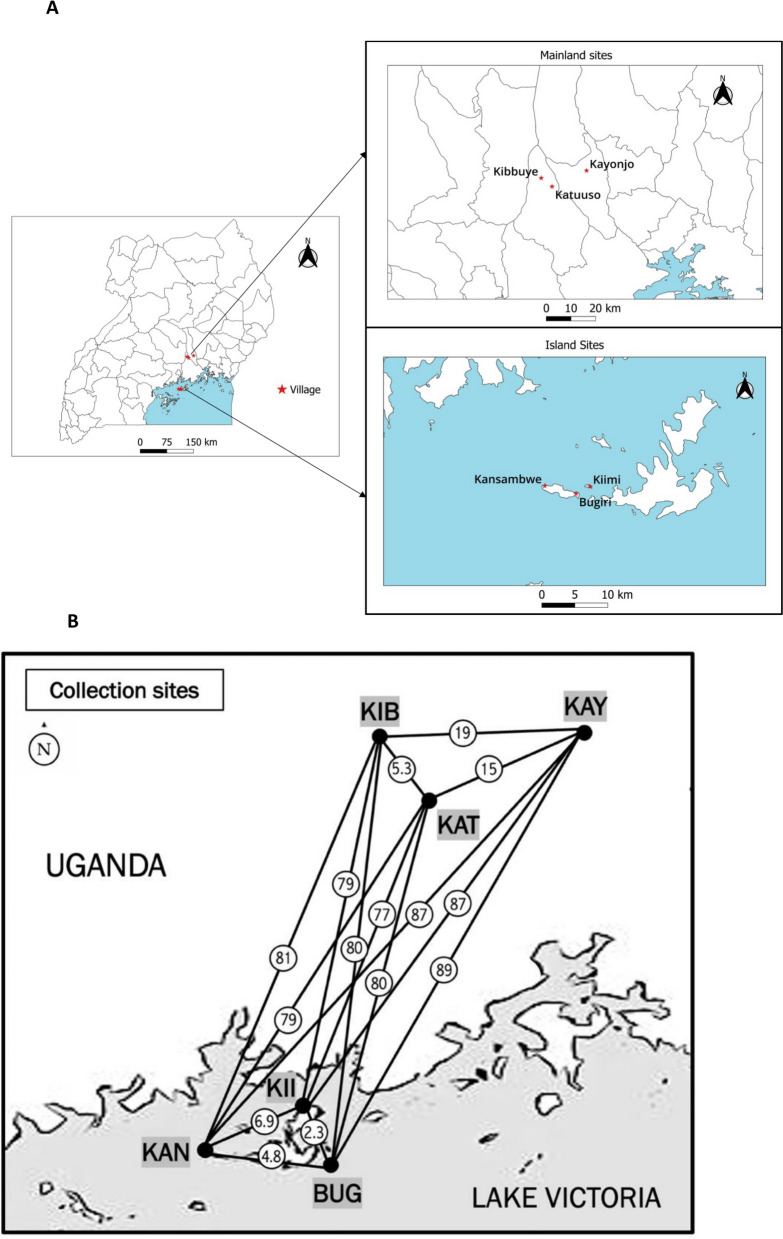 Figure 1
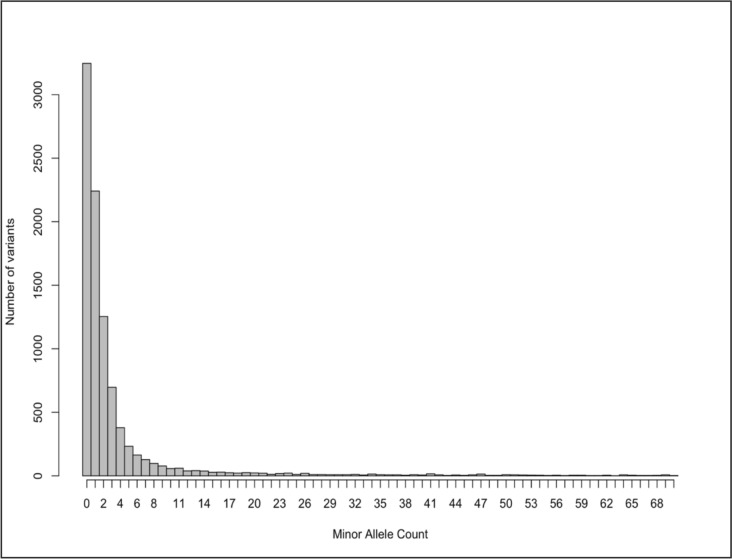 Figure 2
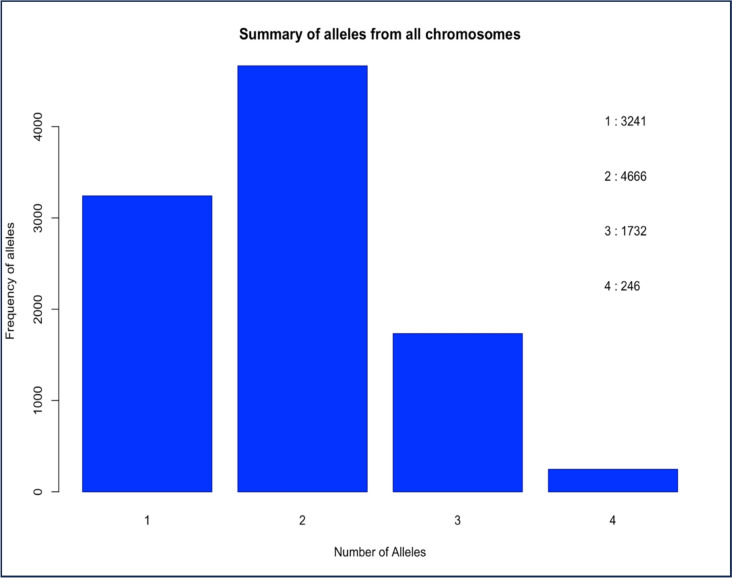 Figure 3
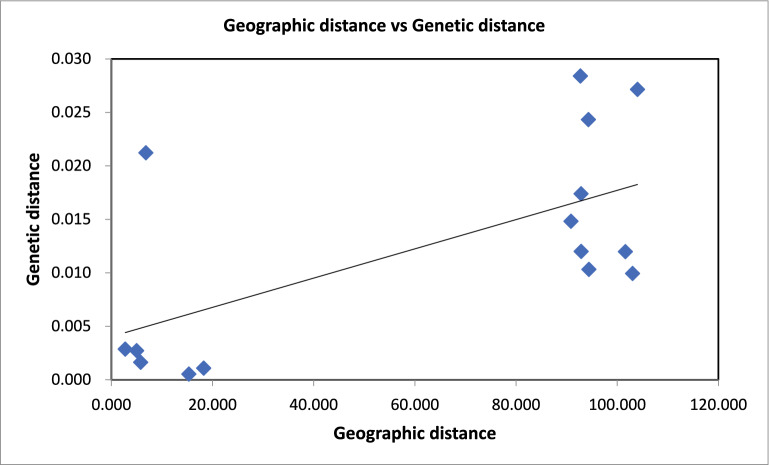 Figure 4
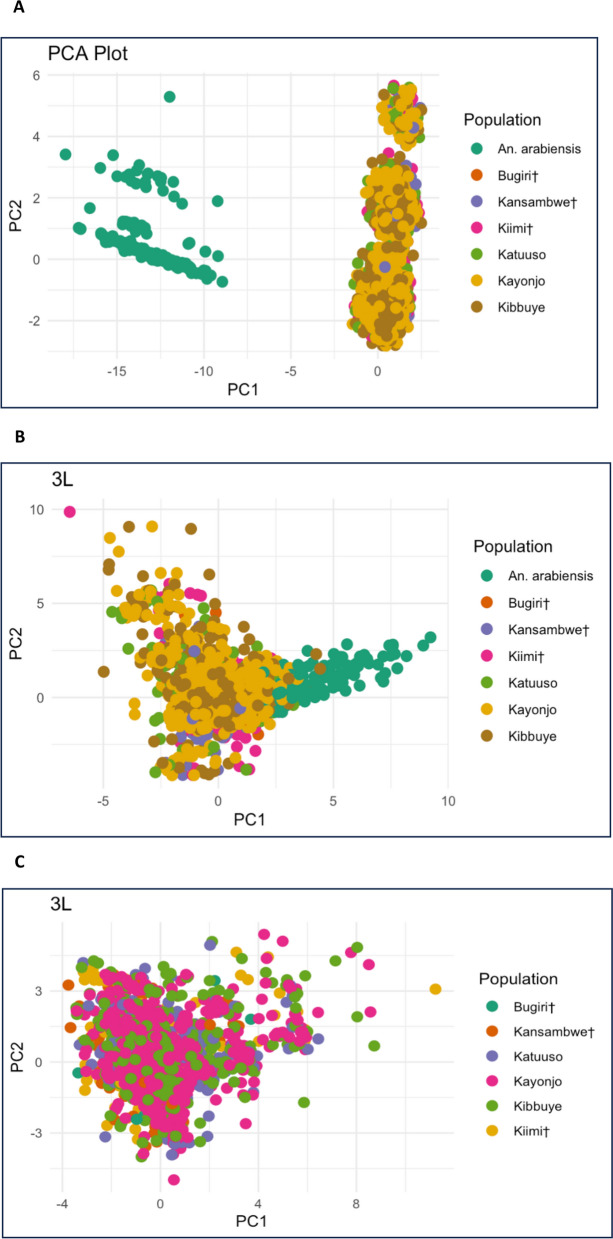 Figure 5
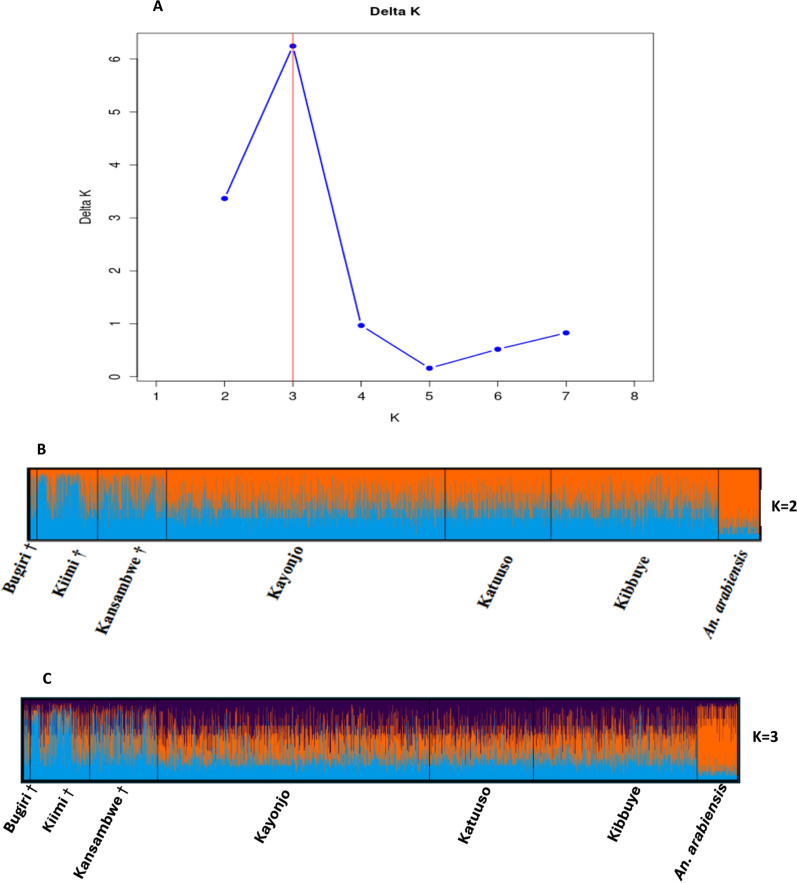 Figure 6
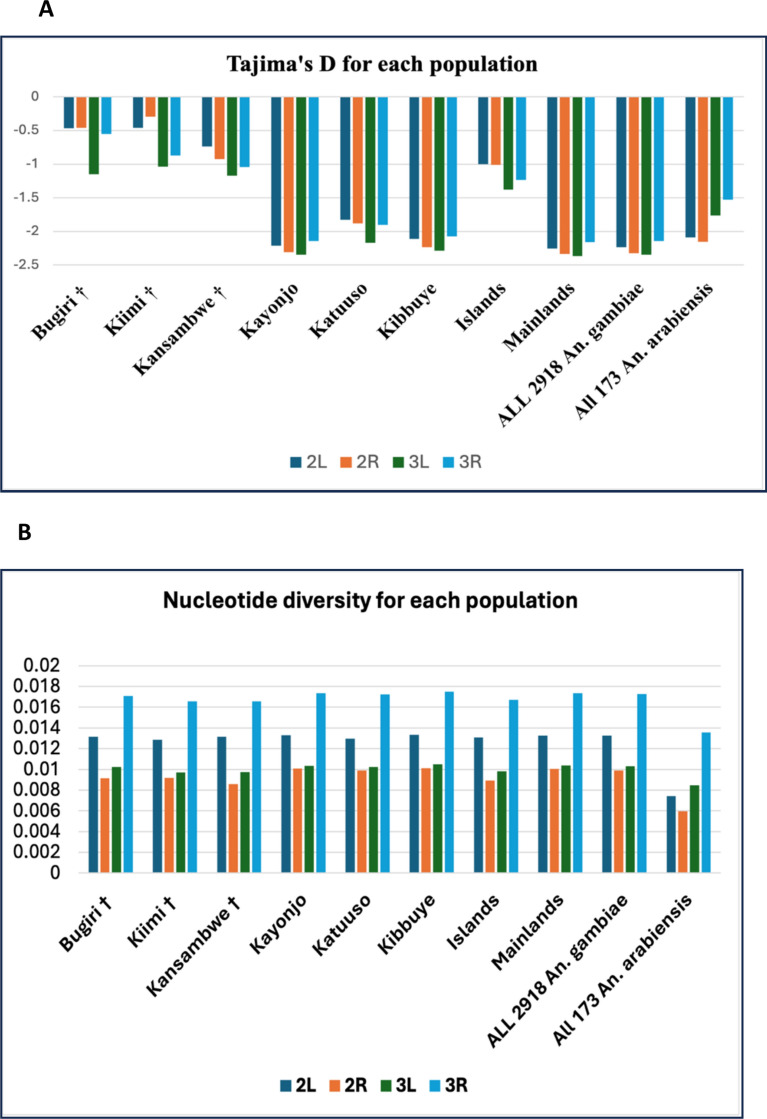 Figure 7
Peer Reviews
No public reviews on file for this paper yet. If you reviewed it on a platform where reviews are public (OpenReview, ICLR, NeurIPS, ICML), you can paste yours below so the community can read it here.
Videos
No videos yet. Explain this paper in a talk, walkthrough, or lecture? Add one.
Taxonomy
TopicsMalaria Research and Control · Mosquito-borne diseases and control · Invertebrate Immune Response Mechanisms