Elevation-associated shifts in plasma metabolite abundance and lung gene expression in the Xizang plateau frog, Nanorana parkeri
Xuejing Zhang, Yonggang Niu, Shengkang Men, Qiang Chen, Xiaolong Tang

TL;DR
This study explores how the Xizang plateau frog adapts to high elevations by analyzing changes in its metabolism and gene expression.
Contribution
The study reveals coordinated metabolic and gene expression shifts in a high-elevation amphibian, offering new insights into ectotherm adaptation.
Findings
High-elevation frogs showed 37% higher glucose and reduced glycolytic and fatty acid metabolism fluxes.
Lung transcriptomes revealed down-regulation of glycolysis, TCA cycle, and oxidative phosphorylation in high-elevation frogs.
Up-regulation of stress-response pathways and DNA repair genes suggests enhanced cellular stress tolerance at higher elevations.
Abstract
Compared to other amphibians, the Xizang plateau frog, Nanorana parkeri, is the highest elevation-dwelling amphibian species known to date (up to 5,100 m), offering a valuable model for understanding ectotherm adaptation to extreme environments. Here, we compared plasma metabolomes and lung transcriptomes of frogs between higher (4,600 m) and lower (3,400 m) elevations. We also assayed key metabolites (glucose, lactate, NADH, β-hydroxybutyrate) in the plasma and inferred the metabolic flux of central metabolic pathways. Plasma metabolomics revealed significant elevation-related differences, identifying 222 differential metabolites. High-elevation frogs exhibited 37% higher glucose but 32% and 33% lower lactate and β-hydroxybutyrate, respectively, alongside reduced glycolytic and fatty acid metabolism fluxes. Lung transcriptomic analysis identified 1,618 differentially expressed genes,…
Genes, proteins, chemicals, diseases, species, mutations and cell lines named across the full text — each resolved to its canonical identifier and authoritative record.
Click any figure to enlarge with its caption.
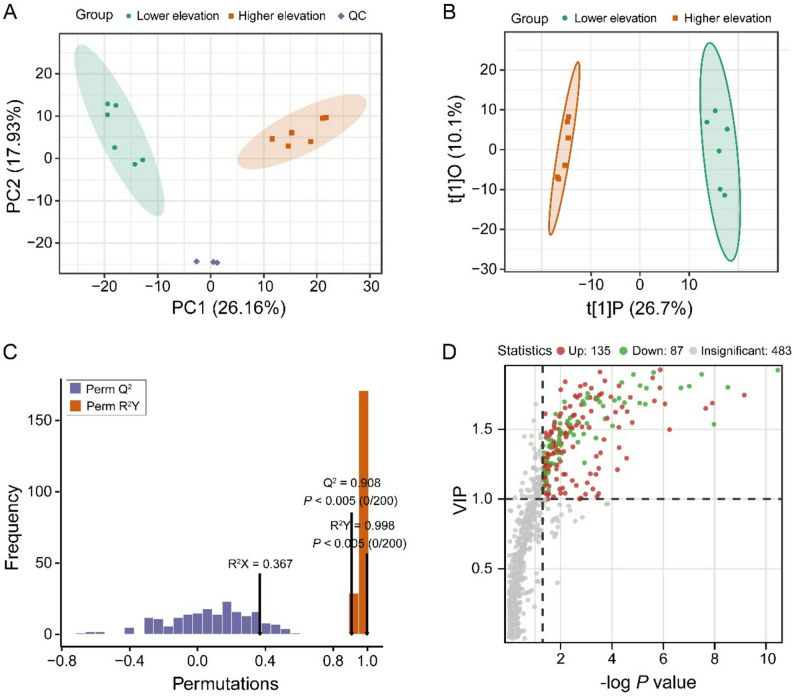 Figure 1
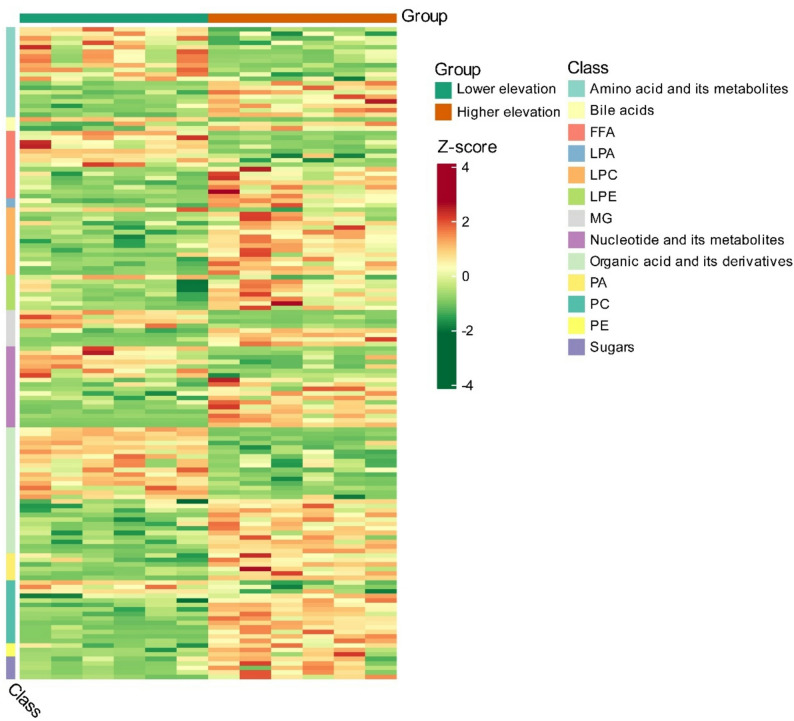 Figure 2
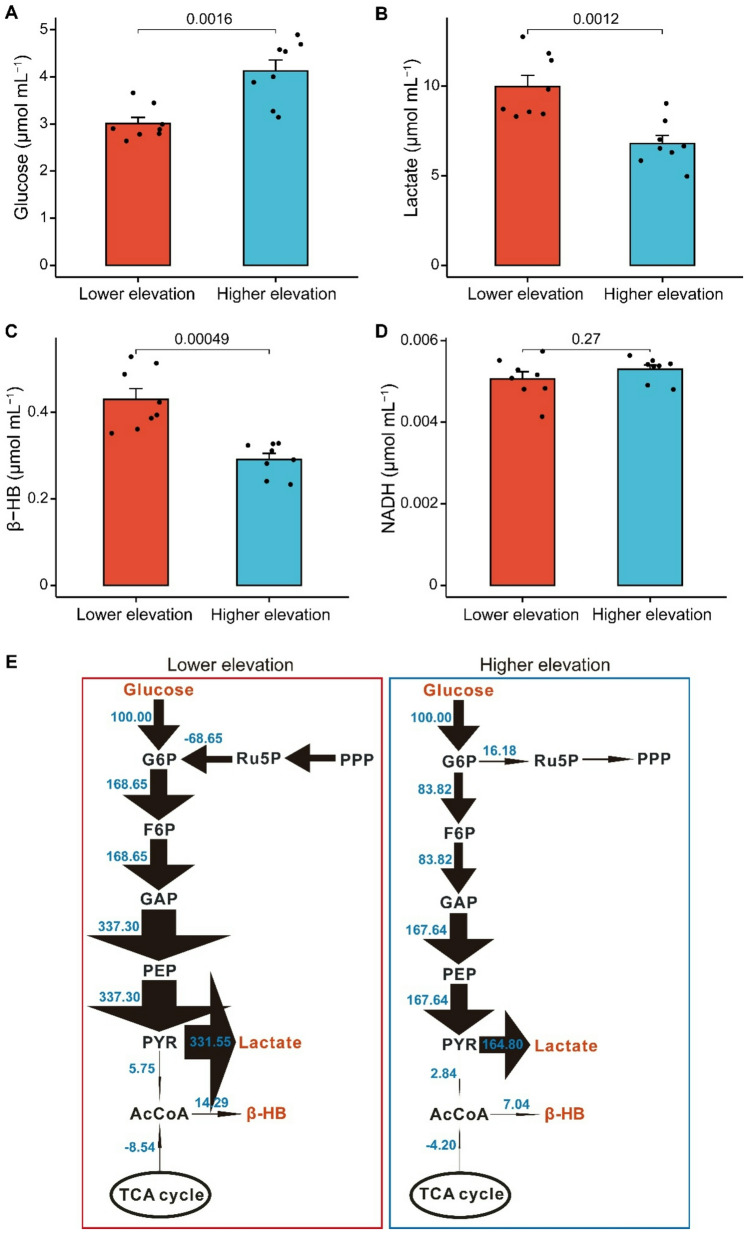 Figure 3
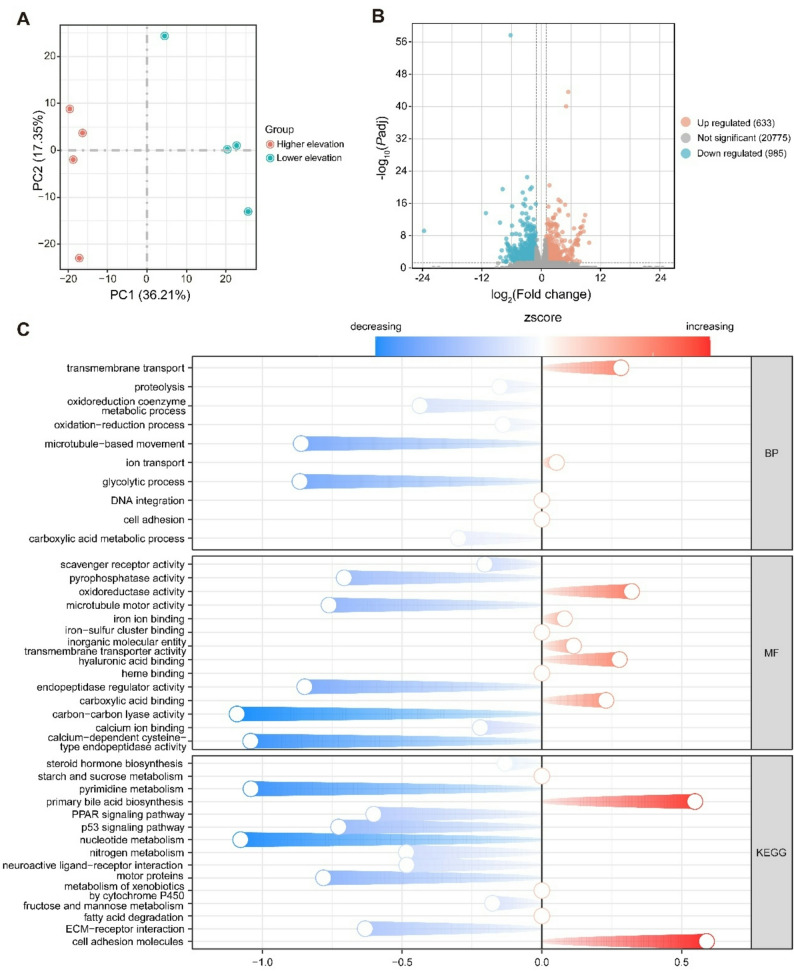 Figure 4
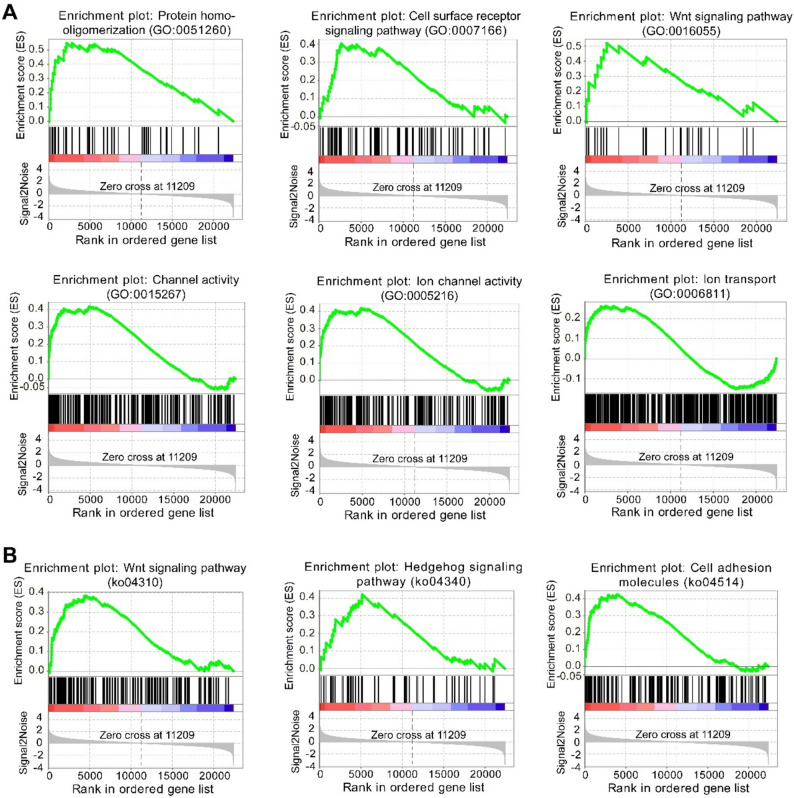 Figure 5
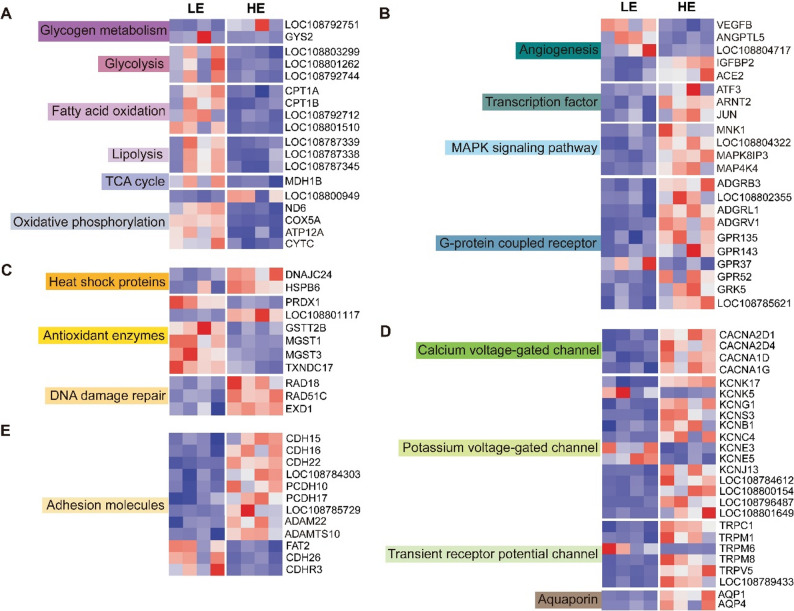 Figure 6
Peer Reviews
No public reviews on file for this paper yet. If you reviewed it on a platform where reviews are public (OpenReview, ICLR, NeurIPS, ICML), you can paste yours below so the community can read it here.
Videos
No videos yet. Explain this paper in a talk, walkthrough, or lecture? Add one.
Taxonomy
TopicsPhysiological and biochemical adaptations · Amphibian and Reptile Biology · Cancer, Hypoxia, and Metabolism